
 By
New research in Science Advances shows that the shrinking ice of the far-northern Barents Sea is quietly reshaping Europe’s springs — boosting wheat harvests in the east while cooling them in the west — in one of the clearest links yet between Arctic change and the continent’s food.
By The BNN Media
The Best News Network
News Beyond the Borders
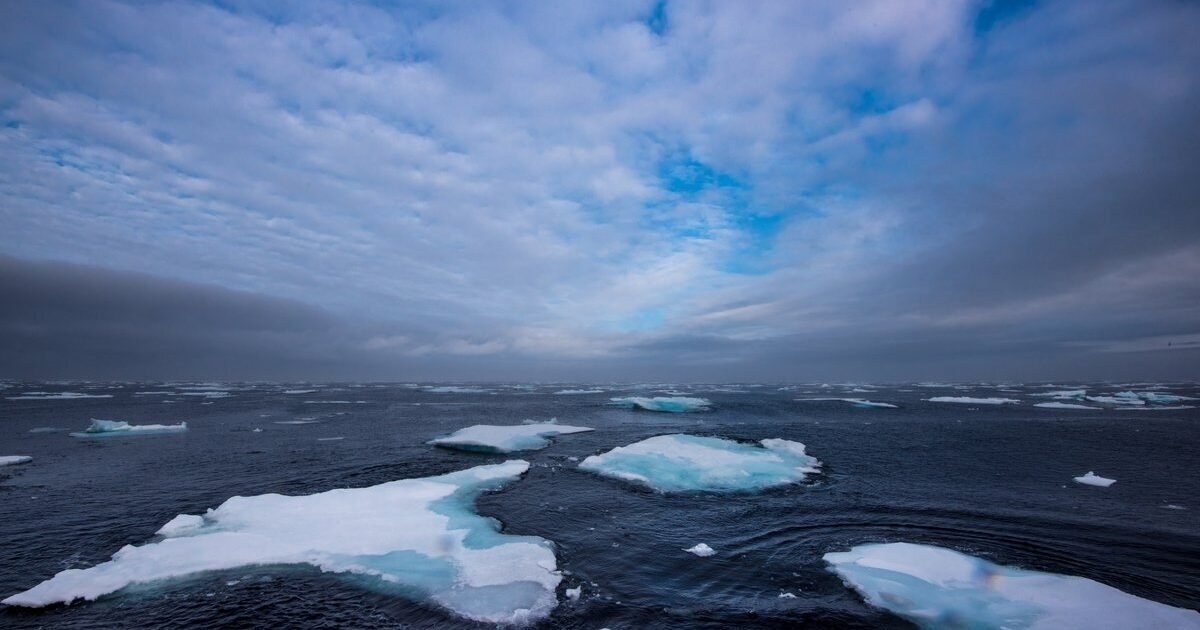
Nanjing, China — The loss of sea ice in the Barents Sea, a part of the Arctic Ocean north of Norway and Russia, is raising wheat yields in Eastern Europe while lowering them in Western Europe, according to a new study published this week in the journal Science Advances.
Four Decades of Data, One Divided Continent
Scientists led by researchers from Nanjing University in China analysed four decades of data, examining satellite records of sea ice cover during each February from 1982 to 2022, alongside information about vegetation growth, wheat yields and weather conditions across Europe.
They focused on year-to-year variations, to minimise the influence of long-term trends such as global warming and rising carbon dioxide levels, and used computer simulations to test how changes in sea ice cover alone could affect weather patterns across Europe.
The result was a striking geographical divide. In years with less ice in the Barents Sea, spring temperatures were higher across much of Eastern Europe but lower in Western Europe — and that difference showed up directly in how well plants grew.
The Arctic, in other words, is not a distant frozen wilderness: its ice is already deciding how Europe’s fields perform.
The Winners: Eastern Europe’s Longer Spring
In Eastern Europe, the warmer springs meant an earlier start to the growing season and fewer days of frost once plants began growing. The researchers estimate that nearly half of the increase in spring photosynthetic activity over the past 40 years is due to the loss of sea ice.
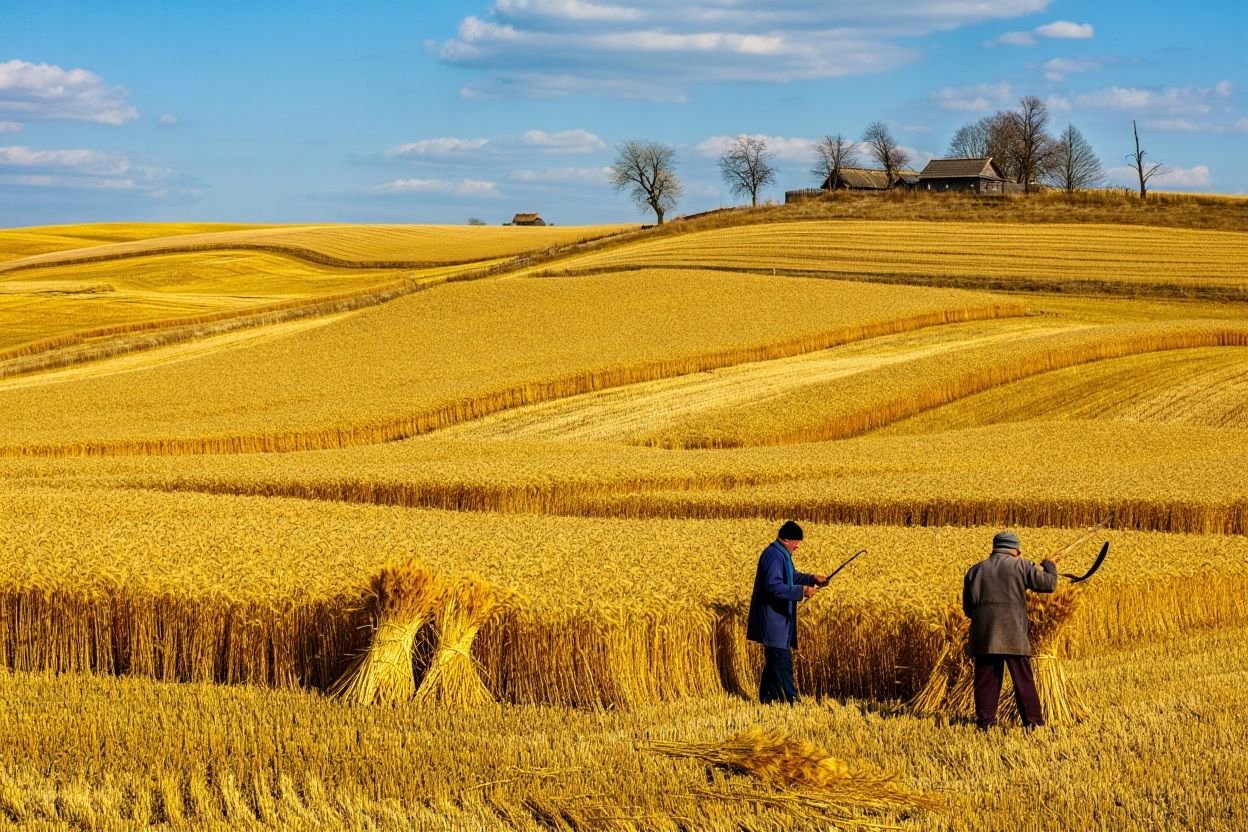
Wheat farmers benefited most clearly. In Belarus, for example, wheat yields were higher in years with unusually little sea ice than in those with extensive ice cover — a difference amounting to around 16.5 percent of the country’s average wheat yield over 20 years. At the scale of individual fields, the study found increases of more than 20 percent, according to the research team’s abstract for the European Geosciences Union General Assembly 2026.
“The response is heterogeneous: BSIA [Barents Sea ice area] loss significantly enhances spring GPP [gross primary productivity] and wheat yields across EE [Eastern Europe] yet suppresses them in Western Europe,” the scientists wrote.
For the farmers of Eastern Europe’s breadbasket, disappearing Arctic ice has — so far — been an unexpected helping hand.
The Losers: Cooler Springs in the West
The picture was not so healthy in Western Europe, where the same ice loss brought cooler temperatures that hampered spring vegetation growth. In Spain, for example, wheat yields were around 5 percent lower in years with unusually little sea ice.
That contrast is the heart of the study. The same planetary change — the retreat of ice in a sea most Europeans will never see — is pulling the continent’s agriculture in two directions at once, rewarding one half and penalising the other.
The researchers stress that this is a finding about year-to-year variation, not a forecast that Eastern Europe will keep gaining forever. The pattern they found held across four decades of records, but the climate system is moving into territory without a historical precedent.
How Melting Ice Changes the Wind
So how does sea ice loss in the far north change the weather over European farms? According to the study authors, when less ice covers the sea, more heat escapes from the ocean into the atmosphere. That changes wind patterns, drawing warm air from the Mediterranean into Eastern Europe and cooler air from the North Atlantic toward the Iberian Peninsula.
The mechanism, in the team’s own account, works through large-scale circulation changes: reduced ice induces cyclonic conditions and stronger horizontal flows of warm air, while increased sunshine — more shortwave radiation reaching the ground — helps ease frost risk and promote photosynthesis in the east.
It is a reminder that the climate system is connected in ways that defy borders. A frozen sea off Norway can shift the winds over a wheat field in Belarus or a vineyard in Spain, thousands of kilometres away.
The ice is not just melting — it is rewriting the map of Europe’s springs.
A Warning for a Seasonally Ice-Free Arctic
The authors are careful about what comes next. Plenty of unknowns remain, they say, because the effects of Arctic sea ice loss may change as the region continues to warm.
“Looking ahead, the rapid transition of the Arctic toward a seasonally ice-free state is expected to alter, rather than necessarily intensify, the influence of Arctic forcing on midlatitude climate,” the authors conclude.
In plain terms: the boost Eastern Europe has enjoyed may not last, and the pattern could shift in ways the past forty years cannot predict. A warmer Arctic with little or no summer ice would behave differently from the Arctic of the study period, and the winds that now carry warmth eastward could change direction or strength.
A Second Study’s Warning: Drought Risk
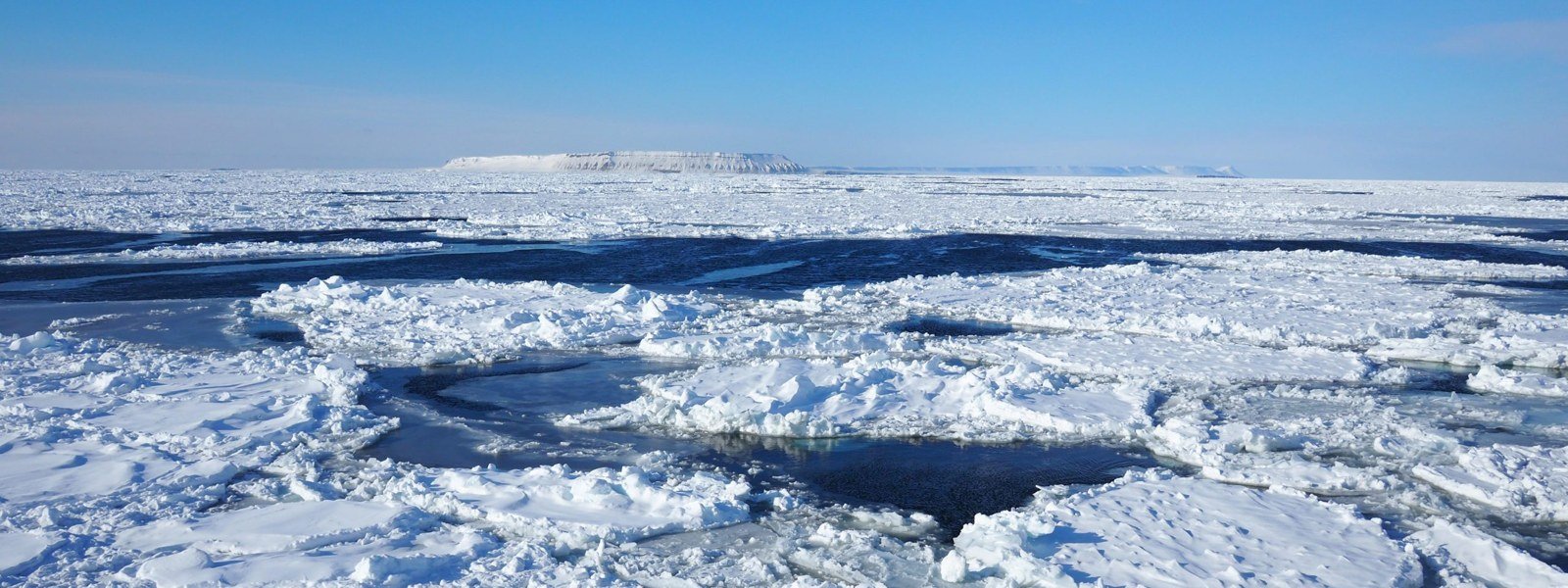
The Barents Sea study is not the only new research linking Arctic ice to European farming. A separate study published in the journal Frontiers in Water on 12 November found a direct link between reduced winter sea ice in the Barents and Kara Seas and summer droughts in Eastern Europe and Central Asia, from Romania to Kazakhstan.
That research, by scientists from the Alfred Wegener Institute in Germany and the University of Bucharest, used sea ice records from 1901 to 2017 and summer drought data to show that low winter ice is followed by a higher risk of drought in the grain-producing regions of Eastern Europe, southern Russia and Kazakhstan.
Taken together, the two studies tell a more complicated story than either alone: the same ice loss that warms Eastern European springs may also raise the risk of summer drought in the same region — a gain in spring followed by a loss in summer.
Why This Science Matters Now
The findings arrive at a moment when the world’s climate negotiations are in disarray. COP31 ended without an agreement in Antalya on 22 November, after record overtime, with governments split over fossil fuels and finance — and the next summit, COP32, is not due until November 2027 in Addis Ababa.
That gap makes studies like this one more important, not less. While diplomats argue over targets, the physical links between a warming Arctic and the food on European tables are already operating — measurable in satellite records, in wheat statistics and in farmers’ fields.
The Barents Sea will keep losing ice. The question the research leaves open is whether Europe’s farms will keep gaining from it, or whether the next phase of Arctic change will take the gains away.
For now, the ice is gone and the wheat is up — but the scientists who found the link warn that the next chapter may not read the same way.
By The BNN Media
The Best News Network
News Beyond the Borders


2 thoughts on “Melting Barents Sea Ice Is Lifting Wheat Yields in Eastern Europe — and Cutting Them in the West, Study Finds”