
 By
The Reserve Bank of India will conduct an overnight variable rate reverse repo (VRRR) auction for a notified amount of Rs 50,000 crore on Wednesday, 18 November, to absorb surplus liquidity from the banking system — the latest in a series of operations aimed at keeping overnight rates aligned with the central bank’s policy rate.
By The BNN Media
The Best News Network
News Beyond the Borders
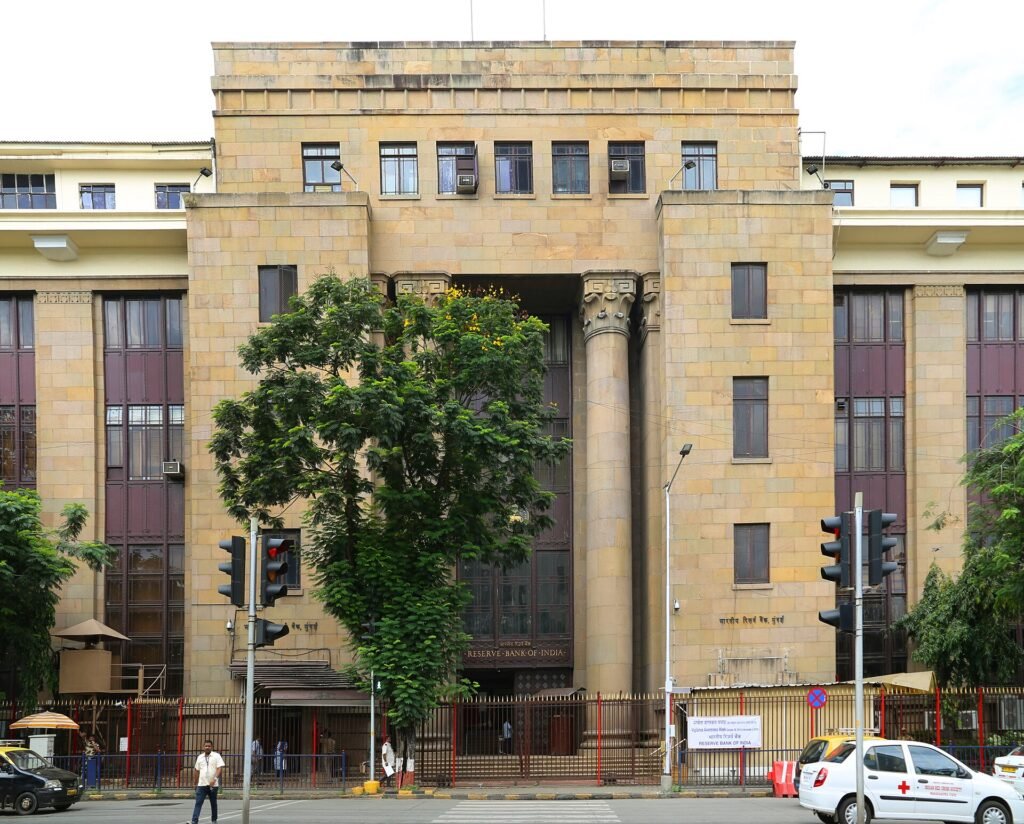
MUMBAI, India — The Reserve Bank of India (RBI) will conduct an overnight variable rate reverse repo (VRRR) auction for a notified amount of Rs 50,000 crore on Wednesday, 18 November, to absorb surplus liquidity from the banking system. The operation, announced on Tuesday, is the latest in a series of measures aimed at keeping overnight money-market rates aligned with the central bank’s policy repo rate of 5.50 percent.
What the Auction Does
A variable rate reverse repo auction allows banks to park their surplus funds with the RBI overnight, earning interest at a rate determined by competitive bidding. The RBI sets a notified amount — in this case Rs 50,000 crore — and banks bid for the amount they wish to deposit, along with the rate they are willing to accept.
The auction is conducted under the Liquidity Adjustment Facility (LAF), the RBI’s main tool for managing day-to-day liquidity in the banking system. When the RBI absorbs liquidity through a reverse repo, it reduces the amount of money available in the system, which tends to push overnight rates up towards the policy rate.
The auction is a routine tool — but its size tells a story about how much surplus cash is sitting in the banking system.
Why the Surplus Exists
The banking system has been flush with liquidity in recent weeks, driven by a combination of factors:
- Government spending: The central government has been spending heavily, injecting funds into the banking system.
- RBI operations: The central bank’s own purchases of government securities and foreign exchange have added to liquidity.
- Slow credit growth: While credit growth has picked up, it has not kept pace with the growth in deposits, leaving banks with surplus funds.
- Festival-season inflows: The recent festival season saw a surge in currency in circulation, which has since returned to the banking system as deposits.
The surplus has pushed the weighted average call rate — the rate at which banks lend to each other overnight — below the policy repo rate, prompting the RBI to step in with absorption operations.
The Mechanics
The auction will be held on Wednesday, 18 November, with the following terms:
- Notified amount: Rs 50,000 crore
- Tenor: Overnight (one day)
- Auction type: Variable rate reverse repo
- Eligible participants: Scheduled commercial banks, primary dealers and other eligible entities
- Settlement: Same day
Banks will submit bids specifying the amount they wish to park and the rate they are willing to accept. The RBI will accept bids starting from the lowest rate, until the notified amount is reached. The cut-off rate — the highest rate accepted — will be announced after the auction.
The auction is a test of how much banks are willing to accept to park their surplus — and how much the RBI needs to absorb to keep rates in line.
What It Means for Markets
The RBI’s absorption operations have implications for bond markets and for the broader economy. By mopping up surplus liquidity, the RBI keeps short-term rates from falling too far below the policy rate, which helps transmit its monetary policy stance to the wider economy.
For bond markets, the operations are generally seen as neutral to slightly positive, as they signal that the RBI is actively managing liquidity rather than letting it build up unchecked. For banks, the auctions provide a safe place to park surplus funds overnight, earning a return rather than leaving the money idle.
The Bigger Picture
The RBI has been conducting VRRR auctions regularly in recent months as part of its liquidity management framework. The operations are a normal part of central banking, and the Rs 50,000 crore notified amount is in line with recent auctions.
What is notable is the persistence of the surplus. Despite the RBI’s repeated absorption operations, liquidity has remained in surplus, reflecting the strong deposit growth in the banking system and the government’s spending patterns.
The surplus is a sign of a banking system with more money than it can lend — and the RBI’s auctions are the valve that keeps the pressure in check.
By The BNN Media
The Best News Network
News Beyond the Borders
Sources: Reserve Bank of India; The Hindu BusinessLine; Reuters.