By
The maker of one of America’s most widely used hospital beds has recalled every bed, rail, mattress and accessory it has produced over the past 15 years, after reports of deaths and serious injuries linked to fire hazards and patients becoming trapped. The company is now leaving the bed market altogether.
By The BNN Media
The Best News Network
News Beyond the Borders
Washington, United States — Medical device maker Medline has recalled all of its brand beds and bed accessories — more than 1,000 products made over the past 15 years — after reports of deaths and serious injuries linked to the beds, the US Food and Drug Administration (FDA) has warned.
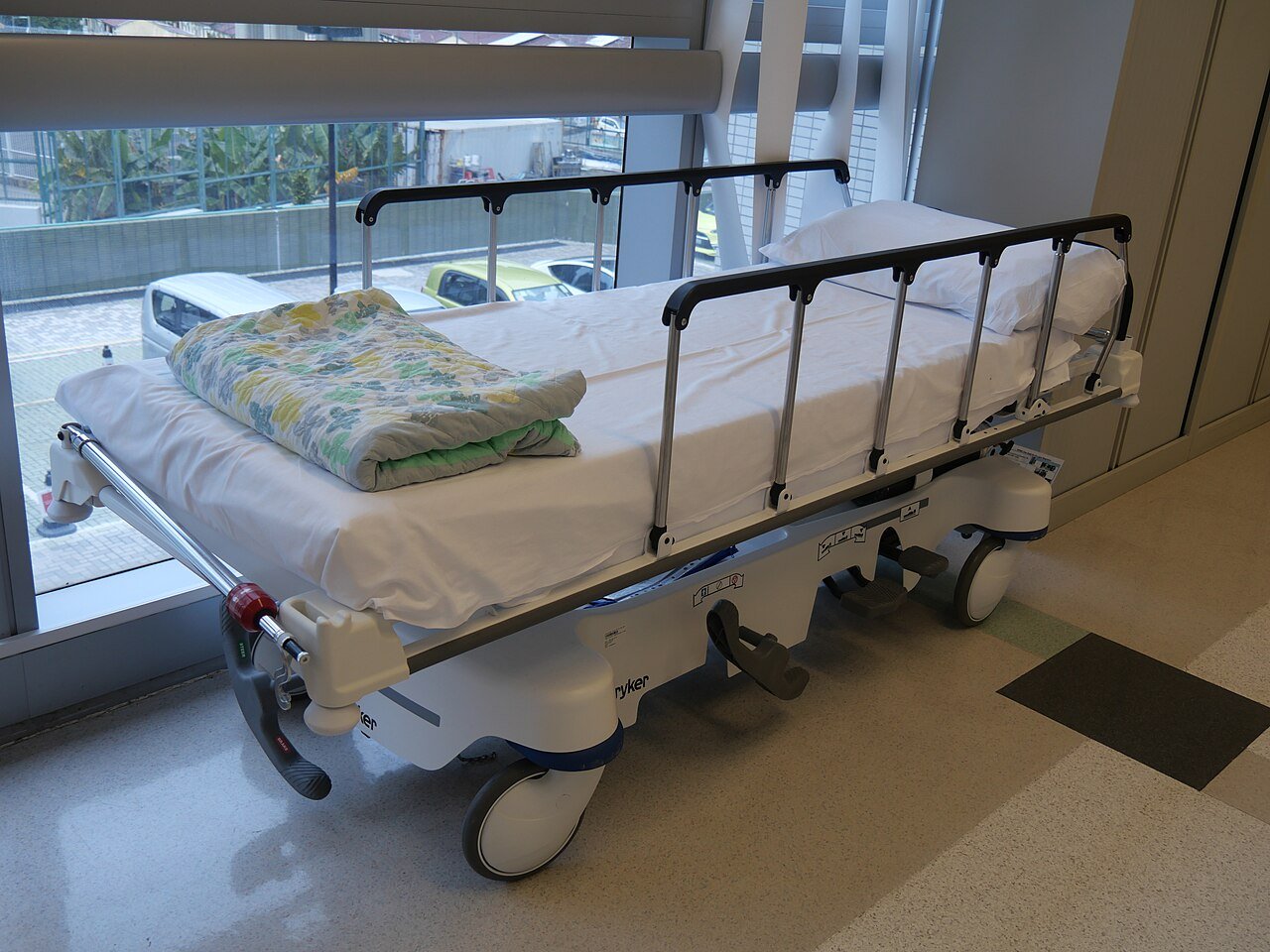
The toll reported to the company has risen sharply in a matter of weeks. In an alert published on 20 October, the FDA said Medline was aware of two deaths and 16 serious injuries connected to the beds. By 8 November, less than three weeks later, those numbers had grown to seven reported deaths and 35 related serious injuries, according to updated information from Medline reported on 14 November.
What Is Being Recalled
The recall covers every Medline brand bed and everything sold with it. In an Urgent Medical Device Field Safety Notice sent to all affected customers on 14 October 2026, Medline told customers it was discontinuing the products and leaving the market. The affected products are:
- Homecare beds — adjustable beds used by patients at home
- Bariatric beds — beds designed for heavier patients
- Long-term care beds — beds used in nursing homes and care facilities
- Hand-control pendants — the remote controls patients use to adjust the bed
- Accessories, replacement parts, and bed-containing order packages
The beds were sold to durable medical equipment providers and long-term care facilities, as well as directly to customers — meaning many are in patients’ own homes, not just in hospitals. The FDA said Medline recommends the products be removed from where they are used or sold, or in some cases corrected before any continued use.
This is not a recall of one faulty model. It is the withdrawal of an entire product line — every bed the company has made for a decade and a half.
The Fire Hazard
Medline identified a potential fire hazard in the beds’ electrical systems — the hand-control pendants, the control and motor boxes, and the actuators and motors that move the bed. Under certain conditions, the electrical components may overheat. Those conditions include excessive loading on the system, jammed components or motors, damage to the pendant or fluid getting into it, the use of extension cords, and the use of pendants or accessories not made or approved by Medline.
Overheating can progress to smoking, sparking, melting, burning and fire. The FDA warns that such events increase the risk of electrical shock and burns, and that if a fire occurs there is the potential for serious injury or death — including burns, chronic respiratory conditions caused by smoke inhalation, post-traumatic stress disorder related to fire incidents, or death.
Patients who depend on these beds are often among the least able to escape a fire: many are elderly, disabled, or recovering from serious illness, and many use the beds at home without a carer present at all hours.
The Entrapment Risk
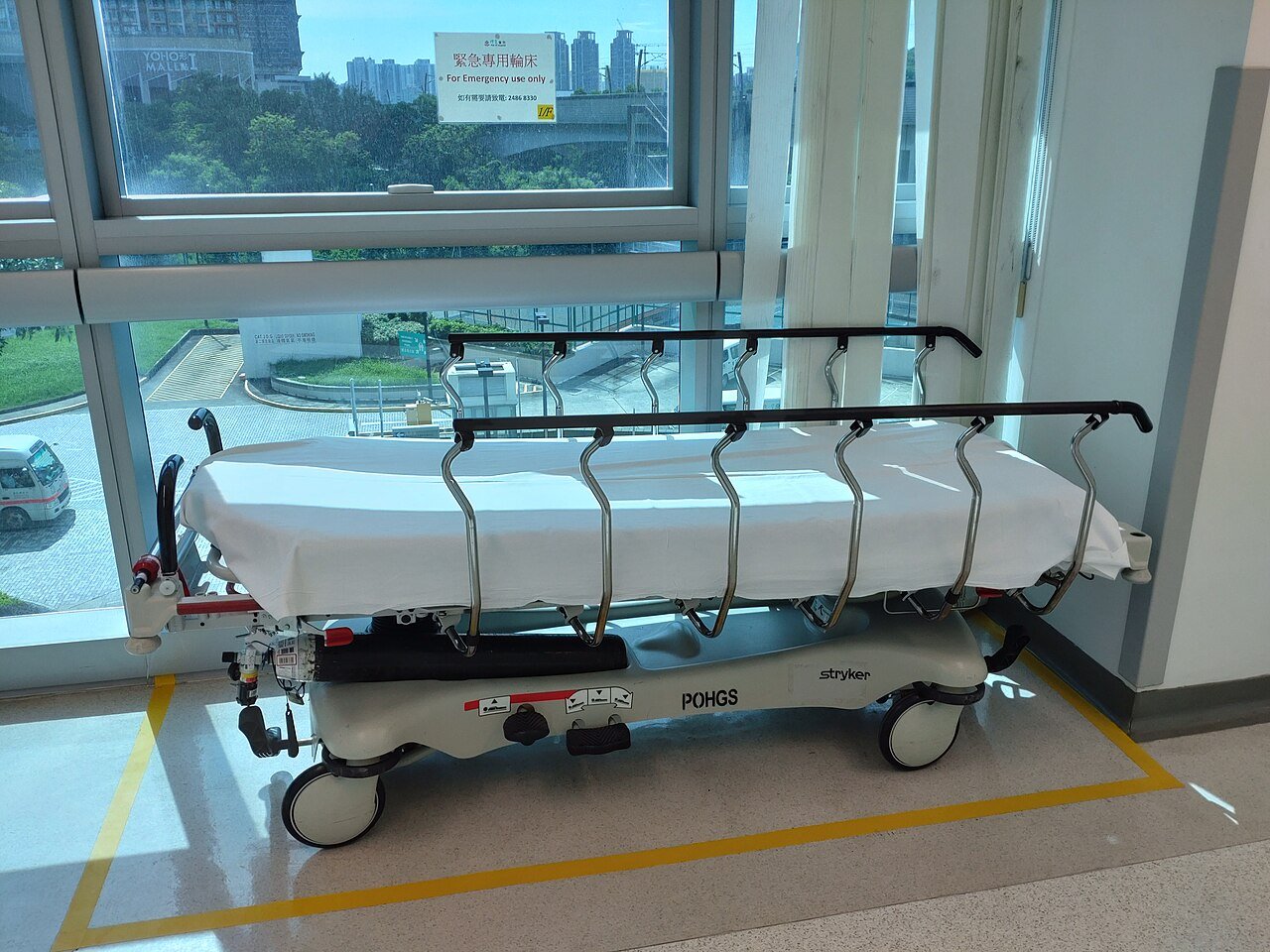
The second danger is entrapment. Through post-market surveillance, Medline received information about the risk of patients becoming trapped when using any bed accessories. The FDA says there is a potential risk of entrapment or asphyxiation if a Medline brand bed is used with any bed accessories, if a user lies on a pendant being used with the bed, or if the bed is used with loose or wobbly rails.
Entrapment in a hospital bed can kill quietly. A patient who slips into a gap between the mattress and a rail, or whose head or body becomes caught, may be unable to call for help — and if they cannot free themselves, they can suffocate. Medline has received reports of adverse events associated with this issue as well as with the fire hazard, and the reported deaths and injuries cover both risks.
The entrapment warning is a reminder that the danger is not only in the bed’s electrics. Side rails and accessories that are meant to keep patients safe can themselves become a hazard when they are loose, wrongly fitted, or used with equipment the bed was not designed for.
Two separate dangers — fire and entrapment — both capable of killing a patient who cannot move or call for help. That is why the recall covers everything, not just the electrical parts.
What Owners Must Do Now
On 24 October, Medline issued an updated customer notification that changed what owners should do. Beds covered by the original removal notice may remain in use under updated instructions until the bed is either repaired or replaced. The updated instructions are:
- Unplug the bed from the electrical outlet when it is not being used.
- Plug it in only while repositioning the patient, and unplug it again when not repositioning.
- Do not use extension cords to power the bed.
- Have a second person available to assist with the use and movement of the bed whenever possible.
- Do not attempt to repair, modify or alter a Medline brand bed unless specifically instructed to do so through a Medline-authorised repair process.
Medline is establishing two paths for affected products. Some beds may be eligible for repair; if a bed cannot be repaired, Medline will work with the customer on a replacement or a full or partial refund of the original purchase price. Repair, replacement or refund may be available for certain beds, rails, mattresses and accessories purchased in the last five years. Products bought more than five years ago are still covered by the field action and the updated safety instructions, even if no refund is available.
Customers who need to check their eligibility should contact the provider or distributor from which the product was purchased. Those who bought directly from Medline should call Medline Recall Customer Service on 1-800-950-0128, option 7, between 8 a.m. and 5 p.m. Central Time, Monday to Friday. Anyone who has suffered an adverse event should report it to Medline at QualityAssurance@medline.com or on 1-800-950-0128, option 5, and to the FDA’s MedWatch safety reporting programme.
A Market Exit, Not a Quick Fix
The scale of this action sets it apart from an ordinary recall. Medline has not simply corrected a part or issued new instructions for one model — it has discontinued its entire range of beds and announced it is leaving the market. For hospitals, care homes and families, that means finding replacement beds from other manufacturers, and for patients who cannot easily be moved, it means living with the updated safety instructions in the meantime.
The FDA issued its Early Alert on the issue on 29 October, describing it as a potentially high-risk device issue, and said it would keep the public informed and update its page as significant new information became available. The alert followed an earlier correction in February 2026, when Medline updated the use instructions for its electronic homecare beds.
The episode also exposes a wider problem in medical device safety: a product used by some of the most vulnerable patients — the elderly, the chronically ill, people recovering at home — can remain in use for years before a pattern of harm is recognised. The beds in this recall were produced over 15 years. The first public alert came in mid-October; within three weeks the reported death toll had more than tripled, from two to seven. That rise may reflect deaths that had already happened but were only then linked to the beds, as well as new reports coming in once the alert was public.
When the product at fault is the bed a vulnerable patient sleeps in every night, a slow response is itself a safety failure.
What Happens Next
Medline’s repair-or-replace programme is now the immediate priority for owners. The company says it will notify known purchasers and explain how to return products, and it has published the full list of affected products on its recall page. The FDA is reviewing information about the issue and has said it will update its alert as significant new information becomes available.
For anyone with a Medline bed at home or in a care facility, the advice is straightforward: check whether the bed is a Medline brand bed, follow the updated instructions — above all, keep it unplugged except when repositioning the patient — and contact the seller or Medline to start the repair, replacement or refund process. And for anyone who has experienced a problem with one of these beds, the FDA asks that it be reported through MedWatch, so that the full scale of the harm is recorded.
By The BNN Media
The Best News Network
News Beyond the Borders
Sources: US Food and Drug Administration, Early Alert — Medline Removes or Corrects All Medline Brand Beds and Accessories, published 29 October 2026; Fox 9 / MinnMix, “Medline updates recall on all bed-related products as reported deaths climb”, published 14 November 2026 (reporting Medline’s updated figures as of 8 November 2026). The figure of seven deaths and 35 serious injuries comes from Medline’s updated notice as reported by Fox 9; the FDA’s own alert, as published, records two deaths and 16 serious injuries as of 20 October 2026.