 By
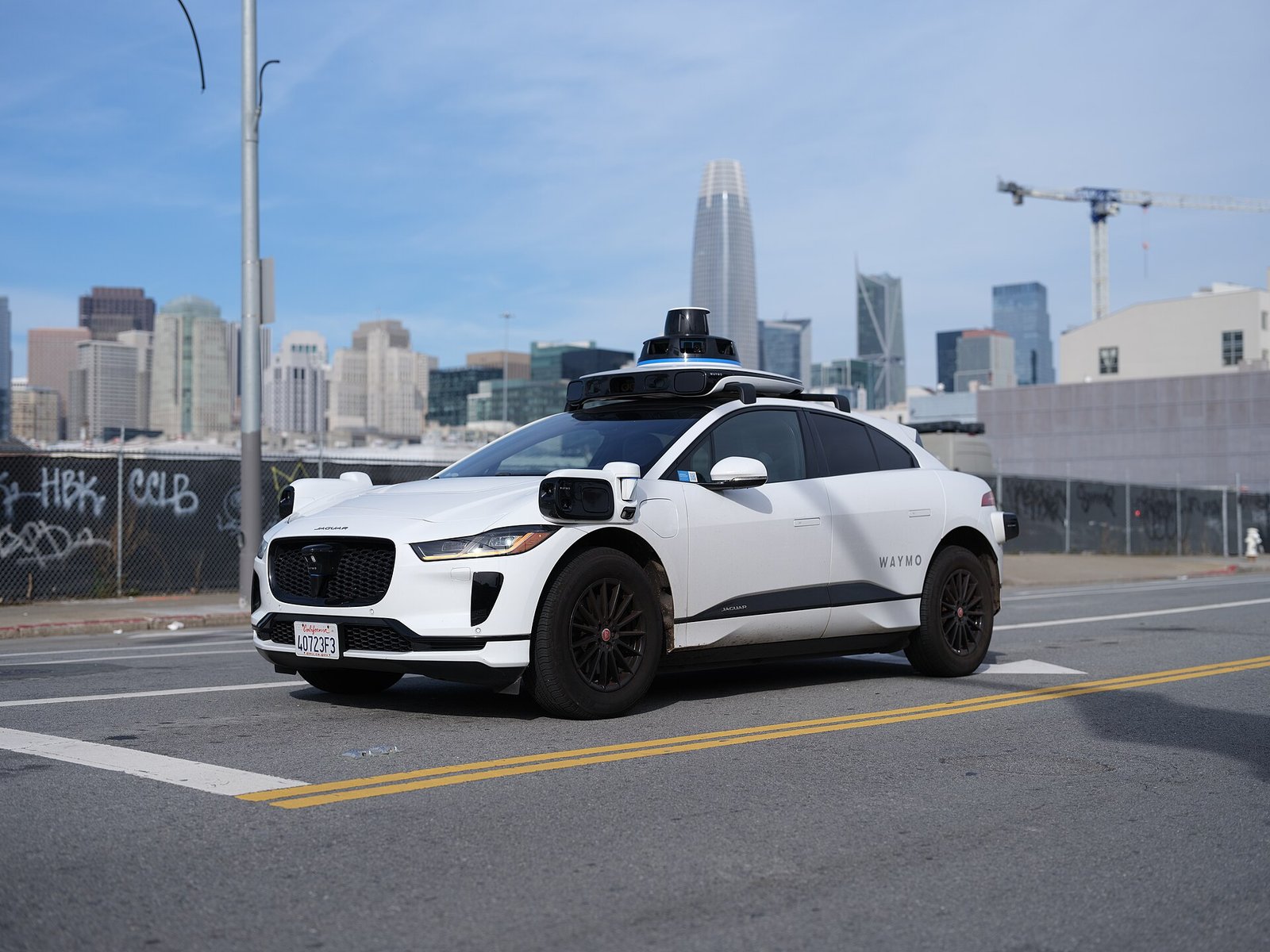
Waymo has suspended driverless taxi rides on freeways in every US market where it operates, after California’s motor vehicles department barred its robotaxis from the state’s freeways, saying they pose “an imminent hazard to public safety” after repeatedly driving into active construction zones.
By The BNN Media
The Best News Network
News Beyond the Borders
SAN FRANCISCO, United States — Waymo, the self-driving taxi company owned by Alphabet, has temporarily stopped carrying passengers on freeways across the United States, the company confirmed on Tuesday, 17 November. California’s Department of Motor Vehicles (DMV) had ordered Waymo’s driverless vehicles off the state’s freeways on 11 November, and Waymo then extended the pause to all of its markets while it reviews its performance. Its cars continue to operate on ordinary city streets.
The Order — and When It Became Public
The DMV, which regulates the testing and deployment of autonomous vehicles in California, issued its operational restrictions on 11 November. But the order was not made public until Tuesday, 17 November, when the San Francisco Business Times first reported it. The DMV then confirmed the restrictions to TechCrunch.
The order bars Waymo from operating or testing its driverless vehicles on all California freeways. It will remain in place until Waymo can demonstrate to the department that it has taken “effective corrective actions” to address the deficiencies behind it. No end date has been set.
Waymo said it had implemented the suspension the previous Wednesday, 11 November — the same day the DMV issued its order — and that it was continuing freeway testing with trained autonomous specialists behind the wheel.
A regulator’s order issued in private, revealed a week later, and a nationwide pause that followed within hours: the sequence shows how quickly a local safety finding can now ripple across an entire industry.
The Incidents That Triggered the Ban
The DMV said it acted after two recent incidents. On 5 November, three Waymo vehicles drove into an active construction closure on US Route 101 near Burlingame, south of San Francisco. The following day, a separate incident involved California Highway Patrol vehicles on Highway 280 in San Francisco.
In its statement, the department said it had determined that “Waymo’s driverless freeway operations pose an imminent hazard to public safety due to recurring incursions by its vehicles into active construction zones where construction workers, vehicles and equipment are present, despite a prior restriction and corrective actions implemented following similar incidents that occurred on May 18, 2026.”
Waymo said the recent freeway construction-zone encounters on US 101 did not involve any injuries or collisions. No injuries or collisions were reported in connection with either of the November incidents.
No one was hurt — but for a regulator, the pattern mattered more than the outcome. Cars that keep entering closed work zones, where people are standing, are treated as a danger whether or not anyone is hit.
The Second Time This Year
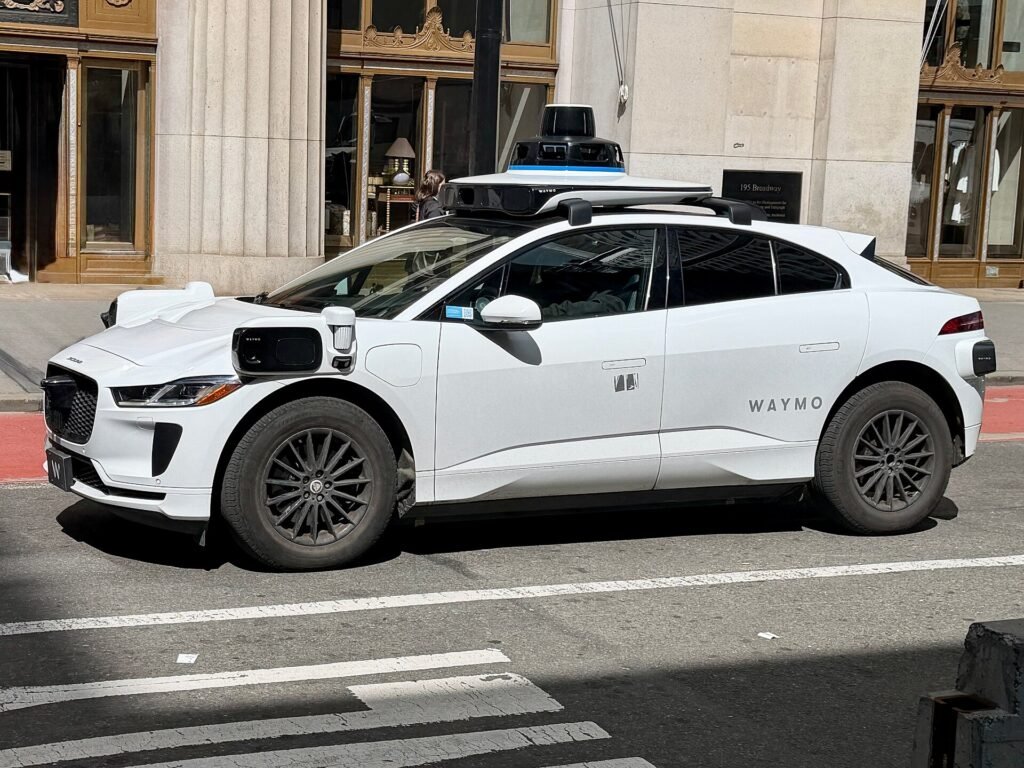
This is not the first time Waymo’s freeway operations have been halted in 2026. In May, the company abruptly stopped operating on highways in San Francisco without citing a specific reason at the time, after social media posts showed its robotaxis driving through traffic cones and struggling to navigate construction zones.
Waymo’s cars returned to freeways in July, after the company said it had updated its self-driving software to improve performance around freeway construction zones. The November incidents show that the fix did not hold: the DMV explicitly cited the May incidents in its finding, saying the incursions recurred “despite a prior restriction and corrective actions”.
Freeway driving has been central to Waymo’s expansion. The company began offering freeway rides in late 2025, a commercial milestone that let it connect riders to airports and other destinations far more quickly. In the San Francisco Bay Area, where its service area stretches from the city south to Silicon Valley, freeway access cut trips across the Peninsula that previously took 45 minutes or more.
What Is Paused — and What Is Not
The California order itself applies only to California. Waymo’s decision to pause freeway rides everywhere else was its own. “In alignment with our safety-first principles, we have also temporarily restricted freeway operations across our other operating markets to evaluate our performance,” spokesperson Dana Gallagher told TechCrunch.
Waymo currently operates commercially in 15 US cities, but it offered freeway rides in only five of its markets: the San Francisco Bay Area, Los Angeles County, Phoenix, Miami and Austin. Those rides are now paused in all five.
What continues:
- Street service — Waymo’s ride-hailing service keeps operating on surface streets in all 15 cities, serving more than half a million trips a week, according to the company.
- Freeway testing — Waymo continues to test on freeways with trained autonomous specialists behind the wheel, which the DMV order permits.
- No service change for most riders — for trips that never used a freeway, nothing changes.
“Safety is at the foundation of everything we do,” Gallagher said in a statement. “We are working with the California DMV and other state officials diligently and responsibly to resume freeway operations.”
Why This Matters for the Robotaxi Race
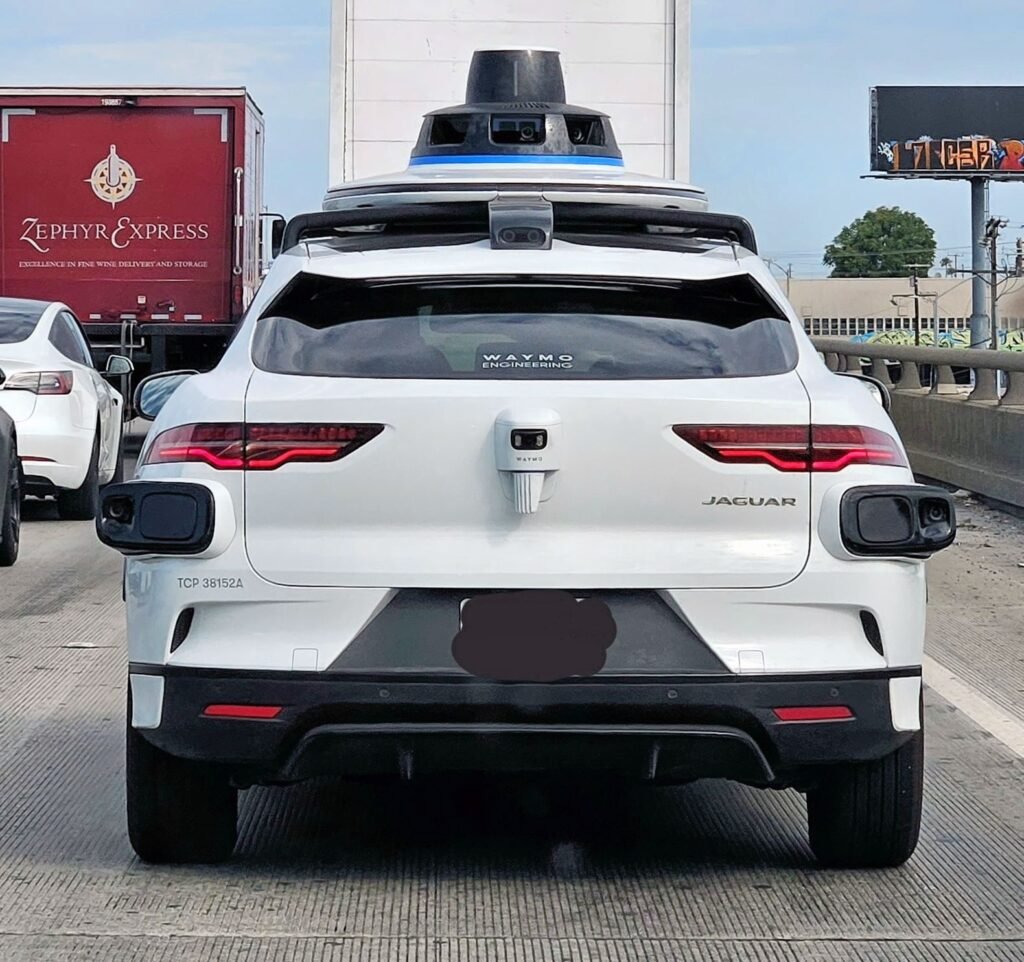
The suspension is a setback for Waymo, which has been pushing for rapid expansion in the US and other countries after years of slow and steady growth. Reuters noted that the pullback comes as competitors such as Tesla and Amazon’s Zoox make inroads into the robotaxi industry — and a safety-driven pause hands them an opening.
The US National Highway Traffic Safety Administration said it was in contact with the DMV and with Waymo and would take further action as appropriate, according to NBC News. That adds a federal track to what began as a state enforcement action.
For the wider self-driving industry, the episode is a reminder of how narrow the margin for error has become. Waymo is the most advanced robotaxi operator in the world, with hundreds of thousands of paid trips every week — and still, a handful of vehicles entering the wrong stretch of road was enough for a regulator to shut down an entire class of service.
The technology can drive a car across a city without a human at the wheel. What it has not yet proved — twice this year — is that it can reliably recognise a road that is closed.
What Happens Next
There is no timetable for a return to freeway service. The DMV has set a test, not a date: Waymo must demonstrate effective corrective action before the restriction is lifted. The company has not said how long its own nationwide pause will last, only that it is working to reopen the routes “quickly and safely”.
Until then, Waymo’s robotaxis will stay on the streets — and off the freeways.
By The BNN Media
The Best News Network
News Beyond the Borders
Sources: TechCrunch; Reuters; CNN; WCIA (AP).