 By
[ad_1]
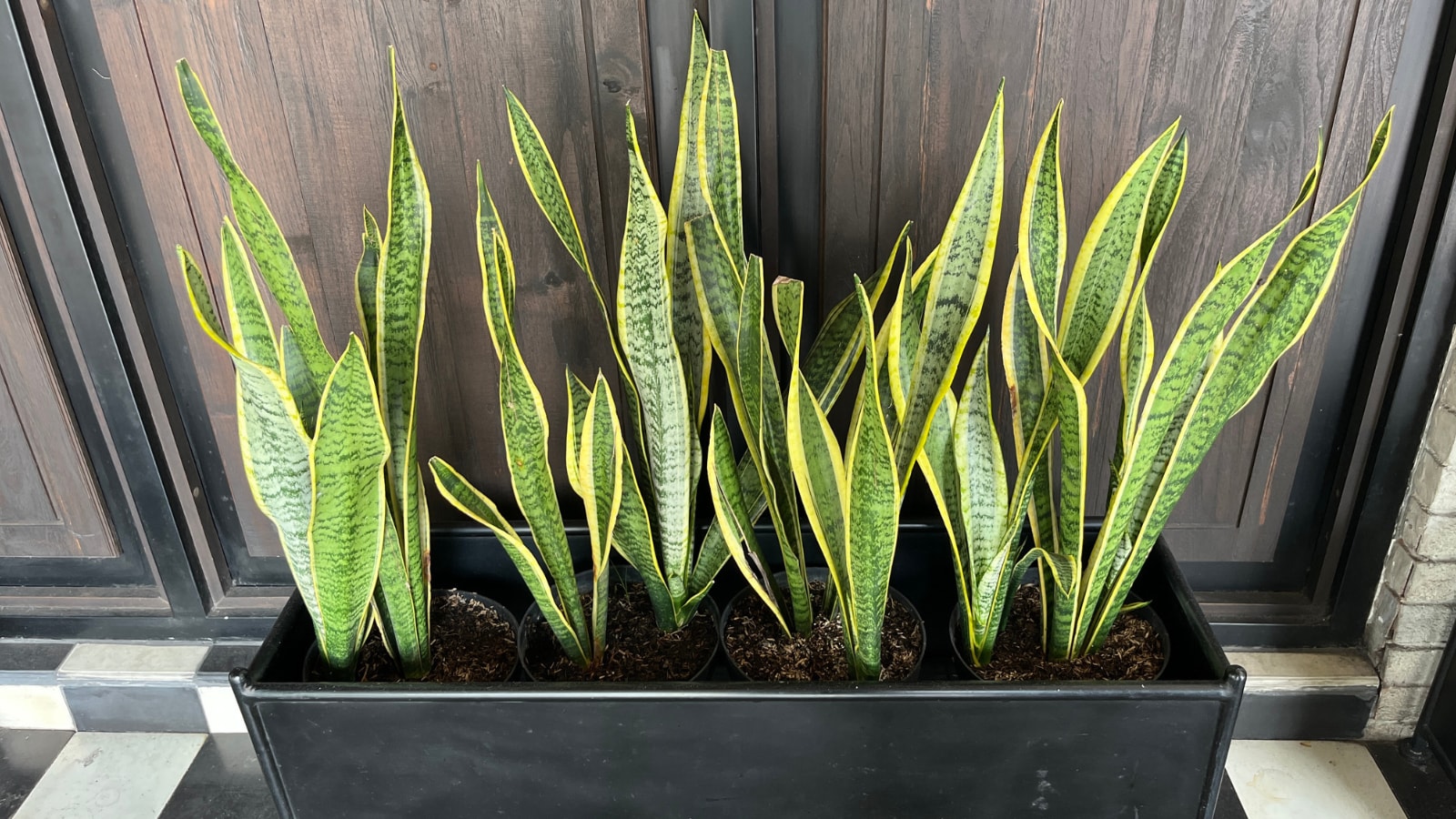
Snake Plant (Sansevieria): Nearly indestructible in chilly temperatures, this architectural succulent thrives on neglect and minimal winter sunlight. Unlike most houseplants, it releases oxygen at night while filtering benzene and formaldehyde, making it an ideal, low-maintenance companion for your bedroom. (File Photo)
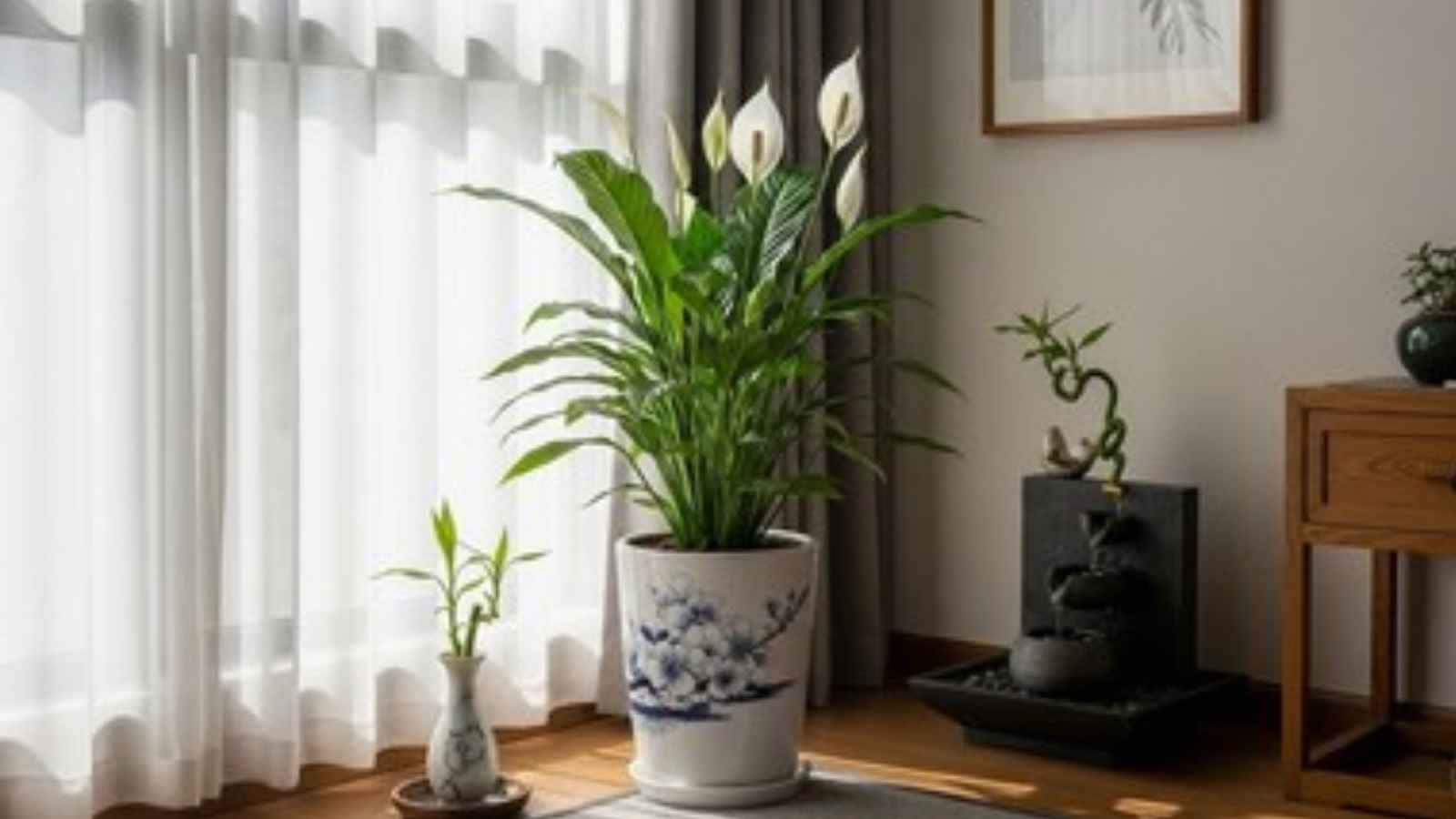
Peace Lily: Known for removing airborne mold spores and volatile organic compounds, the Peace Lily also boosts indoor humidity during dry winter months. Keep its soil slightly moist in medium, indirect light, and its glossy foliage will brighten gloomy days. (File Photo)
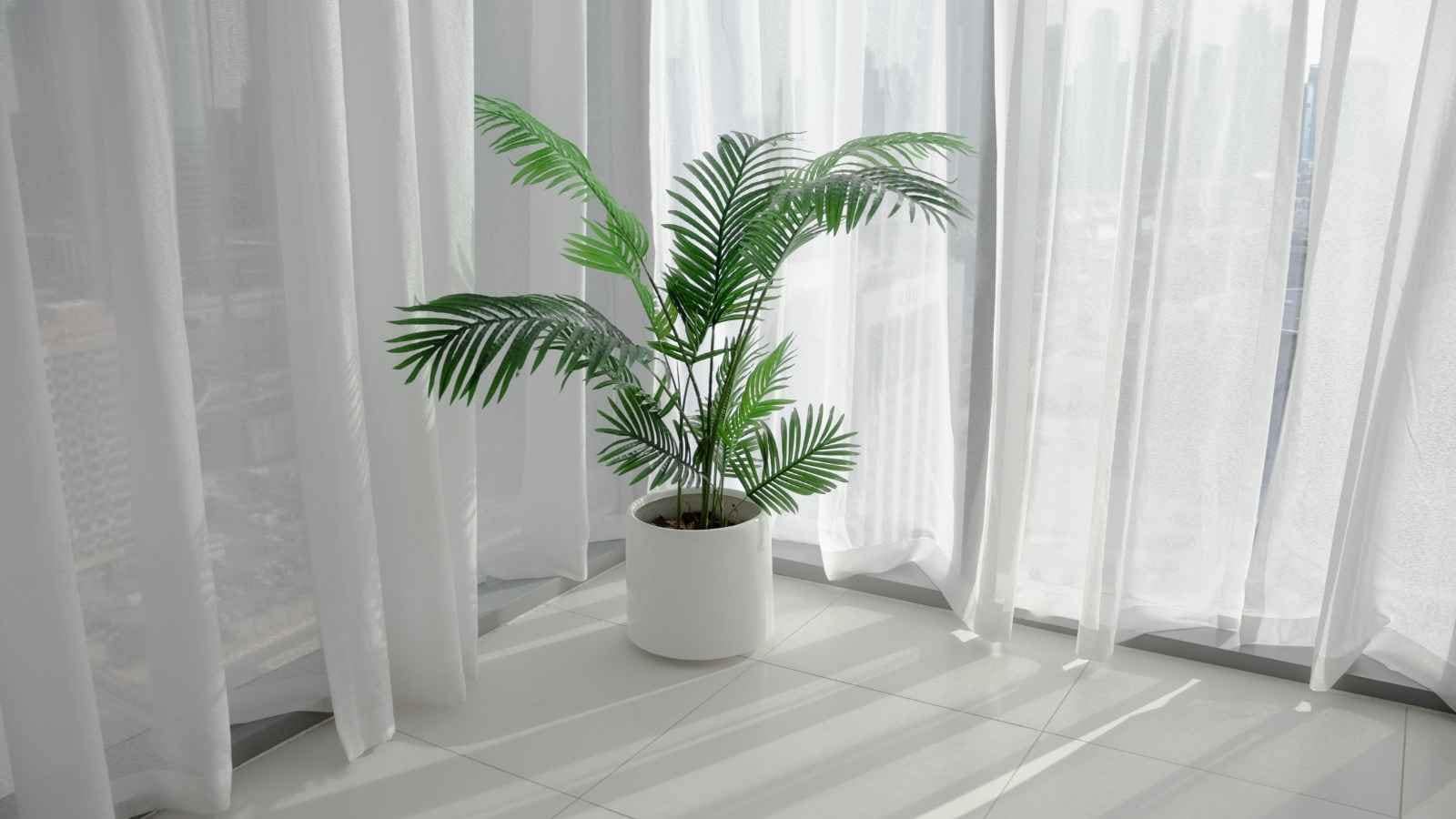
Areca Palm: Acting as a natural living humidifier, this lush tropical palm releases abundant moisture into parched, heated indoor spaces. It efficiently absorbs airborne toxins while adding a vibrant, refreshing green focal point to living rooms with bright, filtered light. (File Photo)
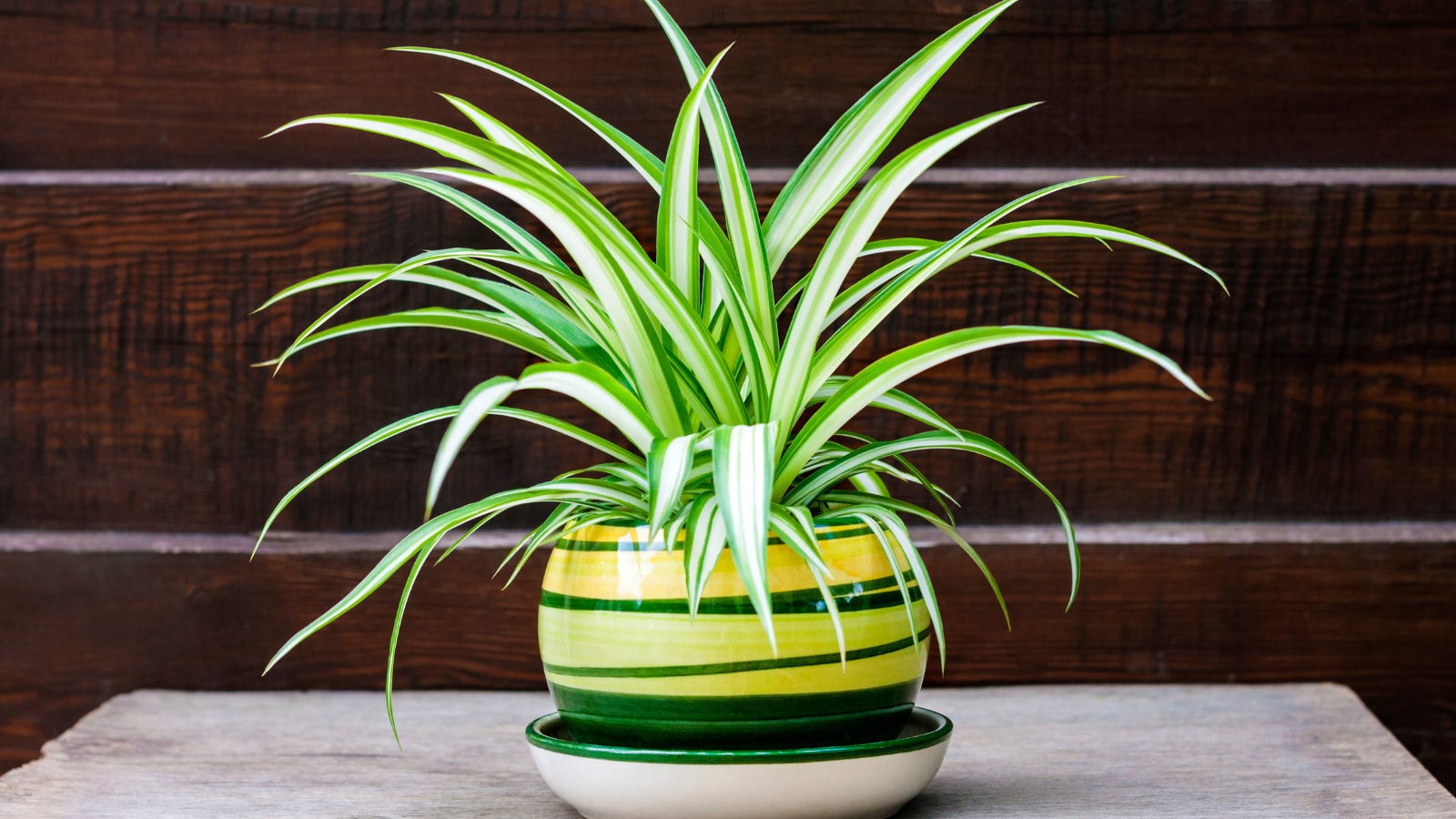
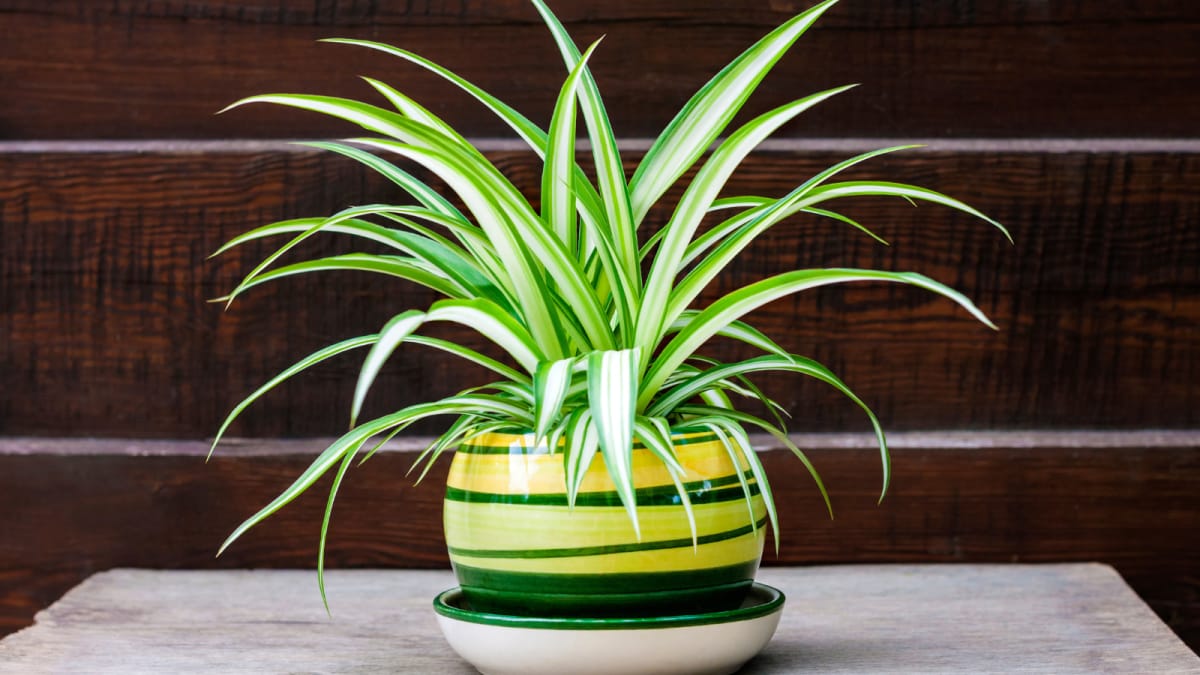
Spider Plant: Adaptable to cooler indoor drafts, the Spider Plant rapidly neutralizes carbon monoxide and xylene from indoor air. Its cascading variegated leaves look stunning in hanging baskets, and it requires minimal watering once winter temperatures drop across the region. (File Photo)
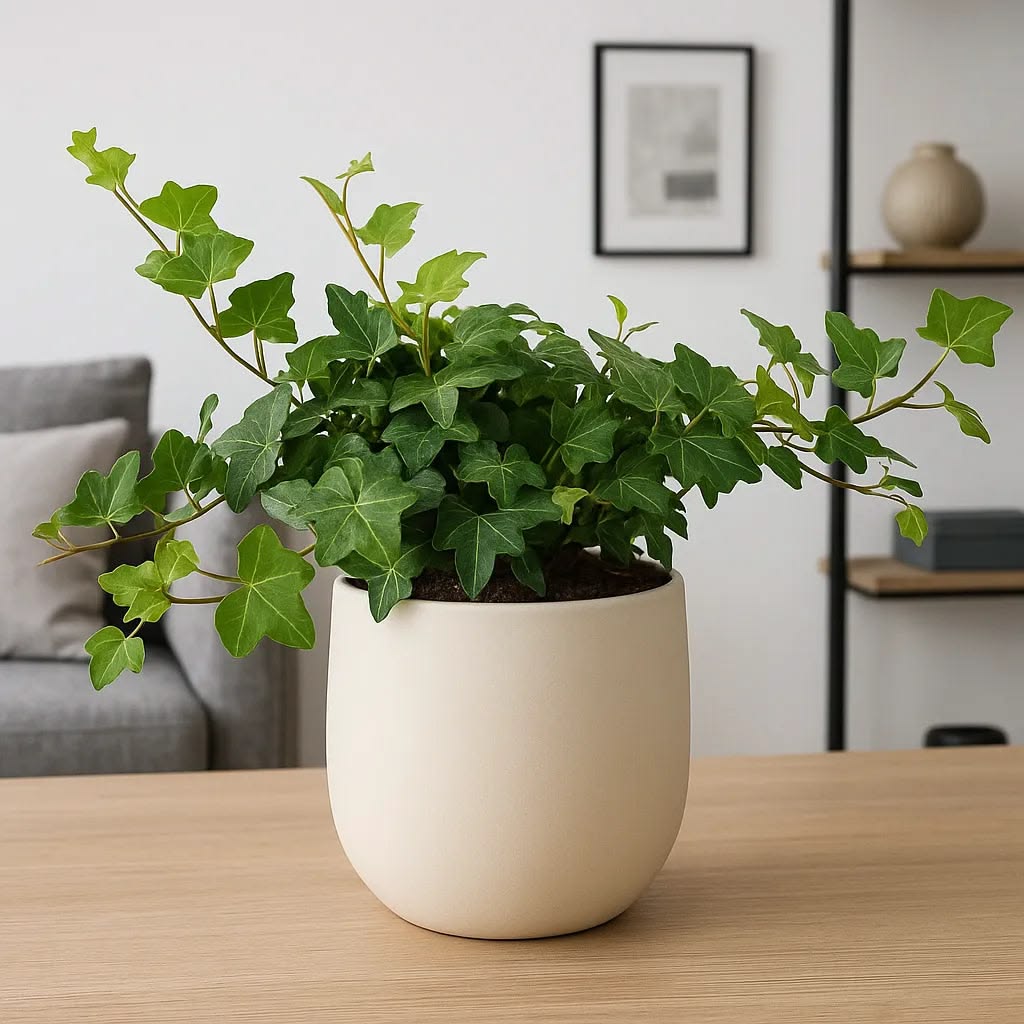
English Ivy: This classic trailing vine excels at reducing airborne fecal-matter particles and winter mold spores in damp areas like bathrooms. It prefers cooler indoor temperatures and bright, indirect light, effortlessly softening bookshelves and mantels with lush greenery. (File Photo)
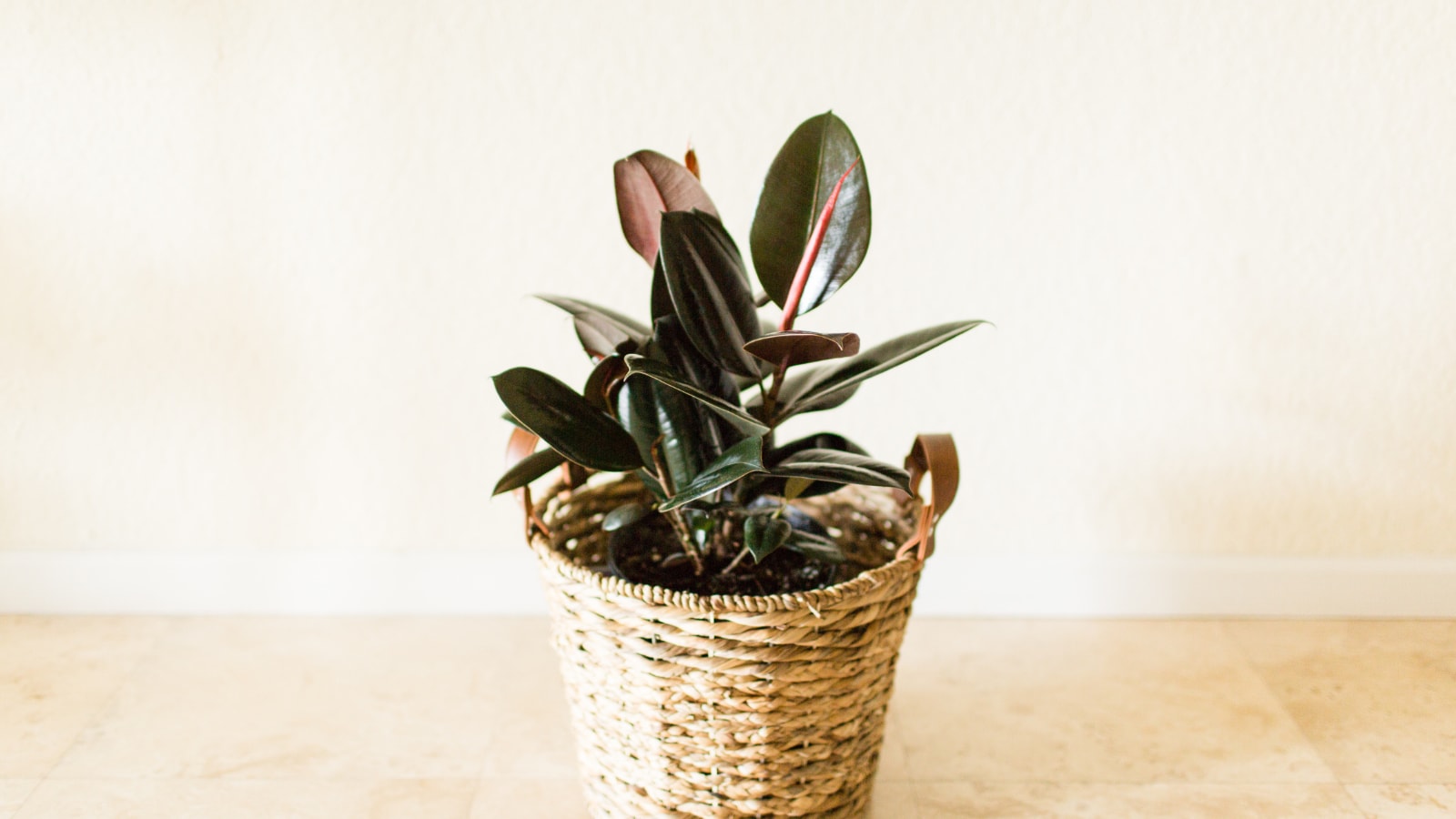
Rubber Plant: With its bold, dark burgundy leaves, the Rubber Plant absorbs lingering toxins and traps airborne dust particles on its broad foliage. Wipe its leaves weekly with a damp cloth, place it in filtered light, and water sparingly. (File Photo)
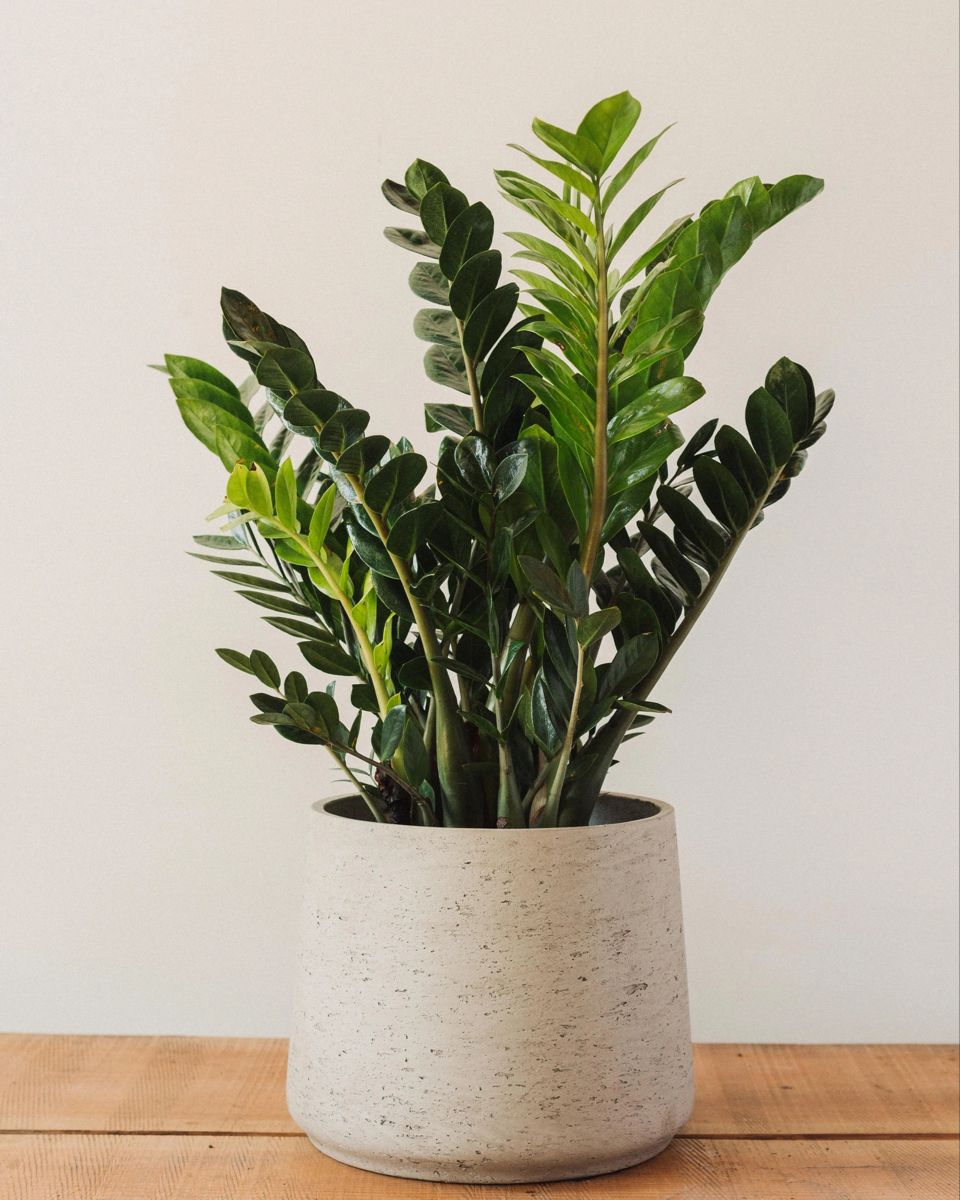
ZZ Plant: Built for dark winter corners, this glossy, drought-tolerant plant stores water in thick underground rhizomes. It survives weeks without watering, handles dry indoor air effortlessly, and steadily clears xylene and toluene from low-light bedrooms or home offices. (File Photo)
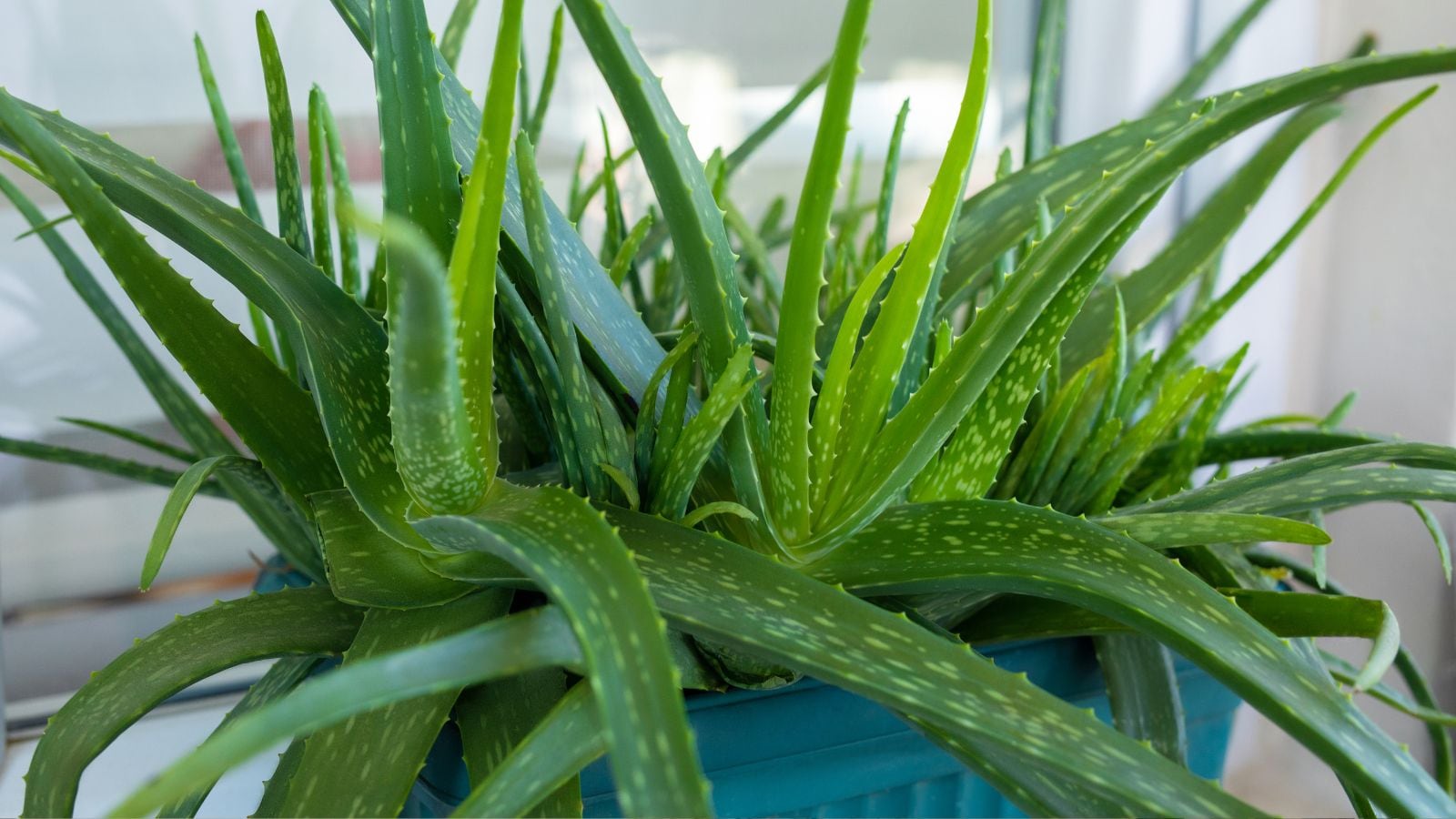
Aloe Vera: Placed on a sunny windowsill, Aloe Vera clears formaldehyde emitted by household cleaners while doubling as a soothing remedy for dry, chapped winter skin. Let its soil dry completely between waterings to prevent root rot in colder months. (File Photo)
[ad_2]
Source link