 By
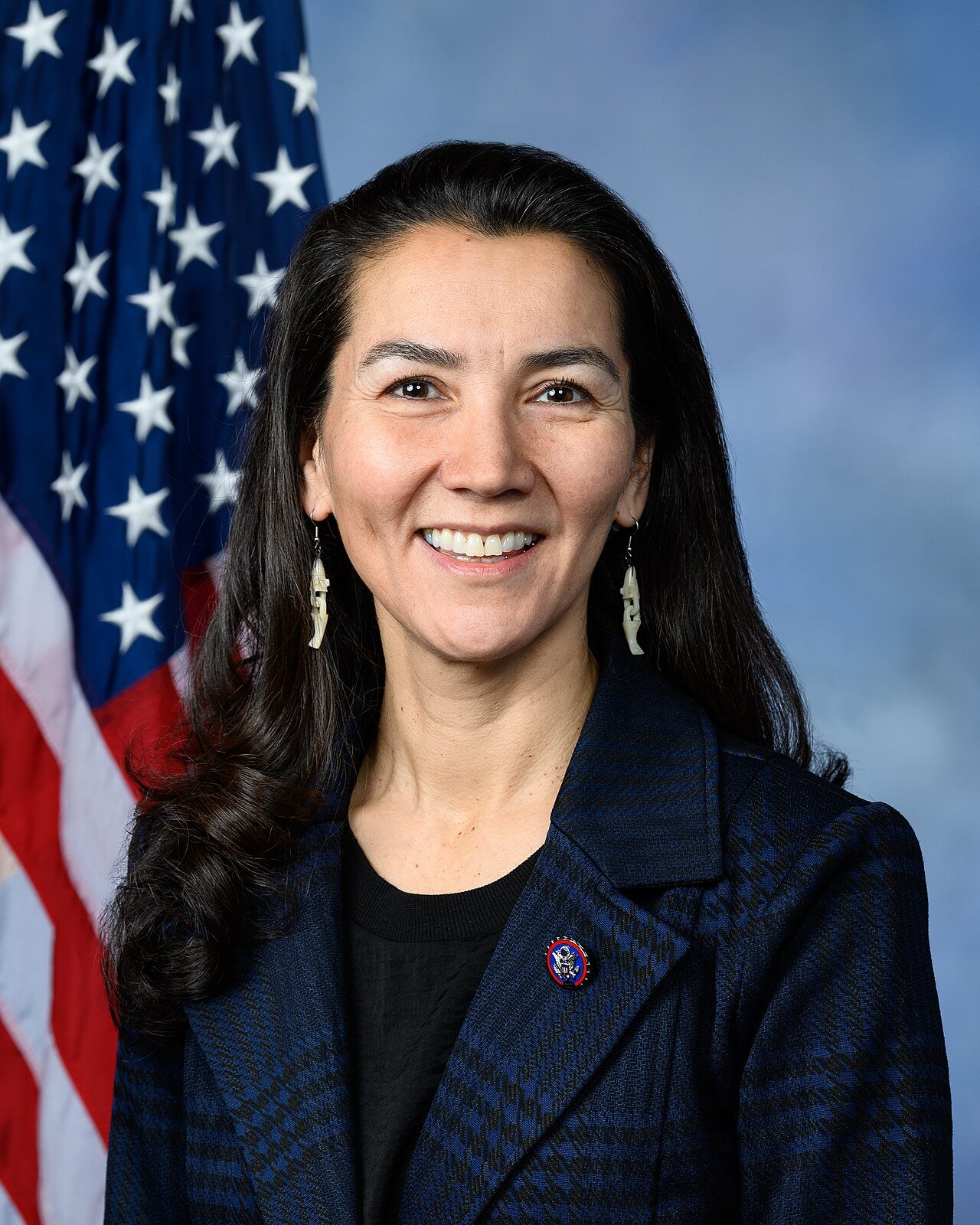
It was the last race left to call, and it took two weeks. When the count finally settled on Tuesday night, Alaska had done something it had not done in nearly twenty years: it had sent a Democrat to the United States Senate — and, for the first time ever, an Alaska Native.
By Shoaib Khan
Chief Journalist | The BNN Media – The Best News Network
News Beyond the Borders
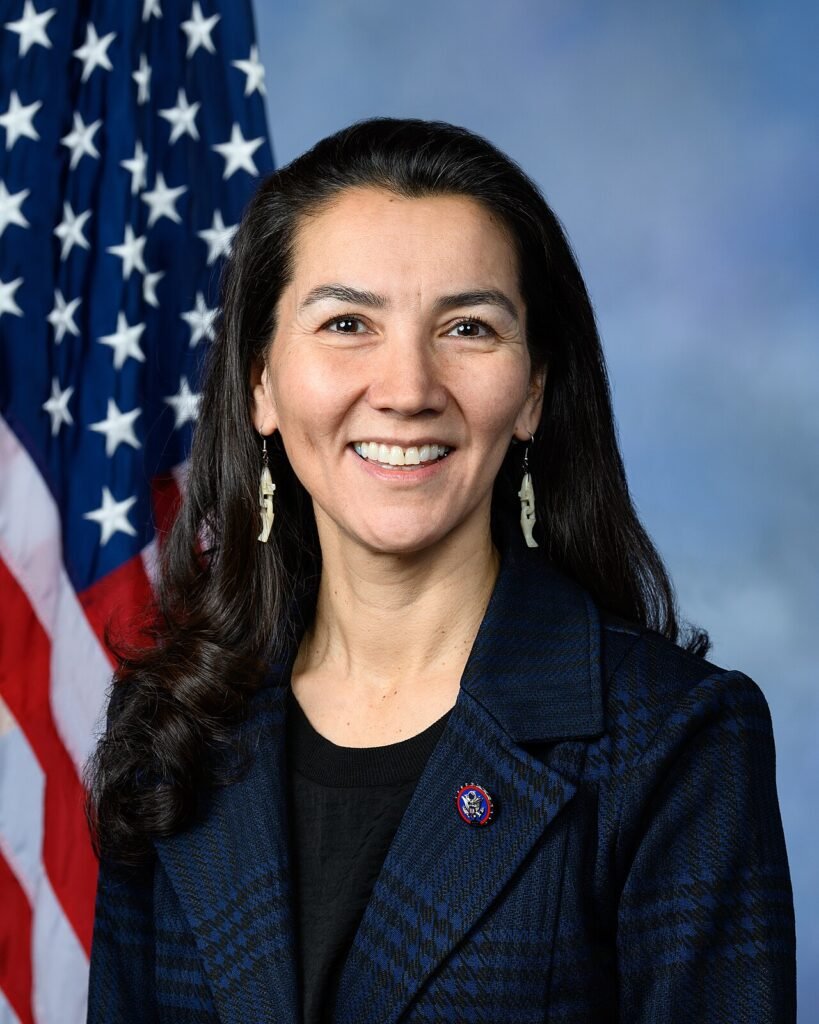
WASHINGTON, United States — Democrat Mary Peltola has won Alaska’s US Senate race, defeating Republican incumbent Dan Sullivan and giving her party its ninth flip of the midterm elections and a commanding 56–44 majority in the Senate. The Associated Press called the race on Tuesday evening, 17 November, two weeks after voters went to the polls on 3 November. Peltola won 50.1 per cent of first-preference votes to Sullivan’s 45.8 per cent — enough to clear the 50 per cent threshold and win outright under Alaska’s ranked-choice voting system.
The Final Race Falls
The Alaska contest was the last uncalled Senate race of the 2026 midterms, and its result completes the picture of the new Congress. With about 99 per cent of ballots counted, Peltola led Sullivan by 12,458 votes — about 4.3 percentage points — out of 287,896 ballots counted, according to the figures available at the time of the AP call. Her 144,302 votes were more than the three other candidates combined.
The result is not yet the certified final total: the Alaska Division of Elections continues to publish the authoritative state returns, which remain labelled unofficial until certification, with 25 November 2026 listed as the target date. But the projections from US media, and the AP call itself, leave the outcome in no doubt.
“It’s official: 56 Democratic Senate seats!” her campaign posted after the call.
After two weeks of counting, the last piece of the midterm puzzle is in place — and it is the piece that gives Democrats their biggest Senate majority in seventeen years.
How Ranked-Choice Voting Decided It
Alaska’s system asks voters to rank the candidates in order of preference. If no one wins more than half the first-preference votes, the candidate with the fewest votes is eliminated and their supporters’ second choices are redistributed, round by round, until someone passes 50 per cent.
Peltola never needed a second round. Her 50.1 per cent of first-preference votes cleared the threshold on the first count, so no ranked-choice tally was required. Sullivan took 45.8 per cent. The other candidates on the ballot — Republican Gerald Heikes with 2.1 per cent and Daniel J. Sullivan with 1.7 per cent — were far behind.
That first-round majority matters for more than arithmetic. It means there is no argument about how second preferences might have fallen, and no recount of redistributed ballots to wait for. The voters’ first choice was decisive.
A Historic First
Peltola, 53, who made a living in the commercial fishing industry before entering politics, becomes the first Alaska Native ever to serve in the US Senate. She is Yup’ik, and her victory was greeted across Indian Country as a landmark: Buffalo’s Fire called it “a powerful moment for Indian Country”.
She will join Minnesota’s Peggy Flanagan in being the first two Native women in the chamber. The new Congress will have seven Native members in total, the report noted.
She is also the first Democrat to win a US Senate seat in Alaska in nearly 20 years — since Mark Begich won in 2008. Peltola previously served as Alaska’s sole member of the US House of Representatives from 2022 to 2025, so she arrives in the Senate knowing Washington — but this time with six years ahead of her instead of two.
The Ninth Flip — and a 56–44 Senate
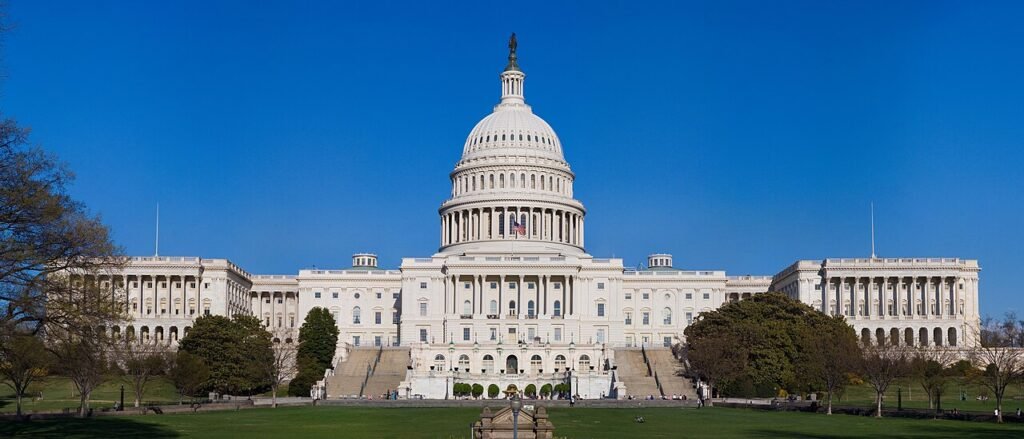
Peltola’s win is the Democrats’ ninth gain of a Republican-held Senate seat in this election cycle, completing a midterm sweep that has stunned the party that held the chamber. The projected balance for the new Congress is 56 seats for the Democratic caucus and 44 for the Republicans — the party’s largest Senate majority since 2009.
Combined with securing control of the House of Representatives, the result sets up two years of possible deadlock between Congress and Republican President Donald Trump, Reuters reported. A Democratic Congress and a Republican White House will have to agree on spending, on legislation and on confirmations — or agree on nothing at all.
The scale of the shift is the story of this election. Nine Republican incumbents or Republican-held seats lost, including in states long considered conservative ground. Alaska, a state that has voted Republican in presidential elections for decades, has now sent a Democrat to the Senate for the first time in a generation.
Nine flips, a 56–44 majority and control of both chambers: the midterms have redrawn the map of American power.
The Fight Over the Result
The race was fought in the shadow of an extraordinary legal battle. In October, the US Justice Department sued to stop Alaska from certifying the result if Sullivan lost — a suit President Trump said he had ordered. The department has also confirmed a criminal investigation tied to the third candidate, Daniel J. Sullivan, after a New York Times report that members of Peltola’s team helped recruit him to draw votes from the incumbent, whose name he shares.
Both the Times report and the investigation remain allegations, not findings. The Justice Department says its investigation goes on, and the civil case continues through the appeals process. It is still unknown when Alaska will certify the result, and whether the appeals court will act on the Justice Department’s appeal before then.
None of that changes the count. Peltola’s margin — more than 12,000 votes, with her total above the combined total of all three rivals — is not a margin that a court challenge to the certification process can erase. But the dispute means her first weeks as senator-elect will be watched as closely as her campaign was.
Who Is Mary Peltola
Peltola’s path to the Senate runs through the water, not through Washington. Before entering politics she worked in Alaska’s commercial fishing industry, and she has built her public life around the state’s fisheries, its Native communities and its rural villages — the places that national politics rarely reaches.
She is 53, a mother and grandmother, and a Yup’ik Alaska Native from the Yukon-Kuskokwim Delta region. Her campaign leaned on that biography: a working Alaskan, not a career politician, running on the issues that decide life in the state — fish, fuel, freight and the cost of living in communities reachable only by plane or boat.
That biography also explains the shape of her win. She carried her vote across a state where Democrats are outnumbered, by winning first-preference votes outright rather than depending on second choices — a result that suggests her support was broad, not merely the product of a voting system.
What Happens Next
The new Congress convenes in January. Between now and then, Alaska’s Division of Elections will work towards certification, targeted for 25 November, and the courts will decide what happens to the Justice Department’s challenge.
For Democrats, the majority changes what is possible: control of the Senate’s committees, control of the floor schedule, and a say over the judges and officials the president nominates. For Republicans, the loss of Alaska — the ninth seat to fall — will prompt a reckoning about a midterm campaign that went wrong in places they thought were safe.
For Peltola herself, the work starts with a first that no one can take from her. When she takes her seat, she will be the first Alaska Native to do so in the 237-year history of the United States Senate.
Alaska waited two weeks for a result, and nearly twenty years for a Democrat. It got both on the same night.
By Shoaib Khan
Chief Journalist | The BNN Media – The Best News Network
News Beyond the Borders