By
On Friday, America’s skies stopped. On Sunday, the president demanded $50 billion to fix the system that stopped them. On Tuesday, his own transportation secretary has to persuade a sceptical Congress to pay.
By Shoaib Khan
Chief Journalist | The BNN Media – The Best News Network
News Beyond the Borders
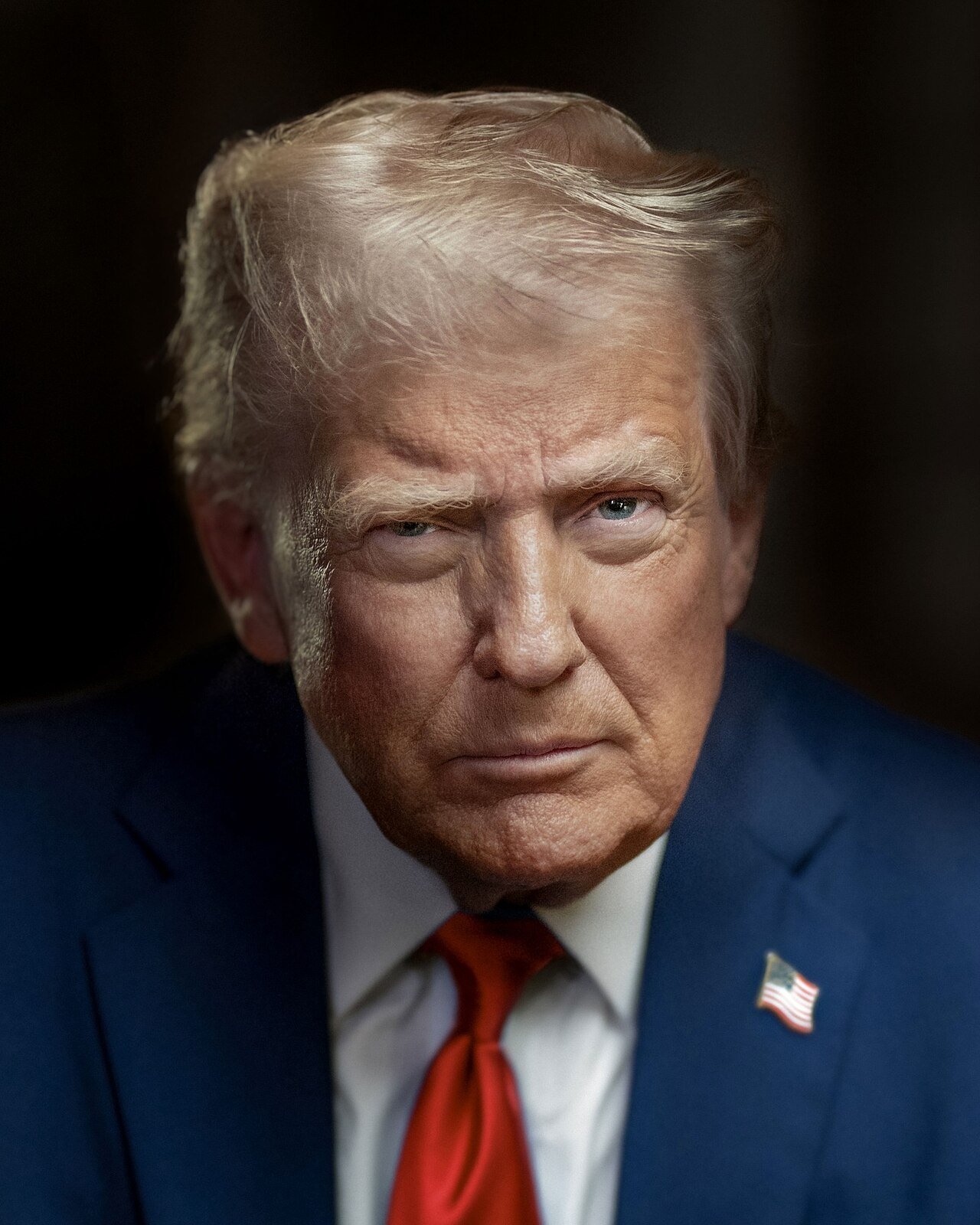
WASHINGTON, United States — President Donald Trump has called on Congress to swiftly approve funding for a major overhaul of the United States air traffic control system, in a Truth Social post on Sunday, 15 November, calling much of the system “50 years old” and saying it should be rebuilt in one large package rather than in “drips and drabs” — after a nationwide ground stop on Friday, 13 November suspended nearly all departing flights for several hours.
The Call from the President
Trump had been unusually quiet about Friday’s chaos over the weekend, but his Sunday post put the White House squarely behind a huge new funding demand. In his first on-camera comments about the situation on Monday, 16 November, he blamed the Biden administration for mishandling funds and delaying improvements, and described Friday’s failure as the result of “very, very old equipment that had a heart attack”.
“We essentially want to blow it up and put new in, and we can do it simultaneously with very little trouble,” he said on Monday — a promise to replace the system wholesale, rather than repair it piece by piece.
The president’s message is simple: the system is ancient, the failure proved it, and Congress should pay to replace it now. The argument in Washington is about everything that message leaves out.
Friday’s Ground Stop
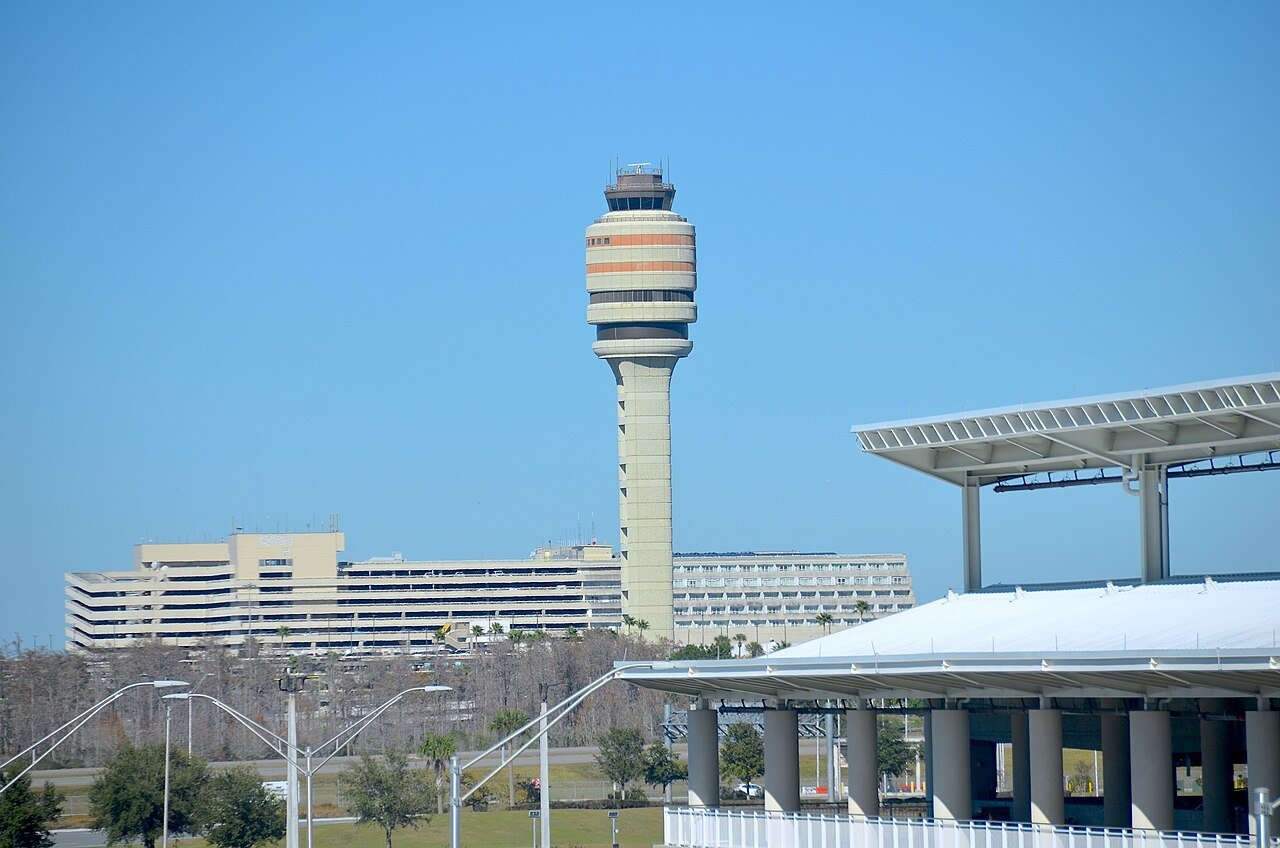
The failure that prompted the demand was the worst of its kind in a quarter of a century. On Friday, 13 November, the Federal Aviation Administration (FAA) imposed a nationwide ground stop — the longest in 25 years — after intermittent communications and radar failures in the air traffic control network. Nearly all departing flights were suspended for several hours, and the disruption cascaded across the weekend.
The suspected cause was a single router installed during routine maintenance at a facility in El Dorado, Arkansas, as part of an ongoing effort to replace old copper wire with fibre-optic cable. According to Transportation Secretary Sean Duffy, the work flooded the wider network with data and overwhelmed it — meaning the failure appears to have been caused by the very act of modernising the system.
The human cost was enormous. More than 18,000 flights were cancelled over three days, nearly 28,000 flights were delayed, and more than a million passengers were stranded on Friday alone, according to CNN. Air travel largely returned to normal on Monday, 16 November, although the recovery was briefly marred by a separate United Airlines technology outage that delayed 645 flights and cancelled 25 on Monday, according to FlightAware. Duffy has estimated the economic impact of the broader disruptions in the billions of dollars.

The $50 Billion Ask
The funding demand escalated as fast as the crisis. Duffy had spent months pitching an initial request of around $30 billion — itself up from about $20 billion sought after the first tranche of modernisation money was described as a “down payment”. On Friday, 13 November, hours after the ground stop began, he raised the request to $50 billion, without detailing where the extra money would go.
Duffy was due to submit an itemised request to Congress on Monday, 16 November. As of Monday, however, he had not released comprehensive details on how the $50 billion would be spent — a gap his critics have seized on. He is expected to attend the Senate Republicans’ weekly lunch today, Tuesday, 17 November, to press the case in person, and Transportation Department and FAA staff will brief congressional staffers about the request this week.
Even Republicans are sceptical. Senate Majority Leader John Thune said on Monday that Congress needs “some explanations” from Duffy before approving more money. Senator John Cornyn of Texas was blunter: “I think it’s highly unlikely that Congress is just going to write a check for $50 billion just because he says so.”
The $12.5 Billion Already There
The hardest question Duffy faces is not about the new money — it is about the old money. Congress has already given the Trump administration more than $14 billion for FAA modernisation since the president returned to office, most of it $12.5 billion appropriated in July 2025 as part of his major spending and policy bill.
Democrats say only about $4 billion of that $12.5 billion has been spent or committed, and the Transportation Department says plans for much of it are finalised. The figures behind that argument are stark. Thune himself said on Monday that only $4 billion had been spent and about $8 billion was “still sitting around”. Data shared with CNN showed that, as of June, the agency had spent only $474.9 million of the $12.5 billion — and of $1.9 billion appropriated specifically to build a new air traffic control centre, none had been spent by June. Only $309 million of $4.75 billion set aside for telecommunications infrastructure had been spent by then.
Duffy’s defence is that the money is committed, not lost. He has said the department has no money in the $12.5 billion that it can use for a new telecoms architecture — “I can’t build new software to manage our airplanes in the airspace because it dates back to the 1990s” — and that all of the $12.5 billion will be spent and deployed by the end of 2028. He has also noted that only part of the earlier $30 billion request — about $12 billion — was for air traffic modernisation itself, with the remainder for airport-related projects.
Both sides can be right at once: the money can be planned and still unspent, and a system can be both funded on paper and failing in the air. That is the gap Duffy has to close in the Senate lunch today.
The Blame Game
The administration’s response has been to point the finger — at Congress for not funding modernisation fully, and at the Biden administration for the state of the system it inherited. Duffy and Homeland Security Secretary Markwayne Mullin began that argument at a press conference late on Friday night, hours after the ground stop began, saying the system was outdated and had not been a priority for Congress.
Democrats have answered that the administration has had the money and has not spent it, and that it has not said where $8 billion of it will go. The exchange has produced friendly fire as well as partisan fire: the administration’s complaints about Congress land on a Congress its own party still controls, and the finger-pointing has, as CNN put it, ended up implicating the Republicans themselves.
A September audit by the Government Accountability Office (GAO) adds weight to the sceptics’ case. It found that the FAA has no comprehensive, well-documented estimate of what the overhaul will cost — the basic number any Congress would need before approving tens of billions more.
What Happens Next
- Today, Tuesday 17 November: Duffy attends the Senate Republicans’ weekly lunch to make the case for the $50 billion request.
- This week: Transportation Department and FAA staff brief congressional staffers on the funding request; the itemised request Duffy was due to submit on Monday has not yet been released in full.
- The money already approved: $12.5 billion (July 2025) — Democrats and Thune say only about $4 billion spent; Duffy says all of it will be spent and deployed by the end of 2028.
- The cost question: the GAO’s September audit found no comprehensive, well-documented estimate of the overhaul’s cost.
- The politics: the request lands in a lame-duck Congress, with government funding due to run out on 11 December and Democrats due to take control of Congress in January — and with Thanksgiving, the busiest travel period of the year, looming.
Whether Congress writes the cheque, and how large it is, will be decided in the weeks before Christmas — against the memory of a Friday when the system stopped, and the knowledge that it could stop again.
Friday proved the system can fail without warning. The fight now is not over whether it needs replacing — almost no one in Washington disputes that — but over who pays, how much, and who is believed when they say the last lot of money was spent wisely.
By Shoaib Khan
Chief Journalist | The BNN Media – The Best News Network
News Beyond the Borders