By
FIFA has appointed a five-member Normalisation Committee — led by lawyer Sampson Ebomhe and including former Super Eagles striker Daniel Amokachi — to run the Nigeria Football Federation, reform its governance and organise fresh elections, after the federation’s leadership resigned en masse in August.
By The BNN Media
The Best News Network
News Beyond the Borders
ABUJA, Nigeria — FIFA has appointed a five-member Normalisation Committee to oversee the affairs of the Nigeria Football Federation (NFF), world football’s governing body confirmed in a letter dated Wednesday, 18 November 2026. The committee, chaired by lawyer Sampson Ebomhe, will manage the federation’s day-to-day operations, implement governance reforms and oversee the process leading to fresh elections, with its mandate running until no later than 31 May 2027.
The Five in Charge
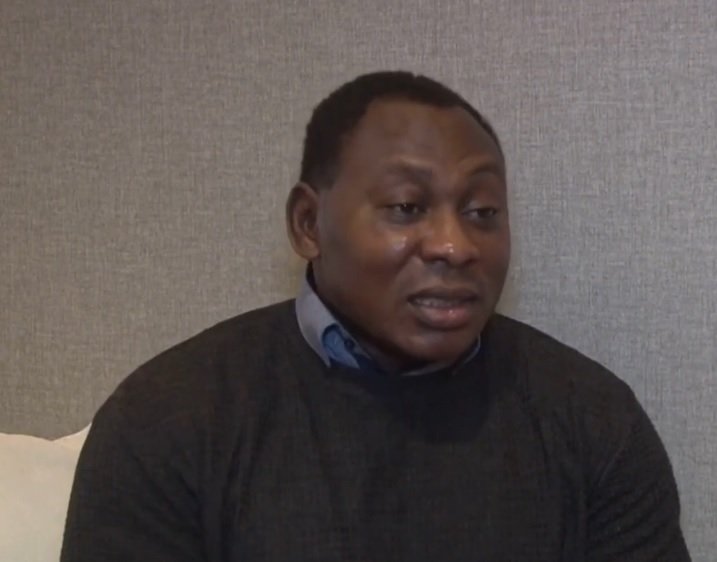
The appointments were communicated in a letter addressed to NFF Deputy General Secretary Emmanuel Ikpeme, signed on behalf of FIFA by Elkhan Mammadov, FIFA’s Chief Member Associations Officer. The five members are:
- Sampson Ebomhe (chairman) — lawyer and former chairman of the NFF Electoral Committee
- Dr Joe Abah — governance and public service reform expert
- Godwin Enakhena — sports journalist and football administrator
- Amina Yerima — member
- Daniel Amokachi — former Super Eagles striker
The appointments follow a decision by the Bureau of the FIFA Council on 22 October to intervene in the administration of Nigerian football, taken after consultations with the Confederation of African Football (CAF).
The committee members assume their responsibilities with immediate effect, although their appointments remain subject to eligibility checks by the FIFA Review Committee under the organisation’s Governance Regulations. FIFA also said its administration, in consultation with CAF, reserves the right to revoke the mandate of any committee member or appoint additional members at any time.
A lawyer, a governance expert, a journalist-administrator and a former international striker: FIFA has chosen a committee that mixes football, law and reform.
What the Committee Must Do
The committee’s mandate is to run the NFF’s affairs, address its governance and administrative challenges, and oversee the transition to a new elected leadership. That includes reviewing the federation’s statutes to strengthen stakeholder representation, promote inclusiveness and reduce the size of the NFF Executive Committee.
FIFA has attached a firm condition to the appointments: none of the five members will be eligible to contest any of the positions to be filled in the forthcoming NFF elections — under any circumstances, including if their mandate is revoked or they resign from the committee. The rule is designed to ensure the caretakers cannot use the transition to entrench themselves in the leadership they are supposed to renew.
The mandate will expire once the committee completes its assigned tasks, but no later than 31 May 2027.
How Nigerian Football Reached This Point
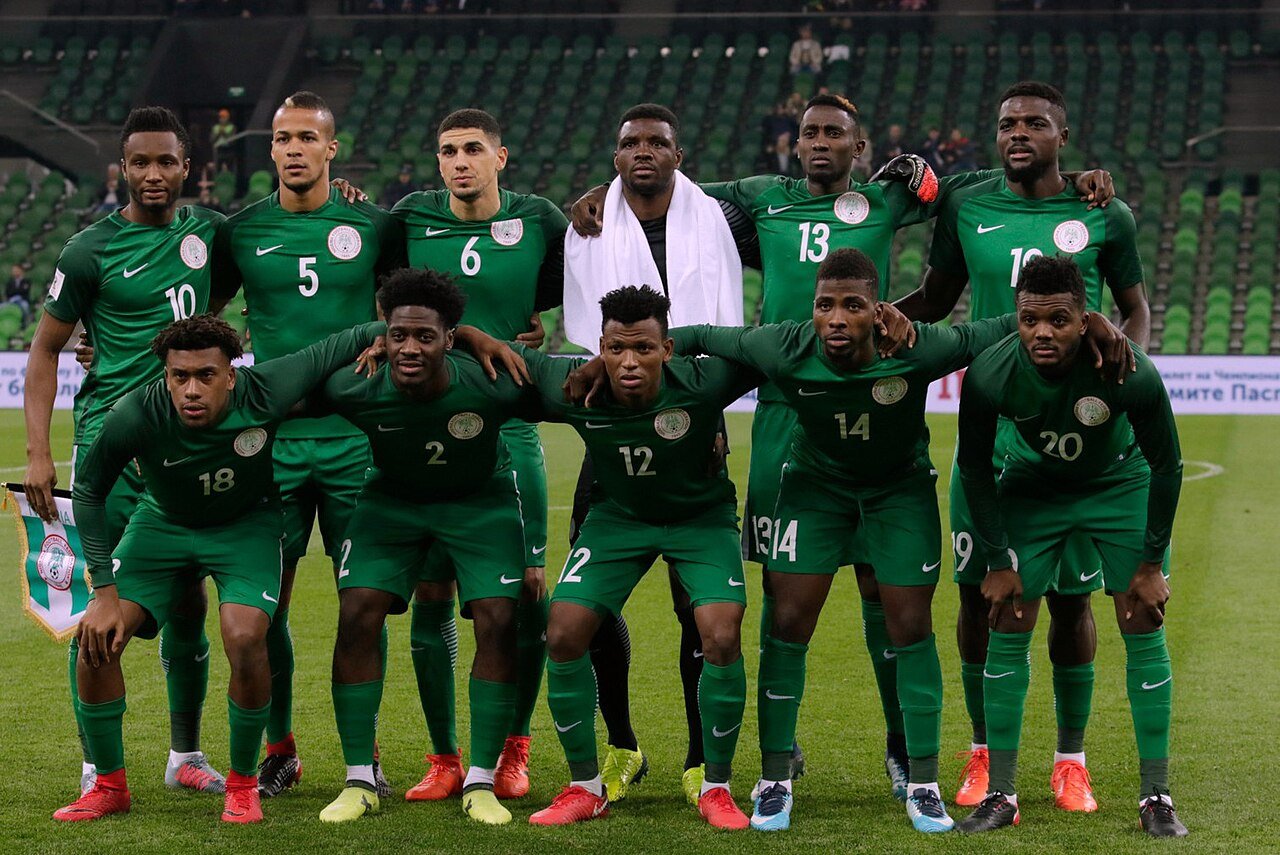
The intervention follows a leadership crisis that engulfed the NFF in August. On 27 August 2026, NFF President Ibrahim Musa Gusau resigned, alongside General Secretary Mohammed Sanusi and members of the federation’s Executive Committee, amid mounting criticism of Nigerian football’s administration and a series of disappointing results for the country’s national teams.
Their departure created a leadership vacuum and disrupted preparations for the federation’s elective congress, which had been scheduled for 27 September 2026. FIFA and CAF then engaged Nigerian football stakeholders over the federation’s governance structure and the need for institutional reforms, leading to the Bureau of the FIFA Council’s decision on 22 October to establish a Normalisation Committee.
The on-field backdrop is bleak. The Super Eagles failed to qualify for the 2026 FIFA World Cup — the second consecutive World Cup they have missed, and the first time since their World Cup debut in 1994 that Nigeria has failed to qualify for two editions in a row. The Super Falcons, the women’s national team, also failed to qualify for the 2027 Women’s World Cup. The federation has also faced questions over the reported investigation into the management of a N17 billion federal government intervention fund approved in 2024.
Resignations, missed World Cups and questions over public money: the committee inherits a federation in crisis on and off the pitch.
Abuja at the Centre of African Football
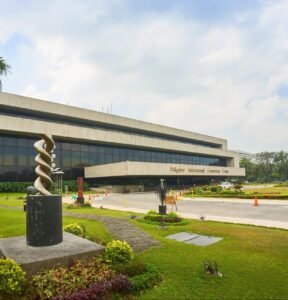
The committee takes over in a week when Nigerian football is already in the continental spotlight. Abuja is hosting the 48th Ordinary General Assembly of CAF on Saturday, 21 November 2026, at the Bola Ahmed Tinubu International Conference Centre — the first time in 17 years that Nigeria has hosted the assembly, which brings together the presidents and general secretaries of all 54 CAF member associations.
CAF President Patrice Motsepe arrived in Abuja on Wednesday evening, landing at the Presidential Wing of Nnamdi Azikiwe International Airport at 5:51 p.m., where he was welcomed by National Sports Commission chairman Shehu Dikko, CAF Secretary General Samson Adamu and other officials. Twelve former Nigerian internationals — including Emmanuel Amuneke, Austin “Jay-Jay” Okocha, Nwankwo Kanu, Joseph Yobo, Ahmed Musa, Victor Ikpeba, Finidi George and Obafemi Martins — have been invited as special guests.
Nigeria is also hosting the CAF Awards in Lagos in December, making it the first country to host both the General Assembly and the CAF Awards in the same year. The contrast is striking: a country centre-stage in African football administration, while its own federation is run by a FIFA-appointed caretaker committee.
What Happens Next
The immediate test is whether the committee can steady the federation’s administration and begin the statute review and electoral preparations before its May 2027 deadline. The eligibility checks by the FIFA Review Committee must be completed before the five appointments can be formally confirmed.
Beyond Nigeria, the episode is a reminder of FIFA’s normalisation playbook: when a member association’s leadership collapses, FIFA steps in with a caretaker body, bars its members from the elections that follow, and demands governance reform as the price of a return to normal administration.
Elsewhere in world sport this week, India and Pakistan meet in the Under-19 Asia Cup final in Al Amerat — a reminder that, even as Nigerian football rebuilds off the pitch, the calendar of major tournaments carries on.
FIFA has given Nigerian football a caretaker, a deadline and a list of reforms. The hard part — rebuilding trust in the federation — now begins.
By The BNN Media
The Best News Network
News Beyond the Borders