By
Flu season has arrived early in the United States — and it is gaining speed fast. Seven states are now reporting high or very high flu activity, up from two a week earlier, with Louisiana the hardest hit, and health officials are urging Americans to get vaccinated before Thanksgiving travel gives the virus a lift.
By The BNN Media
The Best News Network
News Beyond the Borders
ATLANTA, Georgia — Flu activity in the United States is running higher than is typically observed at this time of year, the Centers for Disease Control and Prevention (CDC) said in its latest weekly FluView report, with seven states — California, Louisiana, Oregon, South Carolina, Tennessee, Texas and Washington — now reporting high or very high flu activity, up from just two the week before. Louisiana is the hardest hit, the only state in the “very high” category, and the CDC estimates the season has already caused at least 2.6 million illnesses, 36,000 hospitalisations and 2,100 deaths, including five children.
The Numbers Behind the Spike
The figures come from the CDC’s FluView report for Week 44 — the week ending 7 November 2026, published on 13 November — and they point in the same direction on every measure the agency tracks.
Outpatient visits for flu-like illness reached 3.2 per cent of all visits, rising above the national baseline of 2.9 per cent after sitting below it a week earlier. Clinical laboratories tested 52,287 respiratory specimens during the week, and 5,911 of them — 11.3 per cent — came back positive for influenza, up from 9.1 per cent the week before. Test positivity rose nationally and in eight of the ten US health regions.
Hospitals reported 9,584 laboratory-confirmed, flu-associated admissions in Week 44 alone — up 14 per cent on the previous week — and the cumulative hospitalisation rate for the season stands at 8.7 per 100,000 people. Since the season began on 4 October, the CDC estimates at least 2.6 million illnesses, 36,000 hospitalisations and 2,100 deaths associated with flu.
- 3.2% of outpatient visits were for flu-like illness (baseline: 2.9%)
- 11.3% of clinical lab specimens tested positive for flu (up from 9.1%)
- 9,584 flu hospital admissions in Week 44 (up 14% week-on-week)
- 2.6 million illnesses, 36,000 hospitalisations, 2,100 deaths so far this season
- 5 children have died from flu this season, two of them reported in Week 44
Every indicator the CDC tracks is rising at once — and rising weeks earlier than the calendar would normally suggest.
The Seven Hardest-Hit States
The increase started in the South and West, and that is where it remains concentrated. According to CDC data reported by the Associated Press, the states with high or very high activity are California, Louisiana, Oregon, South Carolina, Tennessee, Texas and Washington. Louisiana is seeing the most intense activity of all.
New York, Massachusetts and Hawaii were in the CDC map’s moderate category for the same week, and a further group of states — including Colorado, Florida, Idaho, New Jersey and New Mexico — were also reporting moderate activity.
Louisiana’s position at the top of the list is not new. The state is often one of the first to see flu climb each year, and Dr Fred Lopez, an infectious diseases specialist at LSU Health Sciences Center in New Orleans, told the Associated Press that high poverty, low vaccination rates and difficulty getting healthcare were part of the reason. “Flu season is taking off and it’s taking off in a direction that’s only likely to increase in the next month or two,” he said.
The CDC’s activity map measures the intensity of flu-like illness, not how widely the virus has spread within a state — so a local outbreak can push a whole state into a higher category. Even with that caveat, the jump from two states to seven in a single week is the sharpest signal of the season so far.
Seven states at high or very high activity, up from two in seven days, with Louisiana alone in the top category — the map has changed fast, and it changed in the South and West first.
The Virus Behind the Surge
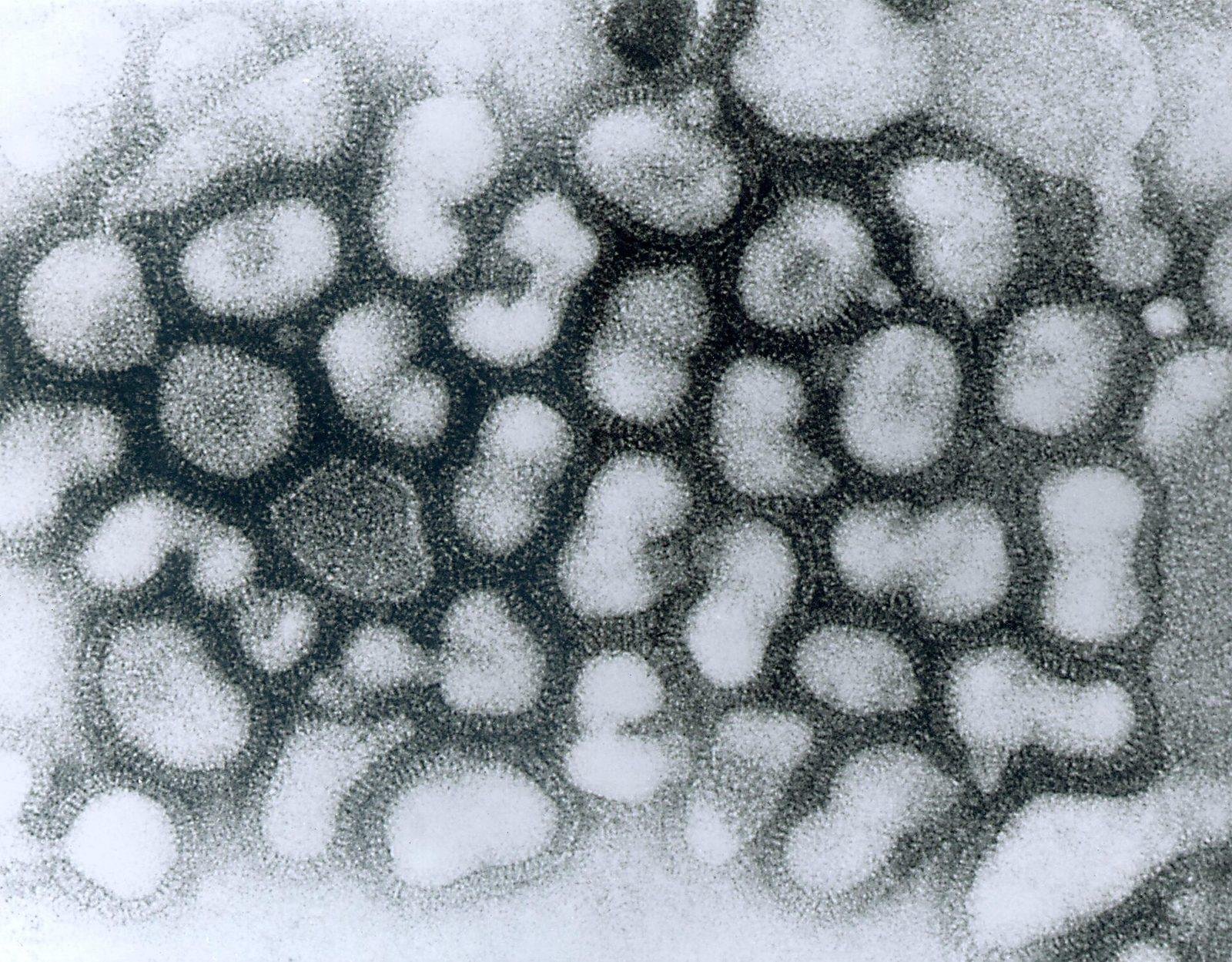
Almost every case this autumn has been caused by the same virus: influenza A, and within it the subtype known as A(H1N1)pdm09. Of the 460 influenza A viruses subtyped by public health laboratories in Week 44, 455 — 98.9 per cent — were H1N1, with just five (1.1 per cent) H3N2. Influenza B accounted for only 10 of the 680 viruses reported by public health laboratories that week.
The H1N1 virus now circulating belongs overwhelmingly to a single genetic group, subclade D.3.1.1, and it has picked up mutations that could help it dodge the body’s immune defences, the Associated Press reported, citing genetic analysis of the virus. Early laboratory testing shows this year’s vaccine still recognises the virus that is going around, the CDC said — but it is too soon to know how well the shot will actually protect people this season.
That uncertainty is normal at this stage. What is unusual is the timing: new respiratory virus waves typically begin in the South, but this surge began in the West before spreading — another sign, epidemiologists say, that this is not a typical year.
Hospitals and the Most Vulnerable
The burden is not falling evenly. Adults aged 65 and older are being hospitalised at the highest rates, followed by children younger than five — the two groups flu has always hit hardest.
Five children have now died from flu this season, including two deaths reported in the past week. Child deaths are often reported weeks after they happen, the CDC notes, so that count may still rise. For comparison, last winter’s flu season peaked in late December and the CDC estimated it caused at least 24,000 deaths; a total of 203 children died from flu that season.
The CDC’s own preliminary severity assessment, however, still classifies the severity of influenza activity at this point in the season as “low” across all ages — for children, adults and older adults alike. The agency stresses that the assessment can change as activity climbs, and its FluSight forecasts predict a likely increase nationally in both flu hospital admissions and the percentage of emergency department visits due to flu for the week ending 28 November.
The hospitals are filling, the oldest and the youngest are the most exposed, and the official severity rating is still “low” — a combination that says as much about how early in the season we are as about how bad it will get.
A Warning, Not a Verdict
The most important sentence in the CDC’s report is also the most easily missed. “This early-season influenza activity is currently higher than typically observed at this time of year,” the agency said, “but an earlier increase in activity does not necessarily lead to a higher seasonal peak or greater overall severity.”
In other words, an early surge is a warning, not a verdict. Seasons that start early do not always peak higher, and they do not always kill more people. What the early start does mean is that the virus has more time to spread, more opportunities to reach vulnerable people, and — with Thanksgiving a week away — a holiday built around travel and crowded family gatherings arriving at exactly the wrong moment.
Doctors say they expect Thanksgiving travel and get-togethers to help the virus spread, and the CDC’s forecasts point the same way, with hospital admissions and emergency visits likely to keep climbing nationwide through late November.
The flu surge comes as the United States is already dealing with other infectious-disease pressures: the country lost its measles-free status after 26 years as cases topped 5,400, a reminder that the public health system is fighting on more than one front at once.
Vaccination: What Doctors Advise
The advice from doctors and the CDC is simple, and it is the same every year — only more urgent this year because the season started early.
- Get vaccinated now. The CDC recommends a flu shot for everyone aged six months and older. “If you haven’t been vaccinated, you should get vaccinated now,” Dr Lopez told the Associated Press.
- Even if you have already had flu. People who have already caught flu this autumn should still get a shot, since the vaccine guards against three strains and more than one often circulates.
- If you are quite sick, wait. People who are currently very ill should wait until they recover before being vaccinated.
- Antivirals early. Prescription antivirals should be started as early as possible, especially for patients at higher risk of complications.
- Protect the vulnerable. Older adults and young children are being hospitalised at the highest rates — vaccination protects them directly, and it protects the people around them too.
Early lab testing suggests this year’s vaccine is well matched to the virus in circulation, but the CDC is clear that it is too soon to know how effective the shot will prove in practice. That will only become clear as the season develops.
The shot is not a guarantee — but with the season already running ahead of the calendar, it is the best protection available, and the time to get it is now.
Thanksgiving and What Comes Next
The next answers arrive on Friday 20 November, when the CDC publishes its FluView report for Week 45, covering the week ending 14 November. That report will show whether the surge kept accelerating, whether more states joined the high-activity list, and whether hospital admissions climbed again.
Until then, the picture is clear enough: flu arrived early, it is spreading fastest in the South and West, it is dominated by a single H1N1 strain, and it has already killed five children. The season’s severity is still officially rated low — but with Thanksgiving travel about to mix millions of people across the country, the next two weeks will tell us whether this early spike was a false alarm or the start of a hard winter.
By The BNN Media
The Best News Network
News Beyond the Borders