
 By
America’s derivatives regulator has set out the clearest terms yet for crypto’s fastest-growing trading venues: on-chain platforms can keep their blockchain technology, but if they want to serve ordinary American traders they must follow the same rules as every other exchange.
By The BNN Media
The Best News Network
News Beyond the Borders
Washington, United States — On-chain crypto trading platforms that want to offer derivatives to retail traders in the United States must either register as an exchange or partner with one that already is, the chairman of the Commodity Futures Trading Commission (CFTC) said on Thursday, 19 November 2026 — a ruling that puts the fast-growing world of decentralised derivatives trading squarely inside America’s existing market rules.
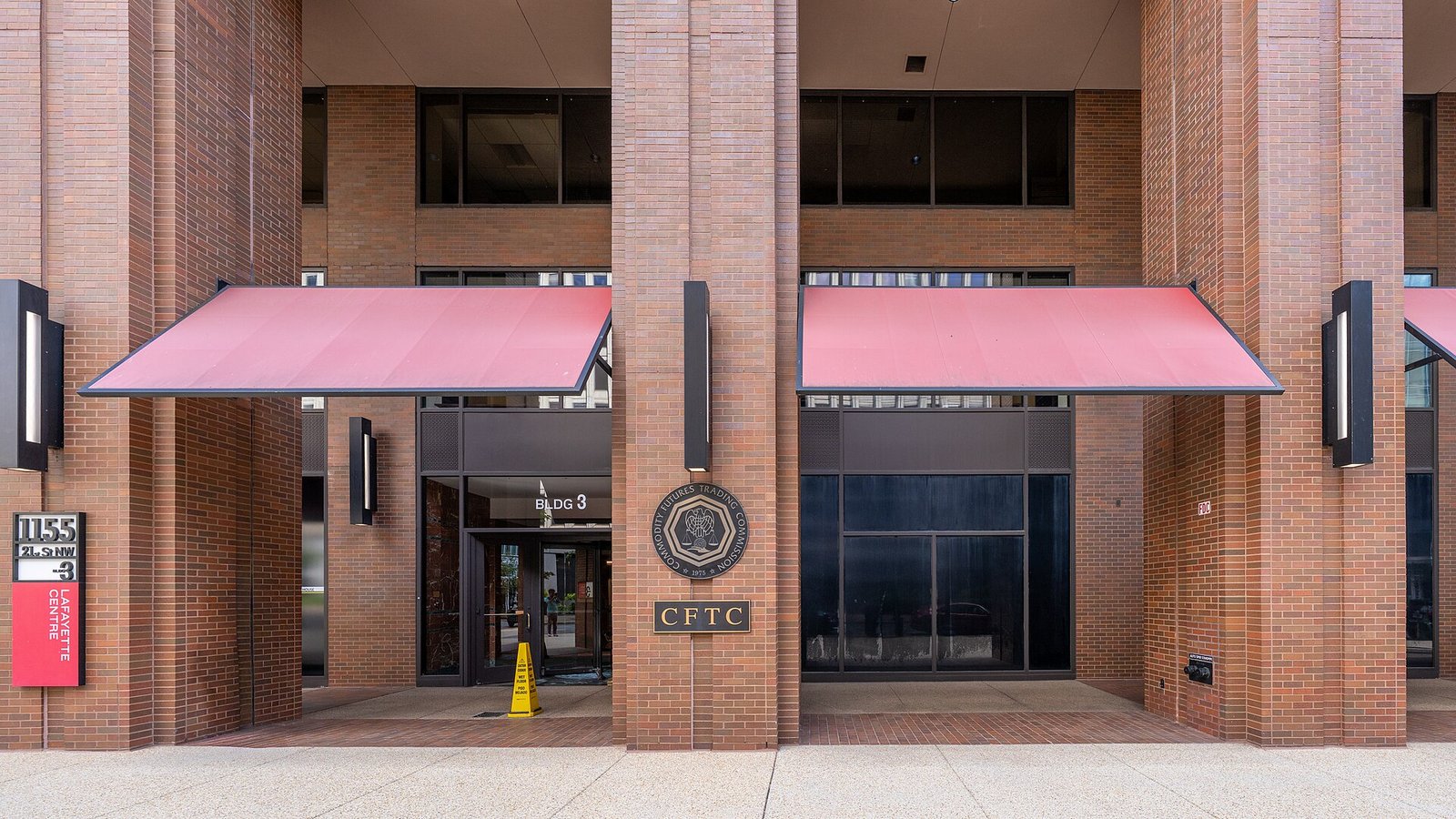
Michael Selig, the CFTC chairman, set out the two routes in an interview at The Hill and The Block’s Capitol Crypto Forum in Washington, when he was asked how a decentralised platform such as Hyperliquid, an on-chain perpetual futures exchange, could legally enter the US market. His answer was blunt: the technology may be new, but the rules are not.
“You’re going to have to come in and partner with an exchange or obtain your own exchange, which doesn’t change the ability and the great features of crypto and blockchain,” Mr Selig said, according to reports of the event.
The message to on-chain trading venues is now unmistakable: blockchain technology is welcome in American markets, but it buys no exemption from American market rules.
The Two Routes Into the US Market
Mr Selig’s framework gives on-chain platforms two ways in. The first is to obtain their own exchange registration from the CFTC. The second is to partner with an exchange that already holds the necessary authorisation. Either way, the platform must comply with the full set of derivatives rules — including market surveillance, prevention of manipulation, financial integrity, recordkeeping, governance and customer protection.
The chairman pointed to Backpack, a crypto exchange, as the example of the first route. Earlier this week Backpack completed what it calls the full licensing stack for the US market: CFTC approval to run a designated contract market (DCM) and a derivatives clearing organisation (DCO), announced on 16 November, followed by approval from the National Futures Association as a futures commission merchant (FCM) on 18 November.
Other platforms, Mr Selig said, are pursuing the partnership route instead. The clearest example is the agreement announced on 29 October between Intercontinental Exchange (ICE), the owner of the New York Stock Exchange, and Trade[XYZ], a developer of perpetual futures markets built on Hyperliquid’s technology. Under that deal, ICE would exclusively operate Trade[XYZ]’s regulated markets through a dedicated trading and clearing structure, using a permissioned version of Hyperliquid’s HIP-3 technology and requiring identity verification from users. That arrangement is still subject to regulatory approvals, and Mr Selig’s remarks did not amount to approval for Hyperliquid itself.
Backpack has shown the registration route works; the ICE deal shows the partnership route is real. Neither route lets a platform skip the rules.
Why Hyperliquid Is at the Centre of the Fight
Hyperliquid has become the test case for the whole question because it is the largest on-chain perpetual futures exchange, and because it currently blocks US users from its official interface. President Donald Trump said in August that Mr Selig was working to bring Hyperliquid to the United States, without saying whether that would mean registration, a separate domestic product or access through a regulated intermediary.
The established exchanges have been pushing the other way. CME Group and ICE have urged the CFTC to require Hyperliquid to register before it can serve American traders — a position Mr Selig’s remarks now effectively endorse. On Thursday, Hong Kong’s Securities and Futures Commission added Hyperliquid to its list of suspicious crypto trading platforms, underlining that the regulatory pressure on the venue is not limited to the United States.
The stakes are considerable. Perpetual futures — contracts that never expire and track the price of an underlying asset through regular funding payments — are among the most heavily traded products in crypto. The CFTC had already opened the door to them in May, with a policy allowing case-by-case reviews of perpetual futures listings. Mr Selig added that a perpetual contract’s daily funding payments work like variation margin, so a single-stock perpetual future is structured as a futures contract rather than a security-based swap — a distinction that keeps such products under the CFTC’s jurisdiction rather than the Securities and Exchange Commission’s.

Prediction Markets and the States
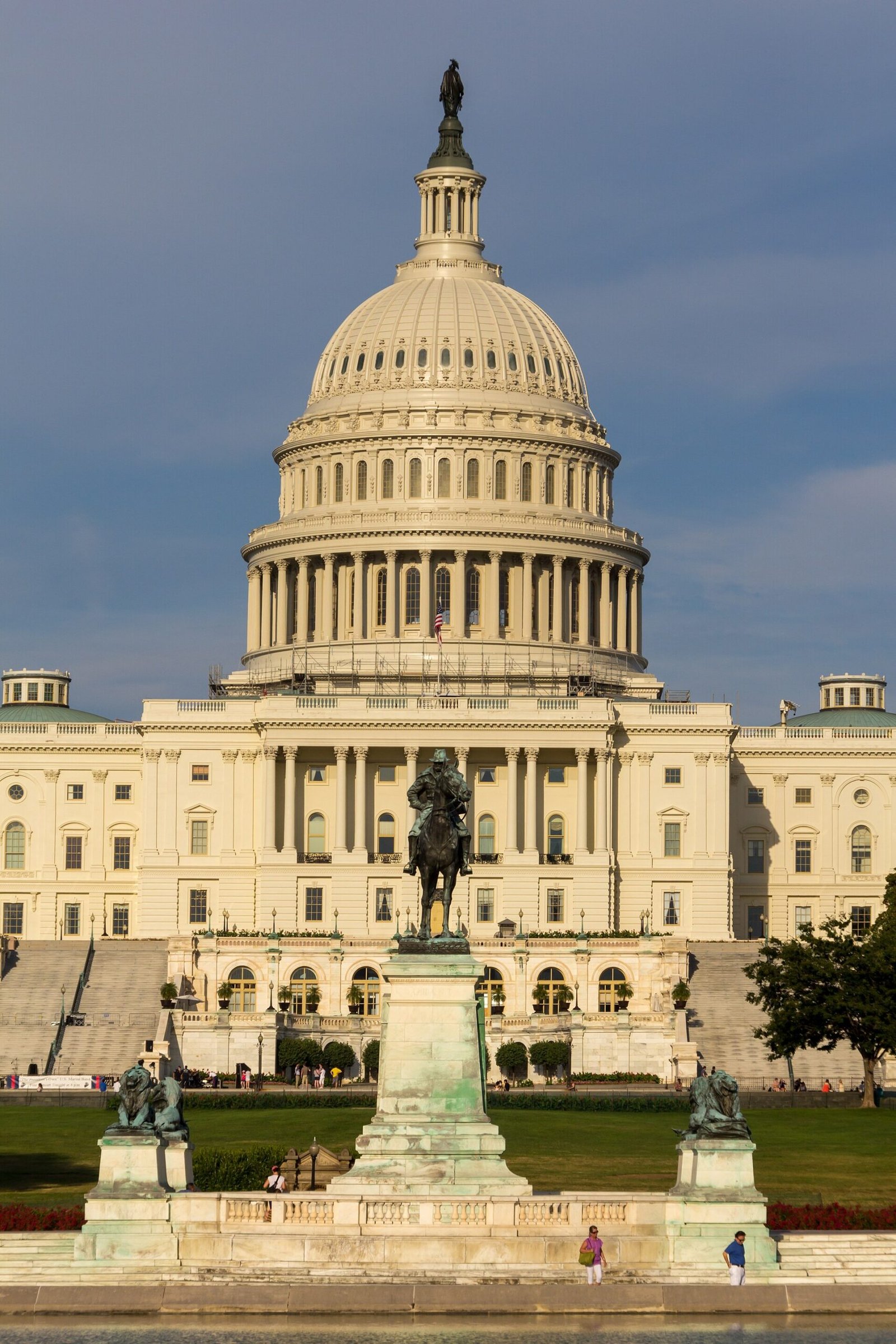
Mr Selig also addressed the running dispute between the CFTC and several US states over prediction markets — platforms where people trade contracts on the outcome of real-world events. He said the CFTC would work with the Justice Department when states sue federally registered prediction market platforms in an effort to challenge the agency’s jurisdiction, arguing that lawful derivatives should be overseen by the federal market regulator rather than by the states.
The CFTC and the US government had already sued Utah together in October over the issue, and the agency filed separate lawsuits against Arkansas and Louisiana on 13 November. Mr Selig distinguished derivatives exchanges from casinos and state-licensed gambling venues, saying the CFTC has no business regulating the latter. For event contracts, he said the CFTC checks whether they are genuine derivatives that meet its rules, including whether they can easily be manipulated.
The CFTC is defending its turf on two fronts at once: bringing on-chain venues inside the federal system, and keeping the states from pulling federally registered markets out of it.
A Market Already Under Strain
The ruling lands at a difficult moment for crypto markets. Bitcoin was trading near $61,500 on Friday, its lowest level since early July, after falling through the week as capital rotated towards the record-breaking Anthropic share listing and as US spot Bitcoin exchange-traded funds recorded $582.3 million in net outflows on 19 November — the third consecutive day of withdrawals. Across the major exchanges, more than $172 million of Bitcoin positions and $81 million of Ethereum positions were liquidated in 24 hours, and the crypto Fear and Greed Index stood at 12, deep in “extreme fear” territory.
Regulation is only part of the pressure. The Federal Reserve’s October meeting minutes, published this week, showed officials leaning towards another interest rate rise in December, and markets now price a December hike as near-certain — a prospect that has weighed on risk assets of every kind, from technology shares to digital tokens. BNN has reported on the Fed’s December rate debate and on the sharp slide in Bitcoin that preceded this week’s selling.
For the industry, though, Mr Selig’s clarity may be welcome even in a falling market. For years, on-chain platforms have operated in a grey area, unsure whether American regulators would tolerate them, ban them or demand they register. Now they have an answer — and a choice. Register, partner, or stay out of the American retail market altogether.
What Happens Next
No timetable has been set, and Mr Selig’s remarks did not approve Hyperliquid or establish that the platform has even submitted a registration application. What they did establish is the shape of the negotiation to come: any on-chain venue that wants American retail customers will have to build compliance — surveillance, capital, customer protection and recordkeeping — into its model, or rent it from someone who already has.
The industry will now watch three things. First, whether Hyperliquid itself chooses the registration route, the partnership route, or neither. Second, whether the ICE and Trade[XYZ] venture clears its regulatory approvals and becomes the template others follow. And third, whether Congress gives the CFTC the broader crypto market powers it has sought — a question that will decide how far Thursday’s framework reaches.
The age of on-chain trading outside the rules is ending. The question now is not whether these platforms will be regulated, but how quickly they can learn to live inside the system.
By The BNN Media
The Best News Network
News Beyond the Borders
Sources: The Block, 20 November 2026; Newisty, 20 November 2026; MLQ.ai, 19 November 2026; CoinInsider, 20 November 2026; TradingKey, 20 November 2026; CoinStats, 20 November 2026. This report follows on from BNN’s report on the Bitcoin slide: https://thebestnewsnetwork.com/bitcoin-crashes-12-through-its-200-week-average-but-history-says-the-drop-may-mark-a-bottom/