 By
Ledger has confirmed that tampered hardware wallets have now been found in Berlin, as a supply-chain attack that began in Southeast Asia spreads to Europe and the Middle East — with on-chain investigators tracing a suspected drain of about $87 million from hundreds of wallets.
By The BNN Media
The Best News Network
News Beyond the Borders
BERLIN, Germany — Ledger, one of the best-known makers of crypto hardware wallets, confirmed on Wednesday, 18 November, that tampered devices have been found in Berlin — all bought locally — and that it is investigating two suspected units bought at a Virgin Megastore in Dubai. On-chain investigators have traced a suspected drain of about $87 million from hundreds of wallets across the Ethereum, Tron and Bitcoin networks, according to Decrypt’s reporting of the case, in what has become the most serious supply-chain attack the hardware wallet industry has faced.
How the Attack Works
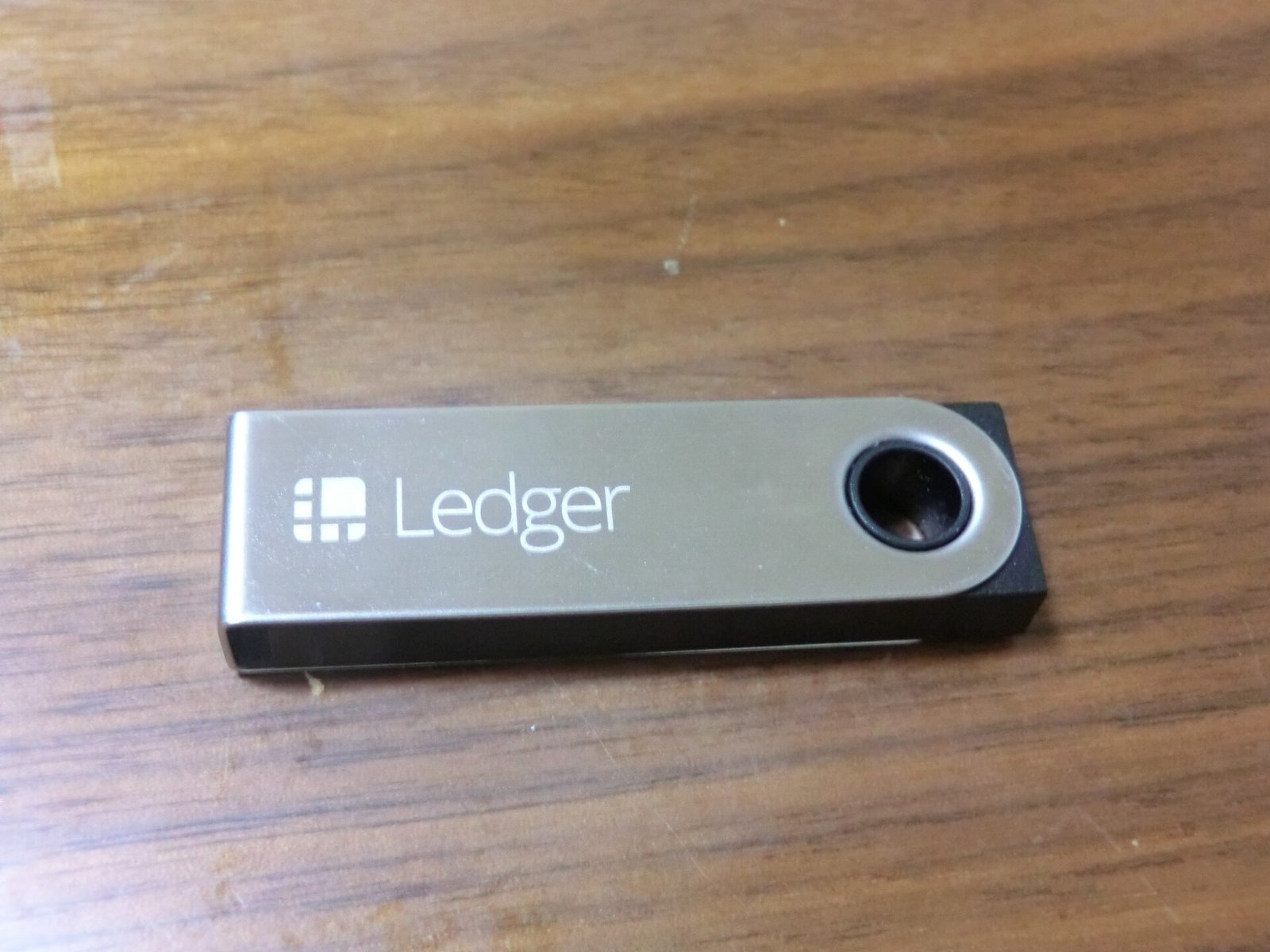
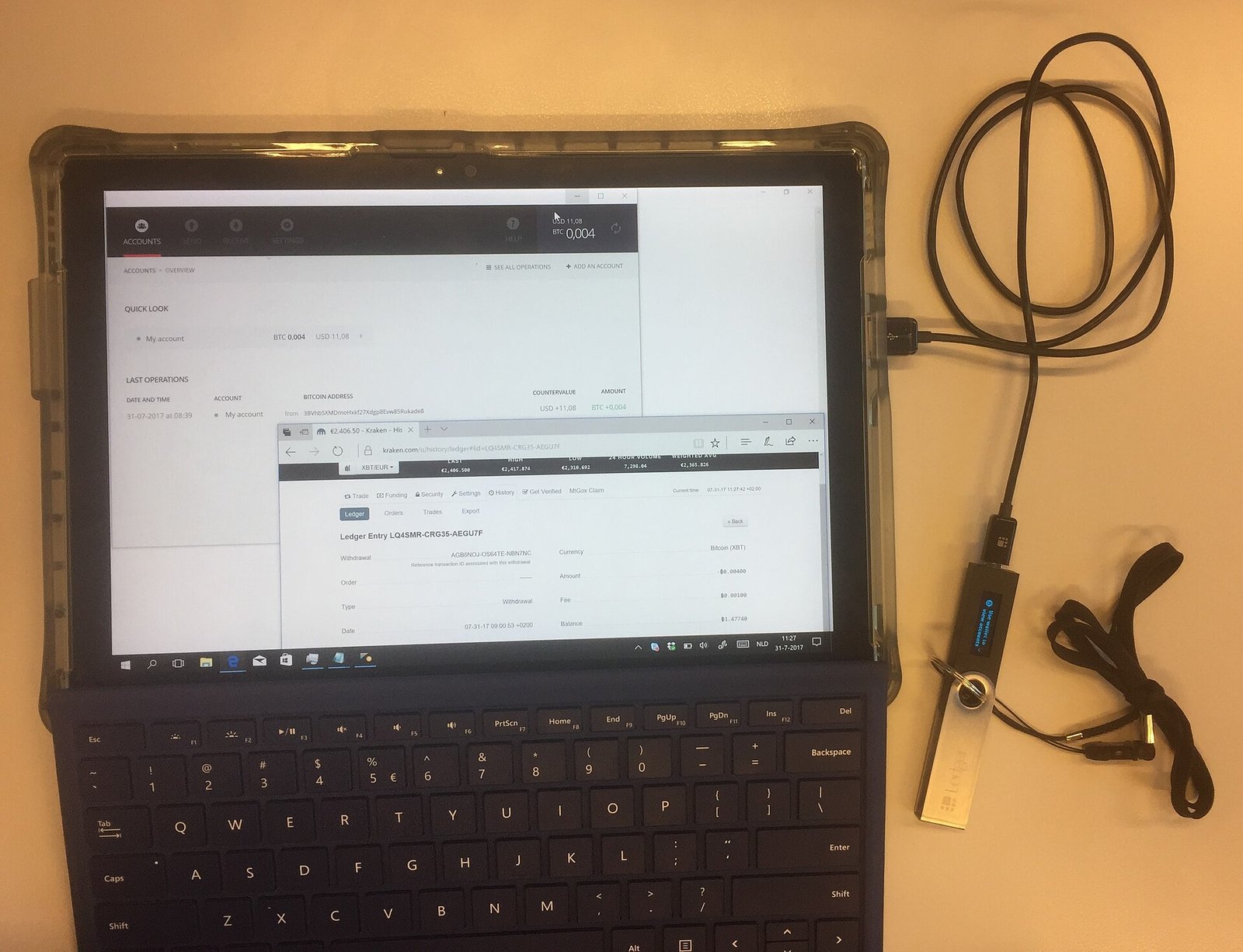
A hardware wallet is a small device that keeps the keys to cryptocurrency offline. Its main promise is that the 24-word recovery phrase — the master key that can restore and empty a wallet — never leaves the device. The tampered units break that promise.
Ledger says every confirmed case carries the same physical modification, “built to capture the recovery phrase during setup.” The attack began, according to Ledger, in October, when the company said in a blog post on 15 October that a “highly organized criminal group” had spent months buying genuine Ledger devices, opening them, fitting hidden components that capture the recovery phrase during setup, and putting them back on sale through resellers in Southeast Asia. Once the phrase was captured, the thieves could empty the wallet from anywhere in the world.
Ledger stresses that its own chip, software and servers were not hacked. The attack happened in the distribution channel, after the devices left the company’s control. At the time, Ledger asked authorised resellers in Southeast Asia and Hong Kong to suspend sales.
The distinction matters: this is not a flaw in the wallet’s cryptography. It is a physical attack on the boxes the wallets travel in — and that makes it far harder for an ordinary buyer to spot.
From Southeast Asia to Berlin and Dubai
The probe began after customers who bought devices from the reseller CryptoBilis reported losses. Ledger tied all confirmed cases to CryptoBilis, and resellers in seven Asian markets were asked to pull devices from sale or pause sales during inspections. One affected Ledger Nano Gen5 was also found among the Southeast Asian resellers paused in October.
Then the geography widened. In an update on its support site on Wednesday, Ledger said: “Our findings since then show tampered devices outside Southeast Asia. It is the same incident.” In Germany, the tampered units Ledger confirmed were all localised to Berlin, and the company urged anyone who bought a Ledger there from a third party since January 2026 to contact its support team. Ledger did not say how many devices were affected, did not name the stores, and did not say where the devices were modified.
In Dubai, Ledger said it is working with distribution partners to learn how two suspected units entered circulation. Both were reportedly bought at a Virgin Megastore. One owner said about 1,300 SOL was drained from a Ledger Flex bought at the chain’s Dubai Mall store on 13 September; an open-source tracker run by former Mt. Gox chief executive Mark Karpelès confirmed a hidden implant from photos of the opened device. A second owner says 507,000 USDT was taken from a Ledger Stax bought on 11 October. That device has not been opened yet, so the implant is only suspected; the owner says it is sealed for a court-appointed laboratory.
Ledger’s reseller directory for the United Arab Emirates now lists Virgin Megastores’ Ledger sales as temporarily paused.
The Berlin confirmation is the turning point: a scam that looked contained to Asian resellers is now, by Ledger’s own account, the same incident turning up in a European capital.
The Question of Losses
Ledger’s update gives no figure for total losses and does not address compensation. In a reply to Ledger’s post, blockchain investigator ZachXBT asked who would cover the losses of victims who “trusted your official resellers,” and put those losses at more than $105 million. Ledger has not confirmed that number.
The $87 million figure comes from on-chain investigators, as reported by Decrypt, who traced a suspected drain of about that amount from hundreds of wallets across Ethereum, Tron and Bitcoin. It has not been independently verified across multiple primary sources, and it should be treated as a reported claim rather than an established loss total. Ledger itself has published no loss figure, and the number of affected units, the precise modification made to the hardware and the full geographic scope of distribution all remain unconfirmed.
Bitcoin, meanwhile, traded at $62,623 at 02:38 UTC on 19 November, down 2.8 percent over 24 hours, with $30.7 billion in 24-hour volume, according to The Currency Analytics — a fall that coincided with the spreading wallet scare as well as the wider market slide.
What is certain is that real people have lost real money, and that the company whose name was on the box has not yet said who, if anyone, will make them whole.
What Ledger Is Doing — and What Owners Should Do
Ledger says there is no flaw in its secure chip or operating system, and no confirmed case involving a device bought directly from ledger.com. The company’s Donjon security team is examining the devices, and Ledger expects more tampered units to surface, though it maintains the overall number is small. It is offering free physical inspections and X-rays at its Vierzon, France, factory for a limited time.
For owners, the advice is blunt:
- If you bought a Ledger directly from ledger.com, Ledger says there is no confirmed case involving those devices.
- If you bought one from a store or reseller in Southeast Asia, in Berlin since January 2026, or in Dubai, and you are worried, stop using it, contact Ledger Support, and do not open the device yourself.
- Move funds to a new wallet whose recovery phrase was created on a device bought directly from the maker, and do not reuse the old phrase or passphrase, because a tampered device can capture both.
- File a report with local police, and preserve the packaging, purchase records and any documentation.
Ledger adds that it will never ask for a recovery phrase, so any message that does is a scam. The simplest rule for any hardware wallet, the company says, is to buy it from the manufacturer’s own website and never type the recovery phrase anywhere else.
A Rough Week for Hardware Wallets
The Ledger case is not the only hardware wallet scare this week. Separately, rival Trezor disclosed on Monday that hackers who breached its delivery partner Skladon on 7 November likely exported information tied to about 27,000 orders, including customers’ names, phone numbers and delivery and email addresses, plus the products they bought and their prices. Trezor said its own systems were not compromised and no wallet backups, PINs or passphrases were exposed. It is the company’s third such third-party incident in about three months.
The two cases are different in kind — Ledger’s involves physical tampering with devices, Trezor’s a data breach at a shipping partner — but together they have shaken confidence in the small devices millions of people trust to guard their crypto. For an industry built on the promise that the keys never leave the device, a week in which that promise was broken in Berlin and customer data was exposed in Prague is a damaging one.

Ledger’s investigation is still open, the Dubai devices are still being examined, and more tampered units are expected to surface. Until the company says how the devices reached shops in Berlin and Dubai — and who pays the victims — the safest advice for owners is also the simplest: buy direct, and treat any device from a third-party shelf as suspect until it has been checked.
Sources: PlainBTC (reporting Decrypt); The Currency Analytics; TrustsCrypto; Decrypt; Ledger.
By The BNN Media
The Best News Network
News Beyond the Borders