By
Prices in Japan rose faster than expected in October and stayed above the central bank’s target for a second month running — leaving the Bank of Japan widely expected to lift interest rates again when it meets in December, to their highest level in three decades.
By The BNN Media
The Best News Network
News Beyond the Borders
Tokyo, Japan — Japan’s core consumer prices rose 2.2% in October from a year earlier, government data showed on Friday, 20 November 2026, accelerating slightly from September and exceeding the Bank of Japan’s 2% target for the second consecutive month — a sign of broadening price pressures that has cemented the case for a near-term interest rate rise by the central bank.
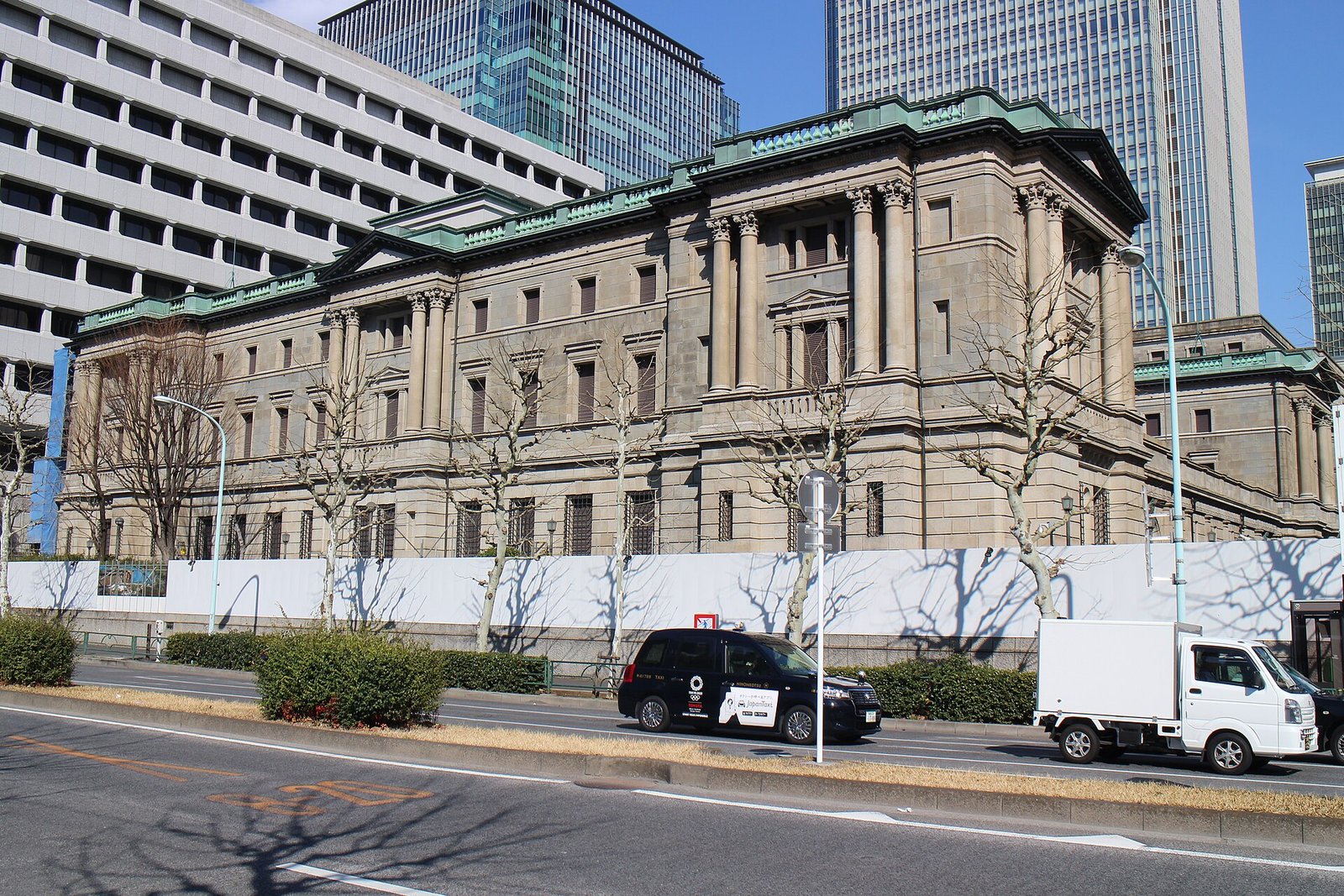
The core consumer price index, which strips out volatile fresh food prices, rose 2.2% year on year, according to data from the Statistics Bureau released on Friday. The figure was slightly below the median market forecast of a 2.3% gain, but it was up from September’s 2.1% and marked the fastest pace of the year. Headline consumer prices, which include fresh food, rose 2.3%, also up from 2.1% in September.
For the second month in a row, Japanese inflation is running above target — and the central bank now has the evidence it needs to raise rates again.
What Is Driving Prices Higher
The details of the report show price pressures spreading beyond a few items. Energy prices rose 2.2% in October from a year earlier, compared with a 0.6% decline in September, as the cost of fuel and imported raw materials climbed. Food prices excluding fresh items were up 2.2% after September’s 2.9% increase — but that slowdown owed much to rice, whose price fell nearly 30% from a year earlier, the largest drop since records began in 1971.
An index that strips out both fresh food and fuel, which the Bank of Japan watches closely as a better gauge of demand-driven price pressures, rose 2.2% in October, down from 2.4% in September. Many analysts expect prices to rise more quickly in the coming months, as persistent falls in the yen and the prolonged war in the Middle East push up the cost of importing fuel and raw materials.
“Consumer inflation is likely to accelerate sharply at the outset of next year,” said Takeshi Minami, chief economist at Norinchukin Research Institute. “The BOJ has signaled its resolve to keep rising rates, so there’s a strong chance it will hike in December. It could also contemplate another hike in March 2027 when inflation is likely to exceed 3%,” he said.
Energy is rising again, import costs are climbing, and economists now expect inflation to push past 3% early next year.
The December Decision
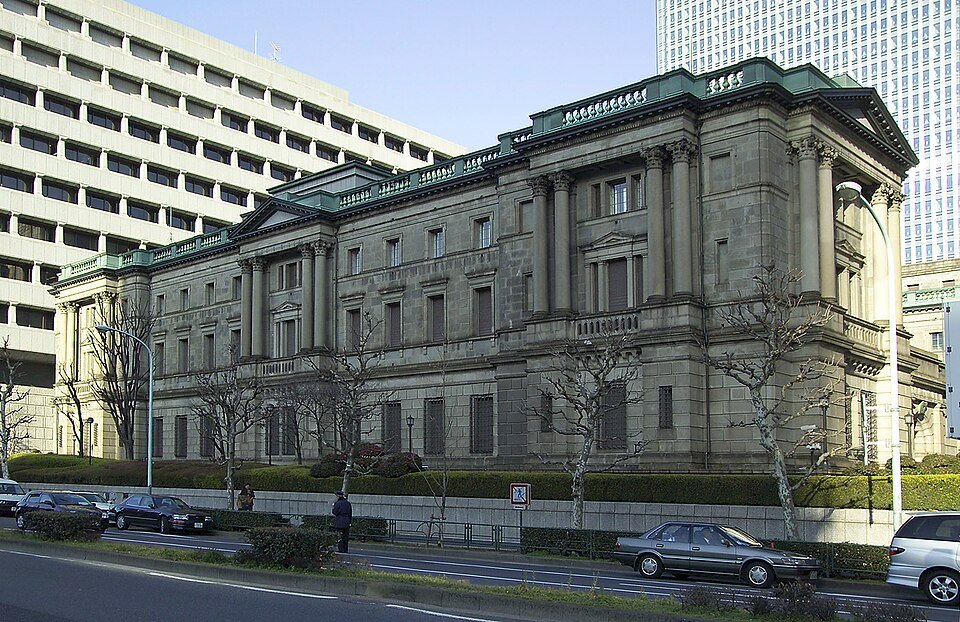
The data will be among the factors the Bank of Japan scrutinises at its next two-day policy meeting, which ends on 18 December. Many market players expect the central bank to lift its policy rate to 1.5% from the current 1.25% — a level that is already the highest since 1995.
The market pricing points firmly in that direction. Swap contracts indicate roughly an 85% probability of a December rise, according to market data, and a Reuters poll of 71 economists conducted between 11 and 18 November found 61 of them expecting a hike in December. Among those expecting a December move, nearly 60% believed the policy rate would be raised by another 25 basis points, to 1.75%, by the end of March next year.
The Bank of Japan raised its policy rate to 1.25% in September, after delivering a hike in June — a shorter interval than the roughly twice-a-year pace of increases in 2024 and 2025. At its meeting on 30 October, the central bank declared that underlying inflation had reached its 2% target for the first time since the target was introduced in 2013 — a milestone that, in the bank’s own framework, clears the way for further tightening.
Governor Ueda’s Warning
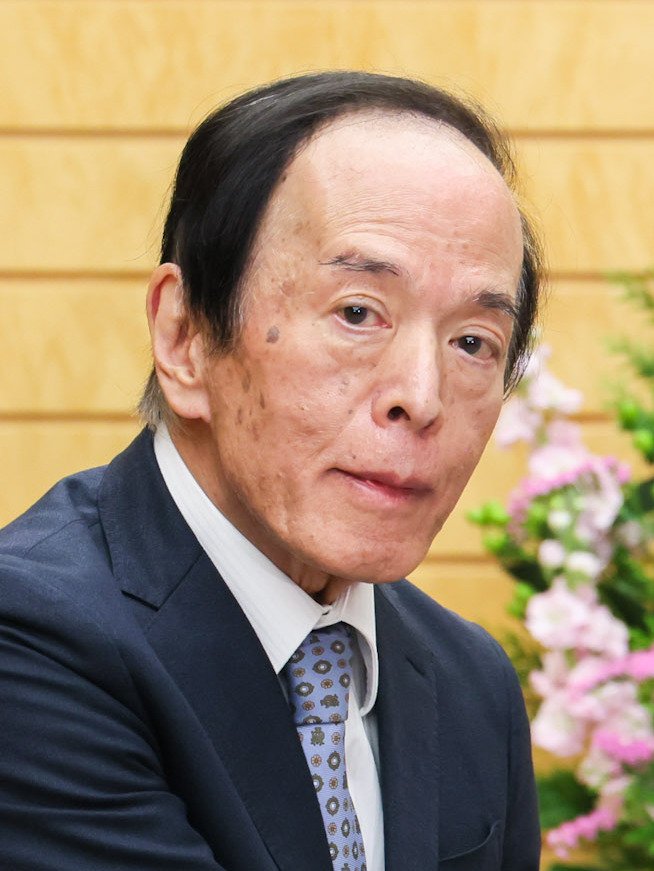
Bank of Japan Governor Kazuo Ueda reinforced the hawkish message on Thursday, telling a parliamentary committee that the central bank remains prepared to raise rates further to keep underlying inflation anchored around its 2% target. He warned that core consumer inflation is likely to climb well above 2%, adding that currency fluctuations are increasingly feeding into domestic prices.
Mr Ueda said underlying inflation roughly aligns with the price target and that the central bank plans to continue raising interest rates, since monetary conditions remain accommodative. He played down weak consumption spending in the third quarter, arguing that the decline was in line with expectations and that spending should recover — a notable judgement, given that Japan’s economy unexpectedly contracted in the third quarter.
The yen edged higher after the data, rising about 0.1% against the dollar to around 159.50. But the Japanese currency remains under heavy pressure: the dollar index stood near 103.9 on Friday, its strongest level since early April 2025 and on track for a fourth straight week of gains, as investors sought safety amid the sell-off in technology shares and growing expectations of higher US interest rates.
Governor Ueda’s message is plain: the Bank of Japan is not done raising rates, and a weak yen feeding into prices only strengthens the case.
A Global Turn Towards Tighter Money
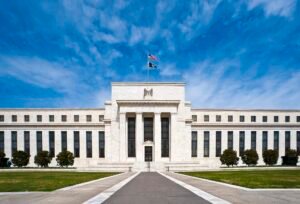
Japan is not tightening alone. The same week brought hawkish signals from the world’s other major central banks. The Federal Reserve’s October meeting minutes showed that nearly all US officials expect a rate rise in December, and markets now price a December hike by the Fed as near-certain — a prospect that has weighed on shares and digital assets alike. BNN has reported on the Fed’s December rate debate, where one governor even floated a half-point move.
The contrast with recent years is striking. For most of the past three decades, Japan was the world’s great exception — a country fighting deflation while others fought inflation. Now it is raising rates at a quickening pace while its currency slides, its import costs climb and its inflation runs above target. The Bank of Japan’s challenge is to tighten enough to keep prices anchored without choking an economy that has just contracted.
What Happens Next
All eyes are now on 18 December. A rise to 1.5% would be the Bank of Japan’s third increase in six months and would take Japanese rates to their highest level since 1995. Markets will also watch the bank’s language for clues about March: if inflation does accelerate towards 3% early next year, as Mr Minami and others expect, a further rise to 1.75% by the end of March is firmly on the table.
A majority of analysts polled by Reuters expect the Bank of Japan to raise rates in December and follow up with another increase by the end of March. The bank itself has signalled that its goal is no longer to push underlying inflation up towards 2%, but to keep it stable around that level — a shift that implies more tightening, not less, while prices keep rising.
Japan spent thirty years trying to create inflation. Now that it has arrived, the Bank of Japan must prove it can control it — and December is the next test.
By The BNN Media
The Best News Network
News Beyond the Borders
Sources: Reuters, 20 November 2026 (via 979weve.com and Northland News Radio); The Wall Street Journal, 20 November 2026; FXStreet, 20 November 2026; Longbridge, 20 November 2026; Reuters (dollar report), 20 November 2026. This report follows on from BNN’s report on the Federal Reserve’s December rate debate: https://thebestnewsnetwork.com/fed-minutes-reveal-december-rate-hike-was-a-near-certainty-as-waller-floated-a-half-point-move/