By
Asian shares fell sharply on Friday as doubts about the returns on vast artificial intelligence spending swept through technology stocks, with Japan’s Nikkei losing more than 5% — even though Anthropic’s record-breaking stock market debut a day earlier had been expected to calm the nerves.
By The BNN Media
The Best News Network
News Beyond the Borders
Tokyo, Japan — Asian stock markets fell sharply on Friday, 20 November 2026, as fears of an artificial intelligence bubble deepened, with Japan’s benchmark Nikkei 225 shedding more than 3,000 points, or about 5.1%, to finish at 56,436.65, its lowest level in seven months, after a record-breaking debut by AI company Anthropic on Wall Street failed to steady investors.
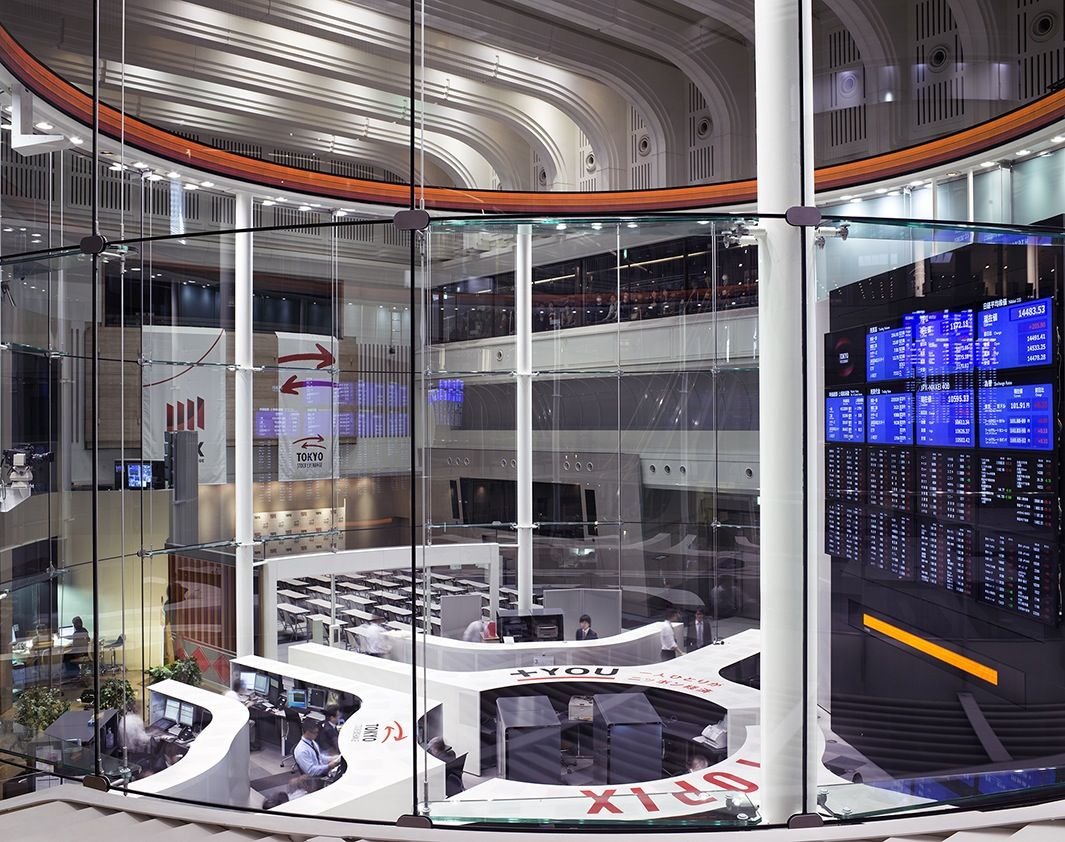
The sell-off spread across the region. South Korea’s Kospi dropped 5.2% to 4,869.96, its lowest in 10 months, Hong Kong’s Hang Seng fell 1.9% to 22,410.80, moving closer to bear-market territory, and China’s Shanghai Composite lost 1.2% to 3,533.79. Australia’s S&P/ASX 200 dropped 1.6% to 8,592.60. The falls followed heavy losses on Wall Street on Thursday, where the tech-heavy Nasdaq Composite fell 2.3% to its lowest close in seven months and the Dow Jones Industrial Average dropped 2.2% to a six-month low.
A Record Debut That Changed Nothing
Anthropic, the company behind the Claude chatbot, had been the market’s great hope. The AI developer priced its initial public offering at $83 a share on Wednesday, selling 980 million shares and raising $81.3 billion — the largest IPO on record, passing the previous record held by SpaceX. The shares opened at $111.50 on Thursday, climbed as high as $115.10, and closed at $97.17, up 17.1% from the IPO price, valuing the company at roughly $1.5 trillion.
For a few hours, the debut looked like proof that faith in the AI revolution was intact. But the wider market refused to be convinced. Anthropic’s shares slipped in after-hours trading, and the rest of the technology sector kept falling. As the Associated Press put it, worries that the AI boom may be over have been hanging over global markets for some time — and one spectacular listing was not enough to lift them.
A record IPO proved the appetite for one AI company — but it could not rescue the rest of the sector.
Why Investors Are Suddenly Doubting AI
The question at the heart of the sell-off is simple: will the enormous sums being poured into artificial intelligence ever pay off? Companies have spent hundreds of billions of dollars building data centres and buying advanced chips, much of it funded by borrowing, and investors are now asking whether the returns justify the outlay. Analyst Rajat Agarwal said the sell-off reflects concerns that “AI-led growth is slowing down and the peak growth phase may have passed,” according to Al Jazeera.
Several pressures converged on Friday to sharpen those doubts:
- Slower AI infrastructure spending — worries that the pace of spending on data centres and chips is easing, and that the debt taken on to fund it is rising.
- New US chip rules — fresh American licensing rules for advanced chips, targeting markets such as Singapore, took effect, adding to pressure on Asian semiconductor firms.
- A California investigation — the US state of California has opened an investigation into whether China improperly obtained Nvidia’s advanced chips or confidential information, according to CNBC-TV18.
- A hawkish US Federal Reserve — a firm stance from the Fed has added to the pressure, with investors also selling gold holdings to cover losses elsewhere.
The AI trade is no longer being judged on promise alone — investors now want proof that the spending will pay.
Chip Stocks Lead the Rout
Semiconductor and AI-linked shares bore the brunt of the selling. In Tokyo, SoftBank Group and chip-testing firm Advantest were among the sharpest fallers, while in Seoul, Samsung Electronics, SK Hynix and SK Square plunged 6% to 8% on mounting concerns over AI infrastructure investment returns and rising financing costs. In China, Tencent was among the stocks under pressure.
Japan’s broader Topix index tumbled 3.88% to 3,674.22, and Taiwan’s Taiex sank more than 6%, making it one of the worst-hit markets in the region. The wider MSCI Asia Pacific index fell for a seventh straight session, putting Asian stocks on course for their worst week since 2020. The US dollar index held near a 19-month high in Asian trading, heading for a fourth weekly gain as the AI jitters pushed investors towards safe havens.
Hong Kong’s weakness had a local edge as well. The Hang Seng’s fall of around 20% from its peak in late January has brought it close to the level commonly used to define a bear market, with concerns over China’s economic outlook and tighter US restrictions on chip exports adding to the pressure.
Wall Street Set the Tone
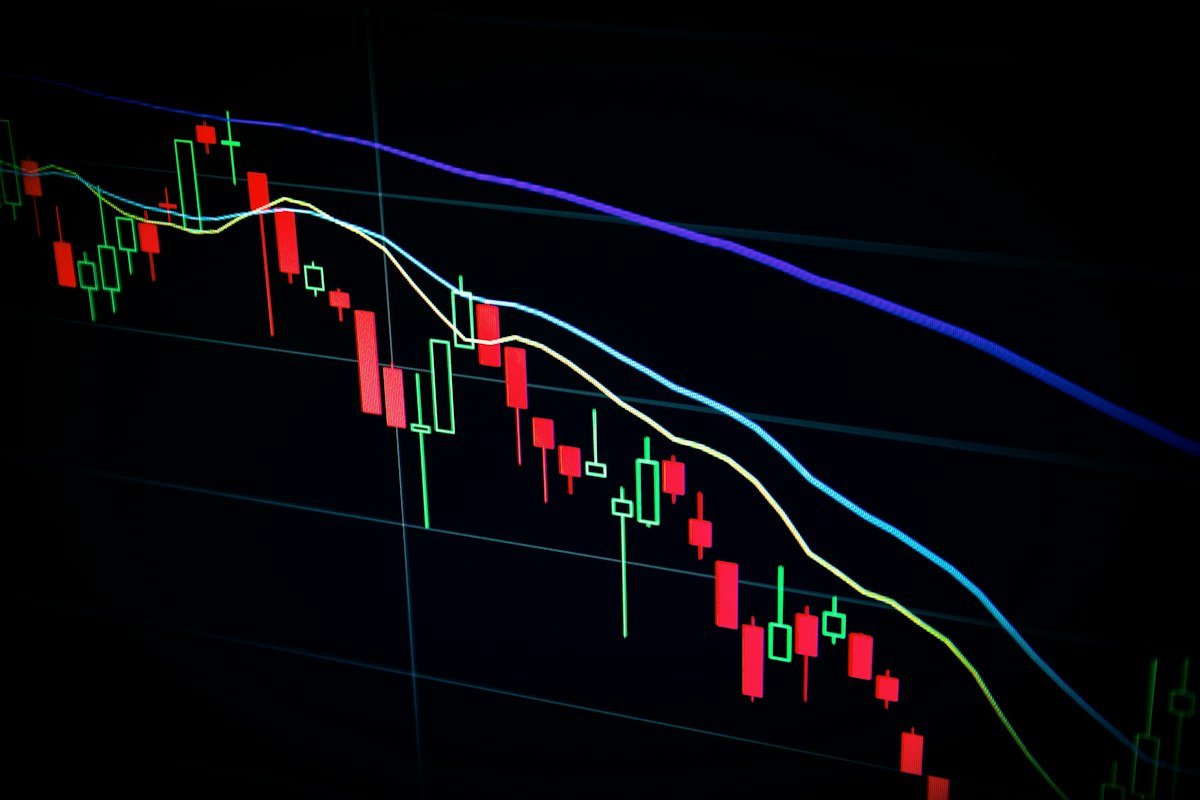
The Asian rout followed a bruising Thursday on Wall Street. The Dow Jones Industrial Average dropped 1,101.11 points, or 2.19%, to close at 49,097.06. The S&P 500 fell 147.80 points, or 2.02%, to 7,175.83, and the Nasdaq Composite lost 550.68 points, or 2.25%, to settle at 23,879.20. It was the S&P 500’s sixth straight loss, according to Reuters.
European markets opened lower on Friday as well. France’s CAC 40 slipped 0.9% in early trading to 8,007.37, Germany’s DAX lost 1.3% to 25,134.29, and Britain’s FTSE 100 fell 0.3% to 10,419.52. US shares were set to trade mixed, with Dow futures up nearly 0.1% while S&P 500 futures declined 0.2%.
The slide comes only two days after an earlier slide in global markets this week, when stocks and gold fell together — a reminder that this week’s losses are part of a broader retreat, not a single bad day.
What Happens Next
For now, the market’s focus is on whether the AI sell-off has further to run. Investors will be watching for any sign that spending on AI infrastructure is holding up, for the next round of results from the big chipmakers, and for any shift in tone from the US Federal Reserve. In Japan, core inflation staying above the Bank of Japan’s 2% target has also cemented expectations of an interest rate rise in December, adding another reason for caution.
Anthropic’s debut showed that investors will still pay a premium for the right AI story. But Friday’s rout showed something else: that a single success, however large, cannot paper over doubts about the whole sector. Until the returns on AI spending become clearer, the fear is that the bubble talk will keep drowning out the good news.
The IPO was historic. The sell-off was bigger — and until AI’s spending starts paying for itself, markets are unlikely to calm down.
By The BNN Media
The Best News Network
News Beyond the Borders
Sources: Associated Press, 20 November 2026; dpa-AFX via TradingView, 20 November 2026; Reuters, 19 November 2026; The Wall Street Journal, 20 November 2026; CNBC-TV18, 20 November 2026; Al Jazeera (via AI Weekly), 20 November 2026.