By
The Gulf Cooperation Council has thrown its weight behind the United Arab Emirates in its deepening row with Somalia, condemning Mogadishu’s attacks on Abu Dhabi — even as Somali regional leaders defy the federal government and keep dealing with the Emirates themselves.
By Umar Farooq
Journalist (UAE) | The BNN Media – The Best News Network
News Beyond the Borders
Riyadh, Saudi Arabia — The diplomatic confrontation between Somalia and the United Arab Emirates widened from a bilateral dispute into a regional one this week, after the Gulf Cooperation Council (GCC) publicly condemned Somalia’s statements and media campaigns targeting the UAE and declared its backing for Abu Dhabi.
The intervention, issued from Riyadh on Thursday, 19 November, came on the same day Somalia ordered the UAE ambassador to leave the country within 72 hours — and it exposed a split inside Somalia itself, where regional leaders are openly defying Mogadishu and standing by their own deals with the Emirates.
The Gulf Bloc Steps In
GCC Secretary-General Jasem Mohamed Albudaiwi condemned what he described as “irresponsible statements” and “misleading media campaigns” by officials of Somalia’s Federal Government against the UAE, saying the allegations sought to undermine the Emirates’ regional and international diplomatic efforts.
Speaking on behalf of the six-member bloc — Bahrain, Kuwait, Oman, Qatar, Saudi Arabia and the UAE — Albudaiwi stressed the Emirates’ contribution to regional security, international stability and diplomatic engagement, pointing to Abu Dhabi’s recent hosting of a round of talks between Russia and Ukraine as evidence of a responsible approach to global peace. He said GCC states categorically reject media campaigns aimed at disparaging any member state.
The GCC statement did not name individual Somali officials or specify the exact remarks that prompted the rebuke. But its meaning was plain: Mogadishu’s quarrel with Abu Dhabi is no longer being handled through bilateral channels alone, and Somalia now risks alienating financial and diplomatic partners across the Arabian Peninsula.
For Mogadishu, the GCC’s intervention is the worst possible outcome — its dispute with one Gulf state has become a dispute with all six.
Abu Dhabi Hits Back
The UAE’s Ministry of Foreign Affairs issued its own forceful statement on Thursday, under the title “UAE Denounces Somali Government’s Hostile Approach and Reaffirms Pride in Its Relations with the Somali People”. The ministry said it “strongly denounced the escalatory and hostile approach” of the Somali government, warning that recent actions threaten the foundations of bilateral cooperation.
The ministry said decisions affecting relations between countries should be guided by shared interests rather than political considerations or domestic conflicts, and expressed regret over what it described as Mogadishu’s attempts to drag its internal political struggles into relations between the two countries.
The UAE also pointed out a fact that makes Thursday’s expulsion order look largely symbolic: it closed its embassy in Mogadishu and withdrew its diplomatic staff in January 2026, and its ambassador has been absent from the country for about ten months. The ministry’s statement did not mention the ambassador by name, and it remains unclear which diplomat, if any, the 72-hour order actually applies to.
How the Row Exploded This Week
The confrontation has been building since January, when Somalia’s Council of Ministers announced the cancellation of all agreements with the UAE, covering ports, security, defence and economic cooperation. Mogadishu said it had credible evidence of Emirati actions undermining Somali sovereignty and unity.
The row turned sharply personal this week. In a televised national address on Tuesday, 17 November, President Hassan Sheikh Mohamud accused the UAE of funding division, backing armed formations outside the national military command, and signing port and security deals with regional authorities — at Berbera, Bosaso and Kismayo — without federal consent, while the country fights the al-Shabaab insurgency.
On Wednesday, 18 November, Somalia’s Foreign Ministry accused the UAE of interference and expressed “grave concern” over actions it said undermined Somalia’s sovereignty, territorial integrity and national unity. On Thursday, the cabinet decided to give Ambassador Ahmed Juma Al-Rumaithi 72 hours to leave and to recall Somalia’s ambassador from Abu Dhabi for consultations. Information Minister Abdifatah Qasim Mohamud announced the decision, saying the Emirates had committed violations amounting to an “open invasion” of Somalia’s sovereignty, security, territory and unity, and warning that measures would be taken against anyone who cooperates with the Emirates.
Anwar Gargash, diplomatic adviser to the UAE president, accused President Mohamud in response of placing personal political interests ahead of Somalia’s national interests.
A Country Split Down the Middle
The deepest problem for Mogadishu is not the GCC or the UAE — it is that parts of Somalia itself do not accept the federal government’s position. Somaliland, Puntland and Jubaland rejected the January decision to cancel the UAE agreements, saying Mogadishu lacked the authority to scrap deals their own administrations had negotiated directly.
This week, that defiance took a visible form: Puntland President Said Abdullahi Deni and Jubaland President Ahmed Madobe travelled to Abu Dhabi for talks with senior Emirati officials — as heads of federal member states of the Somali republic, meeting a country with which their own federal government has just severed every formal agreement. Reports that opposition figures would join the delegation made the trip harder still to read as routine diplomacy.
The ports at the centre of the dispute explain why the regional leaders are holding their ground:
- Berbera, Somaliland — developed through a partnership involving Dubai-based DP World.
- Bosaso, Puntland — a 30-year concession awarded in 2017 to P&O Ports, a DP World subsidiary.
- Kismayo, Jubaland — also the subject of UAE-linked port and security arrangements.
Each arrangement was negotiated with a regional administration, often over Mogadishu’s objection, and each gives Abu Dhabi leverage that survives whatever happens in the capital. Mogadishu alleges that Emirati financing — and in some accounts weapons — have flowed to regional strongmen. Abu Dhabi denies any intent to fragment Somalia, and the harder claims about arms transfers remain unproven in public.
Streets of Mogadishu Back the Government — For Now
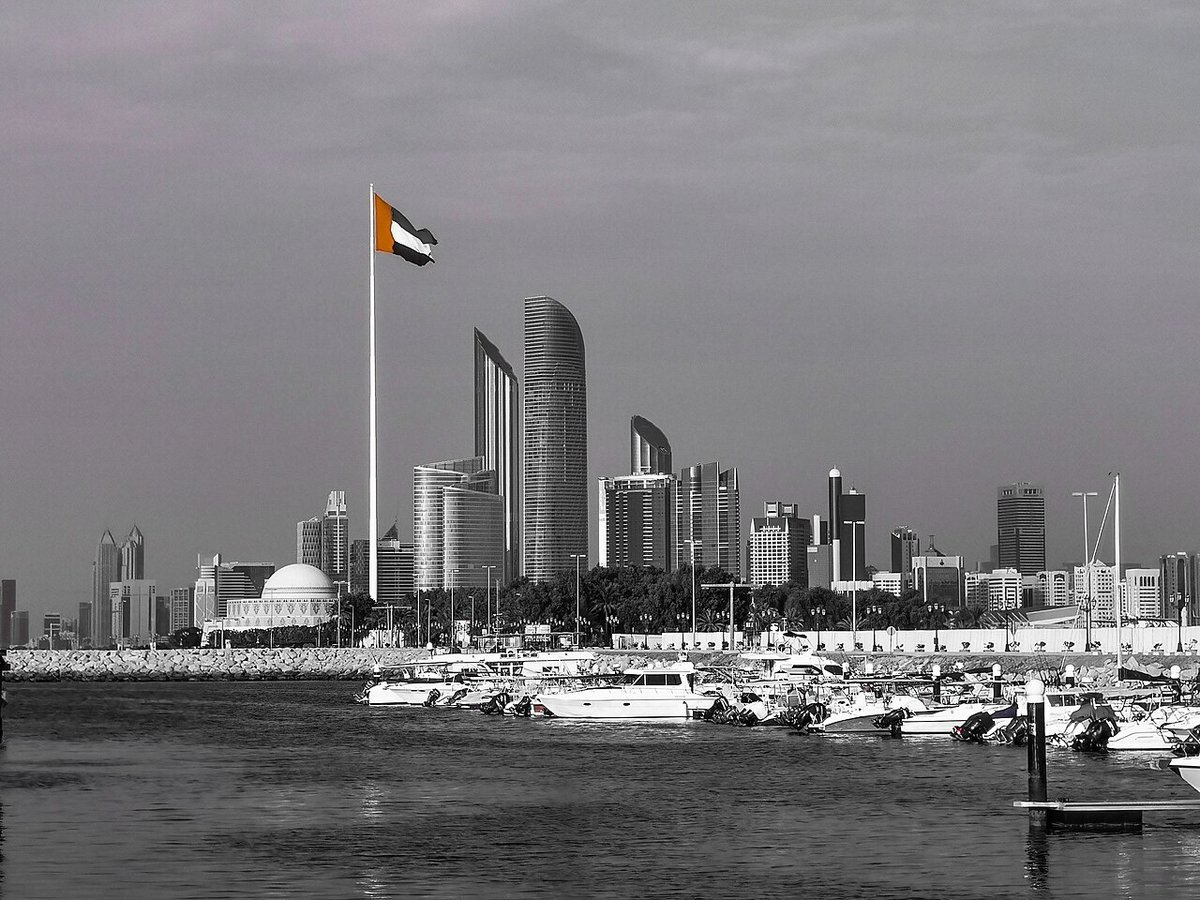
Inside the capital, the government still commands public support. Hundreds of people marched in Mogadishu on Thursday evening as news of the expulsion order spread, and thousands rallied in the capital on Friday in support of the decision, waving Somali flags and chanting slogans backing the government.
One protester, Mohamed Ahmed, told reporters he had joined the demonstration to support the government’s position. The rallies show that, whatever the regional leaders say, the expulsion order has popular backing in Mogadishu itself — at least for now.
But the crowds cannot settle the question at the heart of the crisis: who speaks for Somalia abroad — the federal government in Mogadishu, or the regional administrations that control the ports and the coastline? That question has been open since roughly 2012, when Somalia began the slow work of rebuilding a federal state, and the UAE row has now forced it into the open.
What Happens Next
The 72-hour deadline for the UAE ambassador runs out this weekend, and there has been no word yet on whether the Emirates will answer with measures of its own against Somali diplomats in Abu Dhabi. The GCC’s backing means Mogadishu is now dealing with the whole Gulf bloc, not just Abu Dhabi — and the bloc’s statement pointedly did not address any of Somalia’s core complaints about unauthorised port concessions, parallel security forces or alleged resource smuggling.
For the UAE, the calculation is different. Its embassy has been shut for ten months, its ambassador is not in Mogadishu, and its port and security arrangements with Somaliland, Puntland and Jubaland continue regardless of what the federal government says. Abu Dhabi can afford to wait.
The row is no longer about one ambassador. It is about whether Somalia is one country with one foreign policy — or several regions, each with its own.
Reporting based on statements from the Gulf Cooperation Council and the UAE Ministry of Foreign Affairs, 19 November 2026, and reporting by Garowe Online, FTL Somalia, QNC News and Saxafi. Earlier BNN coverage: Somalia Orders UAE Ambassador to Leave Within 72 Hours, Accusing Abu Dhabi of ‘Open Invasion’
By Umar Farooq
Journalist (UAE) | The BNN Media – The Best News Network
News Beyond the Borders