By
The UN climate summit in Antalya has run past its Friday deadline with nearly 200 countries still split over a draft deal that does not mention fossil fuels, and a third version of the text is now expected on Saturday morning.
By Faseeh Ur Rehman
Senior Journalist | The BNN Media – The Best News Network
News Beyond the Borders
Antalya, Türkiye — The COP31 climate talks were pushed into overtime on Friday, 20 November, after negotiators from nearly 200 countries failed to agree on a final deal by the summit’s scheduled close, with a draft that omits any mention of fossil fuels at the heart of the deadlock. A third draft of the final agreement is expected on Saturday morning, 21 November.
The Deadline Passes, the Talks Go On
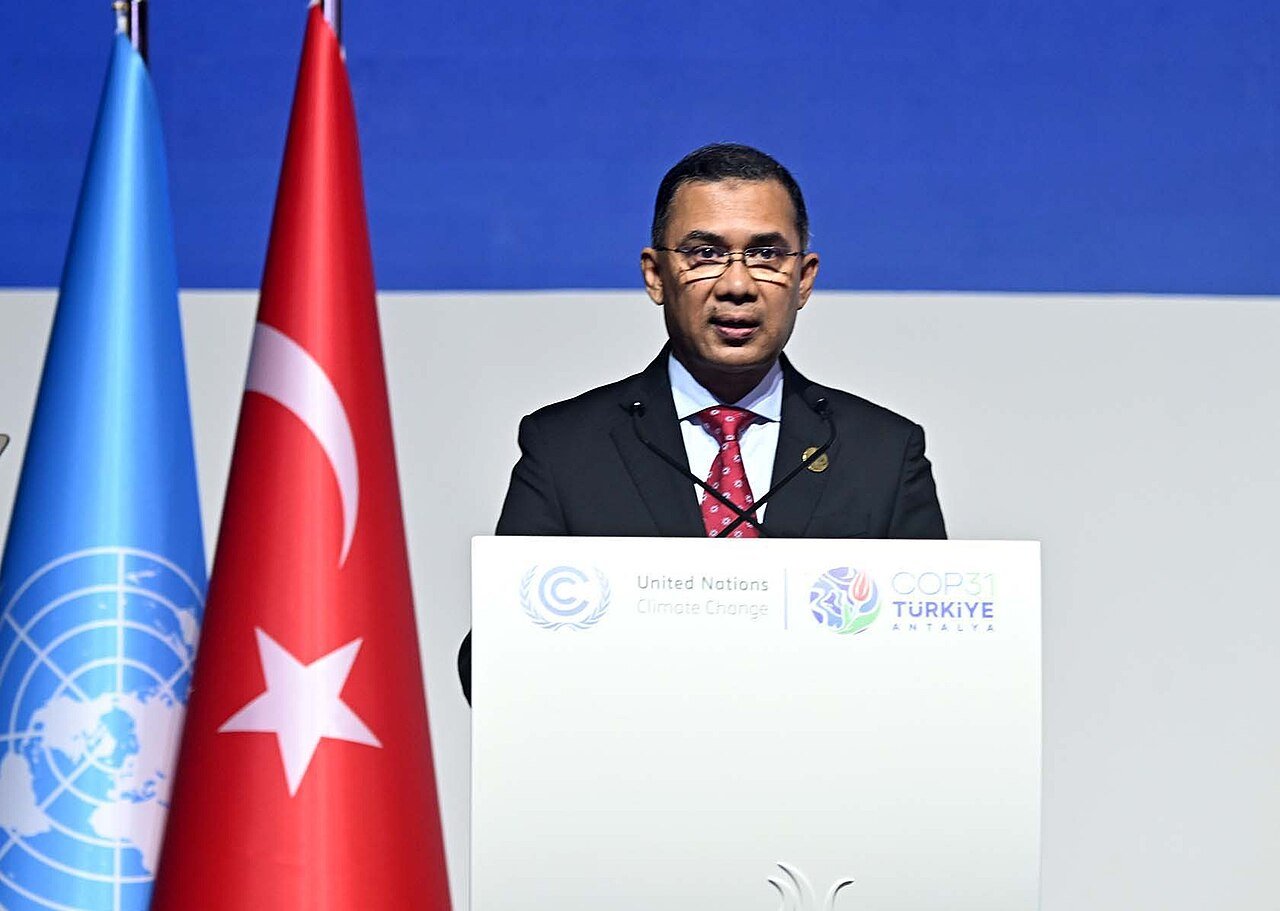
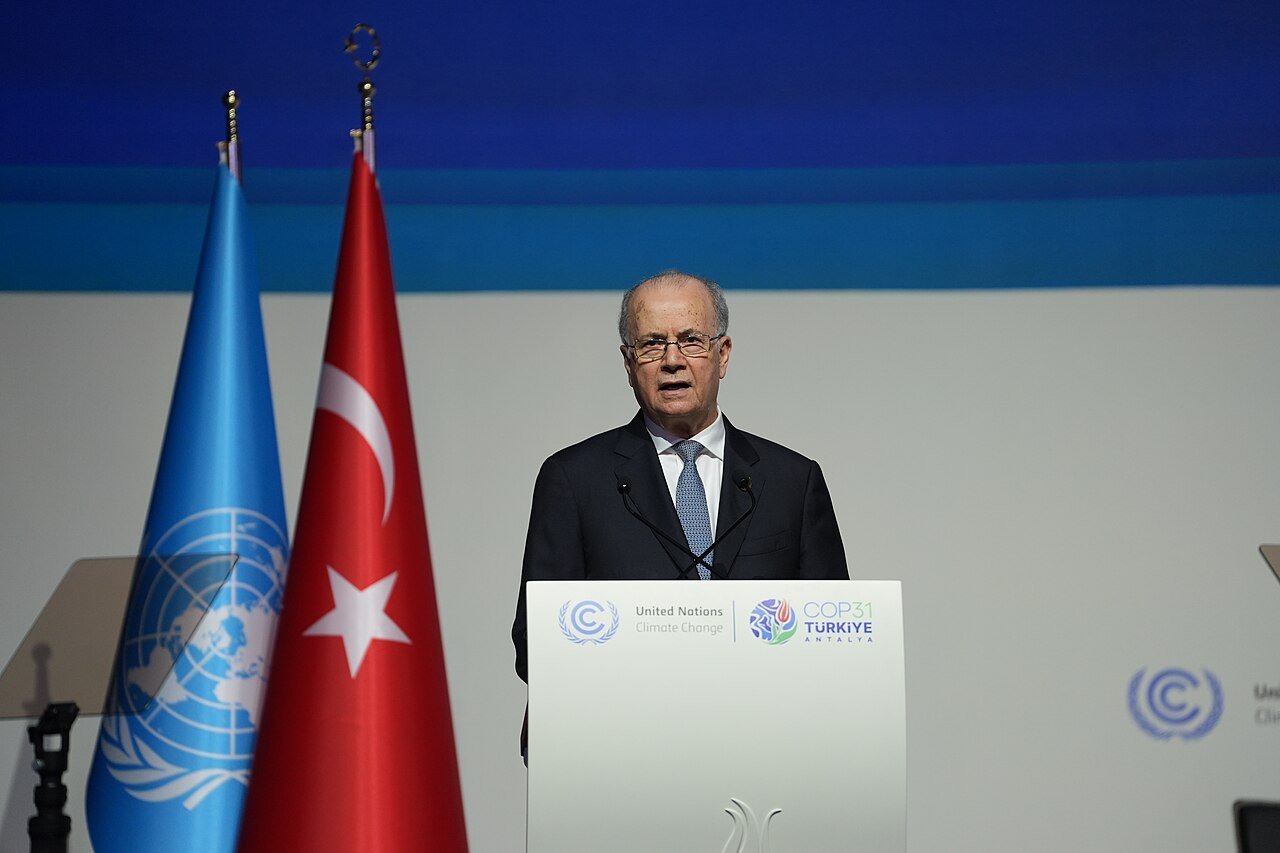
COP31 was due to end on Friday after two weeks of talks in the Turkish Mediterranean city of Antalya. Instead, the 6pm deadline came and went, and a late closing session approved only technical matters — not the wider political deal that is the summit’s main purpose.
The session was later suspended until Saturday morning, and COP31 President Murat Kurum, Türkiye’s environment minister, told delegates: “We are close to the finish line but not there yet.”
During the late-night session, delegates walked past a protest banner reading “failure”, and a demonstrator interrupted Kurum as he spoke, shouting: “You are killing the future, you are killing the future.”
A summit that was supposed to close on Friday will now be decided, if it is decided at all, in overtime on Saturday.
The Missing Words: Fossil Fuels
The central dispute is simple to state and hard to resolve. The first draft of the final decision, released by co-host Australia earlier in the week, called for countries to speed up “transitioning away from fossil fuels in energy systems” — the wording agreed at COP28 in Dubai in 2023.
A slimmer second version, released on Thursday and cut from 144 paragraphs to 80, removed every mention of oil, gas and coal after objections from Saudi Arabia and other major oil and gas producers. The revised text speaks only of an “irreversible global transition towards low greenhouse gas emissions and climate resilience.”
Several countries have demanded that the fossil-fuel language be restored. A European Union official, speaking anonymously, called the latest draft “not acceptable and not ambitious enough.” A coalition of about 20 to 30 countries led by Germany has pressed publicly for explicit fossil-fuel exit language to be put back in, and Panama has warned it would block any final text unless its demands — including an oil-production cap — are met.
If the third draft also fails to name fossil fuels, COP31 would be the second summit in a row whose main decision does not name the fuels behind nearly 90 per cent of the world’s carbon dioxide emissions.
What Else the Draft Drops — and Keeps
The argument is not only about fossil fuels. The second draft also dropped a $120 billion-a-year target to help developing countries adapt to the accelerating impacts of the climate crisis — a target that had been proposed to be reached by 2035. The draft still backs efforts to “at least triple adaptation finance by 2035”, but it names no dollar figure and no timetable, and it sets up an “Antalya-to-Addis Ababa Roadmap” that pushes the details to next year’s summit in Ethiopia.
Other points in the draft:
- The draft proposes raising the share of the world’s final energy consumption that comes from electricity to 35 per cent by 2035, up from roughly 21 per cent today — a flagship Turkish initiative. But it does not say that electricity must come from renewable sources, so the goal could in theory be met by burning more coal and gas.
- The draft gives unusual prominence to carbon capture, use and storage, with a target of storing up to 2.5 billion tonnes of CO2 a year by 2035 — a scale experts and campaigners say far exceeds current storage capacity and could be used to justify continued fossil-fuel extraction.
- The draft says a fund to compensate countries ravaged by climate change should be tripled, but does not specify an amount.
- One paragraph referencing health still stands, but references to the health co-benefits of cutting emissions were stripped from the text.
- The draft also addresses the timing of UN scientific reports and Europe’s carbon border levy — the EU’s charge on carbon-intensive imports — both of which remain disputed.
The draft asks countries to electrify faster and adapt with more money, while leaving open how the power is generated and how much money will actually arrive.
“No One Is Happy”
The mood in Antalya on Friday evening was bleak. Brazil’s national secretary for climate change, Aloisio Lopes Pereira de Melo, told reporters hours before the summit was due to end: “At this point, no one is happy.”
Australia’s climate minister Chris Bowen, who is leading the negotiations as COP31 President of Negotiations, pledged to keep consulting through the night. “We won’t be leaving the rooms of Antalya until we have that consensus,” he said, adding that negotiators were seeking “the most ambitious outcome that consensus will allow.”
Bowen also acknowledged an uncomfortable fact at his press conference presenting the text: COP31 would be the first climate summit to acknowledge that the world will fail to hold warming to the 1.5°C limit set out in the Paris Agreement — while pledging that any overshoot should be kept as small and as short as possible.
Why This Time Feels Different
COP summits almost always run late — the record is the 44-hour delay at COP25 in Madrid in 2019 — and overtime alone is not a failure. What makes COP31 different is the direction of travel: each new draft has said less, not more, about the cause of the crisis.
Fossil fuels went unmentioned in final COP decisions for more than 25 years, largely because of objections by Saudi Arabia, until the language was finally agreed at COP28 three years ago. The fear among many delegations and campaigners in Antalya is that COP31 will now quietly reverse that breakthrough.
The talks are also taking place against a harsh backdrop. The year has brought heatwaves in Europe, devastating floods in Nepal and a record-breaking El Niño, and October 2026 was 1.8°C warmer than the mid-1800s, according to Berkeley Earth. The war in Iran and an oil price shock have added another layer of complexity, sharpening divisions over energy security and the future of fossil fuels.
A summit held in the hottest year of a warming world is struggling to name the thing that is warming it.
What Happens on Saturday
The presidency has promised a third version of the final document on Saturday morning, after overnight talks. The outstanding issues are fossil-fuel language, detailed calls for carbon capture and storage, financial aid for poor countries to adapt, and Europe’s carbon levy.
There is little optimism in the corridors. Among delegates huddling in the halls on Friday evening, there was little hope that a third revision would revive any mention of fossil fuels or yield other meaningful changes, according to reporting from the summit.
If no agreement is reached, some decisions will be put off to next year. Next year’s climate summit, COP32, is scheduled for Addis Ababa, Ethiopia, in November 2027 — which is where the adaptation finance roadmap already points.
The Third COP31 Story in Three Days — What Is New
This is the third day in a row this newspaper has reported on COP31, and the story has changed each day. On Thursday, 19 November, the summit entered its final hours with 21 issues still unresolved and new draft texts landing. On Friday, 20 November, the outcry came when fossil fuels vanished from the latest draft on the summit’s closing day. Our report on that draft is here: COP31: Outcry as Fossil Fuels Vanish from Latest Draft Climate Deal on Summit’s Closing Day.
Today’s story is the new development only: the deadline has passed, the summit is in overtime, the closing session approved technical matters only, and a third draft is expected on Saturday morning. Nothing in this report re-argues the 19 and 20 November drafts as if they were new — they are the background to a negotiation that has now run out of scheduled time.
Whether Saturday produces a deal, a watered-down text or a deferral to Addis Ababa, the question COP31 will be judged on is the one it has spent two weeks avoiding: can nearly 200 countries agree, in writing, to move away from fossil fuels?
By Faseeh Ur Rehman
Senior Journalist | The BNN Media – The Best News Network
News Beyond the Borders