By
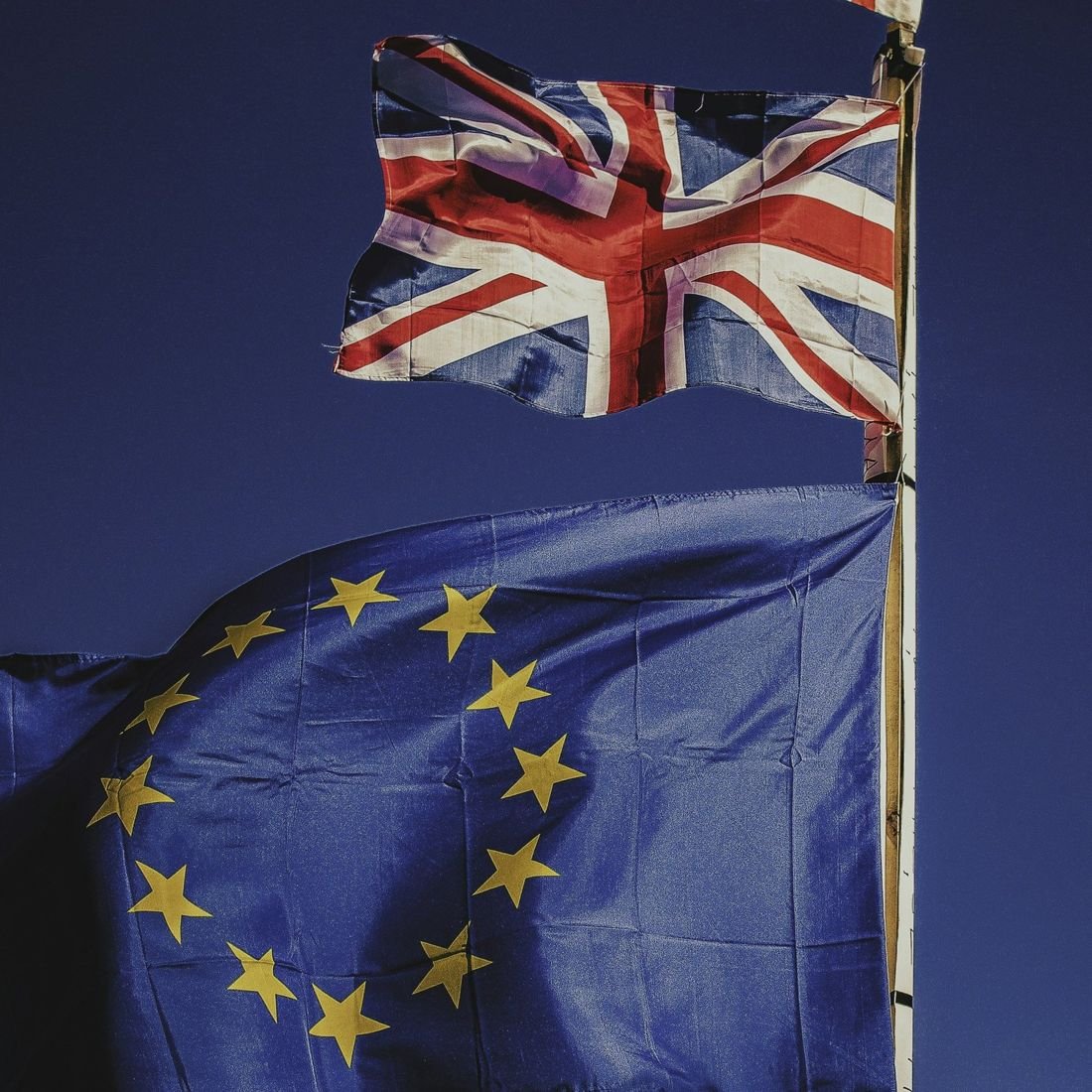
A decade after the Brexit vote, Prime Minister Andy Burnham has struck the biggest package of agreements with the European Union since Britain left — covering food trade, carbon markets and a new youth scheme.
By Shoaib Khan
Chief Journalist | The BNN Media – The Best News Network
News Beyond the Borders
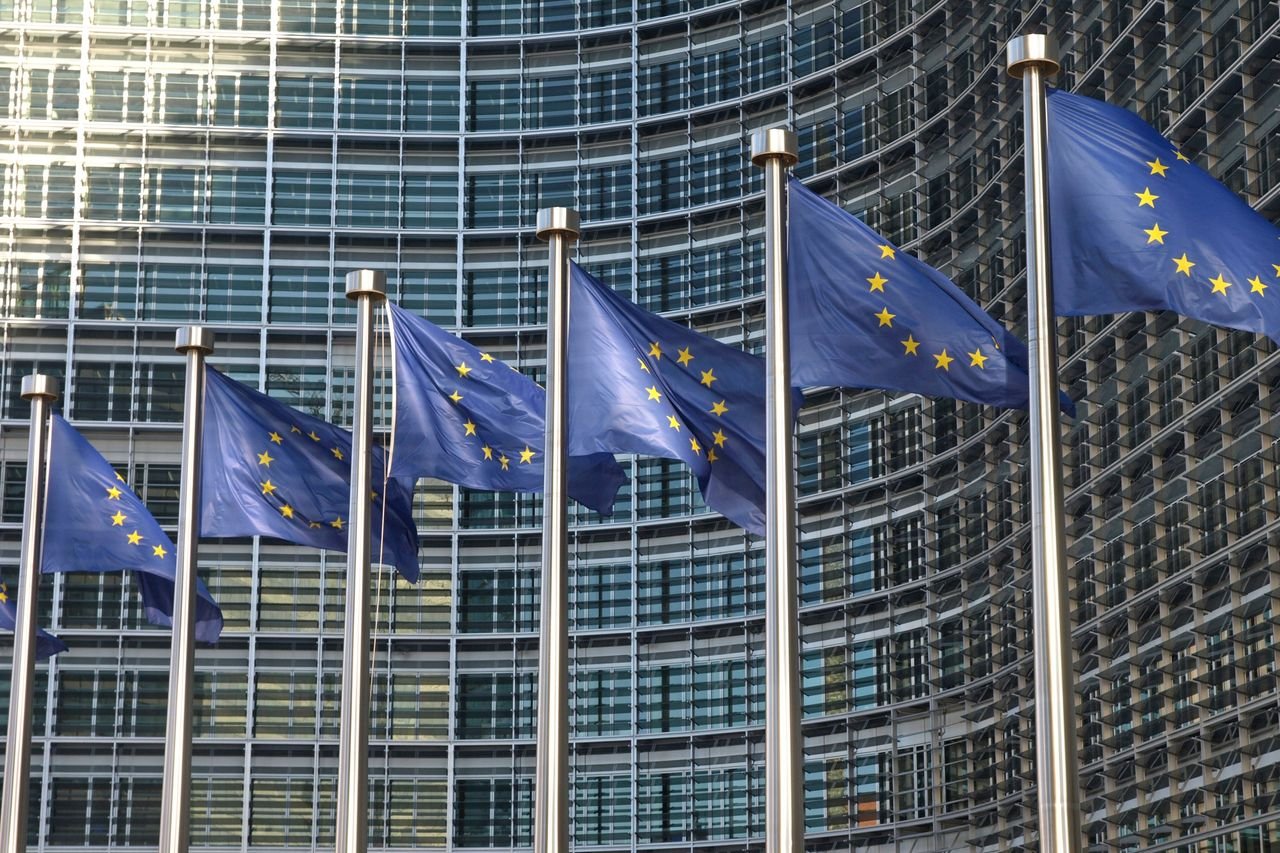
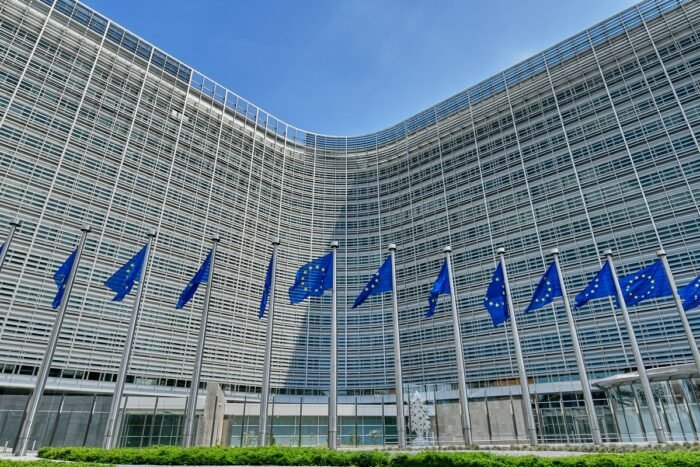
Brussels, Belgium — Britain and the European Union signed a landmark package of agreements at a summit in Brussels on Friday, easing food trade, linking their carbon markets and opening a youth mobility scheme for young people on both sides. Prime Minister Andy Burnham called the deal “landmark”, saying it draws a line “on a decade of drift and division by reconnecting with old friends”, while European Commission President Ursula von der Leyen called it a “turning point” in UK-EU relations.
Three agreements in one day
The summit produced three separate deals, each negotiated as part of a reset in relations that Burnham has pursued since taking office. Together, they are the most substantial steps towards the bloc since Brexit — and the government says they could add up to 0.5 per cent to the British economy.
The package covers food and farming, the trade in carbon permits, and the right of young people to live, work and study across the Channel. Each deal has its own timetable, and one important question — university tuition fees — was left for further negotiation.
Ten years on from the Brexit vote, this is the first summit to produce a package of this scale — and the first to be described by both sides as a turning point.
Food: an end to most post-Brexit checks
The most significant agreement economically is on agri-food trade. From 1 March 2028, animals, plants and related products — including sausages, cheese, apples and seeds — will be able to cross between Britain and the EU without the certificates and controls that have applied since Brexit.
Britain estimates the deal could add up to £5.1 billion a year to its economy. The scale of the damage it aims to repair is stark: UK food, drink and feed exports to the European Union fell by 26 per cent in value between 2019 and 2025, according to a House of Lords paper cited by Reuters.
The price of the deal is alignment: Britain will need to follow EU food and plant safety rules, an arrangement that Brexit supporters oppose. Burnham argued the benefit would be felt in ordinary life, saying the agreement would cut the cost of the weekly shop for British families.
Carbon: linking the two emissions markets
The second agreement links the emissions trading systems of Britain and the EU from 2028. A carbon allowance from either market will be usable for compliance in the other, increasing liquidity in both.
The practical effect is to exempt British and EU goods — including steel and aluminium — from each other’s carbon border levies. Britain says the arrangement could add up to £3.8 billion a year to the economy and exempt some £6.5 billion of exports from critical industries from paying the EU’s carbon tax.
The timing matters. The EU’s Carbon Border Adjustment Mechanism took effect in January 2026, imposing an emissions fee on imports of steel, cement, aluminium, fertilisers, electricity and hydrogen. Britain will launch its own carbon border mechanism from 1 January 2027, covering the same sectors except electricity.
Youth mobility: 100,000 places a year
The third agreement creates a youth experience scheme allowing citizens aged 18 to 31 from each side to live, work or study in the other’s territory for up to three years. The scheme is expected to be available no later than January 2030.
The numbers were hard-fought. Britain, mindful that immigration was a factor behind the Brexit vote, had proposed 50,000 places on each side per year; the final agreement is 100,000 per year on each side.
For young Britons, it reopens a door that has been largely closed since Brexit — the chance to live and work on the continent — and for young Europeans, a route back into Britain.
The row that still hangs over the deal
Not everything was settled in Brussels. A last-minute row over university tuition fees — whether EU students studying at British universities should be charged the same as British students — remains unresolved, and EU member states pressed for concessions on the issue.
A joint statement released on Friday said the two sides would work towards an agreement on tuition fees, with negotiations expected to conclude within six months. Burnham insisted there was “no confusion” about the deal going ahead, but reports from the summit said some member states wanted the package’s implementation linked to a tuition-fee settlement.
The summit itself had a long road behind it. It was postponed from July after the resignation of Burnham’s predecessor, Keir Starmer, and was largely a product of Starmer’s approach: Nick Thomas-Symonds, who served as Europe minister under Starmer, told CNN the deal was “90% there” when Burnham’s team took over.
What comes next: a year of “brainstorming”
Burnham used the summit to look beyond the three agreements. He said the next 12 months would be spent “brainstorming” ideas with the EU for the future relationship, and he is expected to set out his view on the options — including closer ties, and even rejoining the bloc — as part of a 10-year plan to be unveiled in December.
“We’re 10 years on from Brexit, but I think we can all confidently say this is a good day for Britain, and this is a good day for Europe. The agreement that we’ve reached together is a win-win,” Burnham said at a news conference after the summit. The Times reported that Burnham said the package would boost the economy by £17 billion by 2040.
The two sides also agreed a new “structured dialogue” on migration and closer work on the Channel action plan against the people-trafficking operations behind the small-boats crisis. Von der Leyen set out further areas for collaboration, including economic security, defence capabilities, artificial intelligence and illegal immigration.
Until now, the reset had delivered few tangible results beyond an agreement for Britain to rejoin the Erasmus student exchange programme next year. Friday’s summit changed that — and the year of talks ahead will decide how far the new relationship goes.
The food deal, the carbon link and the youth scheme are the biggest steps back towards Europe since Brexit — but the tuition-fee row and the year of “brainstorming” ahead will decide whether this landmark becomes a staging post or a destination.
By Shoaib Khan
Chief Journalist | The BNN Media – The Best News Network
News Beyond the Borders