By
President Donald Trump says he wants a nuclear deal with Iran so lasting that no future president — competent or not — could ever let Tehran build a bomb. Tehran says it is open to a deal, but its enriched uranium stays in Iran and the American blockade must end.
By Shoaib Khan
Chief Journalist | The BNN Media – The Best News Network
News Beyond the Borders
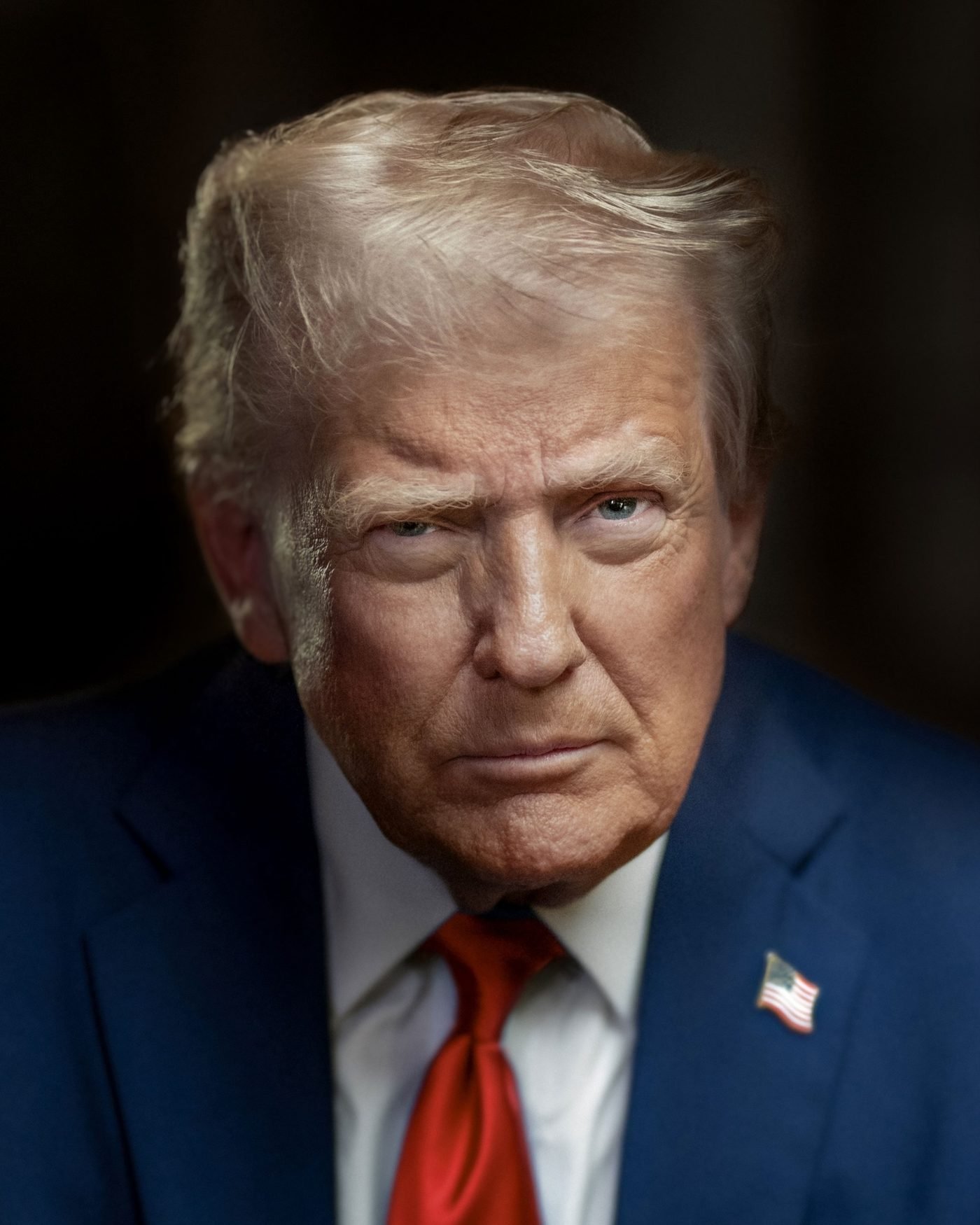
Washington, D.C. — President Donald Trump said on Saturday that he is seeking a permanent deal with Iran that will ensure it never acquires nuclear weapons, telling Fox News the agreement must hold no matter who follows him into the White House.
“If we have an incompetent president in four years, or 15 years, or 20 years, I’m going to make a deal that is going to be permanent. I’m not going to let somebody allow them to have a nuclear weapon,” Trump said in a phone call with anchor Kayleigh McEnany on the programme “Saturday in America”.
“A Deal That Is Going to Be Permanent”
Trump made clear he was not chasing a short-term arrangement. He said he had never cared much about the Iranian regime itself, and described the country’s new leadership as “more reasonable” than its predecessors — but also very difficult to deal with.
“I’ve taken out two regimes already. I’ve taken out the first group, the second group, we’re dealing with the third group; so you can call it the ultimate regime change and, you know, the attitude isn’t much different. Probably these people are more reasonable, and they’re very difficult. I mean we make a deal and they break it the next day.”
The remarks came a day after Trump spoke at a White House press conference on Friday, following his return from a trip to China, with Vice President JD Vance and Secretary of State Marco Rubio standing behind him. There he said the Iranian regime wants to make a deal, but not “a deal that’s acceptable to me”.
“We want to make a real deal, not a fake deal. … They’ve been bullshitting people for 51 years,” Trump said in the West Wing.
The War, the Midterms and “Would You Do It Again?”
At Friday’s press conference, Vance was asked whether the war against Iran earlier this year was worth it, given that the Democratic Party secured a majority in the US Senate in the midterm elections on 3 November.
“What I’ve said is the goal of keeping Iran from getting a nuclear weapon is absolutely what we need to be doing,” Vance responded. “It’s the biggest state sponsor of terrorism. If they had a nuclear weapon, they would use it as leverage, or, God forbid, they would attack and kill thousands, hundreds of thousands, potentially of innocent people.”
Vance had tied the Republicans’ election losses to the Iran war in a post on X on 4 November, writing: “The reason we lost is the war.” Trump said on Friday that he thought the statement was fine — except for one thing he would have added. Asked whether he would do it again, he said, “absolutely the answer is yes, because we cannot allow Iran to have a nuclear weapon.”
Trump acknowledged the war’s economic toll on fuel prices, but said he had initially thought the price of crude oil would soar to $300 per barrel. He also repeated his claims about the Iranian regime — that it started the war 51 years ago and killed 75,000 protesters over the last eight months — calling it “a very evil group of people” that cannot be allowed to have a nuclear weapon.
Trump is defending the war that cost his party the Senate, and using it as the reason a permanent deal is now necessary — a deal no successor can undo.
Tehran’s Red Lines
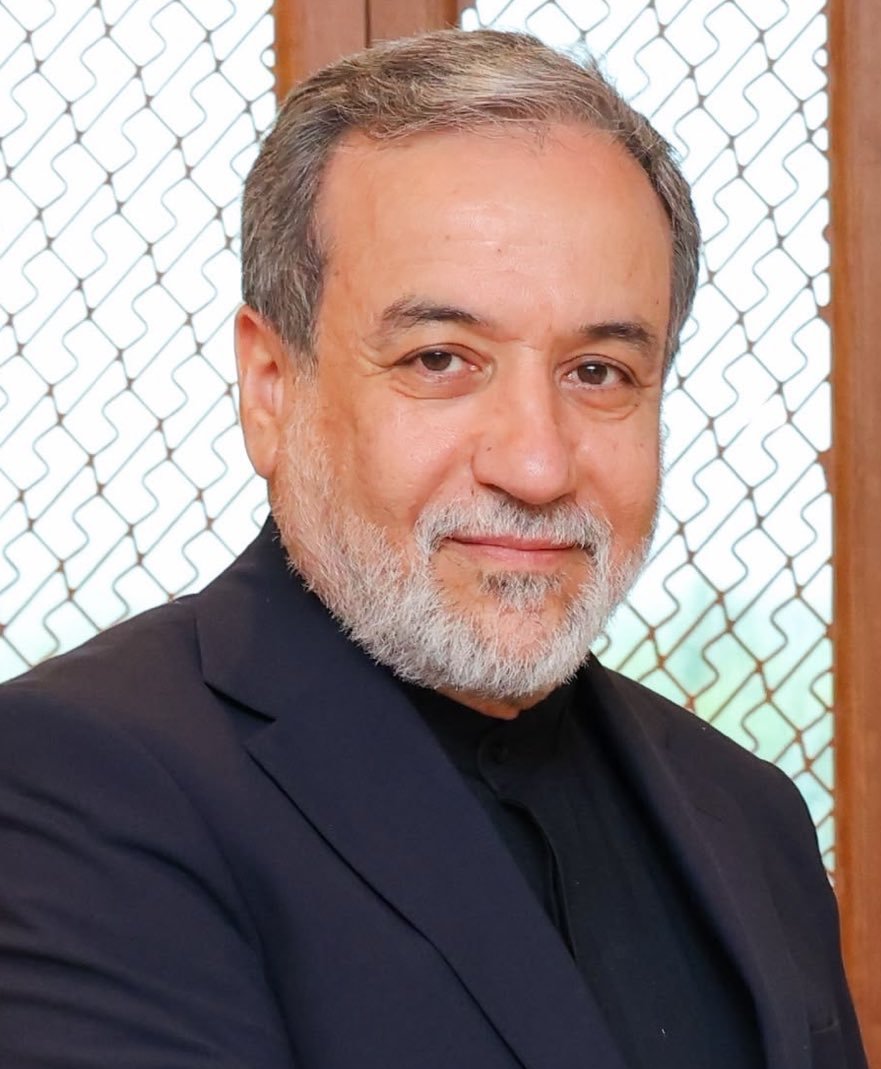
Tehran, for its part, says it remains open to an agreement — but on its own terms. Iranian Foreign Minister Abbas Araghchi told an Iranian state newspaper on Saturday that his country is open to reaching a deal with Washington, while insisting that giving away its enriched nuclear material is a “red line” in negotiations. He added, however, that he believes “a fair solution” can be reached.
Araghchi confirmed that messages continue to pass through mediators, and demanded an end to the US blockade of the Strait of Hormuz. “Our position is clear: as long as Iran’s demands are not met, the discussion on the Strait of Hormuz and its opening is pointless,” he said, according to state television. He urged that regional negotiations be “given a chance”.
Iranian Deputy Foreign Minister Kazem Gharibabadi said a Qatari delegation arrived in Tehran for two hours of consultations, and set out Iran’s conditions: an end to the war on all fronts, the lifting of the economic blockade, and the release of frozen Iranian assets.
Meanwhile, US special envoys Steve Witkoff and Jared Kushner met in Berlin on 19 November with senior Qatari officials to discuss terms to resume the ceasefire between the US and Iran, according to Axios correspondent Barak Ravid, citing two sources with knowledge of the matter. Qatari Prime Minister Sheikh Mohammed bin Abdulrahman Al Thani attended the meeting. Trump’s remarks on Saturday followed an announcement last week that he had instructed Vice President Vance to withdraw from negotiations with Tehran.
What Is Left of Iran’s Nuclear Programme
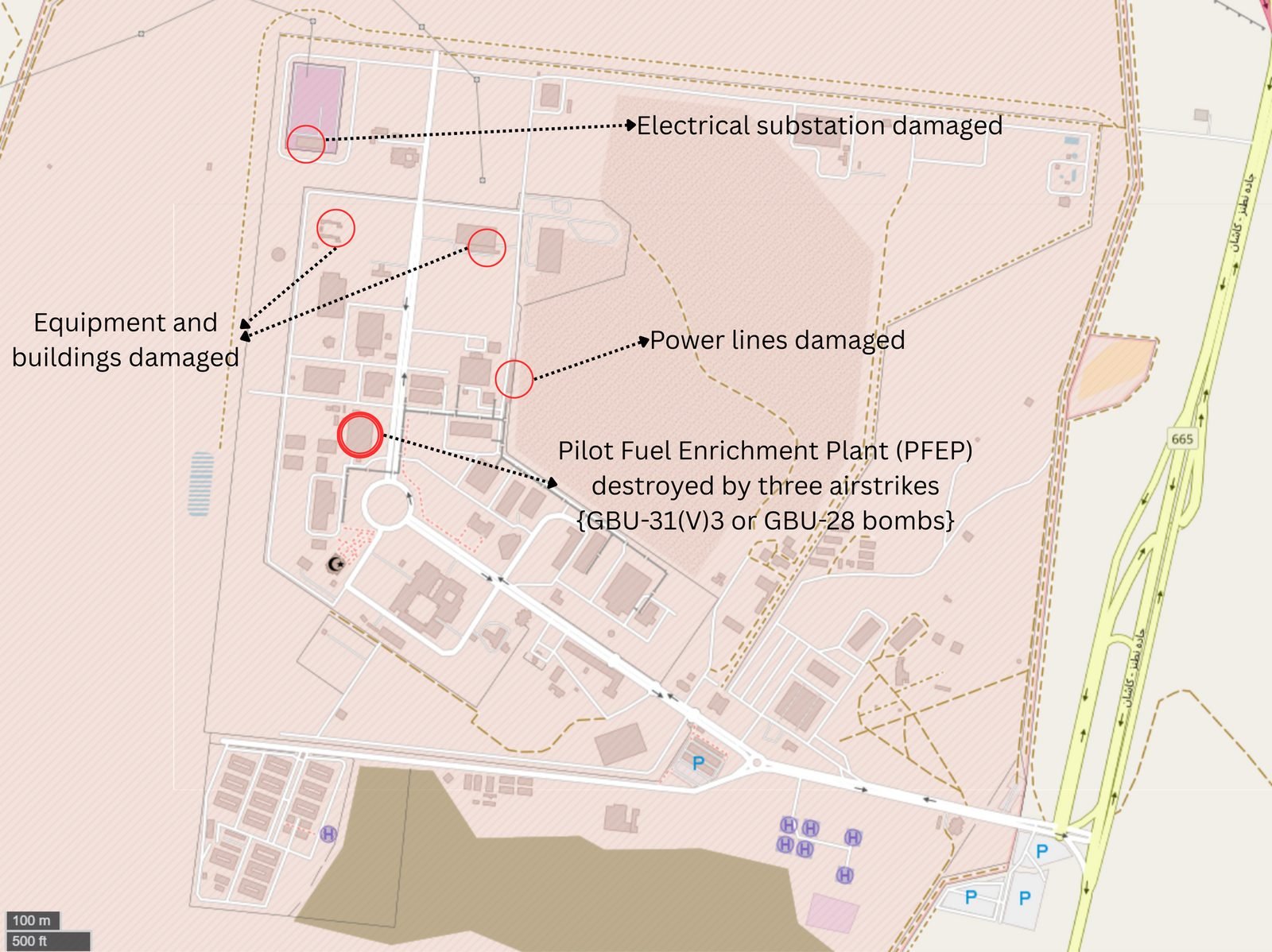
At the heart of any deal is a question neither side has answered: what remains of Iran’s nuclear programme, and where is its enriched uranium?
In a joint statement on Thursday, the US, Britain, France and Germany called on Iran to restore international inspections of its nuclear facilities, warning that the whereabouts of its highly enriched uranium stockpile remain unverified. The four governments accused Tehran of obstructing the International Atomic Energy Agency’s efforts to monitor its programme, saying that “for a year and a half, the Agency has lost continuity of knowledge regarding Iran’s previously verified stockpile of high-enriched uranium”.
The facilities themselves were hit hard in the war earlier this year. Iran’s nuclear sites, including the enrichment complex at Natanz, were struck in Israeli and American attacks, and Tehran has been working to rebuild its ballistic missile production and move nuclear infrastructure underground.
War Still on the Table
Diplomacy is not the only track. CBS News reported on Friday that the United States and Israel are considering launching a military offensive against Iran in the near future, citing sources familiar with the discussions. According to the report, Jerusalem is increasingly concerned about Tehran’s efforts to rebuild its ballistic missile production and move military and nuclear infrastructure underground. The Israel Defense Forces are prepared for another round of fighting and have heightened their defensive readiness. Israeli Prime Minister Benjamin Netanyahu reportedly favours a joint operation with Washington — although Trump has yet to decide whether to authorise renewed strikes.
Trump told Israel’s Channel 12 on Thursday that he was “not rushing into any decision”, adding: “We will see what happens after the beginning of the year.” The report followed meetings in Washington last week between Mossad Director Roman Gofman and senior US officials, including CIA Director John Ratcliffe. US Central Command chief Adm. Brad Cooper also met senior Israeli defence officials on Wednesday for what the IDF described as a joint assessment of the security situation.
Tensions at sea continued on Saturday. British maritime agency UKMTO reported that two tankers transiting the Strait of Hormuz came under attack in two separate incidents — one struck in its engine room, the second on the stern, each by an unknown projectile, with no injuries reported. A third tanker was struck by a projectile the previous day, starting a fire on board, again with no injuries reported. Iran also claimed it had shot down a US drone over Qeshm Island in the strategic waterway.
US Central Command on Saturday marked 130 consecutive days of its forces’ blockade of Iran, saying its service members were preventing Iran’s Islamic Revolutionary Guard Corps from exporting billions of dollars in crude oil. CENTCOM also dismissed an IRGC claim that it had downed a US F-16 fighter aircraft on Friday, saying: “All U.S. military fighter jets in the Middle East are safe and accounted for.”
Treasury Secretary Scott Bessent, appearing on Newsmax on Friday, predicted the personnel within the Iranian regime would “soon start turning on each other”, calling them “wounded, cornered animals” and saying he believed the pressure would bring them to the table “to make a deal that they want to keep”.
What Happens Next
The two sides are talking past each other through mediators, with Qatar in the middle and the envoys Witkoff and Kushner working the diplomatic track in Berlin. Trump says he is not rushing, and has left the door open to further military action if diplomacy fails. Tehran says it will talk — but not about giving up its enriched uranium, and not while the blockade stands.
- Trump wants a “permanent” deal ensuring Iran never gets a nuclear weapon, one that survives any future president.
- Tehran’s red lines: enriched uranium stays in Iran; the US blockade must end; frozen assets must be released.
- The US, Britain, France and Germany demand Iran restore IAEA inspections; the whereabouts of its highly enriched uranium are unverified.
- The US and Israel are considering a renewed offensive, CBS reported, but Trump says he is “not rushing into any decision”.
- Two tankers were attacked in the Strait of Hormuz on Saturday, and CENTCOM marked 130 days of its blockade of Iran.
A permanent deal, a red line on enriched uranium, and a war that may or may not be over — the gap between Washington and Tehran is still wide, and the next move belongs to the negotiators in between.
Reporting based on JNS, 21 November 2026; The Media Line via SRN News, 21 November 2026.
By Shoaib Khan
Chief Journalist | The BNN Media – The Best News Network
News Beyond the Borders