By
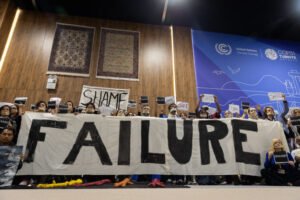
Two weeks of talks and two days of overtime ended in failure on Sunday as nearly 200 nations left Antalya without a climate pact, after the European Union and other countries refused to accept a draft that made no mention of fossil fuels.
By The BNN Media
The Best News Network
News Beyond the Borders
Antalya, Türkiye — The United Nations climate summit COP31 ended on Sunday, 22 November 2026, without a climate pact, after more than two weeks of negotiations that ran two days into overtime, making it the longest COP on record. COP31 President Murat Kurum told the closing plenary that there was no agreement on the draft text and the decisions had not been adopted, bringing the Antalya talks to a close with no overarching deal.
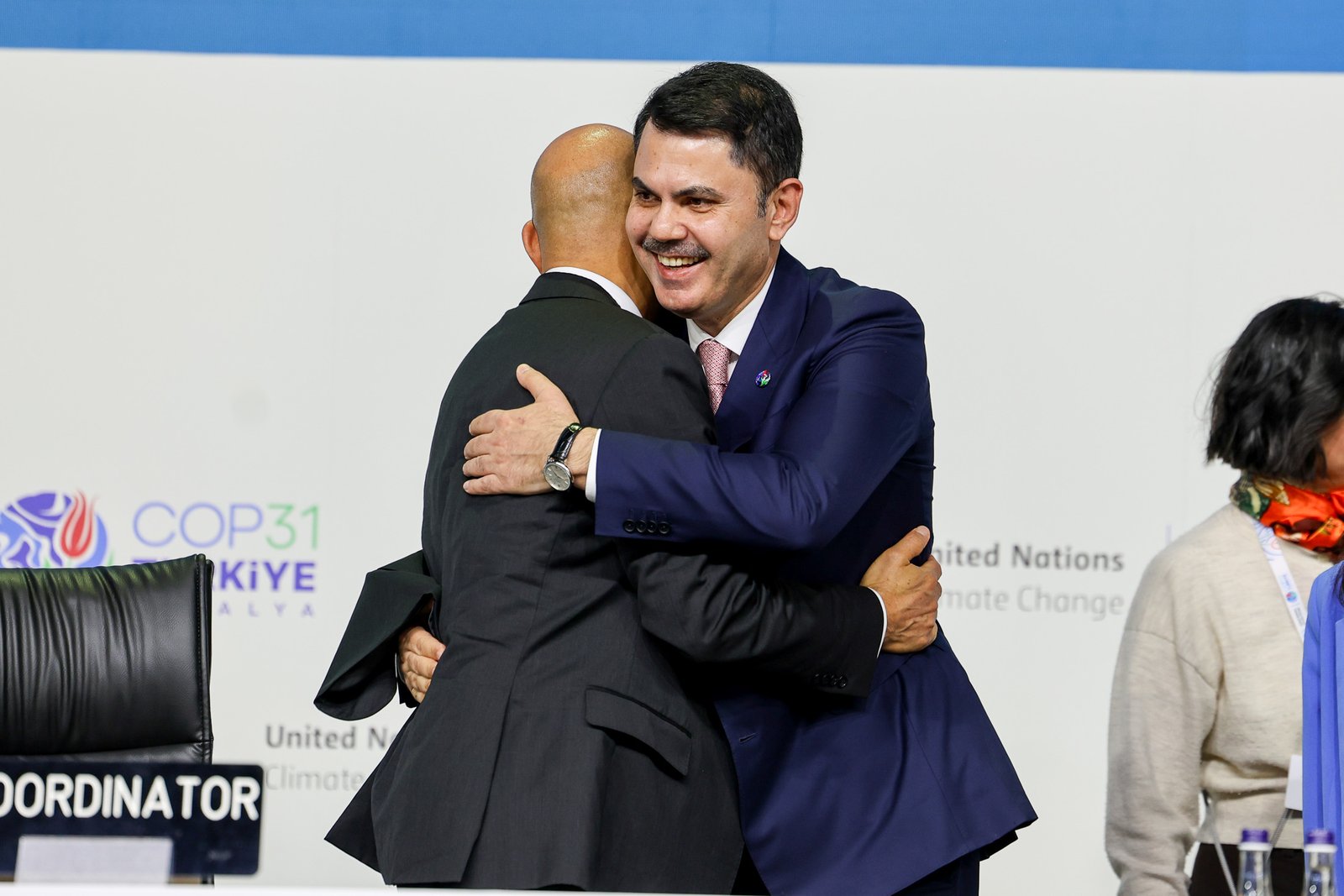
The moment the talks fell apart
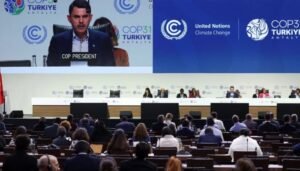
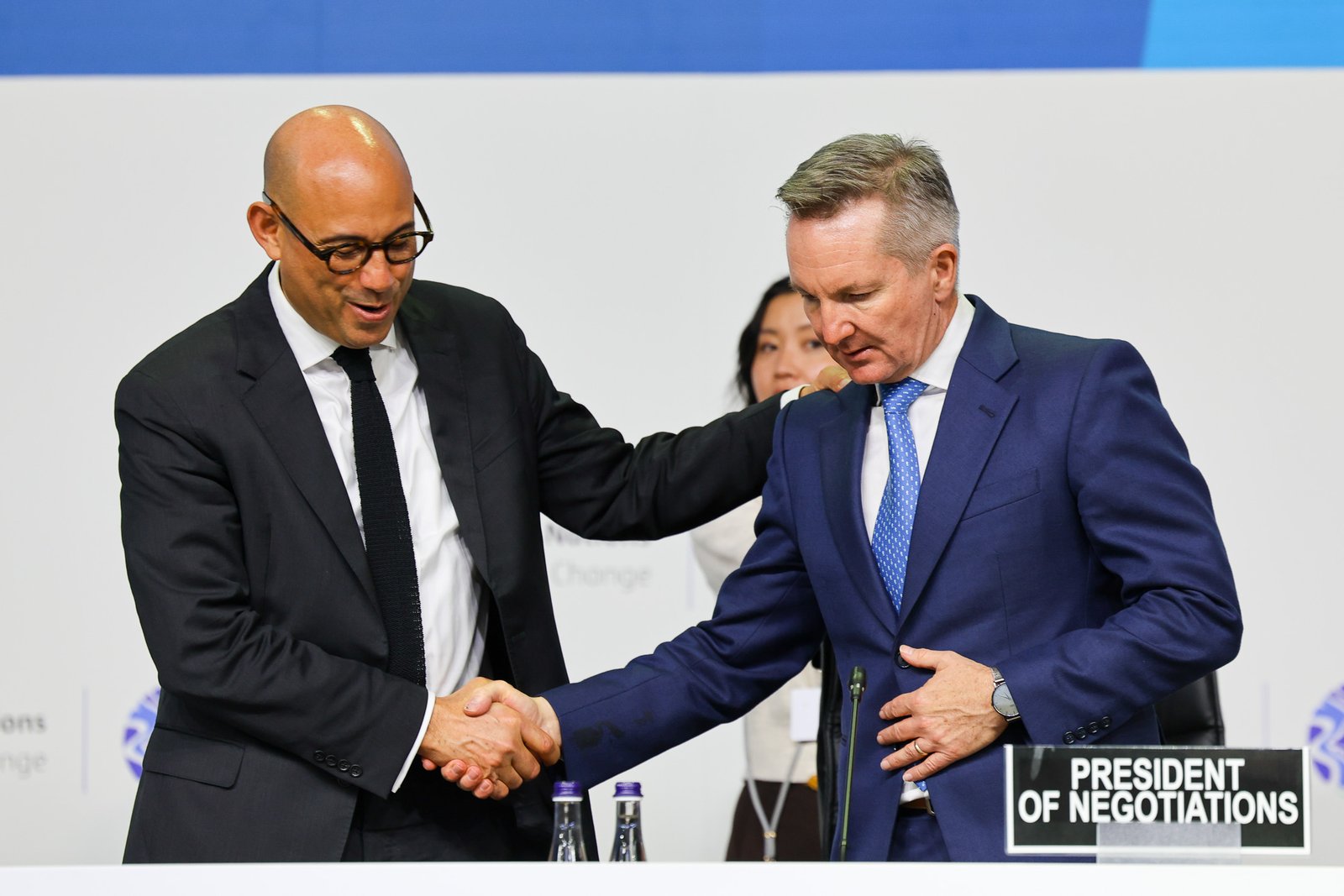
The end came at the closing plenary of the summit at the Antalya Expo Centre, where delegates had gathered to approve the so-called Antalya Pact. After days of deadlock, it became clear that the consensus required under United Nations rules was not there. Kurum, Türkiye’s environment minister, told the hall: “I understand that there is no agreement on this text. For that reason, these decisions have not been adopted.”
He added that there would be no further attempt to produce a new draft. “There is nothing to do, we did all that we could,” he said. “There will be no new text from now on. We will not be carrying out work on a new text in an environment where there is no consensus.”
The conference had been scheduled to end on Friday, 20 November, but talks stretched deep into the weekend as negotiators tried to find a last compromise. By Sunday, COP31 had passed the previous record for the longest climate summit, set at COP25 in Madrid in 2019, which finished 44 hours after its scheduled close. The longest climate summit in history ended with no deal.
The fossil fuel line that could not be crossed
The breaking point was the very cause of climate change itself: fossil fuels. The final draft of the cover decision, circulated in the early hours of Sunday, contained no mention of fossil fuels, oil, coal or a phase-out. The words “fossil”, “oil”, “coal” and “phase-out” did not appear anywhere in the text. Instead, the draft only recalled the agreement reached three years ago in Dubai, where countries pledged to “transition away” from fossil fuels.
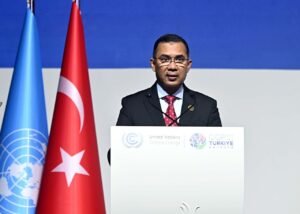
That omission was unacceptable to the European Union and a wide group of other nations. Darragh O’Brien, Ireland’s climate minister, speaking on behalf of the EU, told the plenary that the bloc “strongly objects to this text”, saying it was “unconscionable” that a climate agreement would make no reference to fossil fuels. “These decisions go nowhere near the level of action that’s required to deal with climate change,” he said.
Britain also rejected the draft. Miatta Fahnbulleh, the UK energy secretary, called the outcome “immensely disappointing” and said the draft “moves us backwards on the science”. Panama formally objected as well, and the Marshall Islands withheld its support, warning that accepting the text would amount to a betrayal of its people. For the countries demanding a clear signal on fossil fuels, a weak deal was worse than no deal at all.
What the draft did — and did not — contain
The draft was not empty. It carried a Turkish presidency proposal to raise electricity’s share of total final energy consumption from about 21 percent today to 35 percent by 2035, and it set a goal of capturing, reusing and storing one billion tonnes of carbon dioxide through carbon capture and storage. It also proposed speeding up the adoption of electric cars and heat pumps, and it recorded deep concern that the 1.5°C warming limit is on course to be exceeded in the coming years.
But for its critics, those elements could not make up for what was missing. The draft set no roadmap for moving away from coal, oil and gas, and it dropped a proposed target of 120 billion US dollars a year in adaptation finance for developing countries, offering instead only to discuss a pathway towards tripling adaptation finance in 2027. Campaigners also argued that the heavy emphasis on carbon capture risked giving the fossil fuel industry a way to keep producing while promising to bury its emissions.
The World Resources Institute was blunt in its assessment. “The hollow outcome at COP31 was a failure of political leadership, not a failure of the Paris Agreement,” said Ani Dasgupta, the institute’s president and chief executive. Because no consensus was reached, the draft Antalya Pact — along with all of its elements — has no formal standing.
A divided hall
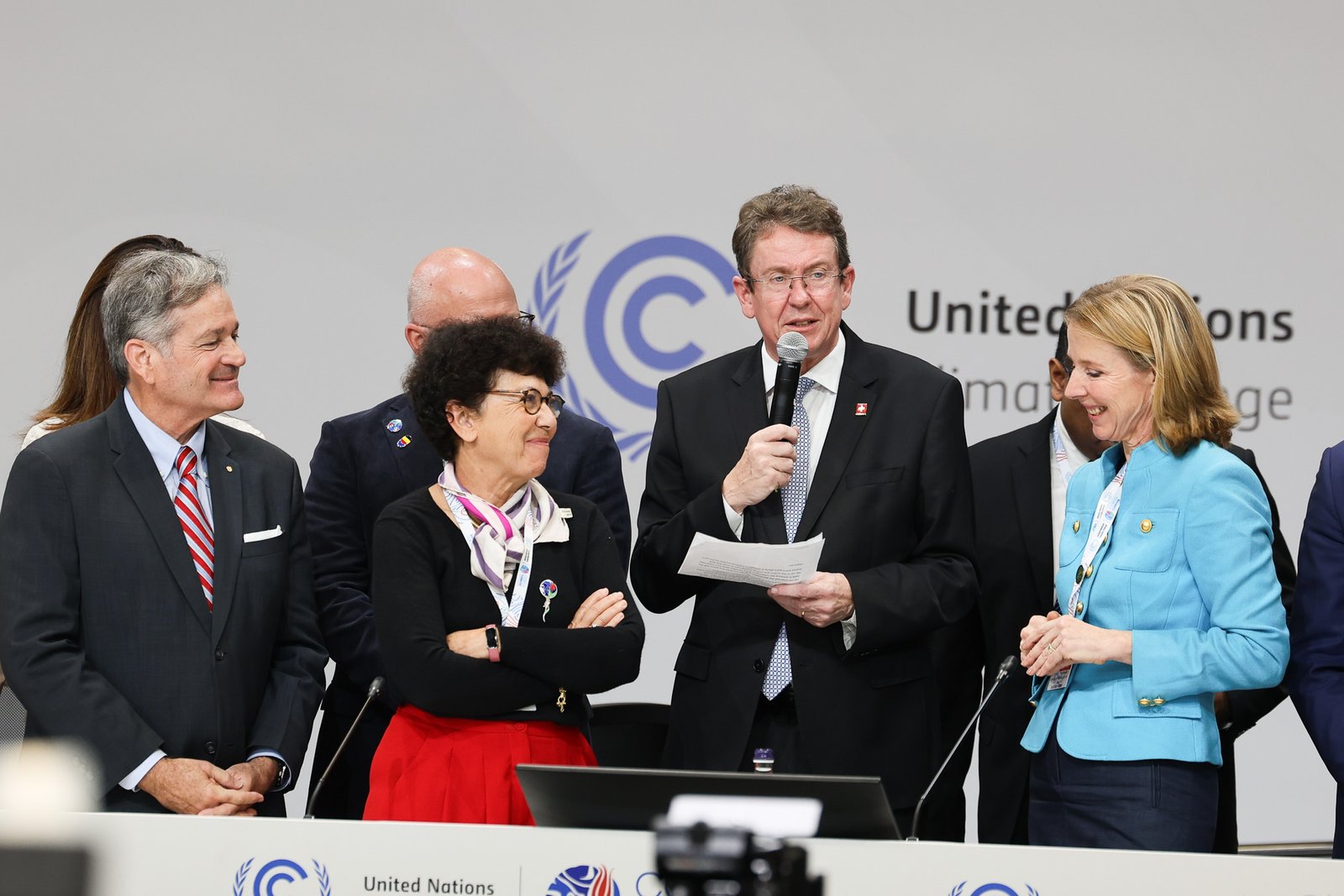
The closing plenary laid bare how split the nearly 200 delegations were. Russia said it could not agree to any mention of fossil fuels in the text. Saudi Arabia, speaking for the League of Arab States, defended the draft’s references to carbon capture and storage, arguing that scientific assessments recognise a role for the technology and that all viable climate solutions should remain on the table.
Pakistan urged delegates to keep working towards consensus, warning that climate action requires “bridges, not barriers”. Ghana, speaking on behalf of the African Group, acknowledged shortcomings on climate finance, loss and damage and the just transition, but said the group would not stand in the way of consensus. The EU, however, held its line. O’Brien accused some oil-producing states of “hijacking” the talks and said the bloc “will not accept a COP that greenwashes fossil fuels”.
The co-presidency of Türkiye and Australia had circulated several compromise drafts in an effort to bridge the gap, including one that acknowledged the world is on course to exceed 1.5°C of warming. None of them survived contact with the plenary floor. When every country holds a veto, one disputed paragraph can sink an entire summit.
The UN chief’s verdict
UN Secretary-General António Guterres said he was “deeply disappointed” that COP31 had ended without consensus on an overarching outcome. “There may be no consensus in the negotiating room. There is no ambiguity in the science,” he said in a statement, warning that global temperatures continue to break records, climate impacts are intensifying and greenhouse gas emissions remain dangerously high.
Guterres took aim at what he called “powerful fossil fuel interests”, saying: “We can’t put out the fire while pouring fuel on it.” He noted that governments had already agreed at COP28 in Dubai to transition away from fossil fuels and said the priority now must be to accelerate and finance that shift, with deeper emissions cuts this decade, stronger support for vulnerable countries and substantially increased adaptation finance.
He also spoke directly to campaigners, young people, Indigenous Peoples, scientists and frontline communities, urging them to keep pressing for action. “The climate crisis will not wait for governments to find common ground. Neither can we,” he said. “Keep spreading the facts. Keep demanding action. Keep turning up the heat.”
What was agreed — and what happens next
The collapse of the main deal does not wipe out everything from Antalya. During the summit, delegates did adopt some decisions that had been finalised, including measures on international cooperation under Article 6 of the Paris Agreement, matters relating to the least developed countries, and the periodic review of the long-term global goal. The obligations agreed at previous climate conferences also remain in force.
But the failure to agree a political declaration leaves the biggest questions unresolved. There is no new collective signal on fossil fuels, no agreed figure for adaptation finance, and no shared plan for keeping the 1.5°C goal within reach. Negotiators now face a choice between convening a special meeting before next year’s summit or carrying the disputes on to COP32 in Addis Ababa, Ethiopia.
The outcome is a sharp reversal from the mood only days ago, when COP31 was reported to be close to a final deal as the summit presidency put a new package to nearly 200 nations. That package never became an agreement. It is the first time since COP6 in The Hague in 2000 that a climate summit has ended without a deal.
Why Antalya matters
- COP31 ran two days past its scheduled finish, becoming the longest UN climate summit on record.
- The final draft made no mention of fossil fuels, oil, coal or a phase-out — the central dispute.
- The EU, the UK, Panama and the Marshall Islands were among those who refused to accept it.
- The draft’s electrification goal of 35 percent by 2035 and its one-billion-tonne carbon capture target now have no formal standing.
- The next summit, COP32, is due in Addis Ababa, Ethiopia, with the fossil fuel question still unanswered.
The science has not changed because the negotiators failed to agree. The world is still on course to pass 1.5°C of warming, emissions are still dangerously high, and the countries least responsible for climate change are still facing its heaviest consequences. Antalya will be remembered not for what was decided, but for what nearly 200 nations could not bring themselves to say: that the age of fossil fuels must end.
By The BNN Media
The Best News Network
News Beyond the Borders