By
Waymo has temporarily pulled its driverless taxis from freeways across the United States after California’s motor vehicles department banned the company’s robotaxis from state freeways, calling them an imminent hazard to public safety following a series of traffic incidents.
By Akhtar Saleem Khan
Head of IT | The BNN Media – The Best News Network
News Beyond the Borders
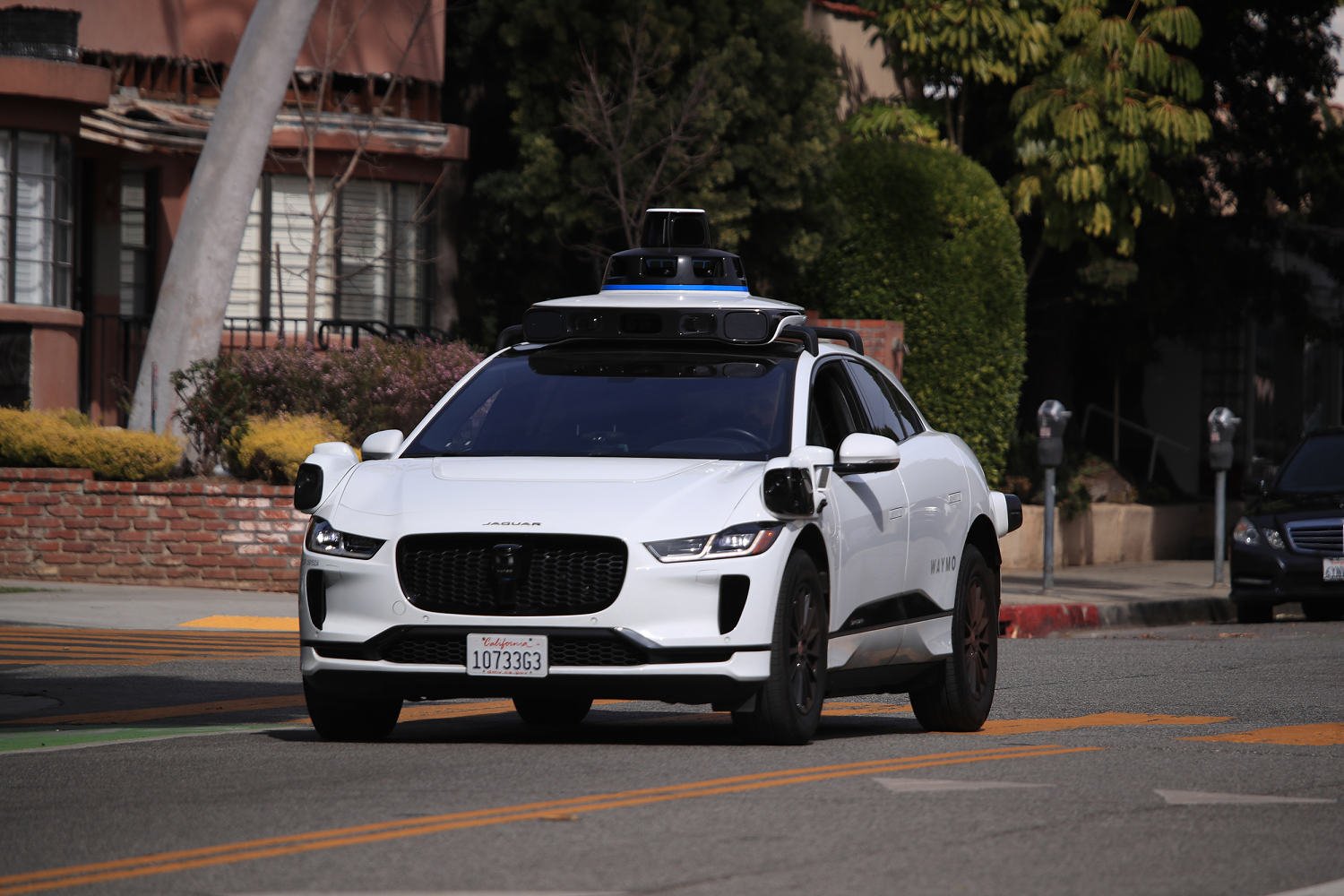
Sacramento, California — California’s Department of Motor Vehicles (DMV) ordered Waymo, the autonomous-driving unit of Google parent Alphabet, to halt all driverless operations and testing on state freeways from 11 November, after three of its vehicles drove into an active construction zone and another tried to pass highway patrol cars running a traffic break. Waymo has complied — and gone further, temporarily restricting freeway rides in every US market where it operates while it reviews its performance.
What the California Order Says
The DMV, which regulates the testing and deployment of autonomous vehicles in California, issued the restriction on 11 November, but it only became public on Tuesday, 17 November, when the San Francisco Business Times first reported the order. The department confirmed the new restrictions to reporters, saying it acted after two incidents in early November.
The DMV said it had determined that Waymo’s driverless freeway operations pose an “imminent hazard to public safety due to recurring incursions by its vehicles into active construction zones where construction workers, vehicles and equipment are present.” The department noted that the incursions happened despite a prior restriction and corrective actions put in place after similar incidents on 18 May 2026.
The restrictions will remain in place until Waymo can demonstrate that it has taken “effective corrective actions” to address the deficiencies. No end date has been given.
A regulator has now done what Waymo once did to itself — taken its cars off the freeway.
The Two Incidents Behind the Ban
The first incident took place on 5 November, when three Waymo vehicles entered an active construction closure on US Route 101 near Burlingame, south of San Francisco, putting road workers and equipment at risk. Waymo has said the encounters on US 101 did not involve any injuries or collisions.
The second incident came the next day, 6 November, on Interstate 280 in San Francisco, where a Waymo vehicle attempted to pass California Highway Patrol cruisers conducting a traffic break — a rolling road closure in which patrol cars slow traffic to clear a hazard ahead. Video of the encounter circulated widely online.
These were not the first such failures. In May 2026, Waymo vehicles entered construction zones in San Francisco and Los Angeles, prompting the company to pause freeway rides itself and recall roughly 3,800 vehicles for software updates. The November incidents showed that the fix had not held — the DMV’s order explicitly cites the recurring nature of the incursions as the reason for acting.
The same failure, twice in a year, is what turned a company pause into a state ban.
A Nationwide Pullback, Voluntarily
The California order applies only to freeways inside California. But Waymo chose to extend it. A company spokesperson said Waymo has “temporarily restricted commercial freeway rides in all markets where we operate that service”, while it evaluates its performance. The suspension was implemented the previous Wednesday, according to the company, though it did not say how long it would last.
Waymo had been offering freeway rides to paying passengers in five of its markets: the San Francisco Bay Area, Los Angeles County, Phoenix, Miami and Austin. Those rides are now suspended in all five. The company operates its ride-hailing service across more than a dozen US cities, and freeway rides were a growing part of its pitch — it only began offering public rider trips on freeways in November 2025.
Waymo said its ride-hailing service continues to operate safely on surface streets, serving more than half a million trips each week. It also said it is continuing freeway testing with trained autonomous specialists behind the wheel — meaning a human safety driver is present — while driverless freeway operations are suspended.
Why Freeways Matter So Much to Waymo
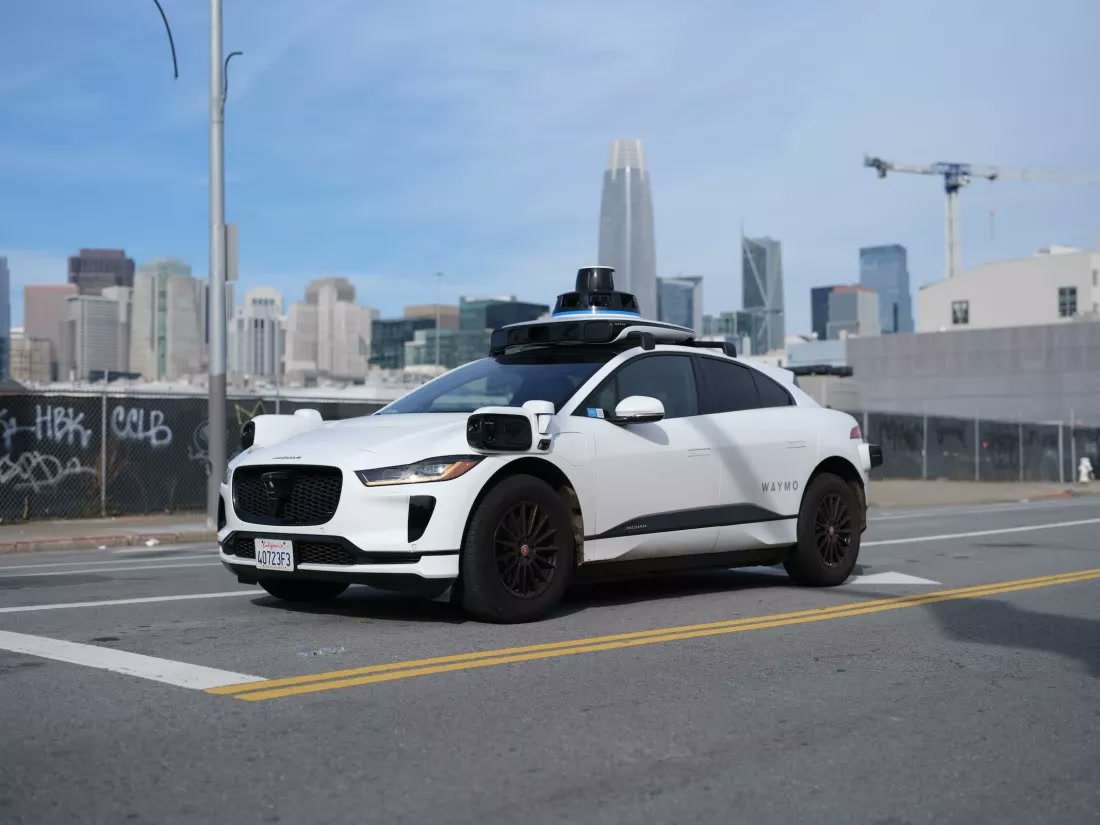
Freeways are where robotaxis prove they can handle the hardest part of driving: high speeds, merging traffic, lane closures and roadworks. Waymo had been expanding freeway service steadily, and the ability to take a rider across a city by highway — rather than only on slow surface streets — is central to making the service useful for airport trips and longer journeys.
The suspension is therefore a commercial blow as well as a safety setback. It is the latest in a series of setbacks for the robotaxi industry, and it comes as Waymo’s rivals watch closely: the company is the most advanced driverless operator in the United States, and a regulator calling its highway driving an imminent hazard raises questions about the whole sector’s readiness for high-speed roads.
It also puts the spotlight on how autonomous systems handle the messy, temporary world of roadworks. A construction zone is not on any map in the usual sense — it is cones, signs, flaggers and closed lanes that appear and disappear. Human drivers read those cues instinctively; a robotaxi must be taught to recognise them, and to stop rather than proceed when it cannot. Three vehicles entering the same closed stretch of US 101 suggests the system did not merely miss a cone — it failed to understand the closure at all.
Waymo said it is working with the California DMV and other state officials to resume freeway operations, and has emphasised its safety-first principles. The DMV, for its part, has made clear that the burden of proof now sits with the company.
What Happens Next
There is no timeline for a return to freeway service. The California restriction stays in force until Waymo demonstrates effective corrective action to the DMV’s satisfaction — and the company will likely need the department’s sign-off before its cars can merge back onto California freeways.
For riders, little changes in the short term: surface-street trips continue as normal in all of Waymo’s cities. For the company, the work is now technical and regulatory — diagnosing why its vehicles entered the construction zones, proving the fix, and convincing a regulator that has already seen one corrective action fail.
The episode is a reminder of how the driverless industry is governed in practice: not by a single federal rule, but by state regulators who can ground a fleet with a letter. California did exactly that on 11 November — and Waymo, rather than fighting it, took its cars off every freeway in America.
The Key Facts
- California’s DMV ordered Waymo to halt all driverless operations and testing on state freeways from 11 November 2026; the order became public on 17 November.
- The DMV cited an “imminent hazard to public safety” from recurring incursions into active construction zones.
- On 5 November, three Waymo vehicles entered an active construction closure on US Route 101 near Burlingame; on 6 November, a Waymo tried to pass California Highway Patrol cars running a traffic break on Interstate 280 in San Francisco.
- Waymo says the US 101 encounters caused no injuries or collisions.
- Waymo has temporarily restricted freeway rides in all its US markets — previously offered in the San Francisco Bay Area, Los Angeles County, Phoenix, Miami and Austin — while it evaluates its performance.
- Surface-street rides continue as normal, at more than half a million trips a week; freeway testing continues with trained specialists behind the wheel.
- The restriction stays until Waymo demonstrates “effective corrective actions”; no return date has been given. Similar incidents in May 2026 led Waymo to pause freeway rides and recall about 3,800 vehicles.
Waymo’s cars are still driving America’s streets — but until the company can prove it has fixed the way they read a roadworks zone, the fast lane is closed to them.
Reporting based on TechCrunch, 17 November 2026; CNN, 17 November 2026; The Wall Street Journal, 18 November 2026; and TechRepublic, 18 November 2026.
By Akhtar Saleem Khan
Head of IT | The BNN Media – The Best News Network
News Beyond the Borders