By
Polish prosecutors have confirmed that all three objects which came down in south-eastern Poland during a huge Russian air attack on Ukraine were Russian Kh-101 cruise missiles, as NATO’s governing council prepares to meet in Brussels on Monday to discuss the violation of Polish airspace.
By Ihsan Ur Rehman
Editor-in-Chief | The BNN Media – The Best News Network
News Beyond the Borders
Warsaw, Poland — All three objects that flew into Polish airspace on Friday were Russian Kh-101 cruise missiles, Polish prosecutors said in a statement on Sunday. A meeting of NATO’s North Atlantic Council will be held in Brussels on Monday to discuss the violation of Polish airspace, and Poland has asked its allies for more air defences along the alliance’s eastern flank.
What the Prosecutors Found
The finding, from district prosecutors in Lublin, rests on a preliminary examination of debris collected from the three impact sites. The prosecutors said the examination established that all three missiles were manufactured in the fourth quarter of 2026 at a plant in Dubna, in the Moscow region of Russia.
The conclusion revises the first official account of the incident. Polish defence officials had initially said the three objects were most likely two missiles and one jet-powered drone. Sunday’s statement says all three were Kh-101s — the long-range, air-launched cruise missile Russia routinely fires in mass strikes against Ukrainian cities.
The prosecutors were asked to look into the matter by the Polish government, and their work is continuing. But the forensic finding removes the last doubt about what crossed the border: the weapons were Russian, they were cruise missiles, and they were built in Russia only weeks before they were fired.
Forensic analysis has settled what Friday’s first reports could not — all three objects were Russian cruise missiles.
Where the Missiles Fell
The three missiles came down in the early hours of Friday, 20 November, in rural south-eastern Poland, during one of the largest Russian air attacks of the war on Ukraine — an attack involving more than 400 drones and over 110 missiles, according to reports of the bombardment.
One Kh-101 crashed at around 06:30 local time in an open field near Nowy Lipowiec, in Lublin province, roughly 50 kilometres from the Ukrainian border, and caught fire. A second came down near Rudnik nad Sanem in Podkarpackie province. The third fell near Mołodycz, also in Podkarpackie, about 30 kilometres from the border and some 280 metres from an empty summer house.
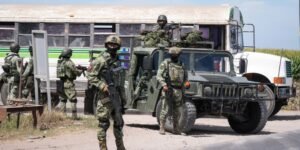
No one was killed or injured, and there was no damage to critical infrastructure, Polish officials said. One of the impacts triggered an explosion and a fire in open ground. Military police are securing the sites under the prosecutors’ direction.
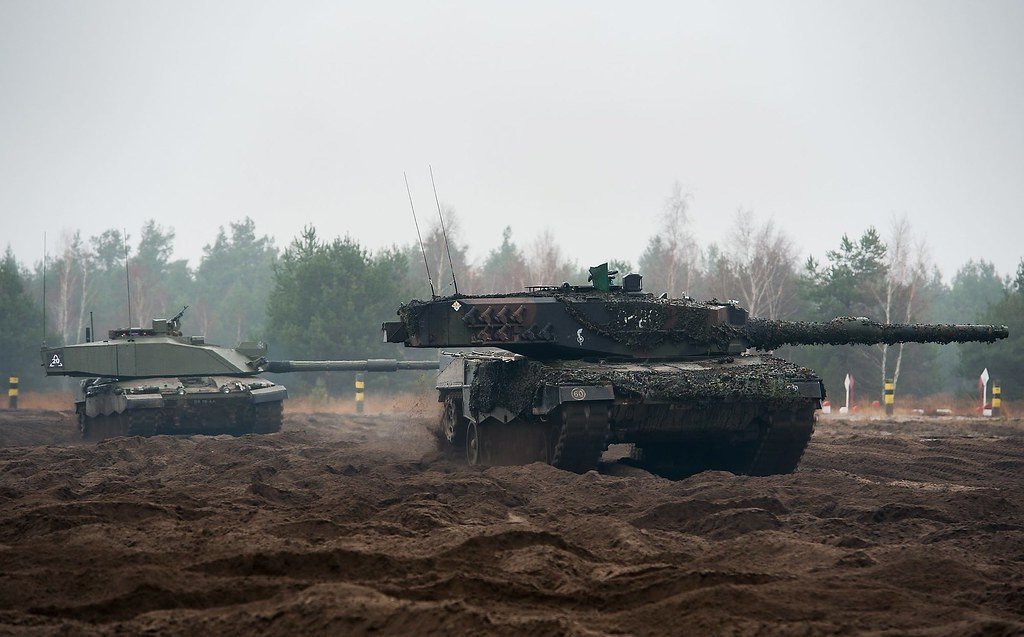
The missiles fell close to where allied soldiers were training. One impact was about 35 kilometres from multinational military exercises involving troops from 11 allied countries, part of the European “Coalition of the Willing” force being assembled to support Ukraine.
“An Intentional Provocation”
Prime Minister Donald Tusk has described the incident as an intentional Russian provocation, suggesting the timing was linked to the allied exercises taking place nearby. Defence Minister Władysław Kosiniak-Kamysz called it “another provocation” and said Poland would formally ask NATO for more support.
Analysts quoted in reporting on the incident said the incursion fits a pattern of Russia testing how far it can push NATO without triggering a military response. Scott Lucas, professor of international politics at University College Dublin, said it “fits into a pattern going back for months” of Russia “testing how far they can go”, and that Moscow had “gone a bit further” by sending missiles across the border near allied troops on exercise.
The incursion also came at a sensitive diplomatic moment, with US envoys engaged in talks with Ukraine and Russia over a possible settlement, and days after Ukrainian attacks on the Kerch Bridge, after which Russian President Vladimir Putin had vowed retaliation. Whether the missiles were aimed at Poland or went astray during the attack on Ukraine has not been established — but Warsaw is treating the crossing as deliberate.
Warsaw’s message is blunt: this was no accident, and it was timed to be noticed.
NATO’s Answer So Far
NATO Secretary-General Mark Rutte called the incident a “grave violation” of Polish airspace that was “clearly dangerous”, and said on Saturday that “NATO will defend every inch of Polish territory.” Rutte travelled to Warsaw on Saturday for talks with Prime Minister Tusk, and said afterwards that all allies stood in full solidarity with Poland.
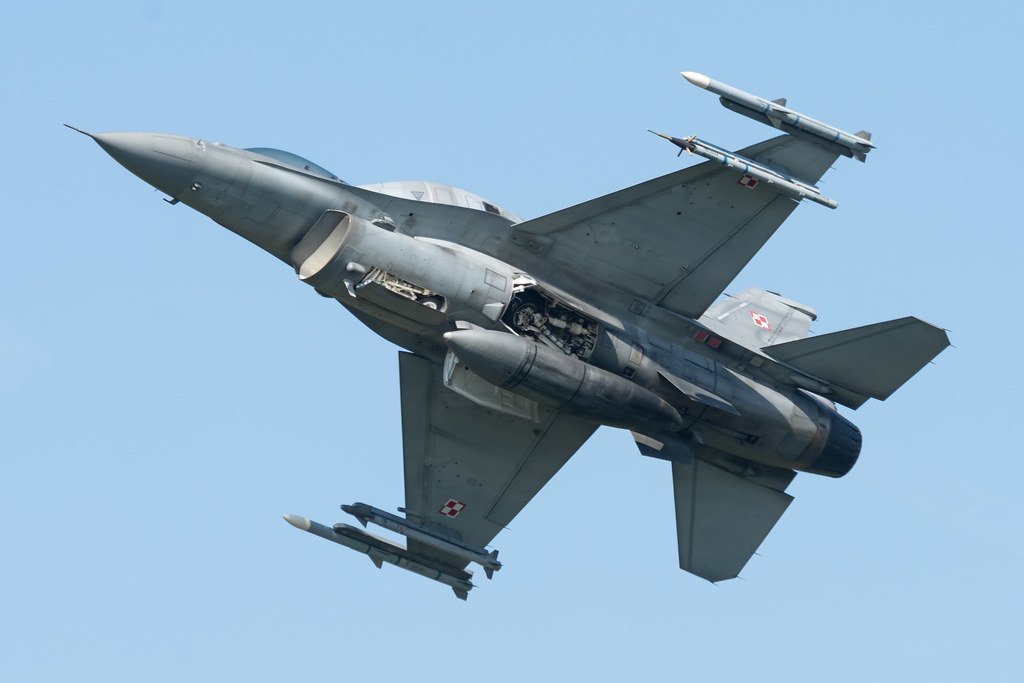
Polish F-16 fighter jets were scrambled during the attack, backed by NATO aircraft, and Rutte described that response as “exactly how that alliance should work”. Poland’s air defences had been placed on heightened alert from Thursday night, with interceptor jets scrambled and Patriot batteries activated at around 03:30 as the Russian bombardment unfolded.
But none of the three objects was reported shot down. A Swedish pilot sent to intercept one of them could not identify it visually or by his sensors in very bad weather, according to Polish military reporting. NATO pilots were said to have had only a few minutes to identify and assess the fast-moving objects before they came down in farmland — too narrow a margin to intercept cruise missiles in time.
BNN reported on Saturday that the missiles had hit Poland and that NATO had called the incursion a grave violation of its airspace: Russian Missiles Hit Poland as NATO Calls It a Grave Violation of Its Airspace
Why Poland Has Not Invoked Article 4
Poland has not formally invoked Article 4 of the North Atlantic Treaty, which allows a member state to request consultations when it believes its territorial integrity, political independence or security is threatened. That point has been confirmed in multiple reports since Friday, after one early headline wrongly claimed the article had been invoked.
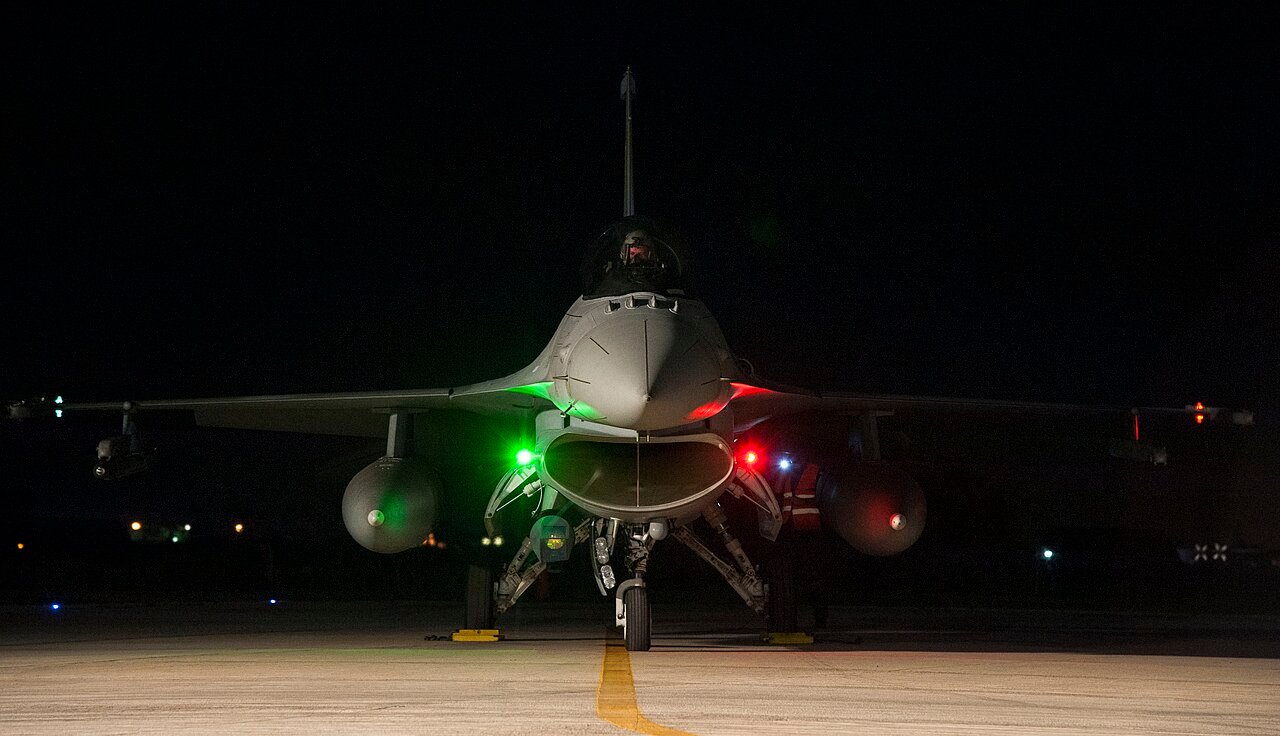
Instead, Warsaw is seeking expanded assistance through NATO’s existing Operation Eastern Sentry, the alliance’s air-defence mission on its eastern flank. Poland has formally asked NATO to allocate additional forces under the mission, including airborne early-warning aircraft and fighter jets such as F-35s, to strengthen surveillance and air defence over its territory.
Analysts say the choice is deliberate: Article 4 loses its force if it is invoked too often, and Poland used it as recently as September 2025, after Russian drones crossed its border — an episode that led NATO to launch Operation Eastern Sentry on 12 September 2025. This time Warsaw wants practical reinforcements rather than a formal consultation, and it wants them fast.
Nor does the incident automatically trigger Article 5, the alliance’s collective-defence clause, which treats an attack on one member as an attack on all. Invoking it would require political consensus among all 32 NATO members, and analysts say an airspace violation of this kind does not necessarily meet the threshold for collective military action.
Poland is asking for more jets and more radar, not for a treaty clause — a practical answer to a practical threat.
What Monday’s Meeting Must Decide
The extraordinary meeting of the North Atlantic Council — NATO’s principal political decision-making body, bringing together representatives of all 32 member states — will be held at the alliance’s Brussels headquarters on Monday, 23 November. The meeting was confirmed by Poland’s Permanent Representation to NATO, and announced by Defence Minister Kosiniak-Kamysz on Saturday evening.
Poland will be represented by Deputy Defence Minister Paweł Zalewski. Warsaw intends to present proposals for strengthening NATO’s defensive capabilities along its eastern flank, including additional military resources and surveillance systems. The council is expected to examine whether existing deployments provide enough protection — and what more the allies are willing to commit.
Kosiniak-Kamysz said he was confident Poland would receive substantial assistance from its allies. The question for Monday is whether that assistance arrives as a firm, visible reinforcement of the eastern flank, or as another round of condemnation while Russia keeps testing the border.
The Key Facts
- Three Russian Kh-101 cruise missiles came down in south-eastern Poland on Friday, 20 November, Polish prosecutors confirmed on Sunday after examining the debris.
- The missiles were manufactured in the fourth quarter of 2026 at Dubna, near Moscow, according to the preliminary findings.
- They fell near Nowy Lipowiec, Rudnik nad Sanem and Mołodycz, 30 to 50 kilometres from the Ukrainian border. No one was hurt and no critical infrastructure was damaged.
- Prime Minister Donald Tusk called the incident an “intentional provocation” by Russia.
- NATO Secretary-General Mark Rutte called it a “grave violation” and said NATO would “defend every inch of Polish territory”.
- Poland has not invoked Article 4; it is seeking more forces under Operation Eastern Sentry instead.
- NATO’s North Atlantic Council meets in Brussels on Monday, 23 November, with Poland represented by Deputy Defence Minister Paweł Zalewski.
Three missiles, no casualties, and a clear forensic answer — now NATO must decide what its solidarity with Poland is worth in jets, radars and troops.
Reporting based on Reuters, 22 November 2026; TBS News explainer, 22 November 2026; EU Today; and Europe Says, 22–23 November 2026.
By Ihsan Ur Rehman
Editor-in-Chief | The BNN Media – The Best News Network
News Beyond the Borders