By
By The BNN Media
The Best News Network
News Beyond the Borders
A deep earthquake under the central Andes has killed one person, injured at least 15 and left more than 150 homes uninhabitable across five regions of Peru, as rescue teams continue to assess damage in remote highland towns.
Junín, Peru — A magnitude 6.7 earthquake struck central Peru at 7:09 p.m. local time on Friday, 20 November, shaking buildings as far away as the capital, Lima, and cutting power to tens of thousands of people. Peru’s civil defence agency says one person died, 15 were injured and 152 homes were left uninhabitable, with the toll still preliminary as local governments complete their assessments.
The quake and where it struck
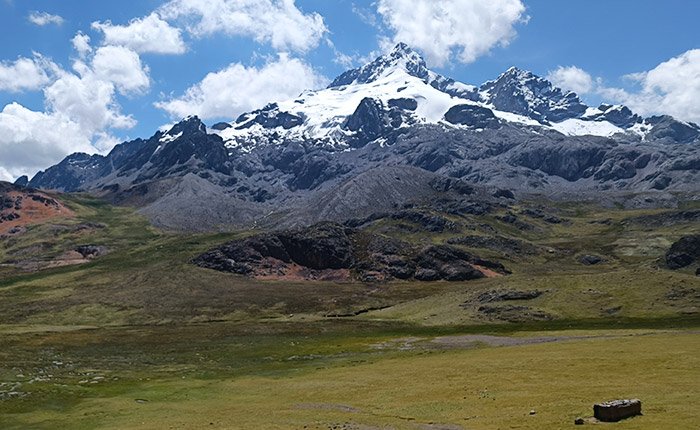
The earthquake was centred in the high Andes of the Junín region, in the heart of Peru. The United States Geological Survey (USGS) located it 9 kilometres north-east of Carhuamayo, at a depth of about 108 kilometres. Peru’s own Geophysical Institute placed the epicentre slightly differently — 30 kilometres north-west of Junín, at a depth of 129 kilometres — and recorded an intensity of V on the Modified Mercalli scale in Junín itself.
The two agencies agree on the size of the quake — magnitude 6.7 — but their locations and depths differ, and both figures are reported here as published. What is not in doubt is the reach of the shaking: it was felt across several regions, including in Lima, roughly 300 kilometres from the epicentre, and was reported by local media as far away as Bogotá, in neighbouring Colombia.
The USGS issued a Green alert under its PAGER system, its lowest level, and by early on Monday, 23 November, it had received 124 public reports of shaking, with a maximum reported intensity of 5.6.
The depth of the quake, more than 100 kilometres below the surface, is the single most important fact about it — it is what kept a powerful earthquake from becoming a catastrophe.
What the toll stands at
The latest official picture comes from the National Emergency Operations Centre (COEN-INDECI), whose tenth complementary report on the earthquake was issued at 8:20 a.m. on Sunday, 22 November. Its table records:
- 1 person dead — a man who died at Hospital Hermilio Valdizán in Huánuco, according to the report’s health-sector notes
- 15 people injured — 14 in Junín and 1 in Pasco
- 853 people displaced from homes destroyed or rendered uninhabitable, and 628 others affected
- 152 homes uninhabitable — 80 in Pasco, 49 in Huánuco, 22 in Junín and 1 in Lima — and 193 more homes affected but still habitable
The figures are still moving. A Bloomberg report published on 22 November, citing emergency authorities, put the number of injured at 16, and earlier reports gave slightly different counts for damaged homes. The numbers in this article follow the latest COEN-INDECI table, and readers should treat them as preliminary while assessments continue.
One death, in a quake of this size, is a reminder of how much depth and distance matter — and how much the toll still depends on what assessors find in the coming days.
Homes, schools and hospitals damaged
The damage is spread across five regions — Junín, Pasco, Huánuco, Lima and Callao — but it is concentrated in the highlands around the epicentre. Pasco, with 80 uninhabitable homes, was the worst hit on housing, ahead of Huánuco with 49.
Public buildings were hit as well. The COEN-INDECI report lists 10 educational institutions affected, 29 health facilities affected, 4 religious temples and 5 communal premises, along with 300 metres of national road damaged. Some of the damage came not from the shaking itself but from rockfalls on Andean hillsides, which the Geophysical Institute reported in the hours after the quake.
In the first hours after the tremor, officials reported no casualties or major damage — the mayor of Carhuamayo, near the epicentre, told television there were no initial signs of victims or material damage in his town. The fuller picture only emerged as teams reached the scattered highland communities on Saturday.
Power cuts and roads
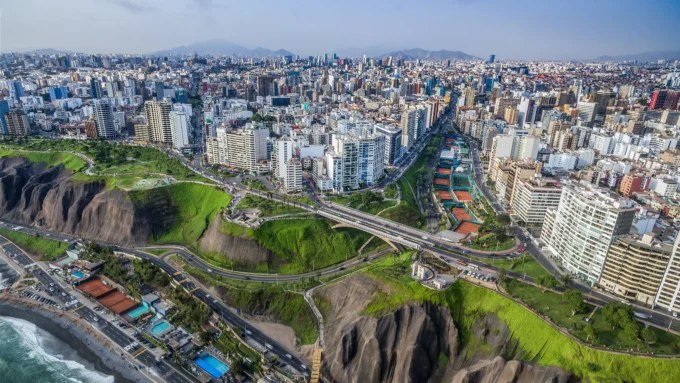
Power was cut in parts of four regions, affecting nearly 93,000 users, according to Peru’s energy and mining regulator, Osinergmin, as reported by Bloomberg on Saturday. Crews worked through the weekend to restore supplies, though the regulator did not give a timetable for full restoration in the worst-affected areas.
There have been no reports of disruption to mining operations, Bloomberg reported. That matters in Junín, which is home to the Toromocho mine, one of Peru’s largest copper mines. Peru is one of the world’s biggest copper producers, and any damage to its mines would have been felt well beyond the Andes.
Roads were also affected. Rockfalls restricted some Andean highways in the hours after the quake, and the official damage tally includes 300 metres of national road. No major highway closure was reported by Sunday.
Why a strong quake caused limited damage
A magnitude 6.7 earthquake is a powerful event — strong enough, near the surface, to destroy buildings across a wide area. That it did not do so here is largely explained by its depth. At more than 100 kilometres down, much of the quake’s energy had faded by the time the shaking reached the surface.
Peru’s Geophysical Institute said the shaking was intense near the epicentre, and landslides and rockfalls were reported on hillsides. But the deep focus spared coastal cities from the kind of destruction a shallow quake of the same size would have caused, and it meant the capital’s buildings, though shaken, were not seriously damaged.
Peru sits on one of the most earthquake-prone stretches of the planet, where the Nazca tectonic plate slides beneath South America along the Pacific coast. Strong quakes are a regular fact of life there — a magnitude 6.7 earthquake in the Andes in August 2026 injured two people and damaged homes, health centres and schools. The difference between a bad day and a disaster is often measured in kilometres of depth.
Depth saved lives on Friday night. It is the reason a magnitude 6.7 earthquake ends with one confirmed death rather than many.
Aftershocks and the response
The Geophysical Institute recorded a magnitude 5.0 aftershock at 12:12 a.m. local time on Saturday, 21 November, about 30 kilometres north-west of Junín at a depth of 127 kilometres, with an intensity of III in Junín. A smaller magnitude 3.5 tremor followed on Saturday morning. No new damage was reported from either.
INDECI is coordinating humanitarian aid to Junín and Pasco, and damage assessments are continuing. The COEN-INDECI report notes that local governments are still evaluating the emergency, which means the housing and casualty figures may still change.
Peru’s emergency services have been through this before, and the response followed a familiar pattern: local teams first, then regional assessments, then national aid where homes are uninhabitable. For the 853 people displaced, the immediate need is shelter — and, with the Andean nights cold at altitude, it is urgent.
What happens next
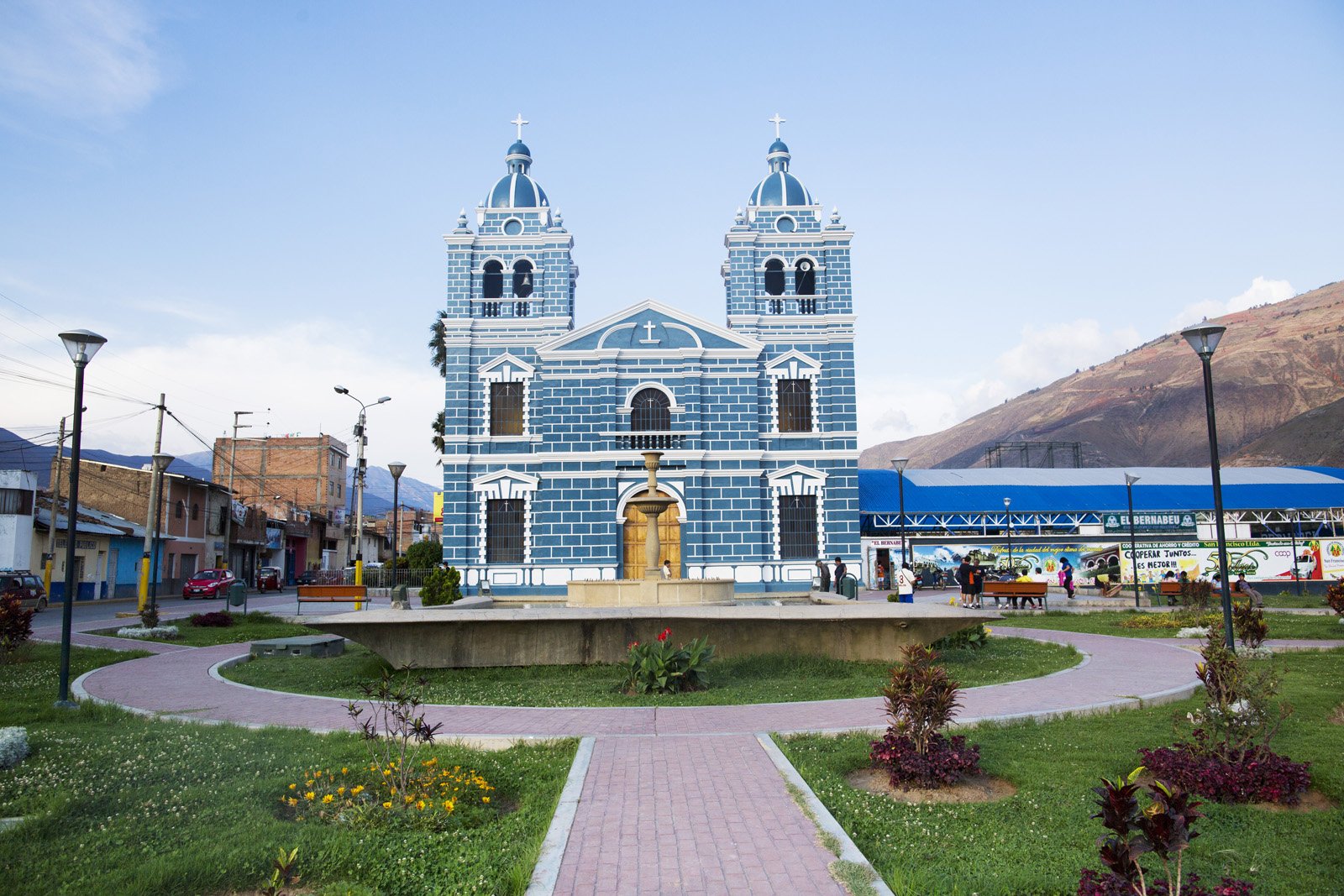
The coming days will decide the final toll. Assessors are still working through the highland districts, and the official figures — one dead, 15 injured, 152 homes uninhabitable — are the count as of Sunday morning, not a final total.
Three things will be watched most closely. First, whether the injured list grows as remote communities are reached. Second, whether the power supply is fully restored to the nearly 93,000 users who lost it. And third, whether the aftershocks, which have so far been mild, stay that way.
For now, the news from central Peru is better than it might have been. A powerful earthquake struck one of the most seismically active countries on Earth, shook its capital, damaged hundreds of homes and cut power across four regions — and, because it struck deep, left behind a toll that, while tragic for one family in Huánuco, is far smaller than the shaking alone would suggest.
Sources: The Watchers, 23 November 2026; BusinessMirror/Bloomberg, 22 November 2026; USGS; COEN-INDECI Reporte Complementario N.º 16277.
By The BNN Media
The Best News Network
News Beyond the Borders