By
By The BNN Media
The Best News Network
News Beyond the Borders
AAA expects 81.5 million Americans to travel at least 50 miles from home for Thanksgiving, only a fraction below last year’s record — and with dearer fuel and dearer fares, the holiday journey will cost more than it did a year ago.
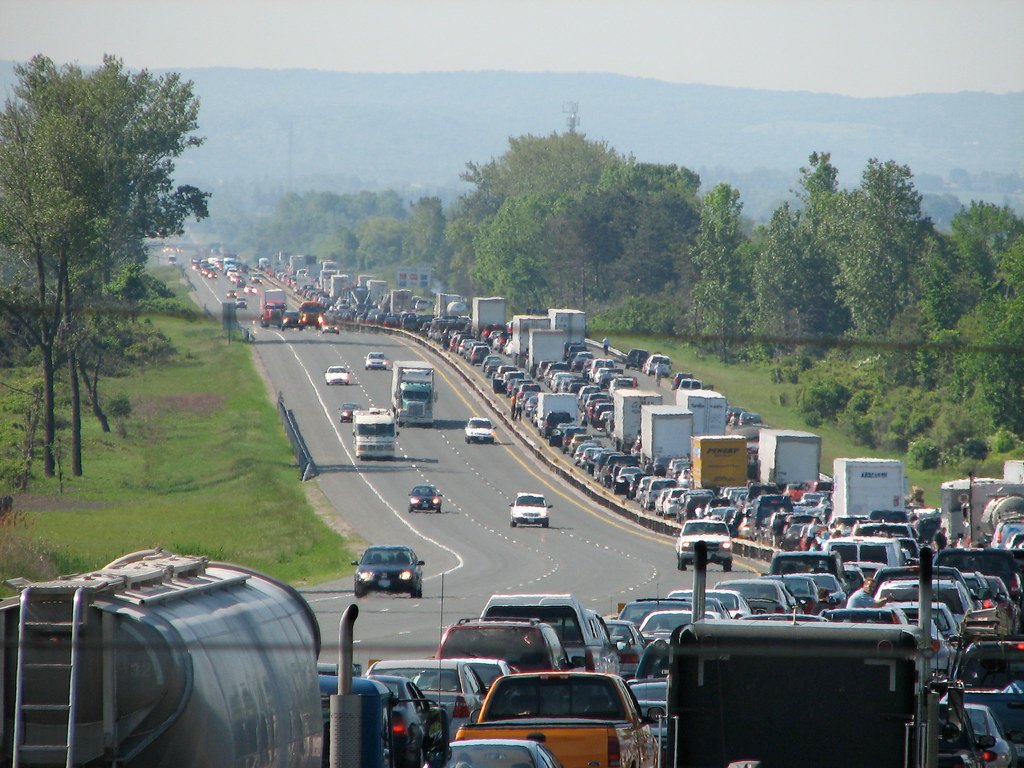
Washington, United States — AAA projects that 81.5 million Americans will travel at least 50 miles from home during the seven-day Thanksgiving period from Tuesday 24 November to Monday 30 November 2026, a figure only 0.1% below last year’s record 81.6 million, with 72.9 million travelling by car and nearly 6 million flying.
A Near-Record Rush, Just Short of One
After three years in which Thanksgiving travel set a new record each time, the growth has finally paused. AAA’s forecast, published on 16 November, puts this year’s total about 121,000 travellers below 2025 — a fall so small that, as the motoring organisation itself put it, travellers will hardly notice the difference on the roads or at the airports.
The organisation’s spokeswoman, Tiffany Wright of AAA – The Auto Club Group, said Thanksgiving travel was “levelling off” this year but that volumes remained extremely high. Stacey Barber, vice-president of AAA Travel, gave the same message in plainer terms: after three years of record highs, the number of travellers is slightly lower, partly because travel costs more this year — “but travellers won’t notice much of a difference on the roads and at the airports, since projected volumes remain near record levels.”
The scale is still remarkable. Even with the small dip, this year’s forecast is 3.7 million travellers above pre-pandemic levels, according to AAA, and Thanksgiving remains the busiest travel holiday of the year in the United States, ahead of both Memorial Day and Independence Day.
The takeaway is simple: this is not a quieter Thanksgiving — it is a record-size crowd that has stopped growing.
The Roads Will Carry Nine in Ten Travellers
As in every recent year, the overwhelming majority of Thanksgiving travellers will drive. AAA expects 72.9 million people to travel by car, down only slightly from 73.1 million last year, accounting for almost 90% of all holiday journeys.
The small fall in road travel has a clear cause, according to AAA: fuel prices. Petrol prices reached record monthly highs in August, September and October this year, and the organisation said the high cost at the pump was one factor behind the slight decline in the number of drivers.
Another 2.6 million Americans are expected to travel by bus, train or cruise ship — the one part of the forecast that is growing, up about 4.1% on last year. AAA’s new cruise forecast also points to record numbers of Americans taking cruise holidays in 2027, suggesting that many travellers are looking for value in a year when the cost of the traditional trip has risen.
For most families, Thanksgiving still means a car, a full tank and a long drive — and the roads will show it.
The Price of Getting There
Filling the tank will cost noticeably more than it did a year ago. AAA’s release on 16 November put the national average for a gallon of regular petrol at $3.87 as of 13 November. Prices have eased over the past month — the national average fell below $4 a gallon on 12 November for the first time since July — but they remain far above the $3.08 or so drivers were paying around this time last year.
If prices hold near their current levels, this would be the most expensive Thanksgiving at the pump on record, passing the previous Thanksgiving Day high of $3.58 a gallon set in 2022. The national average on Thanksgiving Day itself has never been above $4 a gallon.
Flying is dearer too. According to Hopper’s 2026 Holiday Travel Index, reported by NorthJersey.com, the average domestic round-trip Thanksgiving air ticket in 2026 costs $402, up 31% from 2025, with higher jet fuel costs pushing fares up. Airlines for America, the trade body for the leading United States carriers, said in its own 10 November statement that airlines were paying record prices for jet fuel.
Higher costs are the reason the record streak has ended — but they have not been enough to keep people at home.
Airports Brace for a Possible Record Sunday
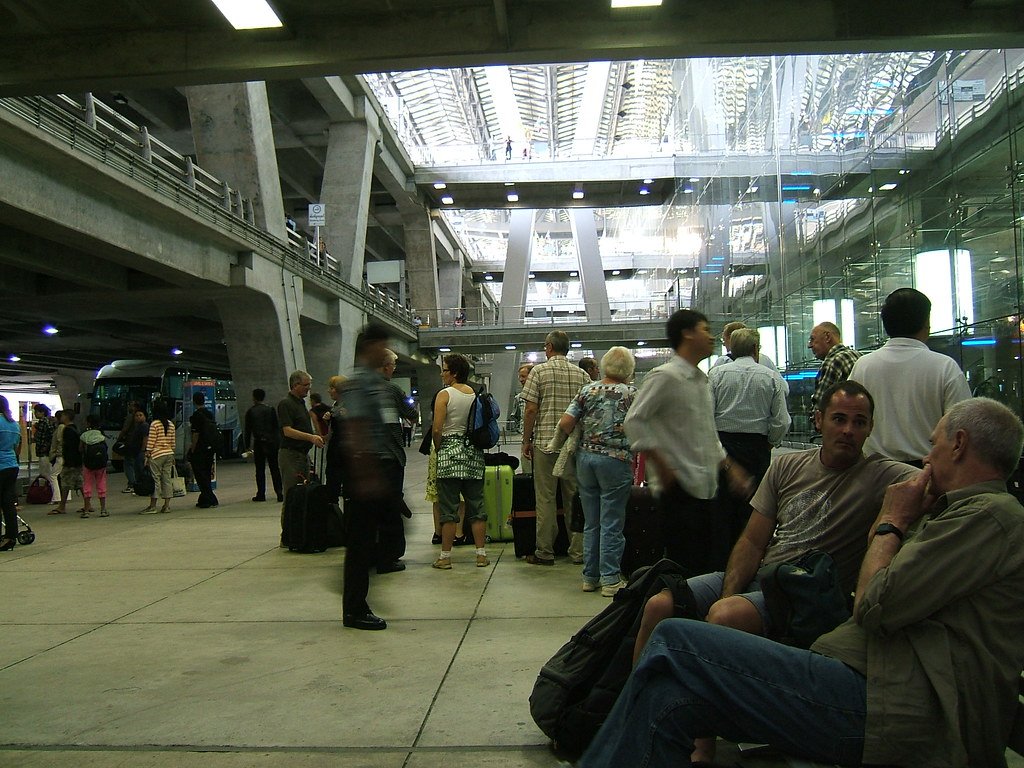
The skies will be nearly as crowded as the roads. AAA projects 5.96 million Americans will take domestic flights for Thanksgiving, down just 0.2% from last year. Airlines for America, which counts passengers over a wider 11-day window from 20 to 30 November, expects United States airlines to carry nearly 29 million passengers in that period — about 2.7 million a day, with 38,000 more seats a day on offer than in 2025.
The busiest days in the air will be the return, not the departure. Airlines for America names Sunday 29 November and Monday 30 November as the busiest days of the holiday period, and the Transportation Security Administration (TSA) has said early indicators show it could screen more than 3 million people nationwide on Sunday 29 November alone.
That would challenge the agency’s all-time record of 3,134,613 people screened on Sunday 30 November 2025 — the Sunday after Thanksgiving last year. No day in 2026 has yet reached 3 million, with the year’s peak so far at 2,988,204 on 18 June. History is on the record’s side, though: the Sunday after Thanksgiving has been the single busiest day of Thanksgiving week at United States airports in each of the last five years.
Thanksgiving Day itself, by contrast, is the quietest day of the week to fly. In 2025, just under 1.56 million travellers passed through TSA checkpoints on Thanksgiving Day — less than half of the Sunday volume — and fares on the day itself run well below peak departure prices, according to fare data analysed by NerdWallet.
When to Leave — and When Not To
For drivers, the advice from AAA and traffic-data firm INRIX is unchanged from previous years: leave in the morning, or expect to sit in the afternoon rush. The two busiest departure days on the road are Tuesday and Wednesday before Thanksgiving, and the heaviest return traffic falls on Sunday and Monday after it.
- Tuesday 24 November: worst 2 p.m. to 8 p.m.; best before 1 p.m.
- Wednesday 25 November: worst 12 p.m. to 7 p.m.; best before noon.
- Thursday 26 November (Thanksgiving Day): minimal traffic expected.
- Friday 27 November: worst 1 p.m. to 7 p.m.; best before noon.
- Saturday 28 November: worst 12 p.m. to 9 p.m.; best before 11 a.m.
- Sunday 29 November: worst 12 p.m. to 8 p.m.; best before 11 a.m.
- Monday 30 November: worst 2 p.m. to 7 p.m.; best before 1 p.m.
For those hiring a car, AAA’s rental partner Hertz expects Tuesday and Wednesday before Thanksgiving to be the busiest pick-up days. For flyers, the pattern is similar: Wednesday 25 November is the heaviest departure day, Sunday 29 November the heaviest return, and the calmest days to fly are Thanksgiving Day itself and the Friday after it. The TSA’s standing guidance is to arrive at least two hours before a domestic flight and three hours before an international one.
One new wrinkle for air travellers this year concerns identity checks. Since 1 February 2026, travellers without a REAL ID-compliant licence or a valid passport have faced a new TSA verification process, reported to carry a non-refundable $45 fee and to add 30 minutes or more to the airport journey — a delay that matters most in the busiest week of the year.
The rule of the week is unglamorous but reliable: go early, go in the morning, and leave the afternoons to everyone else.
Where Everyone Is Heading
Florida dominates the list of places Americans are going for Thanksgiving, according to AAA Travel bookings. Orlando ranks first among domestic destinations, followed by Fort Lauderdale and Miami, with Tampa sixth — four Florida cities in the top ten. Anaheim and Los Angeles rank fourth, New York fifth, and Las Vegas, Detroit, Atlanta and Dallas-Fort Worth complete the list.
For those travelling further afield, Budapest in Hungary tops the international list, ahead of Cancun in Mexico and Paris in France. On rental cars, Hertz reports the highest demand in Orlando, Phoenix, Las Vegas, Atlanta and Denver.
The destinations say something about how families are using the holiday. Many are pairing the family gathering with a short break in the sun or a city trip — and with cruise and other travel growing while driving and flying dip slightly, some are plainly shopping around for better value.
A Holiday Week With Less Room for Error
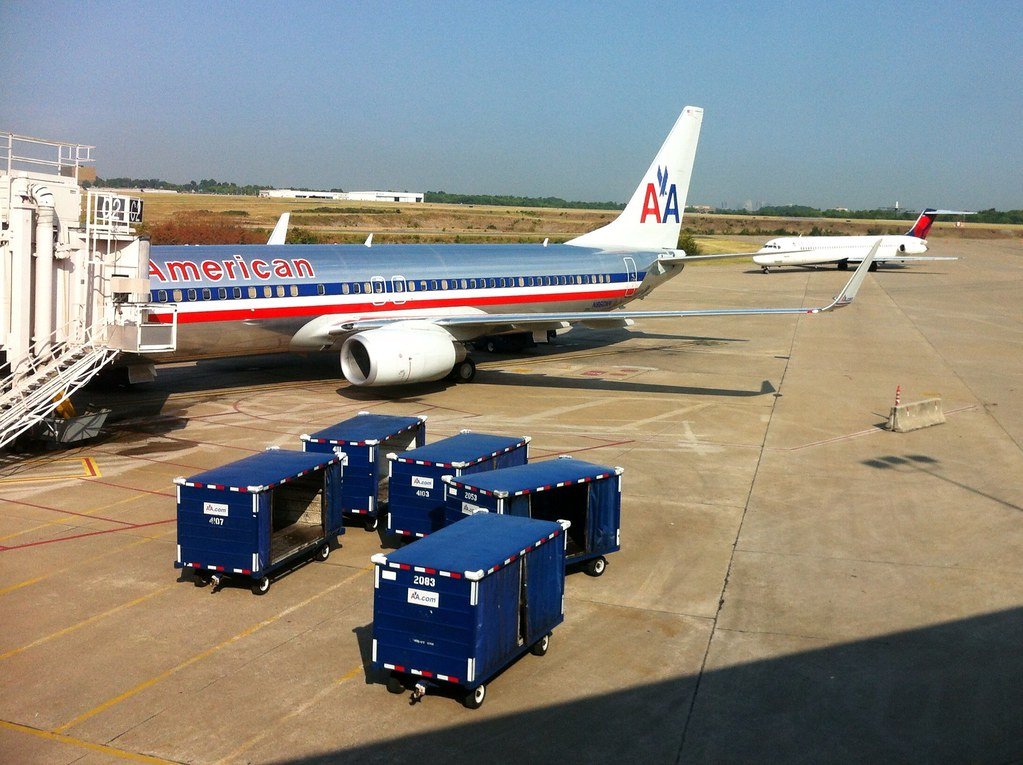
The system has already had one warning this month. On Friday 13 November, a technical problem led the Federal Aviation Administration to issue a nationwide ground stop at about 3:30 p.m. Eastern time. AAA said its forecast was finalised before that stop and that it did not expect the disruption to affect Thanksgiving travel, but the episode is a reminder that a system running close to capacity has little slack when something goes wrong.
Airlines have added seats — 38,000 more a day than last year, according to Airlines for America — but they are also paying record fuel prices, and the combination of full flights, high costs and a possible record screening day at security means the margin for delays is thin.
None of that is likely to deter the 81.5 million. Thanksgiving travel in America has risen almost every year for a decade, interrupted only by the pandemic, and a 0.1% dip after three record years looks less like a turning point than a pause for breath.
The roads will be full, the airports will be full, and the only real choice left for travellers is when — not whether — to join the crowd.
What Travellers Should Do Now
For those still to set out, the practical steps are the same ones AAA and the TSA repeat every year, and they matter more in a week this busy. Drivers should check their vehicle, fuel up before the busiest hours, and set off in the morning. Flyers should arrive early, carry a REAL ID-compliant document or a passport, and expect the longest security queues in the early morning — the 5 a.m. to 6 a.m. hour is the busiest at checkpoints nationally — and the shortest late in the evening.
Anyone who can be flexible should consider travelling on Thanksgiving Day itself, the quietest day of the week by a wide margin, or returning on Tuesday 1 December rather than Sunday. The saving is not only in time: fares on the quieter days run well below those on the peak departures.
Above all, travellers should allow extra time and expect company. Eighty-one and a half million people have the same idea this week, and the numbers say that almost all of them will get where they are going — just not quickly.
By The BNN Media
The Best News Network
News Beyond the Borders