 By
The 12th World Halal Summit and the Halal Expo 2026 open in Istanbul today, bringing together businesses, investors and officials from more than 100 countries under the theme “Global Trade, Shared Values” — with five bilateral business forums and a congress on the future of the halal economy.
By The BNN Media
The Best News Network
News Beyond the Borders
Istanbul, Türkiye — The 12th World Halal Summit and the Halal Expo 2026 open at the Istanbul Expo Center today, Wednesday, 25 November, bringing together participants from more than 100 countries for four days of trade, talks and deal-making in one of the world’s fastest-growing consumer markets. The summit runs until 27 November and the trade fair until 28 November, under the auspices of the Presidency of the Republic of Türkiye.
What Opens Today
The World Halal Summit and the Halal Expo are held annually in Istanbul, and together they form one of the world’s leading gatherings for the global halal economy — the market for goods and services produced in line with Islamic principles, from food and cosmetics to finance, tourism and fashion.
This year’s event is organised by Discover Events in coordination with the Standards and Metrology Institute for Islamic Countries (SMIIC), an affiliated institution of the Organization of Islamic Cooperation (OIC), with support from the Turkish Trade Ministry and the Halal Accreditation Agency. The summit is being held under the theme “Global Trade, Shared Values”, focusing on expanding international trade, opening new export markets and fostering sustainable economic partnerships.
The fair itself takes place in halls 2 and 4 of the Istanbul Expo Center in Yeşilköy, a venue on the European side of the city close to the Sea of Marmara. Participating companies are showcasing products and services across food and beverages, natural and organic products, cosmetics, pharmaceuticals, textiles, modest fashion, health tourism and e-commerce.
For four days, Istanbul is the meeting point for an industry that now spans more than 100 countries — and the deals done here will shape trade flows well beyond the fair.
A Market Worth Trillions
The gathering reflects the sheer scale of the halal economy. According to DinarStandard’s State of the Global Islamic Economy Report 2025/26, consumer spending across the six core Islamic-economy sectors reached US$2.60 trillion in 2024 and is projected to grow to US$3.56 trillion by 2029. Halal food alone accounted for US$1.53 trillion in 2024 and is projected to reach US$2.06 trillion by 2029.
The report also underlines the trade opportunity the Istanbul gathering is built around: OIC economies recorded US$421.5 billion in halal-related imports, a figure the report presents as both a measure of demand and an opening for deeper production and trade within OIC countries.
The other sectors tell the same story of growth. Modest fashion is projected to rise from US$347 billion in 2024 to US$444 billion by 2029, Muslim-friendly travel from US$249 billion to US$424 billion, halal pharmaceuticals from US$112 billion to US$146 billion, and halal cosmetics from US$92 billion to US$124 billion. Islamic finance assets, meanwhile, are expected to reach US$9.72 trillion over the same period.
These are not niche figures any more. The halal economy is a multi-trillion-dollar market, and Istanbul is where its buyers and sellers meet.
Five Bilateral Forums
At the heart of this year’s programme are five bilateral business forums between Türkiye and Vietnam, the Philippines, Yemen, Palestine and Oman. The forums are designed to open export markets for Turkish firms and to build new commercial partnerships, with international buyer delegations, pre-scheduled business-to-business meetings and country business forums running alongside the exhibition.
The summit will also address certification and accreditation, quality assurance, technical and trade harmonisation and market-access barriers — the practical questions that decide whether a product can actually be sold across borders as halal. Different countries and certifiers have long applied different standards, and harmonising them is one of the summit’s central aims.
Running alongside the main event is ETHEXPO, a tourism and health fair, and the Global Seller Summit, aimed at businesses selling through online marketplaces. Together, the parallel events cover the full journey of a halal product: from certification and production, through trade and logistics, to the online shopfront where a customer finally buys it.
The Congress: A Sustainable Halal Economy
Alongside the trade fair, the World Halal Summit Halal Congress 2026 runs from 25 to 27 November under the theme “Sustainable Halal Economy: Eliminating Waste, Empowering Growth”. Organised with SMIIC and Lokman Hekim University, the congress brings together researchers, policymakers, entrepreneurs and industry leaders to discuss the halal economy’s most pressing questions.
Its programme covers halal certification and standardisation, food safety, international supply chains, Islamic finance, tourism and the role of modern technologies in advancing the global halal economy. The scientific programme features keynote speakers, plenary lectures, panel discussions, technical sessions and presentations on topics including halal awareness, zero-waste production, halal food and beverages, and halal industry technologies.
Speakers listed by the organisers include ministers and senior officials from across the Muslim world, among them Olgun Amcaoğlu, minister of economy and energy of the Turkish Republic of Northern Cyprus; Nooruddine Azizi, minister of commerce of Afghanistan; and Hisham bin Saad Aljadhey, chief executive of the Saudi Food and Drug Authority. Türkiye’s Trade Minister Ömer Bolat is also listed among the speakers.
What Is on Show
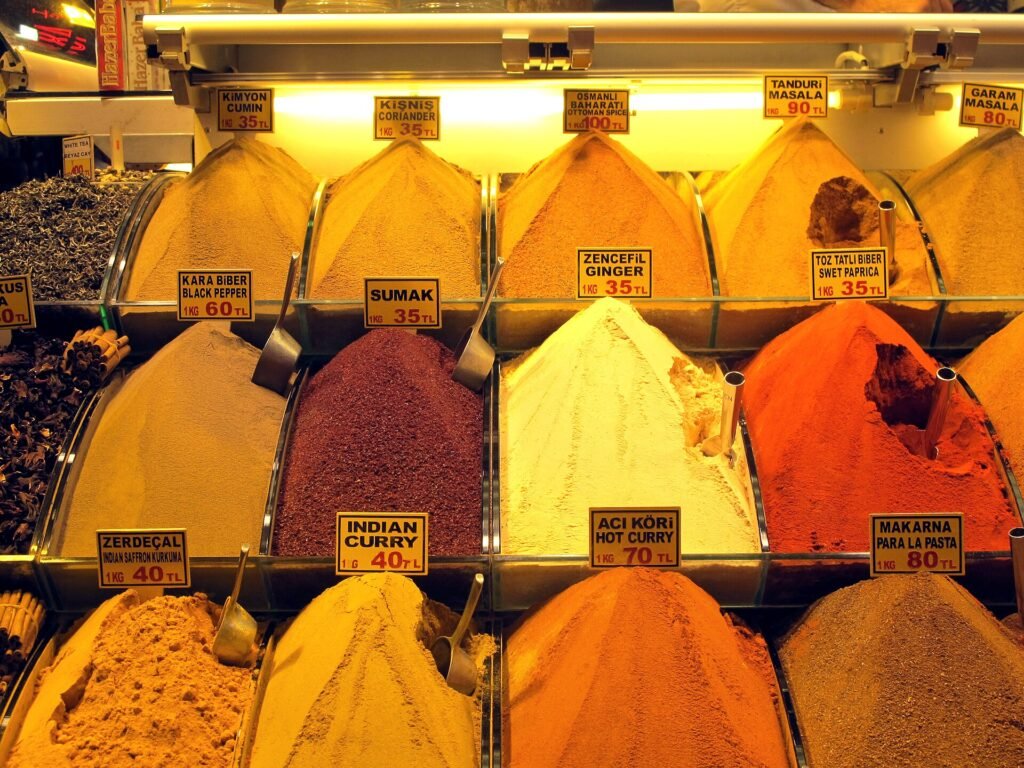
The exhibition floor covers the breadth of the halal economy. Food and packaging sit alongside cosmetics, natural and organic products, vegan products, textiles and modest fashion, e-commerce services, private-label manufacturing and essential oils. For many exhibitors, the fair is a first step into export markets they could not reach alone; for buyers, it is a single place to compare suppliers from more than 100 countries.
The emphasis on trade is deliberate. The summit’s theme, “Global Trade, Shared Values”, frames halal not only as a religious requirement but as a shared standard of quality and ethics — one that appeals to consumers well beyond Muslim-majority markets, including buyers looking for clean-label, ethically produced and traceable goods.
That broadening appeal is part of why the event keeps growing. What was once viewed as a niche dietary requirement has become a mainstream supply-chain question: whether a product’s ingredients, production methods and certification can be verified at every step.
The stalls in Istanbul this week are selling more than food and fashion. They are selling trust — certified, traceable and ready to cross borders.
Why Istanbul, Why Now
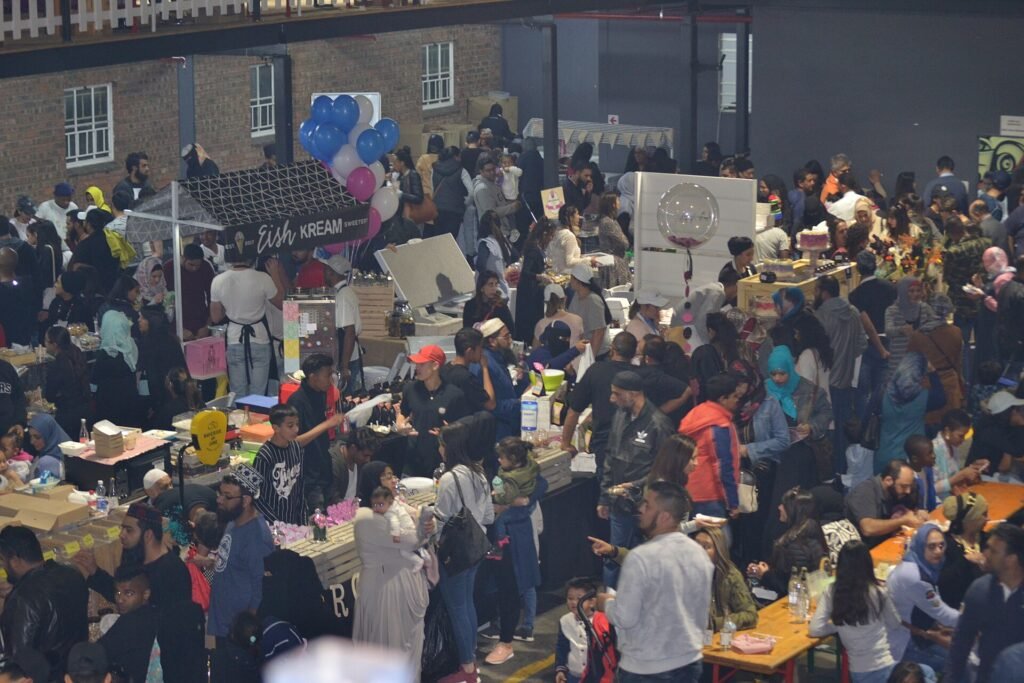
Istanbul has hosted the summit every year, and the city’s position — straddling Europe and Asia, and home to one of the world’s great trading traditions — is part of the draw. The Spice Bazaar and the Grand Bazaar have traded goods from three continents for centuries; the Halal Expo is, in a sense, their modern successor, moved into exhibition halls and organised around certification rather than caravans.
The timing also matters. With supply chains being redrawn and countries looking for new trading partners, the summit offers a ready-made network of buyers, sellers and officials from across the OIC and beyond. The five bilateral forums, the buyer delegations and the pre-scheduled meetings are all designed to turn four days of handshakes into contracts.
The fair closes on Saturday, 28 November, and the congress a day earlier, on Friday, 27 November. By then, the organisers will be counting deals as well as visitors — and the test of this 12th edition will be whether the handshakes in Istanbul become the trade flows of 2027. As South Korea and China concluded eight years of trade talks this month, governments everywhere are looking for new markets — and the halal economy, worth trillions and still growing, is one of the largest of them.
Twelve editions in, the World Halal Summit is no longer just a trade fair. It is where the halal economy sets its agenda for the year ahead.
By The BNN Media
The Best News Network
News Beyond the Borders