 By
Colombian security forces stormed a supermarket in Cartagena in the early hours of Wednesday, freeing the last of about 30 hostages after a 15-hour siege that began with a failed attempt to rob an armoured car. One captor was killed and four were detained.
By The BNN Media
The Best News Network
News Beyond the Borders
Cartagena, Colombia — Colombian security forces freed all remaining hostages from a supermarket in the Caribbean port city of Cartagena early on Wednesday, ending a day-long siege that began when armed men tried to hijack an armoured car carrying cash. One of the captors was killed in the rescue operation and the remaining four were detained, President Abelardo De La Espriella said.
How the Siege Began
The stand-off began at about 8 a.m. on Tuesday, when armed men entered a branch of the Éxito supermarket chain in La Castellana, a residential neighbourhood of Cartagena. According to the president, the men had intended to rob an armoured car that was ferrying cash from a nearby shopping mall — but the vehicle had already left with the previous day’s takings.
When the robbery failed, the men took hostages inside the store instead. About 30 people were seized, among them shoppers and staff. The captors’ identities were not given by the authorities, and the identities of the hostages were not known.
The gang later demanded 7 billion Colombian pesos — about $2 million — and a way to escape from the supermarket, according to Colombia Reports. Reuters, which first reported the rescue, said the captors had refused an opportunity to surrender.
A robbery that went wrong became, within minutes, one of the most serious hostage crises Colombia has seen in years.
A Long Day Inside the Store
For hours, heavily armed police and soldiers surrounded the supermarket while crowds of anxious relatives and onlookers gathered behind barriers outside. Images shared on social media showed people kneeling against the store’s windows, their hands seemingly bound. Reuters said it could not immediately independently verify those images.
Some hostages were freed during the day. Ten captives were released on Tuesday, according to Reuters, among them people held in the supermarket’s cafeteria, whose windows had been covered with paper. One video showed a row of hostages sitting behind the covered window.
As the hours passed, the mood outside grew tense. Riot police were deployed around midnight after family members and onlookers became restless, Colombia Reports said. The city’s Rafael Núñez airport briefly suspended landings for about 45 minutes while the armed forces used one of its runways in connection with the incident.
The chain that owns the store, Grupo Éxito, said in a statement: “For Grupo Exito, protecting the people’s lives and safety is our priority,” adding that it was following the guidance of the authorities.
By nightfall, about 20 people were still inside — and the wait for their families was in its fifteenth hour.
The Rescue in the Early Hours
Shortly after 1:30 a.m. on Wednesday, special forces moved in. President De La Espriella, who had travelled to Cartagena to lead the operation, announced the outcome in a video recorded in the coastal city.
“I would like to inform the entire public that, through an extraordinary joint operation between the National Police and the military forces, all the hostages have been successfully rescued,” he said. “This operation was absolutely flawless… One of the criminals was neutralized,” he added, saying the gang had refused an opportunity to surrender.
The security forces killed one of the kidnappers and detained the remaining four, the president said in a social media video. One agent was reported injured in the rescue operation, according to Caracol Radio. Images shared on social media showed special police forces securing the supermarket’s cafeteria and removing the paper from its windows.
Every hostage came out alive. The siege that had held a city in suspense for a day was over in a single assault.
A City on Edge
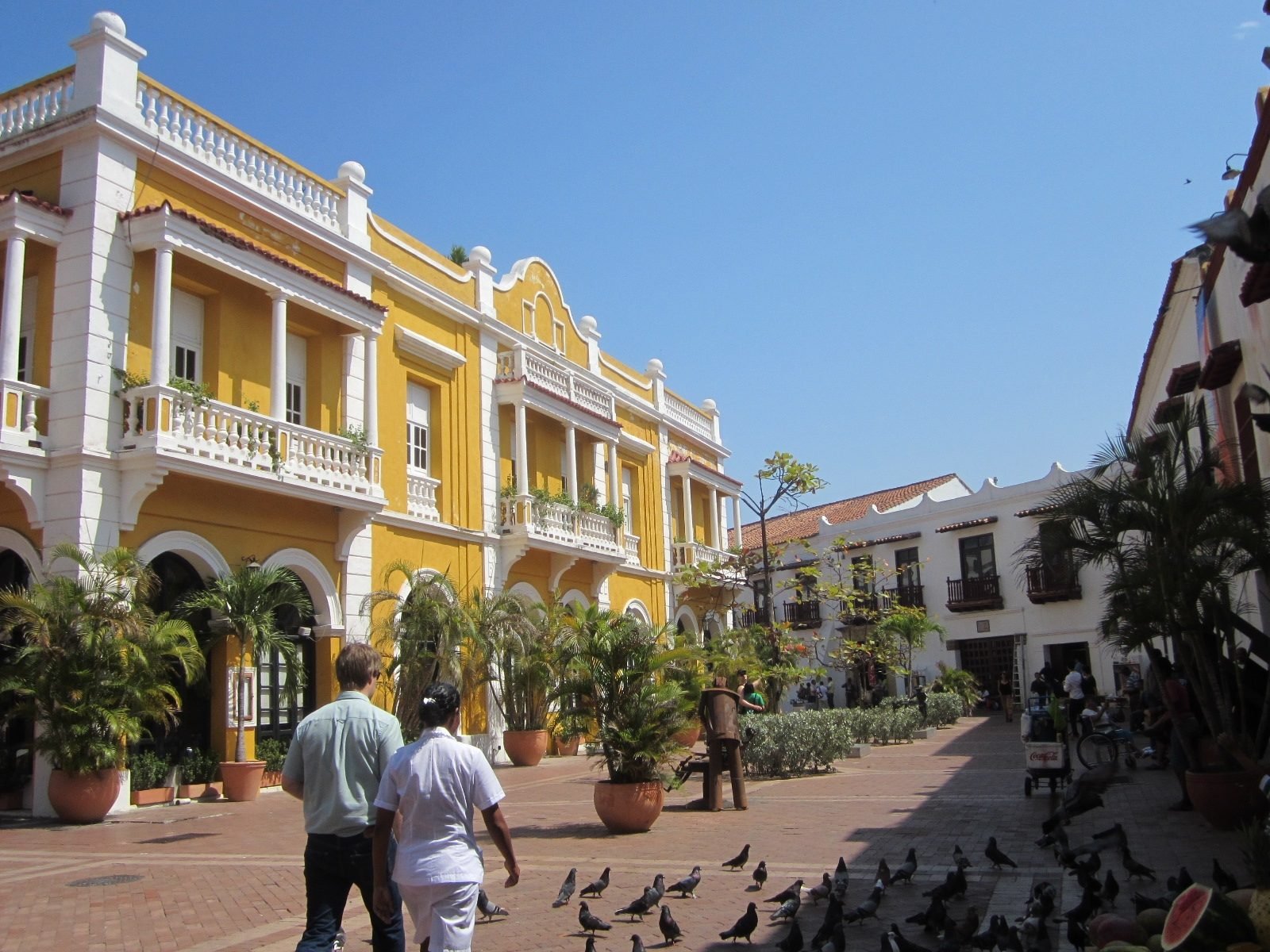
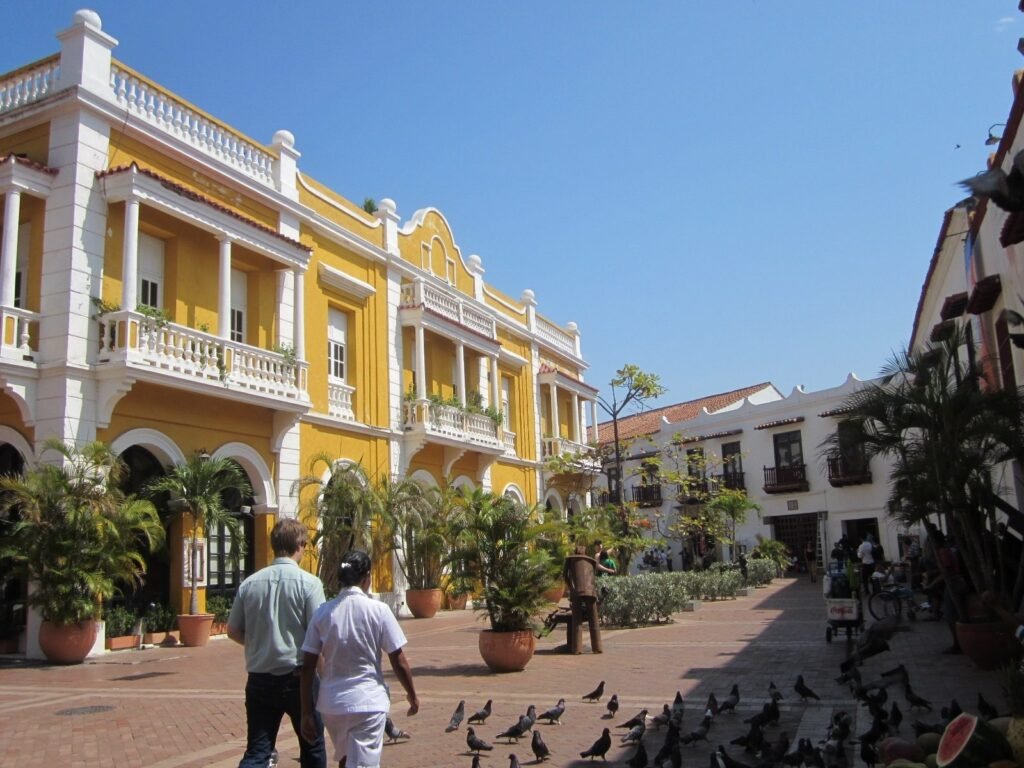
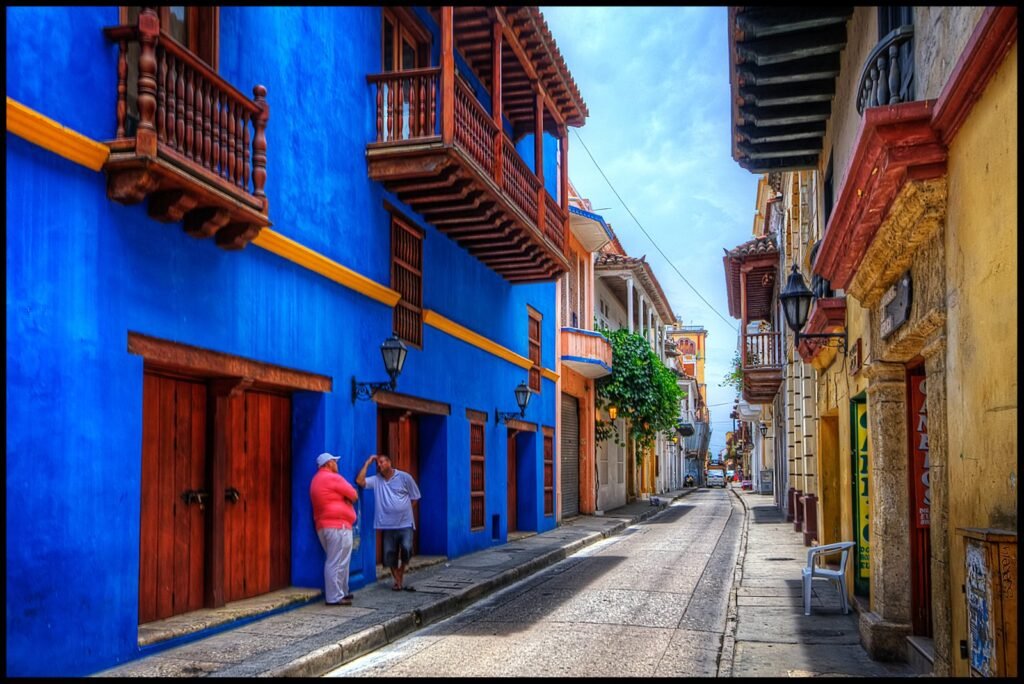
Cartagena, whose walled colonial historic district is one of Colombia’s best-known tourist attractions, is not accustomed to a crisis of this kind playing out in a neighbourhood supermarket. La Castellana is a residential area away from the old town’s hotels and cruise-ship crowds, and the siege brought the city’s daily life to a standstill in the streets around the store.
Before the rescue, Reuters images showed crowds of heavily armed military and police outside the Éxito branch, with onlookers kept back behind cordons. The airport’s brief suspension underlined how seriously the authorities treated the operation: a runway was cleared for military use while the assault was prepared.
The president’s decision to travel to Cartagena in person — and to announce the rescue himself, on video, in the middle of the night — showed the political weight the government attached to the outcome. A failed rescue, with hostages killed on live television, would have been a serious blow; a clean one, the president was quick to present as proof that the security forces could act decisively.
For Cartagena, the relief was real — but the sight of soldiers storming a supermarket in a family neighbourhood will not be forgotten quickly.
Violence on Another Front
The president had come to Cartagena from Villavicencio, a city in central Colombia, where he had visited the scene of a car bombing the night before. The government blamed that attack on dissidents from the former FARC rebels who reject the 2016 peace deal.
The blast near government offices in Villavicencio, the capital of the central department of Meta, injured 22 people, but there was no immediate claim of responsibility. Most injuries were minor, though one person was stable following surgery, the city’s mayor, Alexander Baquero Sanabria, said. The blast damaged about 500 properties, homes and businesses among them.
At the blast site on Tuesday, the president issued a blunt warning. “To the narcoterrorists responsible, I warn you: you will answer for every drop of blood you have spilled and every business and property you have destroyed,” he said. “We will make you pay. This attack will not go unpunished.”
The two episodes, hours apart, underlined the scale of the security challenge facing his government — from urban crime in a tourist city to a bombing blamed on armed groups in the interior.
What Remains Unknown
For all the speed of the rescue, much about the siege is still unclear. The authorities have not named the captors, said where they came from, or explained how they planned an armoured-car robbery that failed before it began. It is not known whether the gang had scouted the mall and the supermarket in advance, or how they were armed.
The condition of the freed hostages has not been described in detail, and it is not known whether any of them needed hospital treatment. The injured agent’s condition has not been reported either. The authorities have also not said what charges the four detained men will face, or when they will appear before a judge.
What is known is the sequence of the day itself:
- About 8 a.m. Tuesday: armed men enter the Éxito supermarket in La Castellana after failing to hijack an armoured car.
- Tuesday daytime: about 30 people are held hostage; ten are released during the day.
- Tuesday night: riot police are deployed as crowds outside grow restless; airport landings are briefly suspended.
- About 1:30 a.m. Wednesday: special forces storm the store; one captor is killed, four are detained, and all remaining hostages are freed.
The rescue answered the most urgent question — whether the hostages would survive. The questions about who the gang were, and how they got so far, are still open.
Colombia’s Long Struggle With Armed Violence
The siege also sits within a much older story. For more than 60 years, Colombia’s left-wing rebel groups have battled the government and right-wing paramilitaries turned crime gangs in a civil war fuelled by the cocaine trade. Some respite came from the 2016 peace deal between the government and the FARC, but crime gangs remain hugely powerful and smaller rebel groups persist.
Tuesday’s events were a reminder that the violence takes many forms — not only rural insurgency and bombings, but armed urban crime that can trap ordinary shoppers inside a supermarket on a weekday morning. The government’s response in Cartagena was swift and, by its own account, flawless. Whether it deters the next gang willing to try an armoured-car robbery is a question no single rescue can answer.
The hostages are free, and a city can breathe again. The wider fight that produced the siege goes on.
By The BNN Media
The Best News Network
News Beyond the Borders