By
By The BNN Media
The Best News Network
News Beyond the Borders
A Russian unmanned aircraft crossed briefly into Poland during a night of heavy strikes on western Ukraine, Warsaw said, in the latest spillover of the war onto NATO territory.
Warsaw, Poland — A Russian unmanned aerial vehicle briefly violated Polish airspace during the night of Monday 23 November, Poland’s Armed Forces Operational Command said, as Russian forces carried out an overnight attack on targets in western Ukraine.
What happened overnight
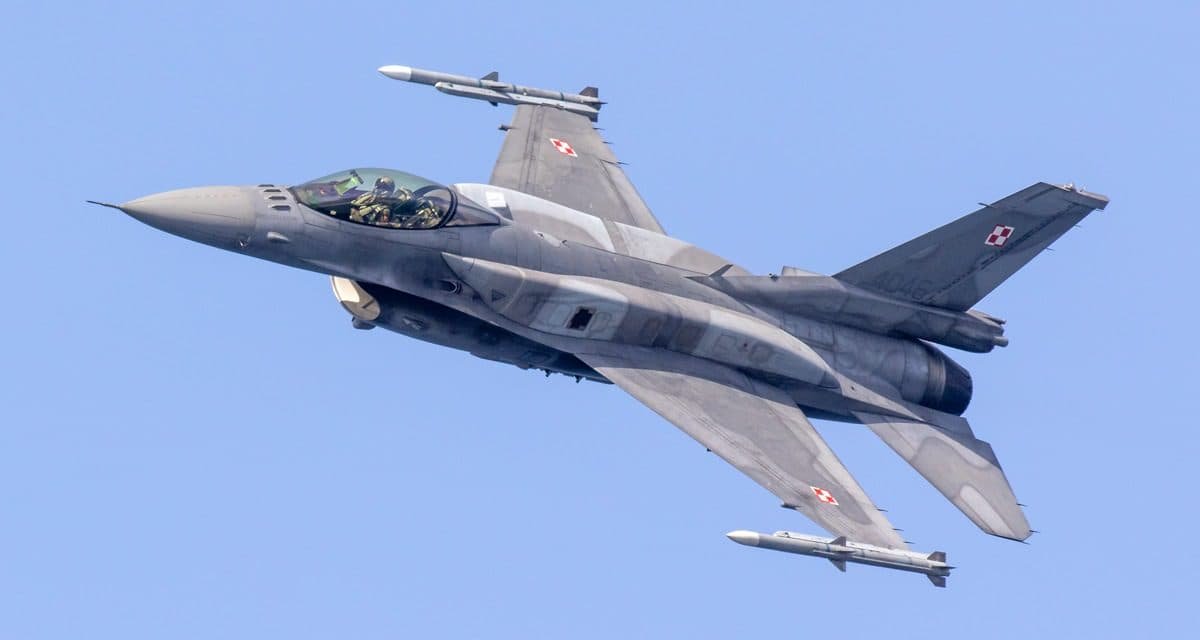
The Polish military announced the incursion in a post on X shortly before midnight local time on Monday. It said the drone had crossed into Polish airspace during Russia’s nighttime attack on targets in western Ukraine, and that the country’s air defence forces and assets had been activated in response.
“The object was continuously tracked by military radar systems throughout its flight path,” the Operational Command said, adding that the situation was constantly monitored and that authorisation had been issued to shoot the object down.
Ukraine’s air force said Russia launched 96 drones into the country overnight, 64 of them jet-powered. Ukrainian air defences downed or suppressed 73 of the drones, including 45 of the jet-powered ones, and impacts were reported across 13 locations.
The incursion was brief, but it was the second time in four days that Russian weapons were reported to have crossed into Poland.
Why Poland held its fire
Although Polish forces were authorised to destroy the drone, they chose not to open fire. The Operational Command said the decision was taken after the unmanned aircraft changed course and headed east.
“Taking into account the potential threat to civilians and the possible consequences of shooting down the object, a decision was made to refrain from using weapons due to the continuing risk of causing damage,” the command said.
Deputy Defence Minister Pawel Zalewski explained the reasoning in an interview with private radio station RMF FM. The drone had been flying over a densely populated area, and shooting it down could have caused significant damage from falling debris, another deputy defence minister, Stanislaw Wziatek, told public radio station PR24.
“If it had posed any threat, it would of course have been shot down,” Zalewski said, adding that the military made its decision out of concern for the civilian population below.
The choice underlines the difficult calculation facing air defenders on NATO’s eastern flank: destroying an intruder is not always the safest option when it is flying over towns and villages.
Warsaw points to a deliberate act
Polish officials did not treat the crossing as an accident. Zalewski told RMF FM that it was hard to imagine the incursion was a coincidence.
“It’s hard to imagine this being a coincidence, so we assume it was an intentional act,” he said.
According to sources cited by Polish news agency PAP, the drone entered Polish airspace near Dorohusk, a town on the border with Ukraine, and was equipped with surveillance equipment, including cameras. Its most likely purpose, the sources said, was reconnaissance.
Zalewski said the aircraft was a Russian surveillance drone, but he was careful about what could not yet be established. “We do not know whether it was armed or whether it was a decoy,” he said, adding: “We treat everything that enters Polish airspace as a threat.”
Warsaw’s language matters: describing the flight as a deliberate act raises the diplomatic stakes well beyond a navigation error.
Warnings sounded in eastern Poland
As the drone crossed the border, Poland’s Government Security Centre sent warnings to residents of part of the Lublin Voivodeship, in the east of the country, alerting them to the threat of an air attack and urging them to find a safe place and follow the instructions of emergency services.
Air raid sirens were also heard in the east of the country, according to Polish media. The warning was later cancelled, with the centre reporting that there was no longer a threat on Polish territory.
No damage or casualties in Poland were reported in connection with the drone’s flight.
NATO’s response: early-warning aircraft
The drone incident came only days after a more serious event. Polish prosecutors have said three Russian Kh-101 cruise missiles landed in Poland on Friday 20 November, during attacks on Ukraine, adding to fears that the war could spill over into NATO territory.
That missile incident prompted an emergency meeting of NATO members on Monday. Deputy Defence Minister Zalewski said on Monday that NATO would deploy an AWACS early-warning system aircraft to Poland as part of its response.
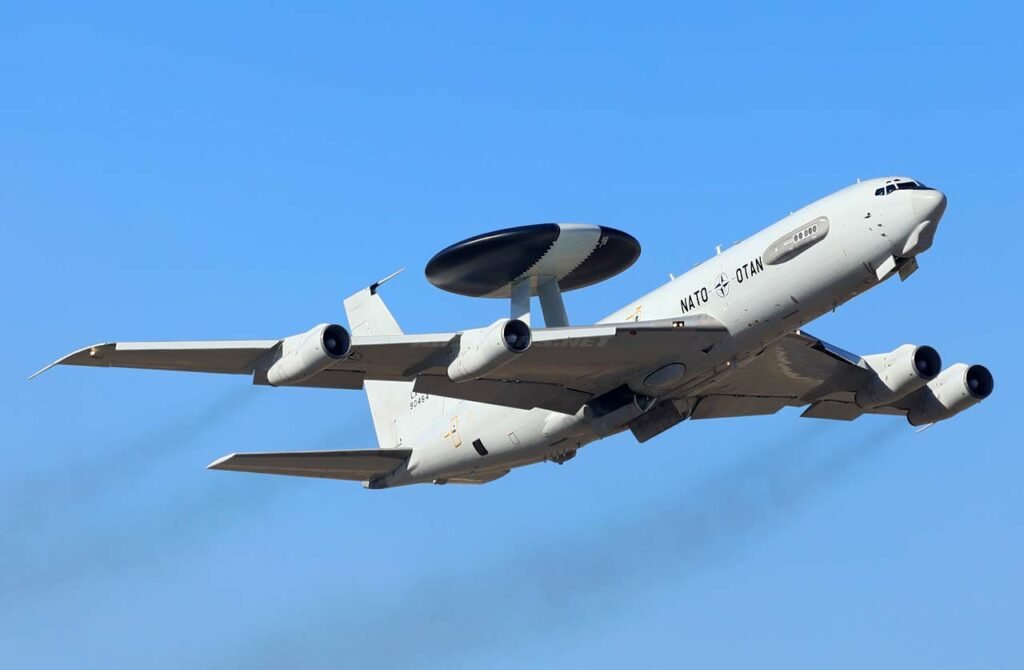
On Tuesday, Polish Defence Minister Wladyslaw Kosiniak-Kamysz said Polish officials were due to meet on several security issues, including “protecting Polish airspace, violations of our airspace, NATO support — early warning aircraft and a permanent U.S. military base in Poland.”
The AWACS deployment would give Poland and its allies a flying radar station able to watch the skies over Ukraine’s western border around the clock.
A pattern of incursions
Russian missiles and drones have violated Polish airspace multiple times since the start of Moscow’s full-scale invasion of Ukraine in February 2022. NATO allies have also reported confirmed or suspected Russian drone violations in Romania, Lithuania and Latvia, and Russian drones have been discovered in Moldova, which is not a NATO member. Russian officials have denied responsibility for all such incursions, according to the reporting.
The most serious previous case came on the night of 9–10 September 2025, when around 19 to 23 Russian drones entered Polish airspace. Polish and allied aircraft shot down up to four of them, most of them by the Dutch Air Force, and a house was damaged in the village of Wyryki-Wola in eastern Poland. Poland invoked Article 4 of the NATO treaty, which allows a member to call urgent consultations when it feels its security is threatened, and NATO launched Operation Eastern Sentry on 12 September to strengthen air defences on its eastern flank.
What happens next
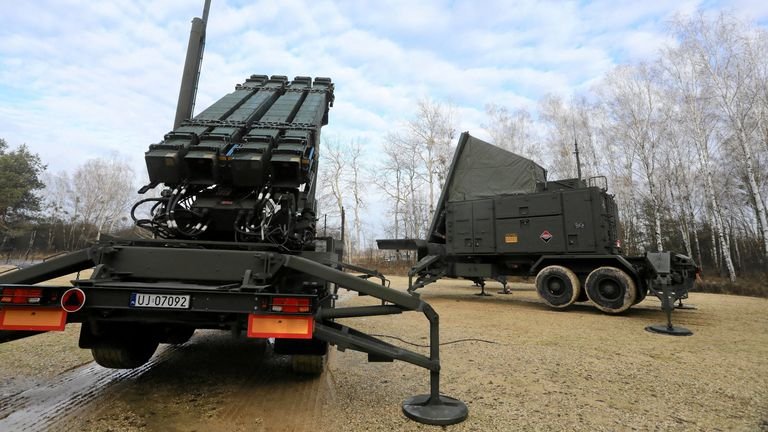
Polish officials are expected to continue their assessment of the drone’s flight path and purpose, and to discuss further airspace protection measures with NATO allies, including the AWACS deployment and the question of a permanent United States military base in Poland.
For now, the episode has ended without damage or casualties on Polish soil. But coming so soon after the missile landings of 20 November, it has reinforced a concern in Warsaw that has grown steadily through the war: that the fighting in Ukraine is no longer something that happens only across the border.
Each incursion, however brief, tests NATO’s defences — and each time, Poland must decide in minutes whether to shoot, or to hold fire.
By The BNN Media
The Best News Network
News Beyond the Borders