 By
Women who lost weight on GLP-1 medicines such as Ozempic and Wegovy showed increased breast density on their mammograms — and more than one in five were called back for extra testing. Researchers say the change is real, but stress that no extra cancer risk has been found and screening should continue as normal.
By The BNN Media
The Best News Network
News Beyond the Borders
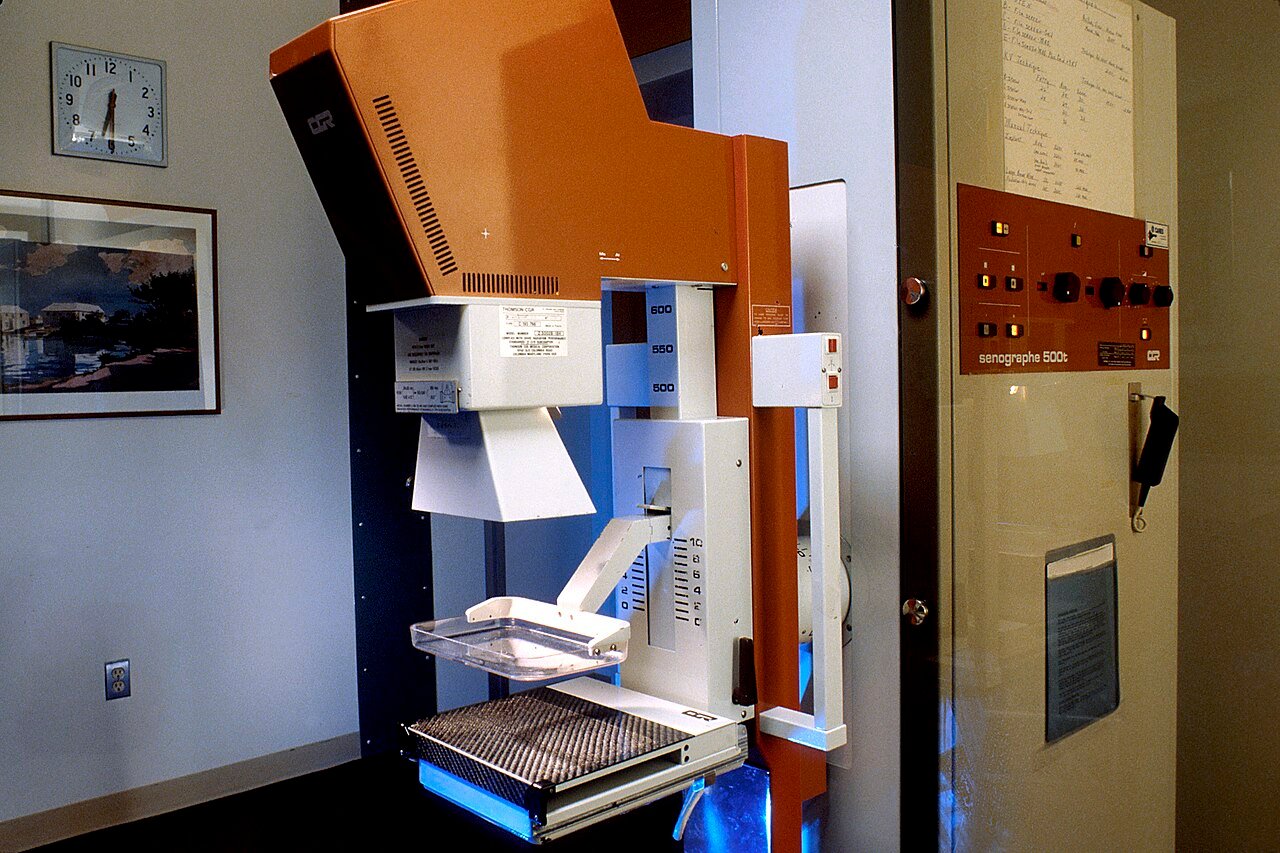
Boston, United States — Weight loss during treatment with GLP-1 drugs is linked with increases in breast density that could raise the odds of being called back for additional testing after a routine mammogram, a new study suggests. In every case in the study, breast density increased between the mammograms taken before and after GLP-1 treatment — and greater weight loss was associated with a greater increase in density.
What the Study Found
The study, led by researchers at Brigham and Women’s Hospital in Boston, followed 107 women, ages 34 to 79, who used GLP-1 drugs for weight loss for at least one year. During that time they lost an average of 40 pounds (18 kilograms), with individual weight loss ranging from 6 to 107 pounds.
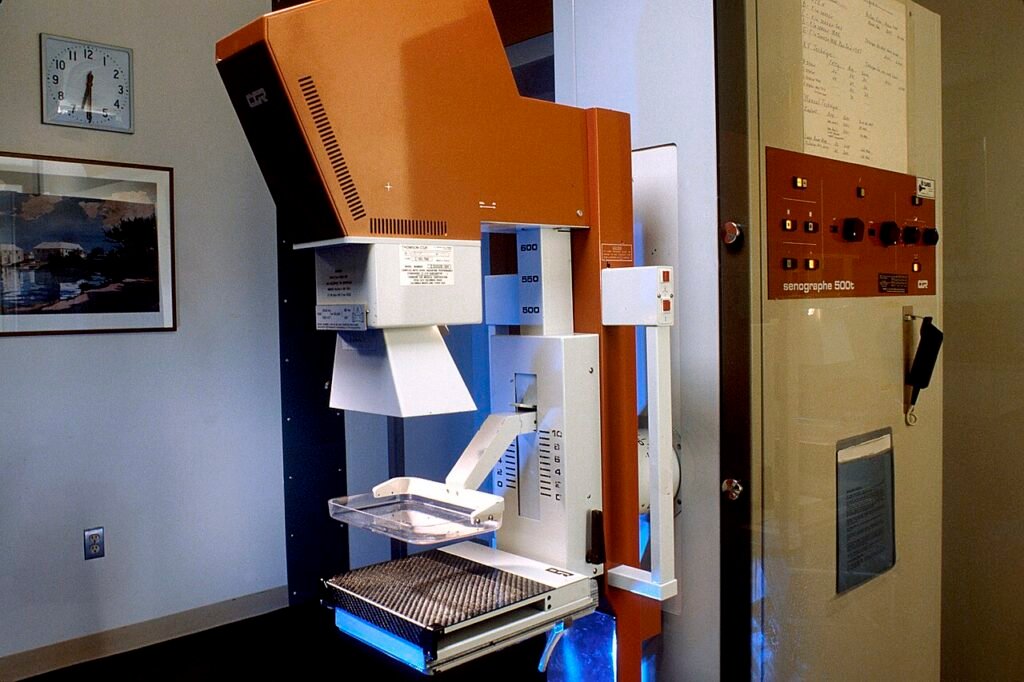
Each woman had two screening mammograms — one before starting the GLP-1 drug and one at least a year after starting it — giving the researchers 214 examinations to compare. Breast density was assessed by three breast radiologists, and automated breast-density assessment was also performed using software and the standard BI-RADS density categories.
The results showed that breast density increased between baseline and post-treatment mammograms in every woman in the study. Automated breast density increased by at least one category in 65 of 104 women (62.5%), and eight patients experienced a two-category jump in density. No decreases in density were observed in any participant.
“To our knowledge, this is among the first studies to directly evaluate longitudinal changes in mammographic breast density using paired mammograms before and after GLP-1-associated weight loss,” study leader Dr. Eva Gombos of Brigham and Women’s Hospital in Boston said in a statement.
The pattern was consistent across the whole group: the weight came off, and the breast tissue appeared denser on the scan.
Why Density Rises as Weight Falls
The finding may seem surprising — weight loss might be expected to make breast tissue less dense, not more. But the researchers say the increase may reflect a disproportionate loss of breast fat, causing a relative increase in mammographic density: as fatty tissue shrinks, the denser glandular tissue makes up a larger share of what the mammogram shows.
The study also found other changes in the mammograms. Breast-size reduction was identified in 57.9% to 78.5% of patients across the three radiologists, while increased skin thickening was identified in 9.3% to 17.8% of patients.
Greater weight loss was associated with a greater breast density increase, although the statistical correlation was weak — meaning weight loss alone does not neatly predict how much density will change in any individual woman.
In short, the scans changed because the breasts themselves changed — and the imaging had to keep up.
One in Five Called Back
The most practical consequence for patients is the call-back rate. The screening recall rate — the percentage of screening mammograms that led to a recommendation for additional testing — was 22.4% in the study, compared with an average US screening mammography recall rate of about 10%.
In other words, more than one in five women in the study were asked to return for further checks, more than double the usual rate. Most recalls involved asymmetries or masses seen on the scan, and the technical recall rate — repeat scans needed because of a technical error rather than a suspicious finding — was only 1.9%.
Crucially, the extra testing did not uncover hidden cancers. All remaining recalled cases were assessed as negative or benign, including three simple cysts, and all four biopsies recommended in the study yielded benign results.
“The 22.4% screening recall rate is notable, because all recalled cases were ultimately benign or negative, and all four biopsies were benign concordant,” Dr. Gombos said.
More call-backs, then — but no cancers found among them. The extra tests caused worry and extra appointments, not extra diagnoses.
What It Does — and Does Not — Mean for Cancer Risk
Dense breast tissue is a known risk factor for breast cancer, and it can also make mammograms harder to interpret, which is why denser scans more often lead to repeat imaging. That combination is what makes this finding worth attention.
But the researchers and the reporting on the study are clear about the limit of what has been shown: the study found a change in mammographic appearance and a higher recall rate. It did not find an increased risk of breast cancer, and research has not found a link between GLP-1 use and increased breast cancer risk.
The distinction matters. A denser mammogram is a screening challenge, not a diagnosis — and in this study, every follow-up that the denser scans prompted came back clear.
The risk the study documents is to the screening process, not to the women screened.
What Women Should Do
The researchers advise that women who are taking GLP-1 medications should continue routine breast cancer screening according to existing recommendations — and they should tell their imaging team about their treatment.
“Because substantial weight loss may change breast density and mammographic appearance, patients should inform their breast imaging team about GLP-1 use and significant recent weight loss,” said Dr. Gombos, a diagnostic radiologist at Brigham and Women’s Hospital.
That information helps radiologists interpret the scan correctly: knowing that a patient has lost substantial weight on a GLP-1 drug gives the reader context for a denser-looking image, and may reduce unnecessary worry when a comparison with an older mammogram shows a marked change.
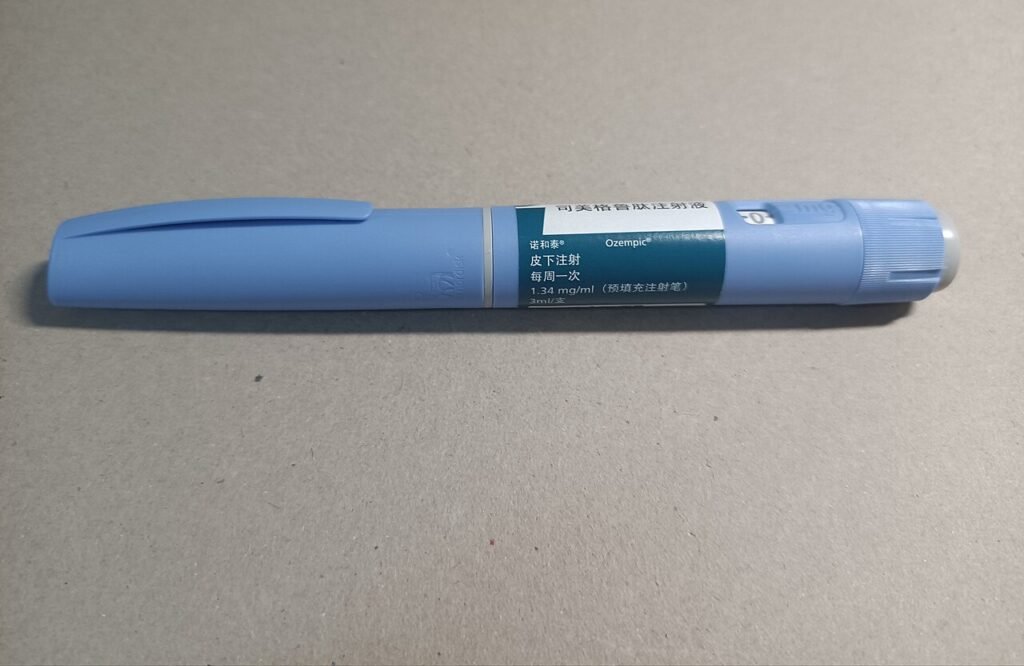
The advice applies to the whole class of GLP-1-based weight-loss medicines, which includes Ozempic, Wegovy, Mounjaro and Zepbound — drugs now used by millions of people worldwide for weight loss and diabetes.
A Preliminary Finding With a Wide Reach
The findings are scheduled to be presented next week in Chicago at the annual meeting of the Radiological Society of North America (RSNA), and were announced in an RSNA news release on 24 November 2026. Because the findings are being presented at a medical meeting, they should be considered preliminary until published in a peer-reviewed journal.
That caveat does not make the study small. It is, by the researchers’ account, among the first to track density change directly with paired mammograms taken before and after GLP-1 weight loss, rather than comparing different groups of women. The design — each woman compared with her own earlier scan — makes the result harder to dismiss as a quirk of who was studied.
With GLP-1 use still rising, the number of women whose mammograms change in this way is likely to grow. For screening programmes, that means more call-backs to manage; for patients, it means a denser scan after major weight loss is something to expect and to mention — not something to fear on its own.
Weight-loss jabs can change what a mammogram looks like. They have not been shown to change a woman’s risk — and the screening that catches cancer early should carry on regardless.
By The BNN Media
The Best News Network
News Beyond the Borders