 By
A standard 32GB memory kit that cost $108 last August now sells for $572. With the world’s three big memory makers feeding AI data centres first, PC buyers are paying the price — and the makers say it gets worse before it gets better.
By The BNN Media
The Best News Network
News Beyond the Borders
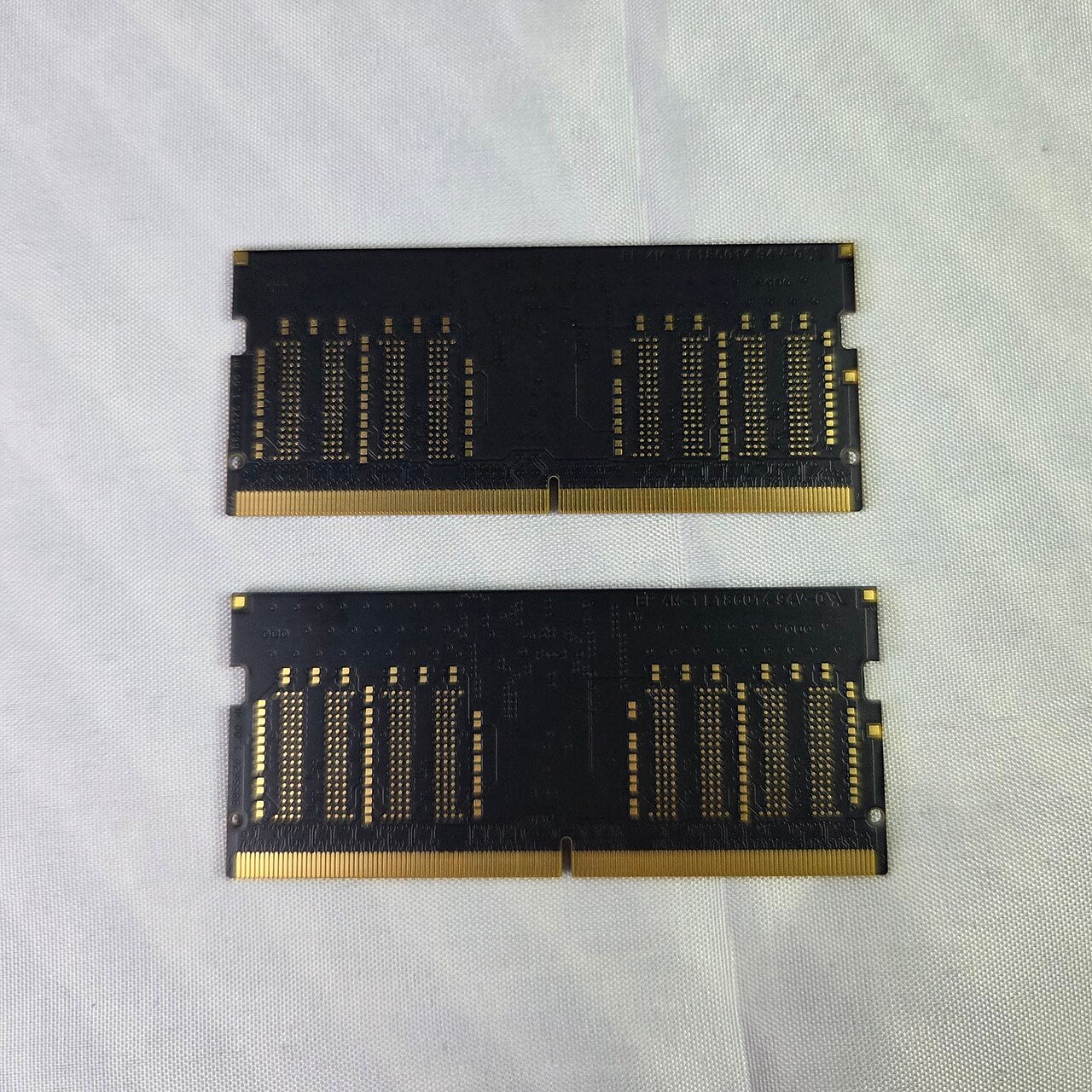
San Francisco, United States — A mainstream 32GB DDR5 memory kit that averaged $108 in the United States in August 2025 cost $572 a year later — more than five times as much — as a global shortage of memory chips, driven by demand from artificial-intelligence data centres, pushes prices to levels never seen before. The figures, compiled by Tom’s Hardware from PCPartPicker retail data, capture a market in which the memory inside an ordinary desktop computer has become one of the fastest-rising costs in technology.
Prices That Have Tripled — and Then Some
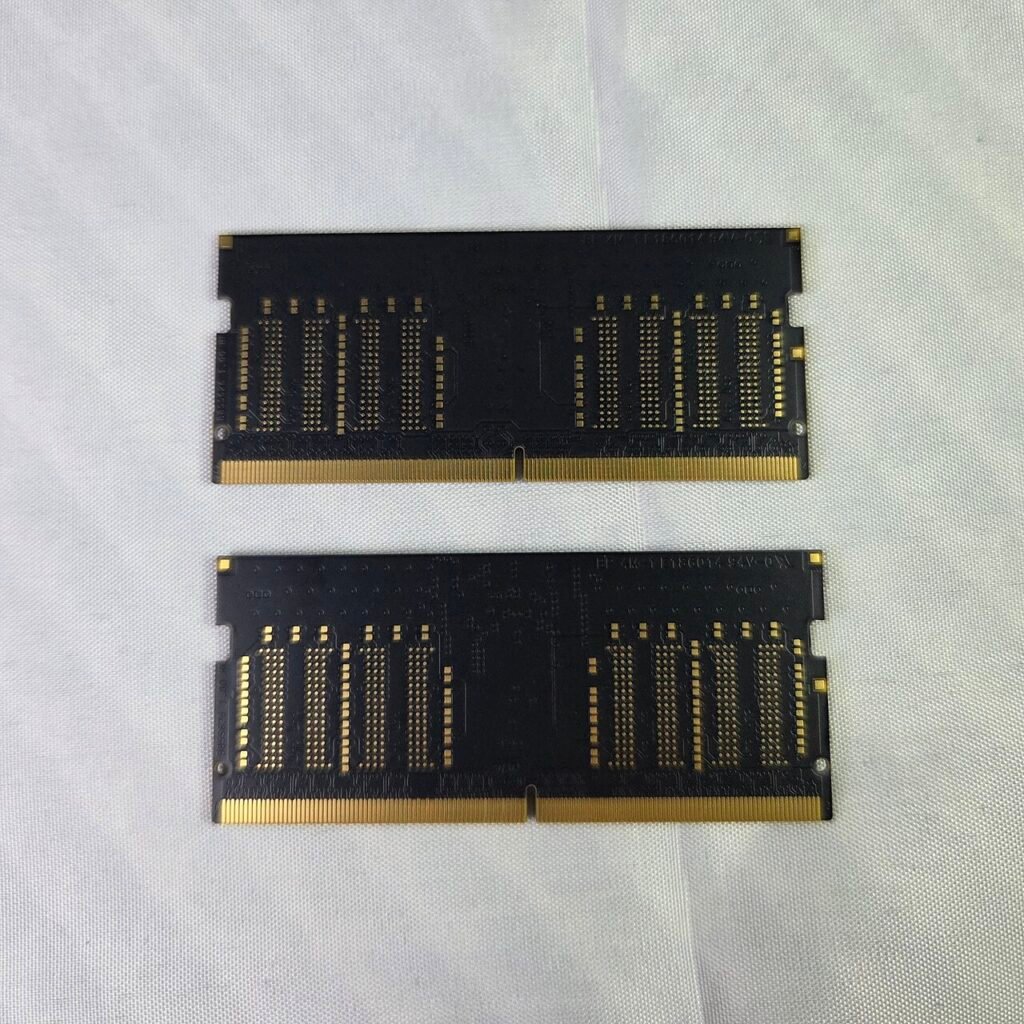
The headline of this shortage is written in retail prices. A 32GB DDR5-6000 kit — the standard choice for a new gaming or work PC — rose from $108 in August 2025 to $572 in August 2026. A 64GB kit of the same speed climbed from $191 to $1,118 over the same twelve months. Even DDR4, the older memory standard that most of the industry had written off, has surged: a 32GB DDR4-3200 kit went from $105 to $281.
The raw chips tell the same story. A mainstream DDR4 chip that sold for about $12 on the open spot market in November 2025 reached $46.32 by early October 2026, according to TrendForce data, and by 12 November it cost more than fifteen times its early-June 2025 spot price. Contract prices — what PC makers, phone makers and cloud providers pay the suppliers — have compounded to roughly five times their mid-2025 level, according to TrendForce’s quarterly figures.
In a single year, the memory in a mid-range PC went from a routine purchase to the single most expensive decision in the build.
Why the Shelves Are Empty: AI Ate the Wafers
The shortage is not caused by a lack of silicon. It is caused by who gets the silicon first. Samsung, SK hynix and Micron make nearly nine-tenths of the world’s DRAM — 87.6% of industry revenue in the second quarter of 2026, according to TrendForce — and all three have spent 2026 steering their factory capacity toward high-bandwidth memory, or HBM, the stacked memory packaged next to AI accelerators such as Nvidia’s graphics processors.
HBM is extraordinarily wasteful of factory capacity. According to Micron, one gigabyte of HBM consumes roughly three times the wafer area of a gigabyte of ordinary DDR5, because of the stacking, the base die and the yield losses in packaging. TrendForce estimates that HBM took about 18% of the big three’s wafer input at the end of 2025 while supplying only 8% of their DRAM output. Every wafer turned into HBM for an AI data centre is a wafer that never becomes a stick of PC memory.
Cloud providers have compounded the squeeze by buying early and buying big. Industry reporting says large module makers received only 30% to 50% of the chips they asked for, and Micron has said it is filling only about half to two-thirds of what its core customers request. SK hynix told investors in October that its DRAM, NAND and HBM capacity is effectively sold out for all of 2026.
The PC buyer is now bidding against the largest computing budgets in history — and losing.
The Whole Computer Gets More Expensive
The shortage has escaped the component aisle and reached finished computers. HP told investors in February that memory and storage had risen to about 35% of a PC’s bill of materials, up from 15% to 18% the quarter before, and said it was raising prices and in some cases cutting specifications. Research firm IDC forecasts average PC prices up 17% in 2026, with Lenovo, Dell, HP, Acer and ASUS all confirming price increases of 15% to 20%. Gartner expects combined DRAM and SSD prices to rise around 130% across 2026, pushing average PC prices about 17% higher and smartphone prices about 13% higher than in 2025.
Dell, which sits on both sides of the squeeze — selling PCs and building AI servers — disclosed a $95 billion backlog of AI-server orders in September. Its chief operating officer, Jeff Clarke, summed up the constraint in six words: “DRAM, DRAM, DRAM followed by NAND, NAND, NAND.” Dell has compressed its discounting and now says its quotes are valid for the shortest period they have ever been.
- 32GB DDR5-6000 kit: $108 (Aug 2025) → $572 (Aug 2026), up 5.3 times — Tom’s Hardware / PCPartPicker.
- 64GB DDR5-6000 kit: $191 → $1,118, up 5.9 times.
- 32GB DDR4-3200 kit: $105 → $281, up 2.7 times.
- DRAM contract prices: roughly five times their mid-2025 level by the third quarter of 2026 — TrendForce.
- Average PC prices: up about 17% in 2026 — IDC.
Memory is no longer a small line item in a computer’s cost. In some machines it is now the largest one.
DDR4’s Strange Comeback — and Micron’s Exit
One of the stranger turns in the shortage is the revival of DDR4. Suppliers issued end-of-life notices for the older standard in mid-2025, expecting demand to fade as DDR5 took over. Instead, buyers who could not get or could not afford DDR5 turned back to DDR4, and the shrinking supply met rising demand. The result is that a chip class the industry had written off set record spot prices through the autumn.
At the same time, the consumer market lost one of its best-known names. Micron announced in December 2025 that it was leaving its Crucial consumer business entirely, ending 29 years of selling RAM and solid-state drives directly to PC builders. Shipments stopped at the end of February 2026. The decision was a blunt signal of where the money now is: selling memory to data centres, not to desktop builders.
The shortage also has a legal shadow. In November, a US federal judge allowed an antitrust lawsuit against Samsung, Micron and SK hynix to proceed, over allegations of DRAM supply manipulation — allegations the companies deny and which remain unproven.
The old memory is back because the new memory is gone — and one of the biggest consumer brands has already walked away.
No Relief in Sight
Nothing in the forecasts offers PC buyers comfort. Micron said on 30 September that it expects conditions to be “much tighter in calendar 2027 and 2028 than they were in 2026”. SK hynix said in October that it expects demand to exceed supply through 2030. TrendForce still forecasts PC DRAM contract prices rising another 13% to 18% in the fourth quarter of 2026 — a slower climb than the third quarter’s 18% to 23%, but a climb all the same.
New factories are the only lasting fix, and they take years. Industry analysts say a new fabrication plant takes three years to build even when rushed, and four or five to ramp up to meaningful output. The plants with dates attached do not start producing in volume until 2027 at the earliest, with substantial new supply expected only in 2028. Meanwhile, much of the output that does exist is already spoken for: Micron says 26 long-term agreements cover more than 35% of its revenue through 2030, and SK hynix says more than half of its 2027 and 2028 capacity is already allocat.
The same AI boom that is squeezing PC buyers is also the reason the world’s most valuable chip company keeps setting records. Nvidia’s chief executive was reinstated this week after the company’s board reversed his removal, and the company’s accelerators are the very products whose appetite for high-bandwidth memory sits at the centre of the shortage.
For anyone who needs a computer now, the advice from market watchers is consistent: buy it, because waiting has no dated reward — no forecast expects a return to 2025 prices. For anyone whose current machine still works, the case for waiting rests on new supply arriving in 2028, not on a price fall.
The shortage was built in a downturn, fed by an AI boom, and locked in by contracts that run to 2030. The bill, for now, lands on the PC buyer.
By The BNN Media
The Best News Network
News Beyond the Borders