 By
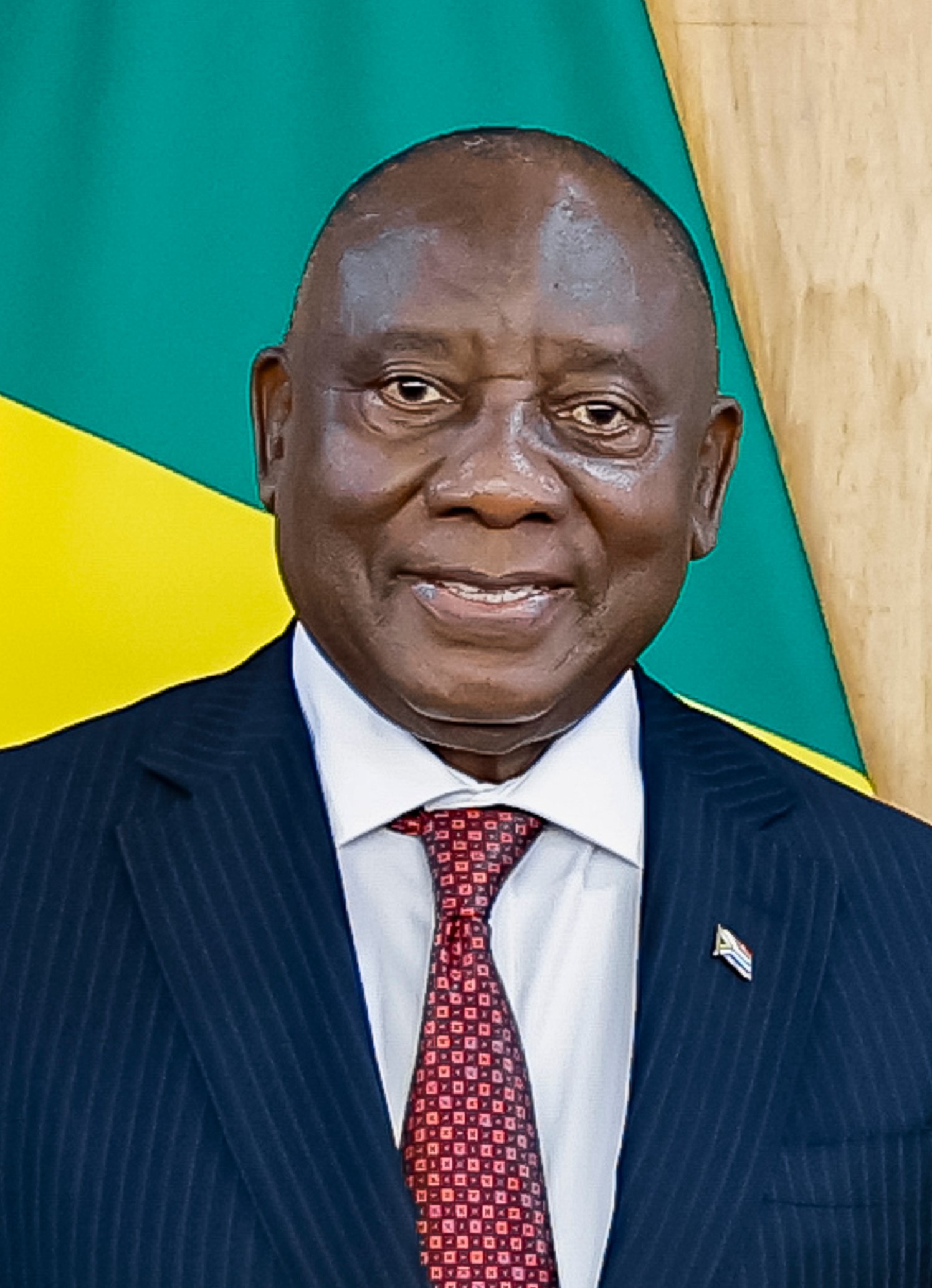
The Western Cape High Court has declared unlawful the independent panel report that found President Cyril Ramaphosa may have committed a serious violation of the law over the Phala Phala farm theft — collapsing the parliamentary impeachment process built on it. The judges did not rule on whether he did anything wrong.
By The BNN Media
The Best News Network
News Beyond the Borders
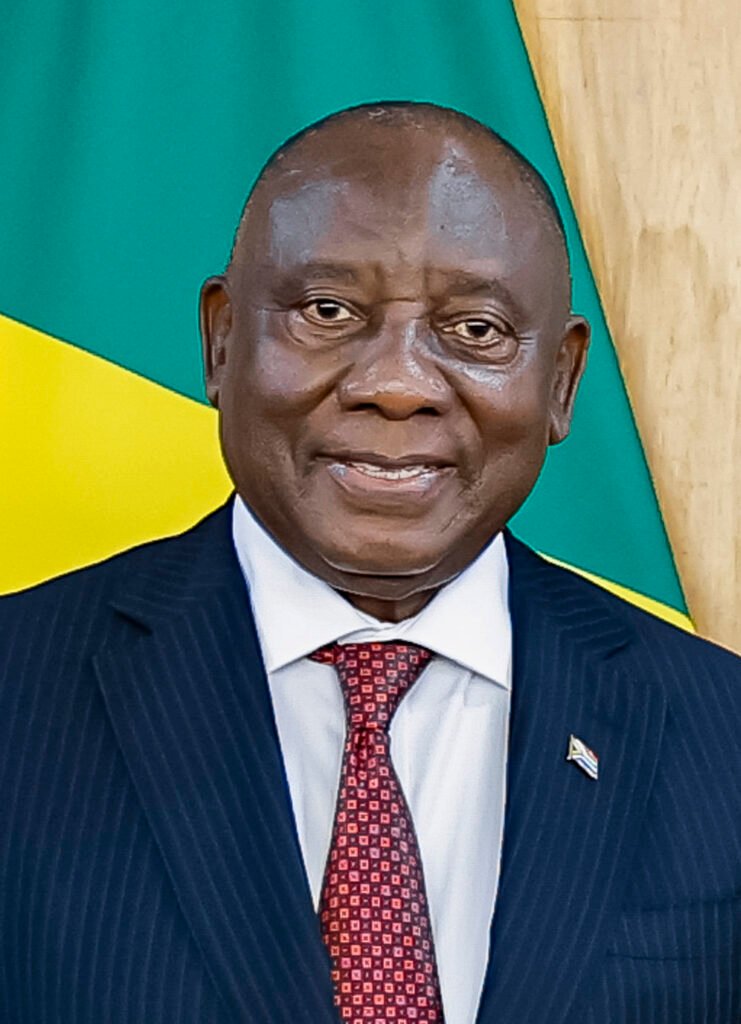
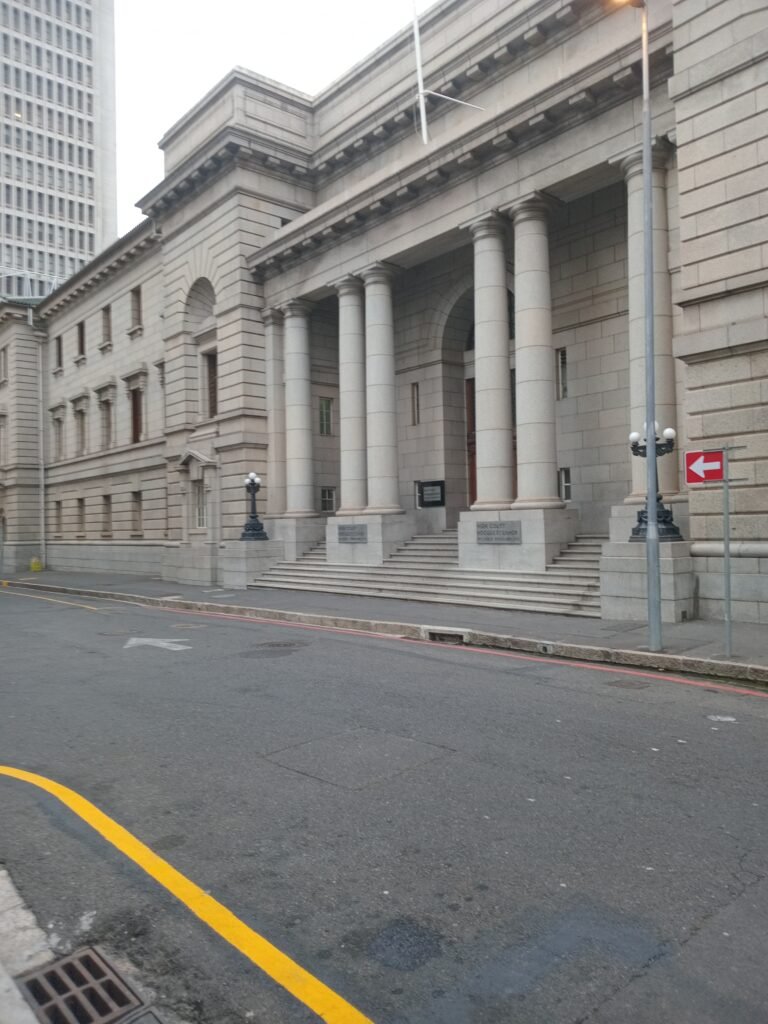
Cape Town, South Africa — The Western Cape High Court on Wednesday 25 November unanimously declared unlawful and set aside the independent panel report that found President Cyril Ramaphosa had a case to answer over the Phala Phala affair — and with it, every step Parliament had taken on the back of that report. The ruling, handed down by a full bench in Cape Town, removes the legal foundation of the impeachment process against the president and stops the work of the parliamentary committee that was preparing to put him on trial.
The Ruling in Cape Town
The judgment was delivered by a full bench of three judges: Judge President Nolwazi Mabindla-Boqwana, Judge Mark Sher and Judge Ncumisa Mayosi. It was unanimous, and it was unsparing about the panel whose work it was reviewing.
“The report of the panel cannot stand; the panel fundamentally misconstrued its functions, the nature of the inquiry it was to conduct, and the recommendation it was required to make to the speaker. It went beyond its lawful remit, asked itself the wrong questions and made several material errors of law,” Mabindla-Boqwana said, delivering the judgment.
The court’s order was short and sweeping: the report of the independent panel “is declared unlawful, and is reviewed and set aside in its entirety”, and “any steps taken by the National Assembly pursuant to the report are reviewed, declared unlawful and set aside”. Each party was ordered to pay its own costs.
Ramaphosa had approached the court earlier this year to challenge the report, which had exposed him to renewed impeachment proceedings. The ruling is, in the words of Business Day, the biggest blow yet to Parliament’s impeachment process — a process that would have left the president’s fate in office to be decided by politicians, including his opponents.
The report is gone, the parliamentary steps built on it are gone, and the impeachment process has lost its foundation in a single morning.
What the Judges Found Wrong
The case was not about whether Ramaphosa was guilty of anything. It was about whether the panel had done its job lawfully — and the court found, from the very start, that it had not.
The independent panel was established in 2022 under Section 89 of the Constitution to examine whether there was sufficient evidence to justify further parliamentary proceedings against the president. It was chaired by former Chief Justice Sandile Ngcobo, alongside retired Judge Thokozile Masipa and advocate Mahlape Sello. Its report found that Ramaphosa may have committed a serious violation of the law and of provisions of the Constitution.
The High Court found that the panel had misunderstood its statutory function under Parliament’s rules from the outset. Instead of deciding whether sufficient evidence supported the charges, it applied an incorrect legal test — a preliminary assessment that the president had “a case to answer” — and it took into account matters that went beyond the four specific charges set out in the motion of impeachment passed by the National Assembly in 2022.
The judges concluded that those errors were material: the panel’s process and conclusions were not rationally connected to the purpose of the rule under which it had been appointed. As one legal analyst put it, the panel’s report “did not adhere to its mandate” and applied the wrong test “in determining whether there was sufficient evidence for a full-blown impeachment committee to be established and a full inquiry to be held”.
The judges did not say the panel reached the wrong conclusion. They said it asked the wrong questions to get there.
The Farm at the Centre of It All
The case at the heart of the ruling is Phala Phala, the president’s private game farm in Limpopo province. It stems from the alleged theft of about $580,000 in cash from the farm in 2020, which raised questions over whether the money had been properly declared to the authorities.
The theft, and the way it was handled, became one of the most damaging episodes of Ramaphosa’s presidency. The 2022 panel report was the closest the affair had come to ending his time in office: it found he may have committed a serious violation of the law, and it set in motion the parliamentary process that has now been stopped.
Ramaphosa has never had to testify under oath about the transaction behind the cash — the sale of buffalo from the farm that he has said explains the money — and the questions about what exactly happened at Phala Phala have never been answered in a forum where he could be cross-examined.
Six years after the theft, the central facts of Phala Phala are still disputed — and this judgment does not settle them.
The Impeachment Committee Loses Its Foundation
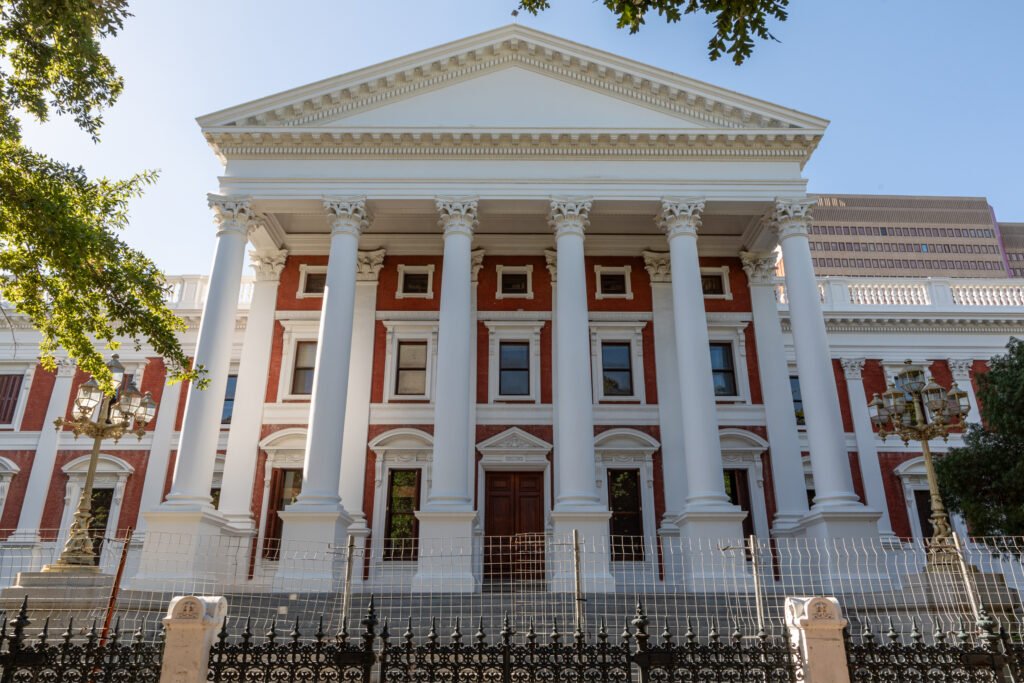
The ruling’s most immediate consequence falls on Parliament. The impeachment committee chaired by Makashule Gana, which had been preparing to probe the charges against the president, has lost the legal basis on which it was operating. Its scheduled meeting on Thursday 26 November was cancelled.
Gana said after the judgment that the committee was seeking legal advice from Parliament’s legal service on whether it could still meet, and whether any such meeting would be its last. National Assembly Speaker Thoko Didiza confirmed that Parliament would study the judgment before deciding what to do next.
The committee had been set up to examine the truth of the charges against the president and whether their seriousness amounted to serious misconduct — one of the grounds the Constitution provides for removing a president from office. With the panel report set aside, there is no longer a lawful foundation for that inquiry to proceed.
A committee built to judge the president now has nothing lawful left to judge him on.
What the Ruling Does Not Decide
For all its force, the judgment is a narrow one. The High Court did not decide whether the president was guilty of the allegations against him. It decided only whether the procedure the panel followed was in line with the law.
“It does not in any way vindicate the president factually, in terms of what happened, the allegations made and so on,” said Lawson Naidoo, executive secretary of the Council for the Advancement of the South African Constitution. “The litigation and the president’s successful review of the independent panel’s report was about the process and the legal test that was applied by the panel.”
Naidoo added that the president still owed the country an explanation for the money at the farm. “I think that’s something that the president still owes the nation an explanation for, what was the nature of the transaction that led to those US dollars being at his farm,” he said.
The court itself made the same point in its own way: its judgment does not place the president beyond constitutional accountability. It requires only that any impeachment process proceed on a lawful basis.
Ramaphosa has won the case. He has not been cleared of the allegations.
Reactions and the Appeal Question
The reaction split along the lines South African politics has followed for years. The African Transformation Movement, whose leader Vuyolwethu Zungula brought the original impeachment motion, said it was considering appealing the judgment to the Supreme Court of Appeal or the Constitutional Court. The Economic Freedom Fighters, who had pushed hard for the impeachment process, said they were weighing an appeal of their own and expressed disappointment at the ruling.
The African Christian Democratic Party, which noted the judgment with concern, pointed out that Zungula’s original motion of impeachment was not affected by the ruling and still stands — only the panel report and the steps flowing from it were set aside.
An appeal is not a formality. The filing of an application for leave to appeal suspends the operation of the High Court’s order unless the court finds exceptional circumstances to lift that suspension. And even if no appeal is brought, members of the National Assembly could bring a fresh motion of impeachment — provided any process that follows it is conducted in a way that can survive legal scrutiny.
As Naidoo put it: on this phase of the matter, the door is closed, “obviously subject to any appeal that may emerge from this judgment of the Western Cape High Court. I would anticipate that there will be an appeal.”
The ruling ends this impeachment process. Whether it ends the Phala Phala question depends on what happens next.
What Happens Now
Three things will decide how this story ends. The first is whether the ATM, the EFF or another party appeals — and whether a higher court agrees with the Western Cape bench that the panel got the law wrong, or finds that it got it right. The second is what Parliament does with the wreckage: whether it tries to rebuild the process with a fresh panel and a lawful inquiry, or lets the matter rest. The third is the question the court deliberately left open — what actually happened at Phala Phala, and whether the president will ever have to answer it under oath.
For now, Ramaphosa has survived the biggest threat to his career. The judgment puts a stop to the inquiry that would have left his fate in office to be decided by politicians, and it does so on the ground that the process against him was unlawful from the start. His opponents call that a failure of accountability. His supporters call it the rule of law working as it should.
Both sides will now look to the appeal courts. And the farm in Limpopo, where $580,000 in cash was stolen six years ago, remains what it has always been in this story: the place where the questions began, and where none of them have yet been answered.
The president survives — but the questions that nearly ended his presidency are still waiting for an answer.
By The BNN Media
The Best News Network
News Beyond the Borders