By
Bitcoin has clawed its way back above $61,000 on the day a $6.8 billion options expiry lands — but record money leaving US Bitcoin funds and fear at its deepest level in weeks show the recovery is still fragile.
By The BNN Media
The Best News Network
News Beyond the Borders
New York, United States — Bitcoin traded back above $61,000 on Friday, 27 November 2026, rising about 1 per cent in 24 hours as traders prepared for $6.8 billion of Bitcoin options expiring on the Deribit exchange, even as US spot Bitcoin funds recorded their worst month of outflows since they launched.

A Modest Recovery on a Big Expiry Day
Bitcoin rose nearly 0.9 per cent to $61,431 ahead of Friday’s expiry, according to crypto.news, and traded at $61,700 in the early hours of Friday after moving between $59,880 and $61,740 over the previous 24 hours. Morningstar, carrying Dow Jones Newswires, reported Bitcoin 1.5 per cent higher at $61,658 on Friday as Asian markets steadied, with ether up 1.9 per cent to $1,735. CoinMarketCap data put Bitcoin at $60,574 earlier in the day, up 0.76 per cent in 24 hours.
The gain was small, but the timing mattered. The recovery came on a US Thanksgiving holiday week, with American stock markets closed on Thursday and trading only a shortened session on Friday, ending at 1 p.m. Eastern Time. Thin holiday trading can make even modest buying — or selling — move prices more than usual.
The takeaway: Bitcoin is higher, but the move is narrow, holiday-thinned and sitting directly on top of the market’s biggest derivatives event of the month.
The $6.8 Billion Options Expiry
At 08:00 UTC on Friday, about $6.8 billion of Bitcoin options contracts expired on Deribit, accounting for 25.4 per cent of Bitcoin’s total options open interest, according to a 27 November analysis by CryptoQuant contributor The Daily Digits, reported by crypto.news.
Two numbers from that expiry tell the story of how traders are positioned:
- Maximum pain stood at around $70,000 — roughly 16 per cent above Bitcoin’s price of about $60,487 at the time of the assessment. Maximum pain is the settlement price at which outstanding options would pay their holders the least in total. It is a reference point, not a price prediction.
- The $65,000 strike held the largest concentration of contracts, covering 5,428 BTC worth about $328 million, mostly in put options — bets that pay off if the price falls or that protect against a fall.
With Bitcoin trading well below $65,000, many of those put contracts were still profitable at expiry before the premiums paid for them are counted. As The Daily Digits put it: “The options market is set up for defense, not for a squeeze.”
Deribit’s chief commercial officer, Jean-David Pequignot, told CoinDesk that the put/call ratio — a measure of how much traders are paying for downside protection versus upside bets — had risen to 0.89 for contracts expiring on 27 November, up from 0.55 in October. The exchange’s DVOL index, which measures expected Bitcoin volatility over the next 30 days, had climbed to around 55, from 38 in October.

Short Sellers Forced to Buy Back
Part of Friday’s lift came from traders who had bet against Bitcoin being forced to close those bets. About $47 million in Bitcoin short positions were liquidated over the past 24 hours, compared with $18.5 million in long positions, according to CoinGlass data reported by crypto.news. Shorts accounted for roughly 71 per cent of the $66.43 million in total Bitcoin liquidations.
When leveraged short positions are closed, traders must buy Bitcoin back — and that buying can push the price higher during a recovery. It is the same mechanism that can turn a small bounce into a sharper one, and it can fade just as quickly once the forced buying ends.
The takeaway: Friday’s rise was helped by short sellers buying back, not only by fresh investors stepping in.
Record Money Leaving the Bitcoin ETFs
Behind the price recovery, the flow of money through Wall Street’s Bitcoin funds remained firmly negative. US spot Bitcoin exchange-traded funds (ETFs) recorded $5.39 billion in net outflows in November through Wednesday, 25 November, according to SoSoValue data reported by crypto.news, The Block and CoinDesk — already the largest monthly outflow since the funds launched in January 2024.
The scale of the month stands out:
- The previous monthly record was $4.51 billion in June 2026. November has already passed it by about $880 million, with trading days still left in the month.
- The funds lost $453.12 million on Wednesday alone, extending their losing streak to seven straight trading sessions.
- BlackRock’s iShares Bitcoin Trust (IBIT) accounted for $329.7 million of Wednesday’s outflow — about 73 per cent of the day’s total — and roughly $4.5 billion of the month’s total, according to fund flow data.
- The funds’ combined net assets stood at $72.03 billion, with cumulative net inflows since launch down to $51.59 billion.
CoinDesk reported that Bitcoin has fallen about 22 per cent in November, and crypto.news noted that Bitcoin remained nearly 51 per cent below its October 2025 all-time high of $126,198. One bright spot for the industry was Morgan Stanley’s Bitcoin Trust, which drew $114.1 million in net inflows for the month through Wednesday, according to Farside Investors data reported by Cointelegraph — the exception in a month of heavy selling.
The takeaway: the price is bouncing while the biggest regulated buyers in the market are still selling — a split that leaves the recovery on uncertain ground.
A Month That Turned Against Bitcoin
November’s slide has been swift. Bitcoin’s fall below $56,000 earlier in the month marked its lowest level since September 2024 and wiped out about $2.4 billion in leveraged bets, as reported by The Best News Network on 21 November. Bitcoin later fell towards $55,000 before this week’s partial recovery.
Bitfinex analysts, in an assessment on 25 November, identified a potential trading range of $56,300 to $61,400 heading into Friday’s options expiry, with downside risks towards $55,501 if the bounce failed. On the technical picture, crypto.news reported Bitcoin still below the Bollinger Bands’ midpoint of $65,321, with immediate psychological support at $60,000 and the 20-day moving average near $65,321 acting as overhead resistance.
Liquidity is also thinning. CryptoQuant contributor CryptoZeno reported that the 30-day change in stablecoin market capitalisation had fallen to about negative 12 per cent, meaning less readily transferable capital is available across exchanges. Separate research by 21Shares identified a $10.7 billion stablecoin supply decline, the largest reduction in dollar terms over an 18-day period since the Terra collapse in 2022.
Fear Still Rules the Market
Sentiment has not recovered with the price. The Crypto Fear & Greed Index stood at 12 on Friday — firmly in “Extreme Fear” — up one point from 11 the day before and unchanged from 12 a week ago, according to Alternative.me data. The gauge has now sat in extreme fear for 15 straight days.
That mood fits the wider picture: a market that has fallen hard, is technically oversold, and is waiting for proof that buyers — not just short-covering — are returning. Some analysts see the fear as a buying opportunity in the making. CryptoQuant’s The Daily Digits placed Bitcoin’s realised price — an on-chain measure of the average cost at which coins last moved — at about $53,100, and warned that a daily close below that level before the 25 December options expiry would support continued demand for downside protection.
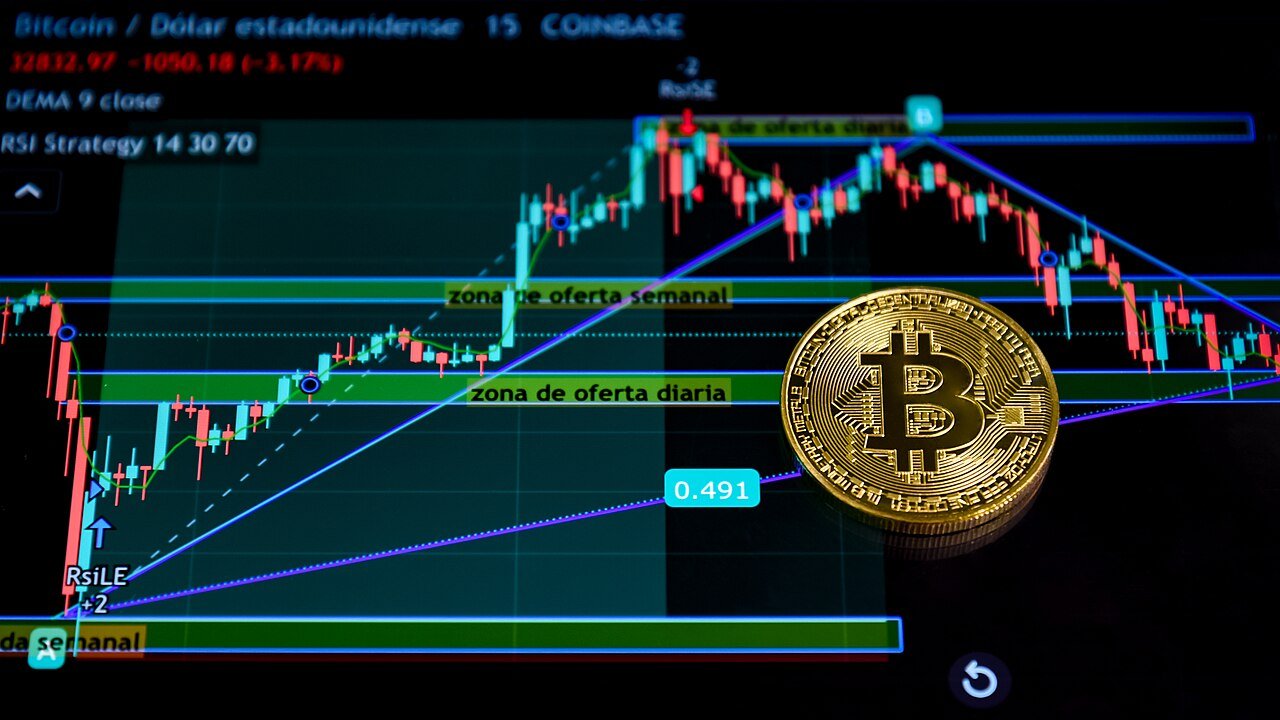
What Comes Next
Traders now face a short window for answers. US equity markets reopen for a shortened session on Friday, and the spot Bitcoin ETFs — closed for Thanksgiving — will show whether the seven-day outflow streak breaks or extends. The December monthly options expiry on 25 December is the next large derivatives event, and its risk reversal already shows traders paying more for downside protection than for upside.
The takeaway: reclaiming $61,000 steadies the picture, but until ETF outflows slow and Bitcoin holds above $60,000 with real buying behind it, this remains a recovery inside a downtrend — not yet a turn.
This article is for information only and is not investment advice. Figures are as reported by crypto.news, Morningstar / Dow Jones Newswires, CoinDesk, The Block and SoSoValue on 26–27 November 2026, and market prices move constantly.
By The BNN Media
The Best News Network
News Beyond the Borders