By
Two weeks of talks in Türkiye ended on Sunday with no overarching agreement — the first time a UN climate summit has failed this completely since Copenhagen in 2009 — after countries could not even agree to name fossil fuels in the final text.
By The BNN Media
The Best News Network
News Beyond the Borders
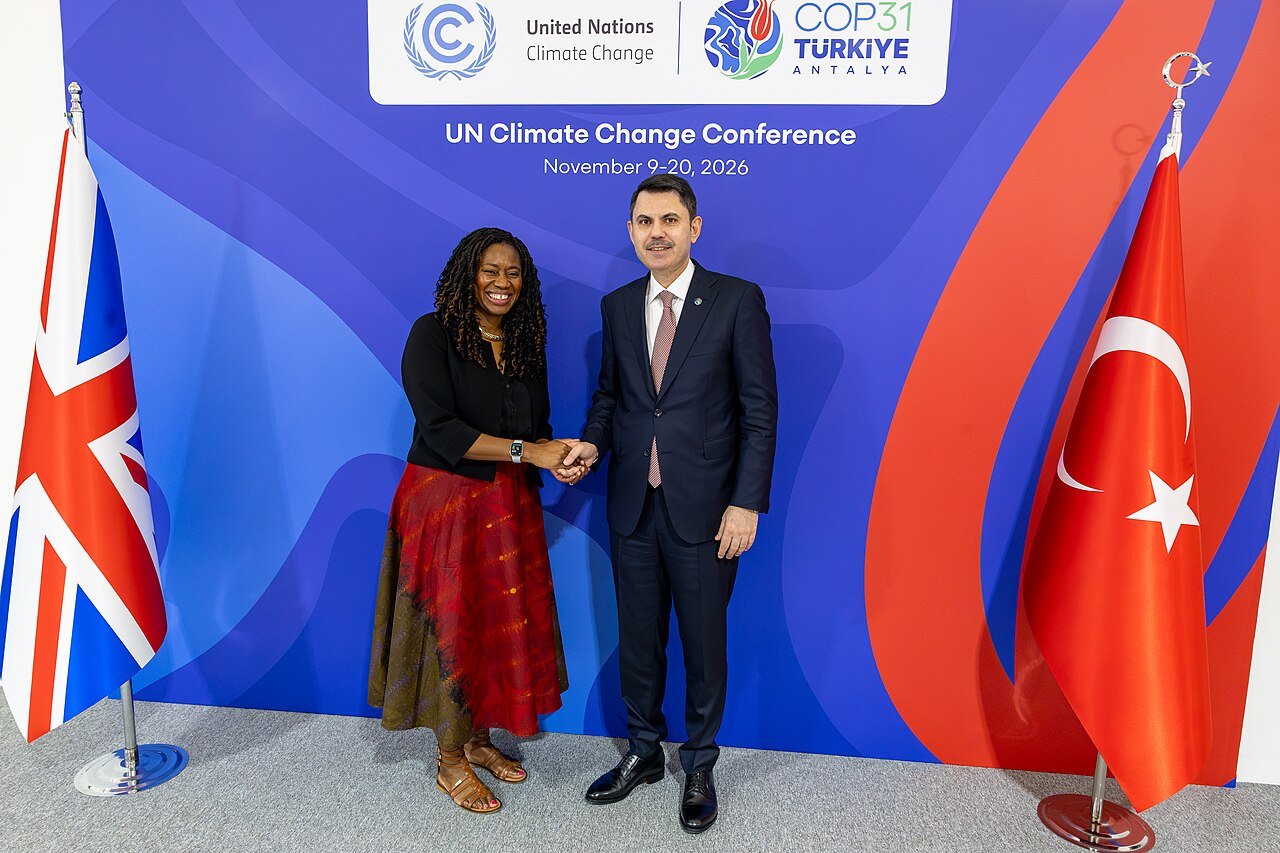
Antalya, Türkiye — The COP31 climate summit collapsed on Sunday, 22 November, without a deal, after talks ran two days past their scheduled close to become the longest UN climate conference on record — and still failed to adopt a cover decision. It is the first COP since Copenhagen in 2009 to close without an agreed overarching text, and it leaves the world’s biggest questions on fossil fuels and climate finance unanswered for another year.
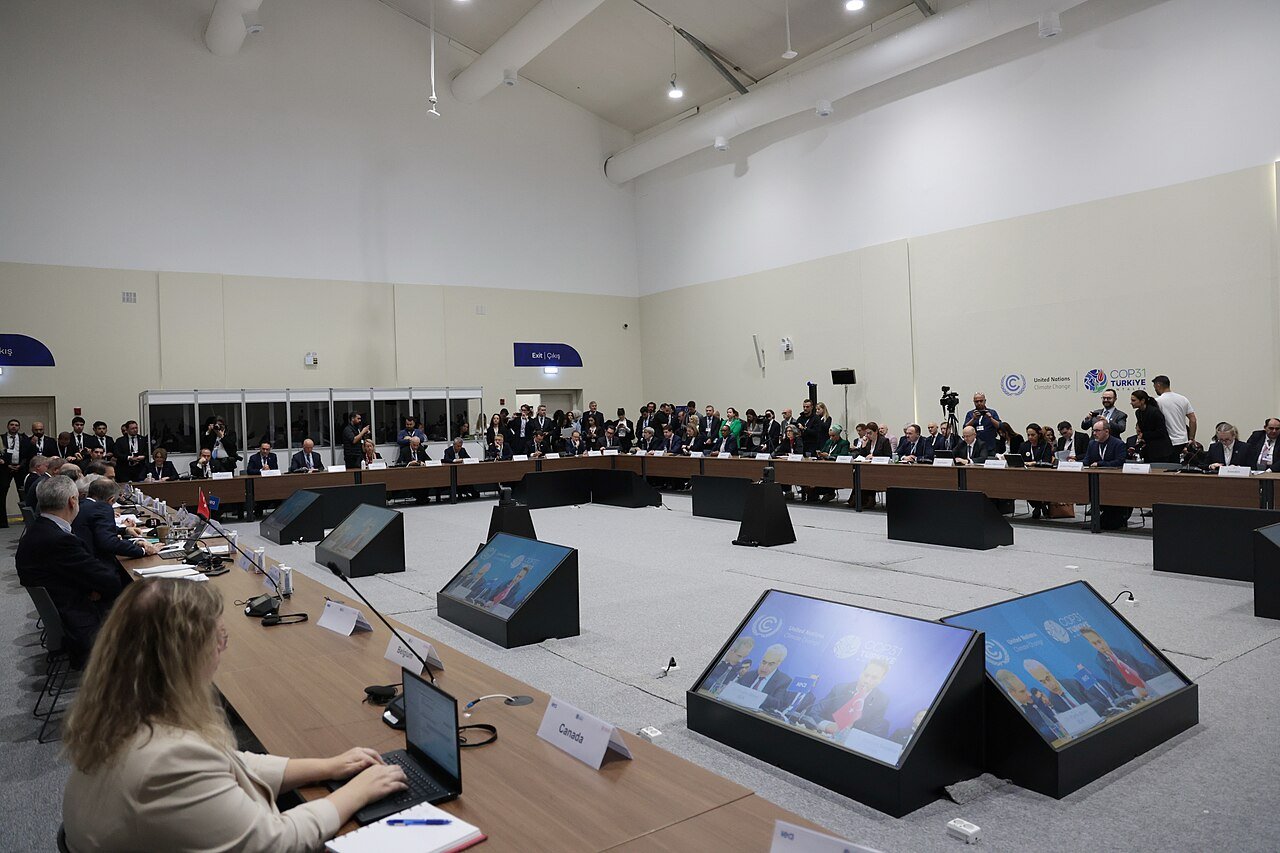
The moment the talks broke down
The end came at the final meeting meant to approve the proposed “Antalya Pact”, the presidency’s draft cover decision. It became clear there would not be the consensus needed among the nearly 200 countries at the talks to adopt it.
COP31 President Murat Kurum conceded the point in the closing plenary. “We have done our utmost,” he said, “but it is clear that there are parties in this hall who oppose this text. We recognize that there is no consensus on this document.”
Chris Bowen, Australia’s climate minister and the president of negotiations at the summit, was equally direct. “Unfortunately we’re unable to reach agreement on a cover decision,” he told journalists outside the hall, according to reporting of the final hours.
The summit had been due to end on Friday, 20 November. Instead it ran into the weekend, with the final session stretching more than 40 hours beyond the scheduled finish in some accounts, before the gavel finally came down on Sunday evening with no deal.
The failure was not a matter of running out of time. It was a matter of countries refusing, after two extra days, to sign a text they believed was worse than no text at all.
Two words the text could not contain
The breaking point was over the very cause of climate change itself: fossil fuels. The first draft of the cover decision, published on 16 November, had called for the immediate transition away from fossil fuels in energy systems. But all mentions of fossil fuels were stripped out of every subsequent draft, despite a push by more than 100 countries to keep them in, CNN reported.
The final draft made no mention of fossil fuels at all, according to Dialogue Earth, and referred only in indirect terms to the 2023 Dubai agreement to transition away from them. It acknowledged that global warming will overshoot the 1.5°C threshold of the Paris Agreement and called for a stronger response — but it would not name what was causing the overshoot.
That was a red line for many. Ireland’s climate minister Darragh O’Brien, helping lead negotiations for the European Union, said the bloc would not endorse a deal “that does not even mention fossil fuels.” The EU, the Marshall Islands and at least 30 other countries rejected the text, Dialogue Earth reported, and the European Union, Britain, Canada and Norway were among those who sank it, according to Third World Network’s account cited by The Ecologist.
China, by contrast, said at the closing plenary that it was willing to accept the draft despite having concerns about its content, in order to push the process forward, Dialogue Earth reported, citing Carbon Brief. Russia, China and the Arab countries were among those who supported the text, according to Le Monde’s reporting of the final session.
The divide was not new. At COP28 in Dubai in 2023, countries agreed to an unprecedented call to “transition away from fossil fuels.” Since then, that commitment has neither been repeated nor built upon in a cover decision, as oil-producing nations have resisted any reference to the driving force of the climate crisis. COP29 in Baku failed to operationalise the Dubai commitment, and COP30 in Brazil could not get the language into a cover decision either. In Antalya, the majority refused to paper over the disagreement again.
The money that disappeared
Fossil fuels were not the only fault line. The second was finance — specifically, money to help developing countries adapt to climate impacts they did little to cause.
An early draft of the cover decision referred to adaptation finance reaching at least $120 billion a year by 2035. That figure disappeared from later drafts, The Ecologist reported, and the final text reaffirmed the goal of tripling adaptation finance but gave no baseline and no specific monetary figure, according to Dialogue Earth.
The gap matters because the need is far larger than what is currently provided. The UN Environment Programme estimates that developing countries will need around $305 billion a year for adaptation by 2035, while international public adaptation finance from developed countries stood at only about $28–32 billion in 2024. Delegates from the world’s poorest countries were angry that there was no mention of concrete measures to increase adaptation finance, Nature reported.
The presidency also sought to advance carbon capture, utilisation and storage, with some petrostates pushing an initial target of 500 million tonnes of CO2 by 2035, Reuters reported. That was hotly debated, with fears that carbon capture would allow continued fossil fuel consumption — especially as so much of today’s captured carbon is used for enhanced oil recovery.
With no agreement on language or money, the longest-running COP ended, in Reuters’ words, “without agreement on either language or money.”
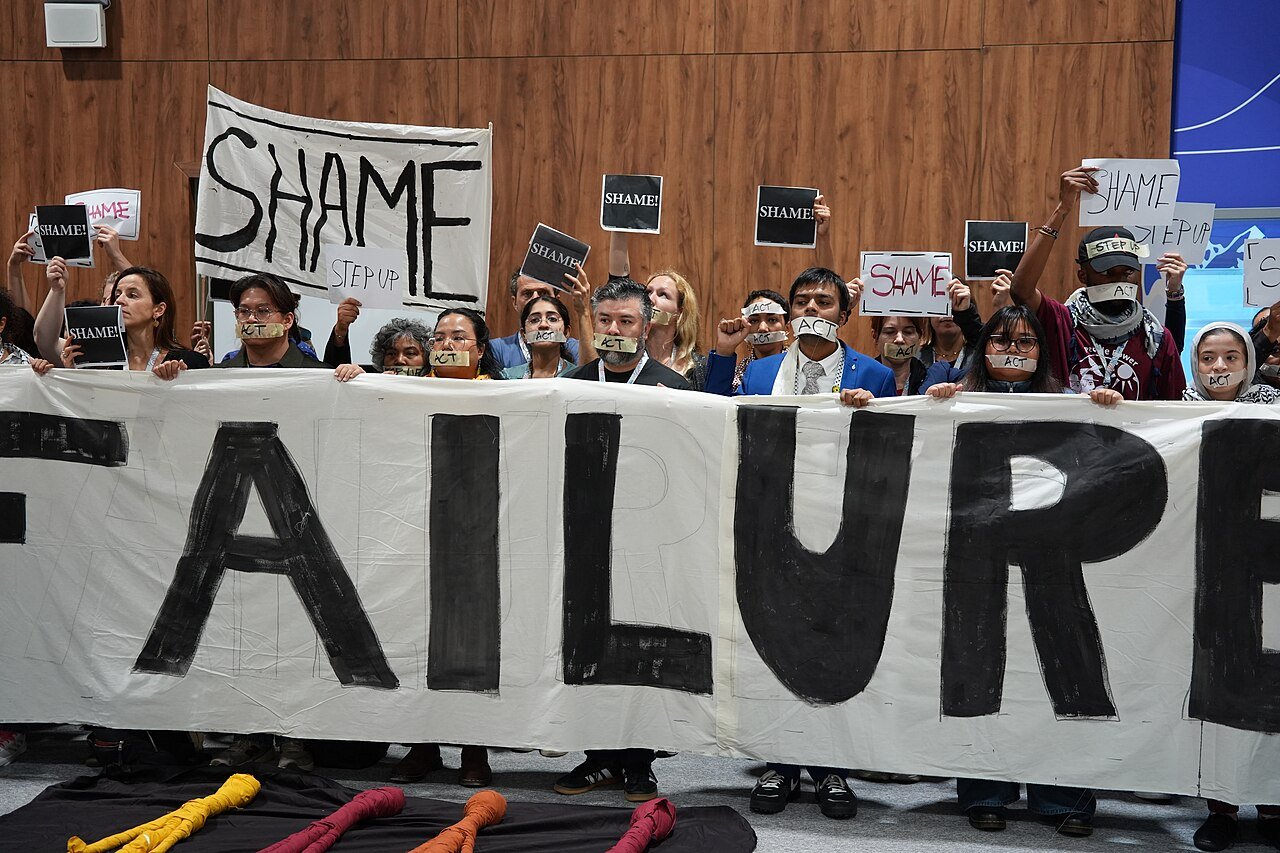
What survived outside the main deal
It would be wrong to say the summit produced nothing. Delegates adopted a number of separate, largely procedural decisions, including a new mechanism for global just transitions and support for nations hit by climate disasters, and work on adaptation indicators and climate finance will continue. The ocean discussions also advanced, with the Antalya Ocean and Seas Compact launched during the summit.
The clearest sign of life was electrification. The presidency’s flagship “35 by 35” pledge — to raise electricity’s share of final energy consumption to 35 per cent by 2035, up from around 23 per cent today — survived as a voluntary pledge rather than a universally adopted COP commitment. More than 80 countries had endorsed it by the close of the negotiations, COP31 President Murat Kurum told the final plenary, according to Dialogue Earth, and Reuters reported that around 90 countries and more than 180 companies backed the electrification call.
Outside the negotiating rooms, countries and companies made common cause. An Electrify Now finance coalition was launched, and a growing group of governments backed roadmaps for moving away from coal, oil and gas, with 27 governments having published or committed to publishing energy transition roadmaps. The island states of Vanuatu and Tuvalu declared their intention to develop a regional Pacific roadmap.
The pattern of COP31 was therefore a split one: formal negotiations cracked, while voluntary cooperation among willing countries showed its strength.
A summit held as the world overshoots 1.5°C
The talks in Antalya took place against a grim backdrop. COP31 was the first to be held after confirmation that global warming will overshoot the 1.5°C limit that the Paris Agreement, signed 11 years ago, set out to prevent. It was also the second consecutive climate conference without an official United States delegation, after Washington’s withdrawal from the UN climate process.
Briefing journalists ahead of the summit, Johan Rockström, director of the Potsdam Institute for Climate Impact Research, warned that the world is still moving in the wrong direction. Emissions, he said, now need to be cut by 6 per cent a year until 2035, and reach zero by 2050 — a rate of decrease last seen only during the COVID-19 lockdowns of 2020, when global emissions fell by around 6.5 per cent in the first half of the year.
When the summit opened in Antalya on 9 November, nearly 200 nations faced that 1.5°C test with expectations that were already modest, as no major decisions appeared on the official agenda. The Turkish-Australian presidency had promised an “implementation COP” that would connect projects with finance and close the gap between promises and their effect on people’s lives. Instead, the summit became a test of whether the consensus-based process itself still works — and it failed that test.
UN climate chief Simon Stiell voiced deep disappointment over the deadlock on the presidency’s flagship proposal and said the UN climate process requires reform, modernisation and improvement.
What happens now: Ethiopia and COP32
The unfinished business of Antalya now passes to Ethiopia, which will host COP32 in Addis Ababa next year. Governments there must return to the same unresolved questions: fossil fuels, finance and the mitigation work programme, which was not extended at COP31.
The road to Addis Ababa will also test whether the “coalitions of the willing” that formed in Antalya — on electrification, on fossil fuel transition roadmaps, on ocean action — can deliver results without a consensus text behind them. Dialogue Earth argued that while UN climate agreements require consensus, cooperation only needs those who are willing, and in Antalya the first cracked while the second showed its strength.
But the warning from the summit’s critics is plain. As The Ecologist put it, the collapse exposes the fragility of the process. And as one delegate told Dialogue Earth during the talks, the ocean — and the climate — does not care about square brackets.
COP31 will be remembered as the summit where the world could not agree to name the problem. Whether COP32 can do better will decide whether Antalya was a turning point — or simply the year the talks stopped pretending.
By The BNN Media
The Best News Network
News Beyond the Borders