By
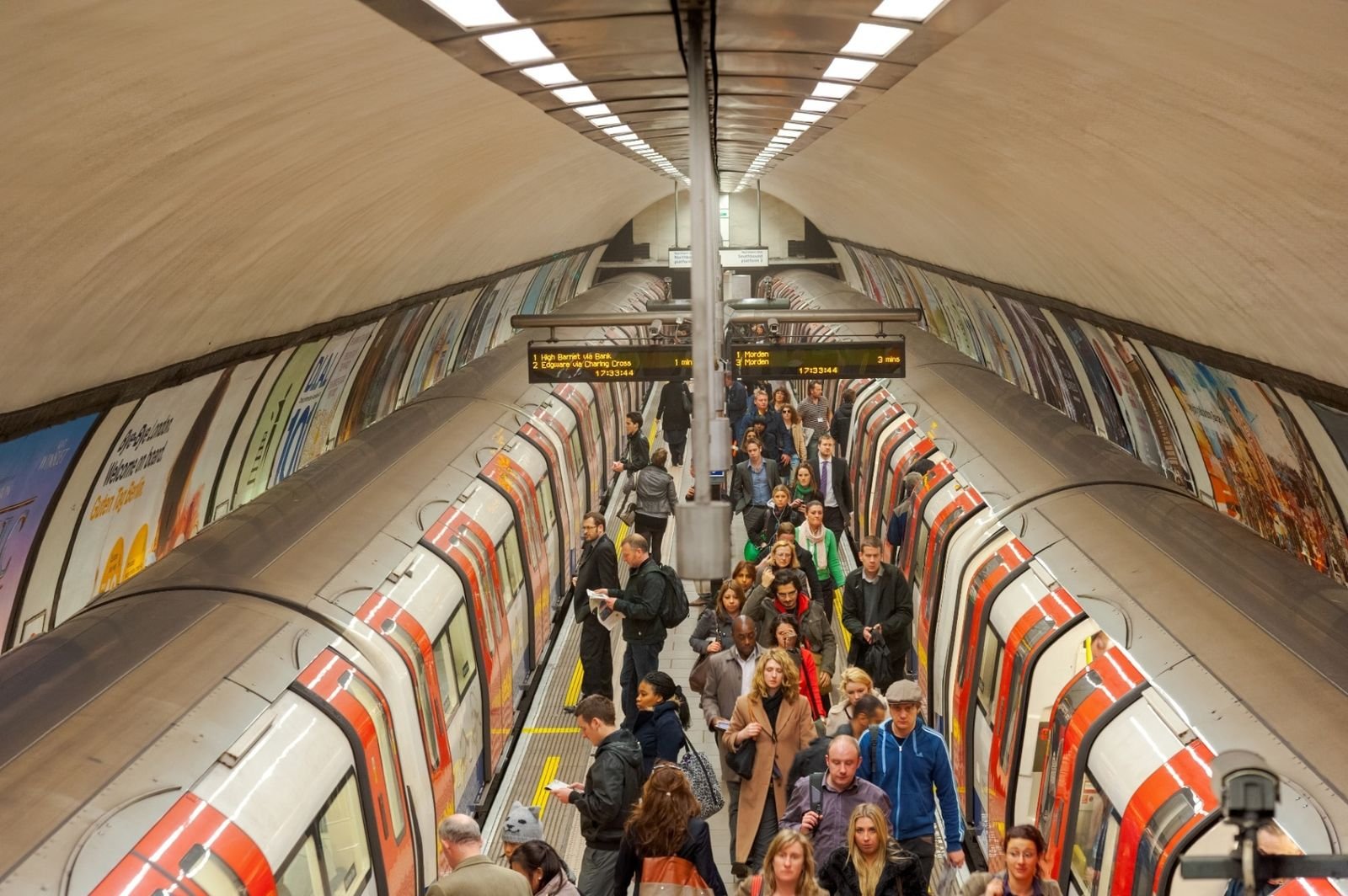
London’s first 24-hour Tube strike of the winter has spilled into the Friday morning rush hour, leaving commuters facing late trains, suspended lines and crowded alternatives across the capital.
By The BNN Media
The Best News Network
News Beyond the Borders
London, United Kingdom — The 24-hour walkout by London Underground drivers began at midday on Thursday, 26 November, and runs until 11:59am on Friday, 27 November, in the first of eight planned strikes by the Rail, Maritime and Transport union (RMT). No Tube trains ran anywhere on the network from 9pm on Thursday, and services restarted late on Friday morning, from about 7am, with disruption expected until about 6pm.
A Friday morning of late starts and suspended lines
Transport for London (TfL) said every Tube line would be disrupted on Friday morning, with a late start from around 7am and disruption on all lines until 11:59am, when the walkout formally ends. Services were expected to run on all lines after midday, but a normal service was not expected until about 6pm as trains and drivers returned to position.
Three lines were hit hardest on Friday morning. The Circle, Piccadilly and Waterloo & City lines had no service until noon, according to TfL guidance reported on Friday. Other lines ran a reduced service, with severe delays reported on much of the network during the morning peak, including the Bakerloo, Central, District, Hammersmith & City, Metropolitan, Northern and Victoria lines. The Jubilee line fared better, with only minor delays reported.
The message for passengers was simple: check before you travel and allow extra time. Even after the strike ends at midday, the recovery takes hours, and the evening journey home was expected to remain disrupted.
What is still running
Not everything stopped. The Elizabeth line, Docklands Light Railway, London Overground, buses and trams ran normally, although TfL warned they would be busier than usual as passengers looked for another way across the city.
National Rail services into London were not part of the strike, so trains from operators such as Greater Anglia and c2c continued to run into Liverpool Street and Fenchurch Street. The difficulty for many passengers came at the other end of the journey, when they needed to change onto the Tube.
For travellers heading to Heathrow, the Elizabeth line offered a direct alternative to the suspended Piccadilly line, running from stations including Shenfield, Brentwood and Romford. London Overground’s six lines — Lioness, Weaver, Liberty, Mildmay, Windrush and Suffragette — also ran as usual.
The alternatives kept London moving, but they could not absorb the full Tube rush hour.
Why drivers are striking
The dispute is over plans to change Tube drivers’ working arrangements around a four-day week. London Underground has proposed giving drivers the option of working four days a week while keeping their contracted hours unchanged, compressing the same hours into longer shifts. A five-day option has also been added, with drivers guaranteed to remain at their existing depot.
TfL says the change is voluntary and would give drivers a meaningful choice over their working pattern. Its customer operations director, Nick Dent, has said the proposal would offer employees that choice, and the other drivers’ union, Aslef, has agreed to the proposals — its members did not take part in the strike.
The RMT takes a different view. The union says the arrangement would not be a genuine choice, because drivers would have to give up existing protections whether they chose four days or five, and those who refused could be moved away from their depots. It also warns of longer shifts, earlier starts and later finishes, short-notice shift changes, and risks to transfer rights and annual leave.
- RMT general secretary Eddie Dempsey said the union was not opposed to a genuine four-day week, but would not accept it being used as a vehicle for job cuts, intensified working and the erosion of terms and conditions.
- The union says it paused strikes three times to allow talks, but did not achieve improvements it could accept.
- Last-ditch talks at the conciliation service Acas ended without a deal before the walkout began.
At its heart, the row is not about whether a shorter working week is a good idea — both sides say they support one in principle — but about what drivers would have to give up to get it.
Less disruption than feared — but still costly
Thursday’s disruption turned out to be less severe than many had expected, because a large number of drivers turned up for work rather than joining the walkout. TfL said data showed all lines had exceeded their planned frequency, and card taps at Tube stations showed the network running at about 10 per cent less than normal by Thursday afternoon. It was even able to run a small service on the Piccadilly line, which has the highest proportion of RMT members.
The turnout varied by line. According to figures reported by The Times, some 86 per cent of Metropolitan line drivers turned up, 85 per cent on the District line, 75 per cent on the Bakerloo line and 100 per cent on the Jubilee line — all much higher than during previous walkouts. TfL said the numbers showed there is a difference in views among drivers and urged the RMT to put the proposal to its members.
Even so, the cost of the disruption is significant. Cebr, an economic consultancy, said the cost to London could reach £132 million, reflecting lost working days among TfL staff and commuters. The strike also affected two trading days, because although the walkout itself lasts 24 hours, it began at midday on Thursday and its effects ran through Friday evening.
A strike that falls short of a full shutdown can still bring a city to a crawl.
Seven more walkouts planned
Unless TfL and the RMT reach a deal, this is only the beginning. Seven more 24-hour strikes are planned, stretching into February 2027, with two more before Christmas. Reuters reported that the action would see three lines, including the route connecting the city to Heathrow Airport, suspended during the first walkout, and that further action was planned in mid-December, January and February.
The remaining dates are:
- Thursday, 17 December 2026
- Saturday, 19 December 2026
- Monday, 4 January 2027
- Wednesday, 6 January 2027
- Wednesday, 17 February 2027
- Tuesday, 23 February 2027
- Thursday, 25 February 2027
Each walkout is scheduled to run from midday on the first day until 11:59am the following day, with disruption spilling into the evening of the second day. The December dates fall in the run-up to Christmas, when the capital’s shops and streets are at their busiest, raising the stakes for any further failure to reach agreement.
What commuters should do next
For Friday, the practical advice from TfL remained unchanged: check the latest service status before setting out, allow considerably more time than usual, and consider the Elizabeth line, Overground, DLR or buses where they serve the journey. Passengers travelling to Heathrow were advised to use the Elizabeth line or Heathrow Express rather than the Piccadilly line.
Beyond Friday, passengers should note the December dates now and plan around them, since the union has said it remains available for talks but has shown no sign of calling off the remaining action. The RMT has also written to TfL saying it is ready to keep talking, and a survey cited by the union said two in three drivers, station staff and other frontline staff believed the Mayor of London should step in to help resolve the dispute.
Until the two sides agree, Londoners should expect the same warning to return — check before you travel — at least seven more times this winter.
The wider picture
This dispute comes after a summer of talks between the RMT and TfL failed to resolve the stand-off, and after the union paused planned action three times in the hope of progress. The two unions that represent Tube drivers are now on opposite sides of the argument: Aslef, which primarily represents drivers, backs the TfL offer, while the RMT, which represents drivers as well as operational, engineering, maintenance and station workers, says the offer would worsen conditions.
That split matters, because it explains why Thursday’s strike did not shut the network down entirely. With Aslef members working and many RMT members also turning up, TfL was able to keep most lines running, albeit with delays and part-suspensions. It also explains why the dispute has become so bitter: each side claims to speak for drivers, and each accuses the other of misreading what drivers want.
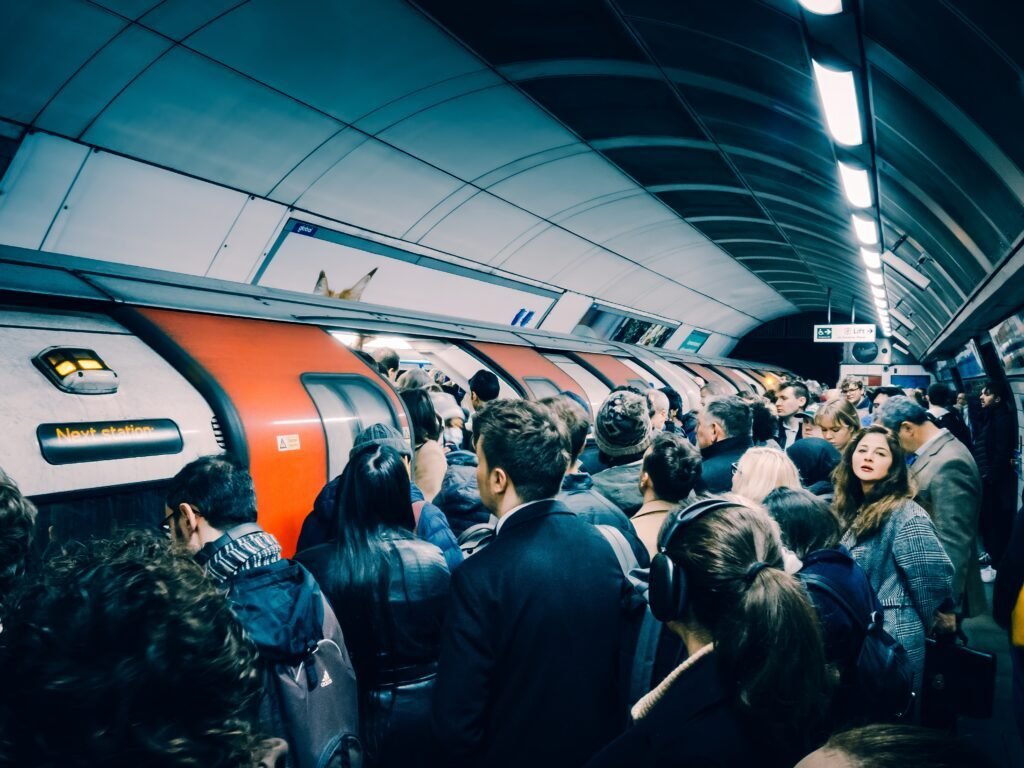
For commuters, the politics matter less than the practical effect. A reduced service on every line, three lines closed until noon, and a network that does not fully recover until the evening add up to longer journeys, fuller trains and buses, and missed connections — even on a day when the strike itself ends before lunch.
The walkout may last 24 hours, but its shadow over the working week is considerably longer.
By The BNN Media
The Best News Network
News Beyond the Borders