 By
A Myanmar military airstrike on a school and monastery compound in a rebel-controlled village has killed at least 30 people, including an infant and several schoolchildren, according to a local witness and the opposition National Unity Government — the latest deadly attack on a civilian site in a war now in its sixth year.
By The BNN Media
The Best News Network
News Beyond the Borders
Magway Region, Myanmar — A Myanmar military airstrike on a school in a rebel-controlled village in central Magway Region has killed at least 30 people, including an infant and several schoolchildren, a local witness and a spokesperson for the opposition National Unity Government said on Saturday, 28 November.
What Happened in Sinbaungwe
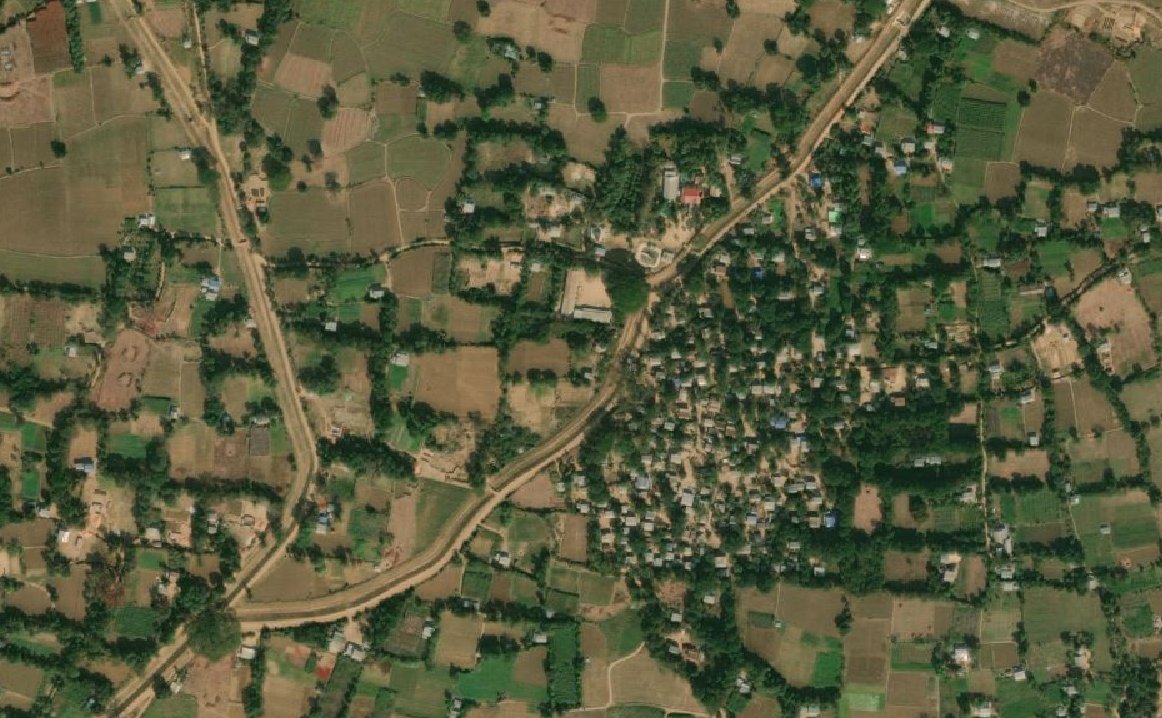
The strike hit a school and monastery compound in Sinbaungwe Township at around 3 p.m. local time on Thursday (26 November), during a religious ceremony, according to a joint statement by the National Unity Government (NUG) and the interim Magway Federal Unit Government, a rebel local authority aligned with opposition forces.
The statement said the attack involved four 500-pound aerial bombs, 12 artillery shells and seven suicide drones. The compound — a school standing beside a monastery — was crowded at the time because of the ceremony.
The NUG and the local interim authorities condemned what they described as an unprovoked attack, calling it a war crime and a breach of the Geneva Convention. Their statement said they are collecting evidence for future international legal proceedings.
A school and a monastery, in the middle of a religious ceremony, were the target of bombs, shells and drones.
The Dead: Civilians, Children and Fighters
The casualty figures come from the opposition and a local witness, and they have not been independently confirmed. Reuters reported that it could not independently verify the casualty figures or accounts of the strike.
NUG spokesperson Nay Phone Latt and a local witness confirmed that more than 20 civilians, including women and children, were killed in the airstrike and artillery attacks, alongside nine rebel fighters. The overall toll given by the opposition is at least 30 dead, including an infant and several schoolchildren.
The local witness said there were no active clashes in the area at the time of the bombing, and added that rebel fighters only occasionally passed through the village.
Every figure in this report is an opposition or witness claim — none of it has been independently verified.
Two Very Different Accounts
Pro-military channels on Telegram claimed the airstrike targeted a graduation ceremony and gathering for rebel forces — a very different account from the opposition’s description of a religious ceremony at a school and monastery.
The military had not issued an official statement by Saturday afternoon, and the Myanmar government did not immediately respond to a request for comment from Reuters.
That silence leaves the two accounts standing against each other: the opposition and a local witness describing an attack on civilians at a ceremony, and pro-military channels describing a strike on a rebel gathering. Neither version has been independently verified.
Until the military speaks or independent reporting reaches the village, the dead can only be counted on the word of those who were there.
A Week After the World Court’s Genocide Ruling
The airstrike came a week after the World Court ruling that Myanmar had committed genocide against the Rohingya minority in 2017 — a landmark judgment delivered on 19 November in the case brought by The Gambia, in which the International Court of Justice found, in a historic first, that a state was responsible for genocide.
The NUG’s statement urged the United Nations, ASEAN and neighbouring countries to halt the flow of aviation fuel, munitions and drone technology to Myanmar’s military.
The timing sharpens the questions around the strike: it happened days after the world’s highest court had found the Myanmar state responsible for genocide, and the opposition is now framing the attack as further evidence for international legal proceedings.
The court’s ruling was about crimes committed in 2017 — but the opposition says the pattern it condemned has not stopped.
The Wider Pattern of Airstrikes
According to records kept by the NUG, the military has launched 15,327 airstrikes in 6,653 separate incidents between 1 February 2021 and late October 2026, resulting in 6,467 civilian deaths and damaging 562 schools and 848 religious buildings.
Schools and places of worship have been hit repeatedly in the conflict, and the Sinbaungwe strike fits a pattern that opposition groups and human rights monitors have documented for years: aerial attacks on villages in areas the military does not control, with civilians among the dead.
Myanmar’s civil war began after the military seized power in 2021. It has killed around 100,000 people and displaced more than 3.5 million, according to Reuters.
When more than 500 schools have been damaged in a war, an attack on one more school is not an exception — it is the pattern.
What Happens Next
The NUG and the interim Magway authorities say they are collecting evidence from Sinbaungwe for future international legal proceedings, and they have called on the United Nations, ASEAN and neighbouring countries to cut off the aviation fuel, munitions and drone technology that make such strikes possible.
Whether that appeal is answered is another matter. Previous calls for action on Myanmar have produced resolutions and condemnation, but the airstrikes have continued — and the military has shown no sign of halting its air campaign against rebel-held areas.
For the families in Sinbaungwe Township, the questions are more immediate: who among the dead can be named, who is still missing, and whether the village is safe enough to return to. None of those answers is available yet.
The evidence is being gathered for a courtroom that may take years to convene — while the war that produced it goes on.
By The BNN Media
The Best News Network
News Beyond the Borders
Sources for this article: Reuters (28 Nov 2026); Channel News Asia (via Threads).