By
India’s Union Cabinet has cleared a package of bills that would redraw the country’s political map — expanding the Lok Sabha to 850 seats, raising state assemblies to 650, and finally bringing in the long-promised one-third reservation for women — but none of it is law yet, and the government still has to win a two-thirds majority in Parliament to make it happen.
By Tariq Jamal
Freelance Journalist | The BNN Media – The Best News Network
News Beyond the Borders
New Delhi, India — The Union Cabinet, chaired by Prime Minister Narendra Modi, on Friday, 27 November cleared a fresh legislative package that would raise the maximum strength of the Lok Sabha from 550 to 850 seats and reserve one-third of seats for women in Parliament and state assemblies, with the new constituency map ready before the 2029 general election.
What the Cabinet Cleared
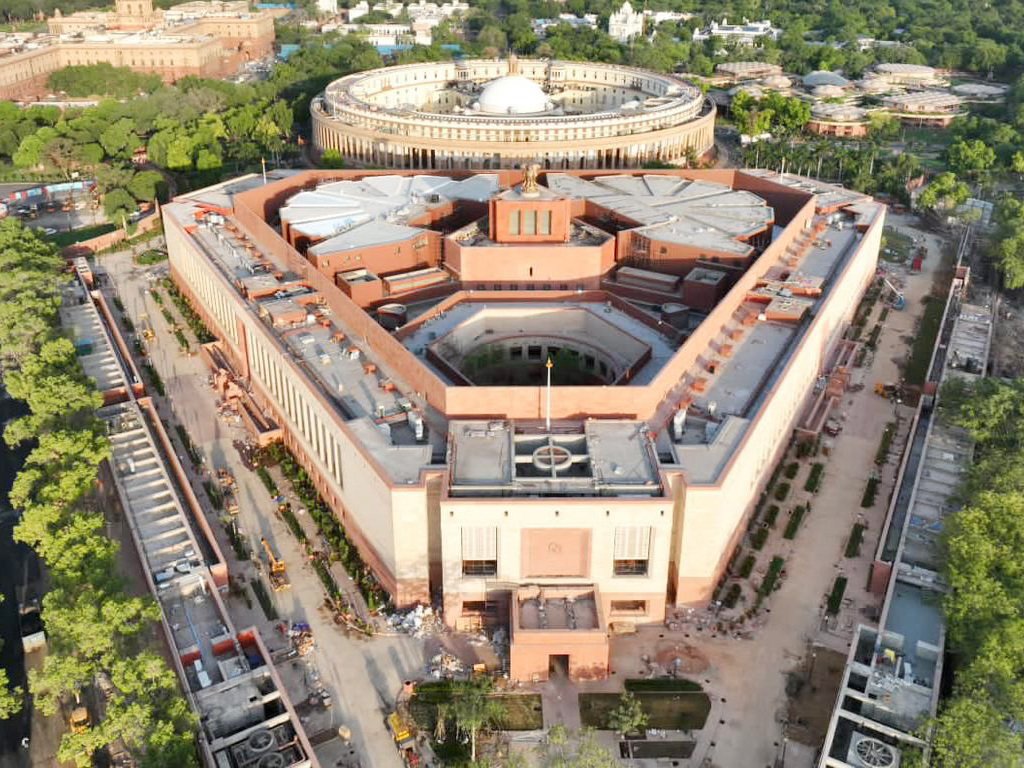
The package comprises two Constitution Amendment Bills and one Union Territories Amendment Bill, along with the Delimitation (Second) Bill, 2026. Together they propose a uniform 50 per cent increase in Lok Sabha seats for every state and Union Territory, and a matching rise in the maximum size of state legislative assemblies from 500 to 650 seats.
The Lok Sabha’s expanded strength would comprise up to 815 members from the states and 35 from the Union Territories. The House’s present elected strength is 543; 550 is the current constitutional maximum, so the change would be the largest expansion of India’s lower house since independence.
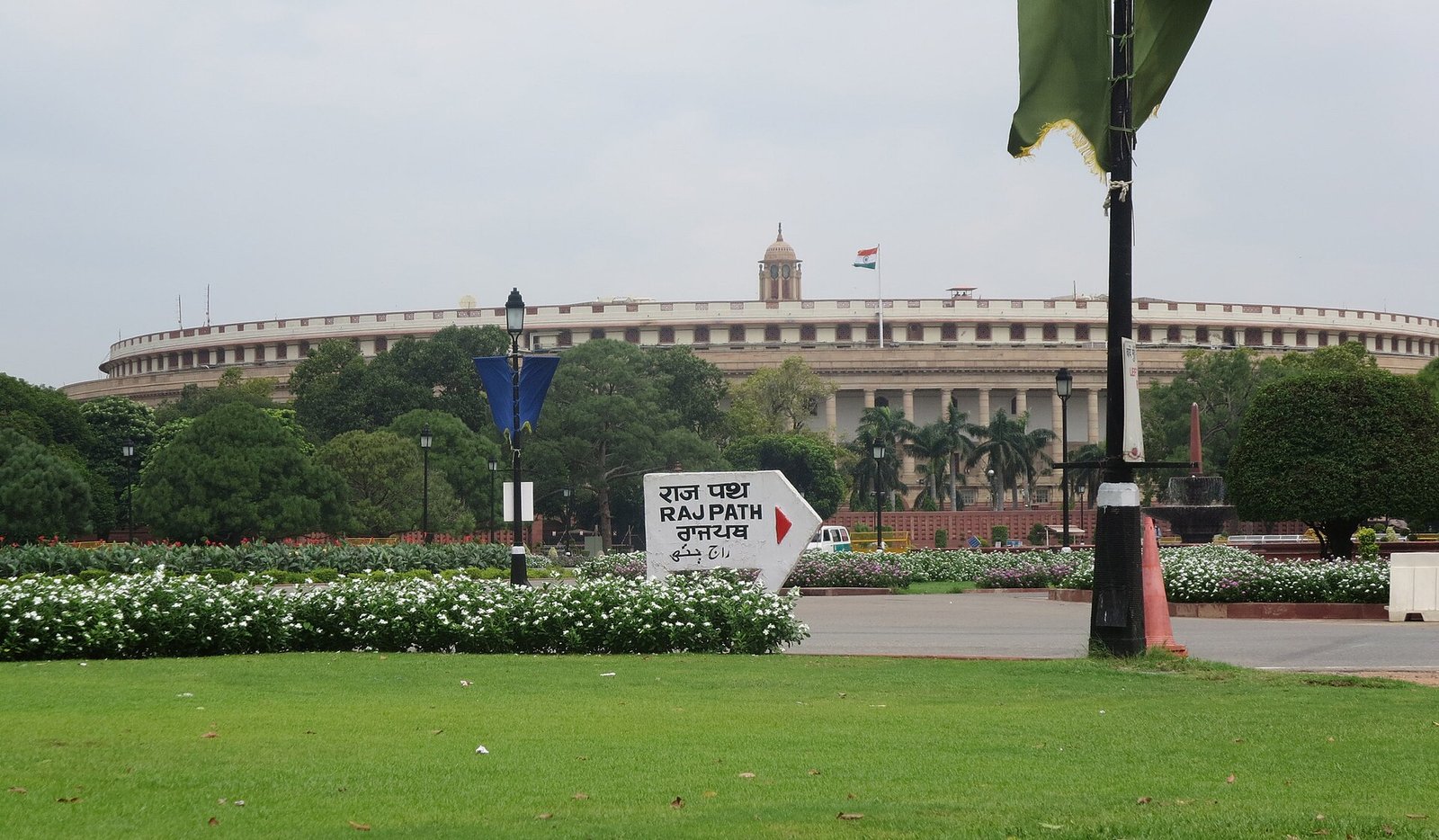
The government plans to introduce the bills during a four-day special sitting of Parliament beginning on Monday — the Lok Sabha on 30 November and 1 December, and the Rajya Sabha on 2 and 3 December.
The Cabinet’s approval is only the first step — the bills must still be passed by Parliament and, as constitutional amendments, ratified by at least half of the states.
A Second Attempt After April’s Failure
This is not the government’s first try. An earlier version of the Delimitation Bill was introduced in the Lok Sabha in April 2026 and fell short of the required two-thirds majority, leaving it pending in the House.
The government has now withdrawn that original bill and replaced it with the revised version, which adds the 50 per cent seat increase that the first draft lacked. According to a statement signed by Minister of State for Law and Justice Arjun Ram Meghwal on 27 November, the original bill had to be replaced because the new version “substantially alters its provisions”.
The revised framework is designed to answer the loudest objection to delimitation: that states which controlled their population growth — above all in the south — would lose seats, and therefore influence, to faster-growing northern states.
The 50 Per Cent Compromise
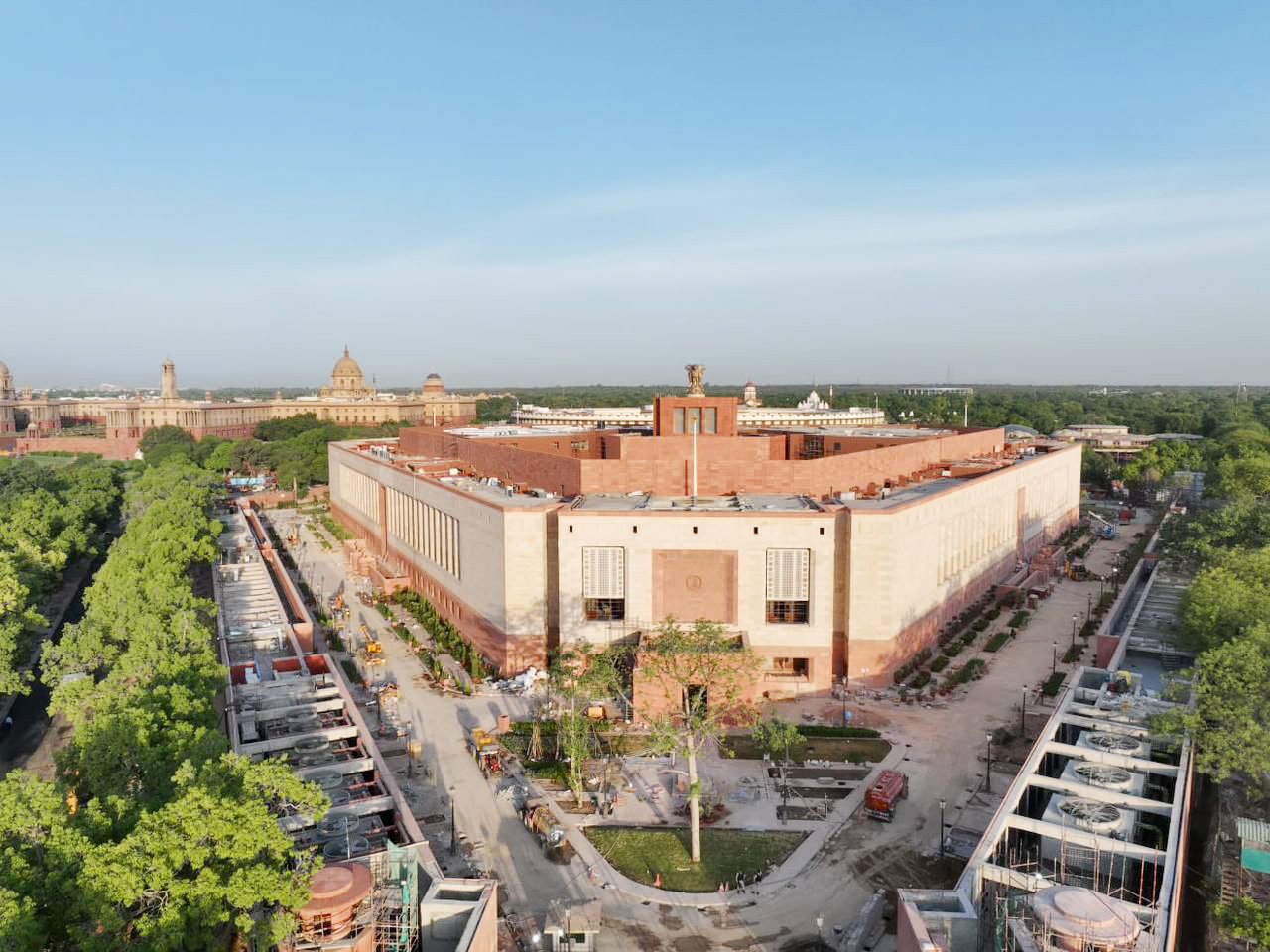
Under the proposed framework, every state and Union Territory gets the same 50 per cent increase in its Lok Sabha seats — so no state loses seats in absolute terms, and each state’s relative share of representation stays broadly unchanged.
That balance is then locked in: the 1971 Census will continue to determine how seats are shared out between states, and the allocation will be frozen until 2051. The actual redrawing of constituency boundaries, however, will use the 2011 Census — the latest published census figures — rather than waiting for the 2026 Census.
- Lok Sabha: maximum strength rises from 550 to 850 (815 from states, 35 from Union Territories).
- State assemblies: maximum strength rises from 500 to 650.
- Women’s reservation: one-third of seats in the Lok Sabha and state assemblies, including seats reserved for Scheduled Castes and Scheduled Tribes.
- Duration: the quota would remain in force for 15 years, covering three electoral terms, with reserved constituencies rotated periodically.
- Freeze: state-wise seat shares, based on the 1971 Census, sealed until 2051.
The formula is a political bargain: bigger House, same balance between states — so that no region feels it is paying for the expansion.
Women’s Reservation, Three Years On
The women’s quota is the heart of the package. Parliament passed the Nari Shakti Vandan Adhiniyam in 2023, providing for 33 per cent reservation for women — but its implementation was tied to a delimitation exercise following a census, and it has never taken effect.
The new package delinks the quota from the 2026 Census and ties it to delimitation using the 2011 Census instead, so that the reservation can be in force for the 2029 Lok Sabha election. A new Delimitation Commission would be set up after parliamentary approval to redraw the constituencies, and the government says it intends to complete the whole process within two years.
The reservation would apply to seats in the Lok Sabha and state legislative assemblies, including seats reserved for women from Scheduled Castes and Scheduled Tribes, and would run for 15 years, with the reserved constituencies rotated from election to election.
The Numbers Game in Parliament
A constitutional amendment needs a two-thirds majority of members present and voting in each House, plus ratification by at least half of the states — a high bar the government failed to clear in April.
This time, government sources told ANI they are confident of securing the two-thirds majority. Voting in the Lok Sabha is expected to be lengthy, with sources indicating it could take five to six hours on 1 December. The Business Advisory Committee will meet on Monday morning to consult political parties on the legislative business.
The opposition INDIA bloc is against the legislation and will meet on Saturday to discuss its strategy. Parliamentary Affairs Minister Kiren Rijiju said the special session had been called because there was “very important bills or business for the nation” to transact.
What Happens Next
If the bills pass, the Delimitation Commission will begin redrawing constituency boundaries on the 2011 Census, state by state, with every state gaining seats in the same proportion. The government says the new map will be ready before the 2029 general election — the first fought on redrawn boundaries in more than half a century.
If they fail, as the April version did, women’s reservation stays on paper and delimitation stays frozen — and the biggest electoral reorganisation in India’s history waits for another Parliament.
For now, the Cabinet has made its bet: a bigger Parliament, a guaranteed place for women in it, and a frozen balance between the states. Whether that bet pays off will be decided on the floor of the House next week.
By Tariq Jamal
Freelance Journalist | The BNN Media – The Best News Network
News Beyond the Borders
Sources: ANI via Daily Prabhat (28 Nov 2026); The Hindu BusinessLine (27 Nov 2026); The Daily Jagran (28 Nov 2026); Rural Voice (27 Nov 2026); Indian Witness (27 Nov 2026).