 By
Myanmar’s leader has said his government will not carry out all of the measures ordered by the World Court after it found the country’s forces committed genocide against the Rohingya, in the first public defiance of the landmark judgment.
By Tariq Jamal
Freelance Journalist | The BNN Media – The Best News Network
News Beyond the Borders
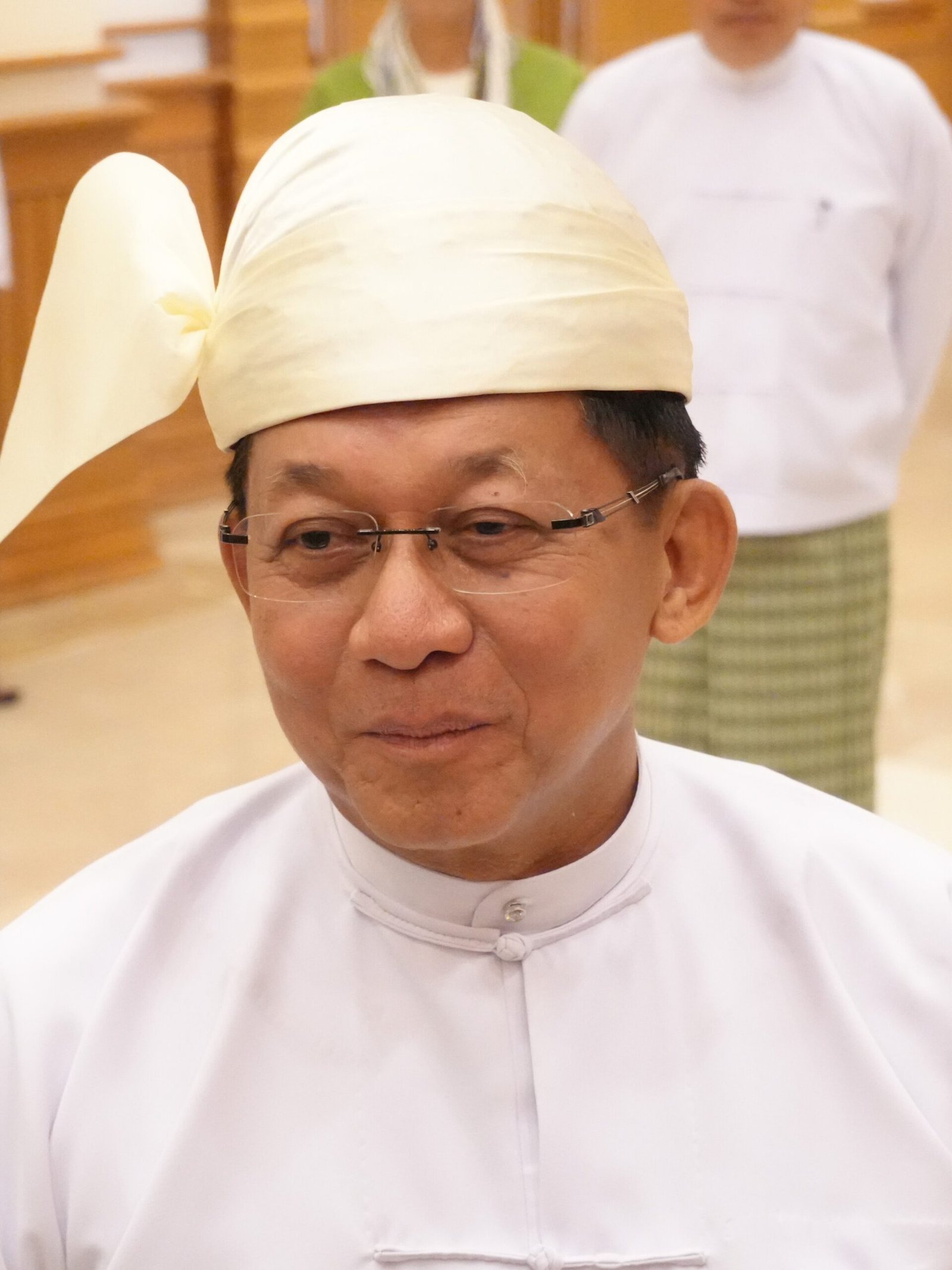
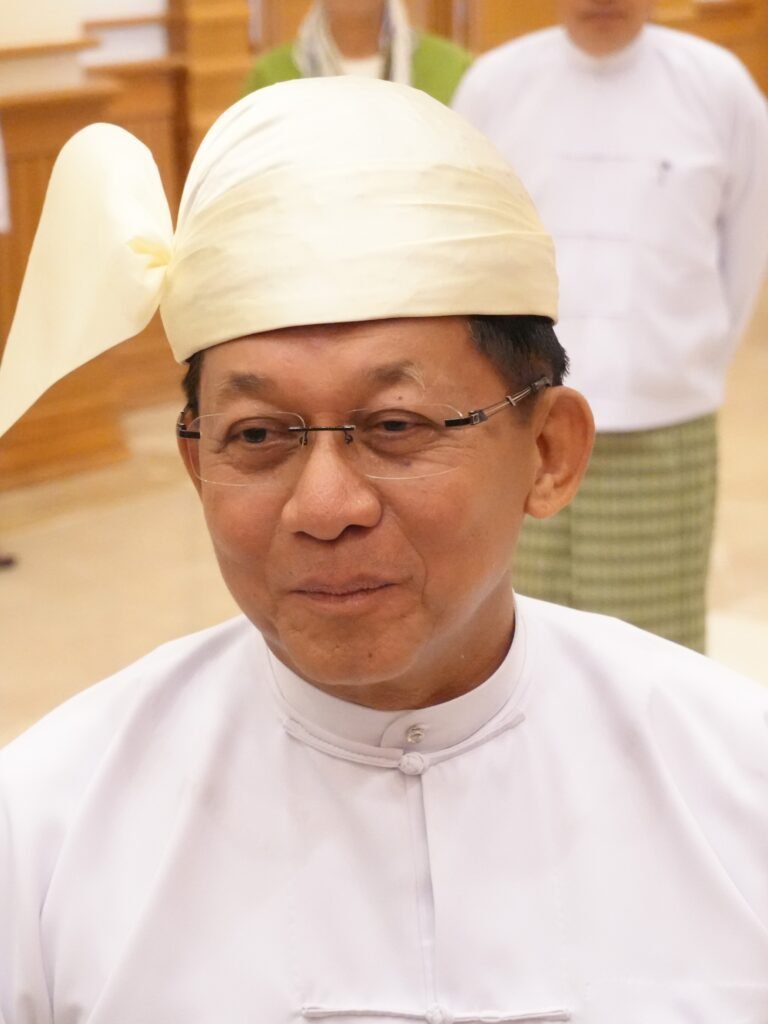
Naypyidaw, Myanmar — Myanmar’s military-backed president, Min Aung Hlaing, has said his administration will not comply with all measures ordered by the International Court of Justice (ICJ), which last week ruled that the country’s security forces committed genocide against the Rohingya minority in 2017. The statement, reported on Thursday, was his first public comment since the court delivered its historic judgment.
A Leader Breaks His Silence
Min Aung Hlaing rejected the court’s verdict and said the word “genocide” had damaged Myanmar’s reputation, according to state media reports of a meeting he held on Wednesday. His words were reported by Reuters on Thursday, 26 November.
“Myanmar would take actions appropriate for a responsible country but would not comply with requirements it considered inappropriate,” he said, according to the state media account.
He did not say which of the court’s orders his administration considered inappropriate, and he gave no detail about which measures, if any, Myanmar intends to carry out.
The refusal to spell out what will and will not be done leaves the court’s orders in limbo, a week after the judgment was delivered.
What the Court Ordered
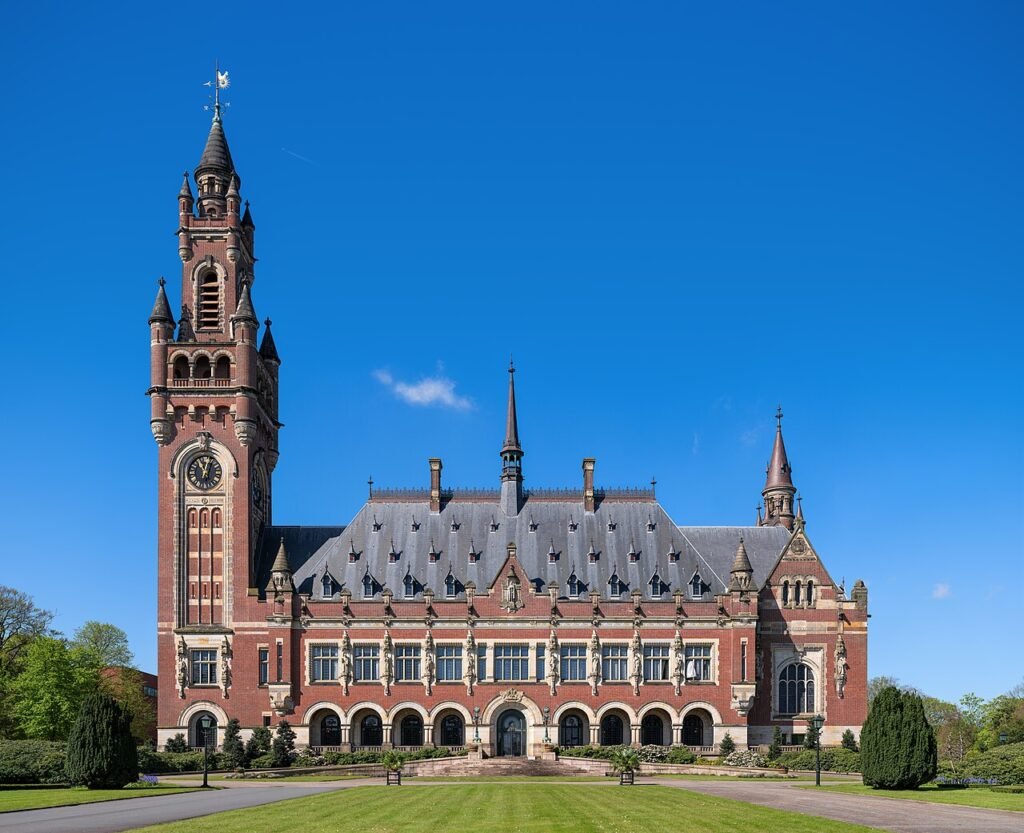
The International Court of Justice, the United Nations’ top court, found on 19 November that Myanmar’s military operations against the mainly Muslim Rohingya minority in 2017 — including thousands of killings, the burning of hundreds of villages and widespread sexual violence — amounted to genocide. It was the first time the court has ever found a state responsible for genocide.
The court ruled that Myanmar committed genocide by a vote of nine judges to six, in a 191-page judgment read by the court’s president, Judge Yuji Iwasawa. The court found that about 10,000 Rohingya were killed in the campaign.
Alongside the finding, the court ordered a series of measures, including:
- an end to ongoing breaches of the Genocide Convention, and prompt investigation, prosecution and punishment of those reasonably suspected of involvement in the 2017 operations;
- guarantees that such violations will not be repeated;
- steps to allow the safe, voluntary and dignified return of displaced Rohingya, and the restoration or replacement of lost property;
- help in locating missing people, rehabilitation for survivors, and protection for Rohingya against discrimination and persecution;
- compensation for harm that cannot be remedied through restitution, with the amount to be decided in a later phase;
- a report back to the court within two years on the measures taken, including proposed compensation.
The judgment is final and binding, with no appeal — but the court has very limited means of enforcing it.
Naypyidaw’s First Response
Myanmar’s government dismissed the ruling within hours of its delivery. On Friday 20 November, Khine Khine Soe, spokesperson for President Min Aung Hlaing, called the judgment “unfair” and pointed to the divided vote.
“Not all 15 judges agreed with the decision,” she told reporters in the capital, Naypyidaw. “So it was not a decision made unanimously. I would say that it was unfair.”
Later that night, the Foreign Ministry issued a longer statement, saying the finding “comes as a great disappointment to Myanmar” and arguing that the evidence had failed to meet “the standard of proof that must be met in order to establish that genocide has been committed”.
The ministry said the case, brought by The Gambia, and the reports relied on in the hearings had misrepresented the military’s actions, which it described as “counter-terrorism actions” in northern Rakhine State during 2016–2018.
“The counter-terrorism actions conducted in northern Rakhine State during 2016–2018 were not carried out with genocidal intent but instead were limited in scope and duration, lasting only a matter of days, and were undertaken in direct response to widespread terrorist attacks,” the statement said.
On the question of return, the ministry said Myanmar would continue humanitarian assistance and rehabilitation for displaced people in northern Rakhine, and the verification and repatriation of those in Bangladesh, “as and when situations permit”. The statement made no commitment to any of the remedies the court ordered.
From the first day, the government rejected the finding itself — this week, its leader went further and rejected parts of the remedy.
A Million People Still Waiting
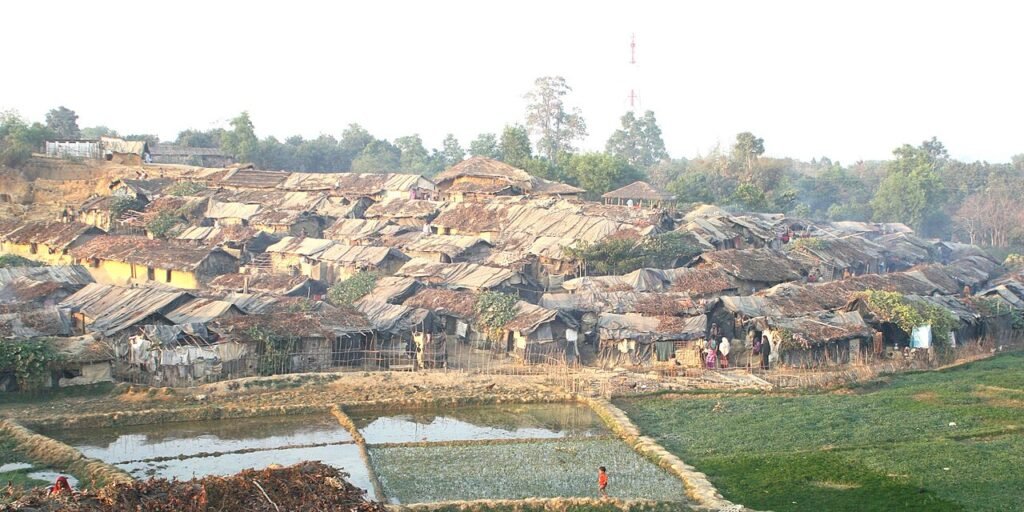
The 2017 military crackdown drove more than 730,000 Rohingya from Rakhine State into neighbouring Bangladesh. The refugee population in the sprawling camps there has since grown to about 1.2 million people, according to Reuters, while more than 100,000 people remain internally displaced inside Rakhine State.
For them, the judgment raised hopes of return, compensation and accountability — hopes that now depend on a government that has said it will pick and choose which orders to follow.
Rohingya activists welcomed the ruling as a first step. Nay San Lwin, an activist with the Arakan Rohingya National Council who now lives outside Myanmar, called it the “first victory on our path to our final one: returning to our homeland and living there in peace and dignity”.
The Arakan Rohingya Salvation Army, the militant group whose 2017 attacks on government outposts triggered the military crackdown, called the ruling “an important step towards justice” and urged the United Nations and the international community to ensure Myanmar complies with the judgment.
Australia, meanwhile, called on Myanmar to comply fully with the ruling. A statement from the office of Foreign Minister Penny Wong on 20 November urged safe humanitarian access, inclusive dialogue and an end to violence, and said Canberra would examine the findings with international partners.
Nine years after the crackdown, the people at the centre of the case are still waiting — in camps, not at home.
A Divided Country, A Divided Response
Inside Myanmar, the response to the judgment has been split along the lines of the country’s civil conflict. Myanmar’s shadow National Unity Government, the main organisation coordinating opposition to military rule since the 2021 army takeover, welcomed the ruling, saying it respected the authority of the court and its judgment.
The military-backed government, by contrast, has maintained throughout that its security forces acted against insurgents, not against a civilian population, and it has never accepted that the 2017 operations amounted to genocide.
That divide now frames the question of enforcement. The court can order, but it cannot compel. Its judgment carries moral and legal weight, and it can shape how other states, the United Nations and international bodies treat Myanmar — but it has no police force and no power to seize assets or send in investigators against a government’s will.
What happens next is therefore likely to play out in diplomacy rather than in a courtroom: in pressure from states that backed the case, in the court’s two-year reporting deadline, and in whether any government is willing to act on a ruling that Myanmar’s own leader has now said, in public, he will only partly obey.
The court’s words are final. Whether they change anything on the ground in Rakhine State is now an open question.
What Happens Next
Myanmar must report to the court within two years on the measures it has taken, including its proposed compensation. The government has said it will take time to study the judgment carefully, and the Foreign Ministry has said Myanmar will make its position known.
For the Rohingya in Bangladesh, the immediate reality has not changed. Repatriation remains conditional on “situations” permitting it, in the government’s own words, and no timetable for return has been given. The court’s order for safe, voluntary and dignified return stands — but so, now, does the president’s public statement that his administration will not comply with requirements it considers inappropriate.
The judgment will not be revisited. The question now is whether the world will act on it, or whether — as Rohingya advocates have warned — it will remain only a declaration.
By Tariq Jamal
Freelance Journalist | The BNN Media – The Best News Network
News Beyond the Borders
Sources: Reuters via BusinessWorld (26 Nov 2026); Reuters via SRN News (20 Nov 2026); Associated Press (20 Nov 2026); BNN, “World Court Rules Myanmar Committed Genocide Against the Rohingya in Historic First Finding Against a State” (20 Nov 2026).