By
The former Philippine president faces charges of crimes against humanity in the first trial of an Asian leader at the court in The Hague — a case that will test the court’s power to hold a former head of state to account.
By The BNN Media
The Best News Network
News Beyond the Borders
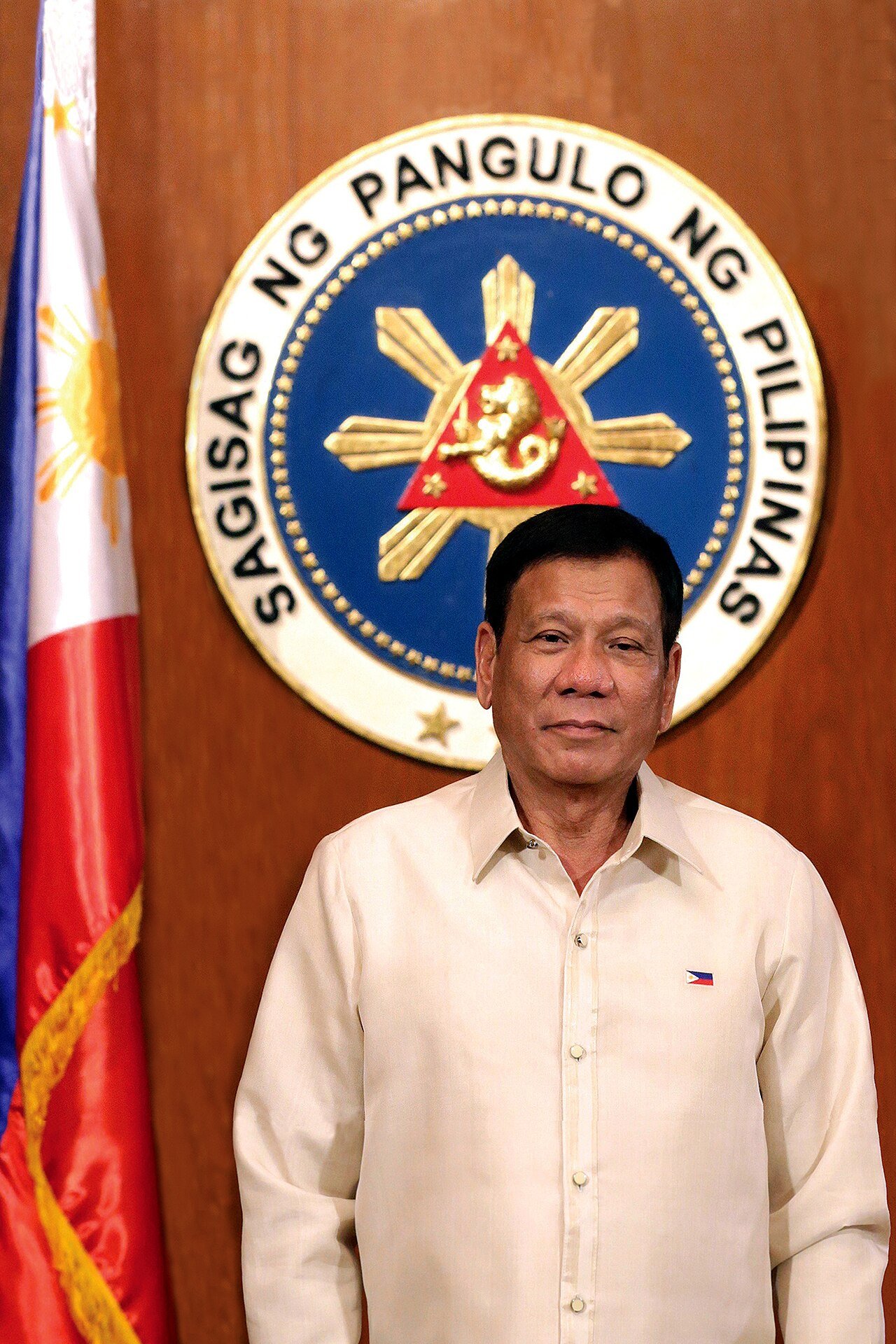
The Hague, Netherlands — Former Philippine president Rodrigo Duterte goes on trial at the International Criminal Court on Monday, 30 November 2026, charged with overseeing a campaign of extrajudicial killings in his anti-drug crackdowns that prosecutors say amount to crimes against humanity. The 81-year-old will be the first former Asian leader — and only the second former national ruler — to stand trial before the court over alleged crimes committed while in power.
A Historic First for the Court
The trial opens at 10am in The Hague (5pm in Manila) before Trial Chamber III, presided over by Judge Joanna Korner, with Judges Keebong Paek and Nicolas Guillou. It is a major milestone for the 24-year-old court and a test of its ability to prosecute national political leaders, the Associated Press reported.
More than 500 victims of Duterte’s drug war have been authorised to take part in the proceedings. For them, the opening day is the moment they have waited for since the killings began. During confirmation hearings in February 2026, which Duterte did not attend, one of the victims’ legal representatives, Joel Butuyan, expressed “very deep disappointment”, saying the sight of Duterte having the charges read to him “would have constituted a vital component of justice for the victims in these proceedings.”
The trial is also the latest major international-justice case to reach a court in The Hague, and it opens as the ICC faces unprecedented pressure from Washington, where the Trump administration has imposed sanctions on key court staff and the institution itself.
For the first time, a former Asian head of state will sit in the dock at The Hague.
The Three Counts
Earlier this year, ICC judges ordered Duterte to stand trial, finding there were “substantial grounds to believe” he was responsible, as an indirect co-perpetrator, for the crimes against humanity of murder and attempted murder. The charges cover the period from 1 November 2011 to 16 March 2019, and list 84 murders and two attempted murders — a sample, prosecutors say, of a far higher death toll. The three counts are:
- Count 1 — Davao City: murders in and around Davao City during Duterte’s time as mayor, allegedly carried out by the Davao Death Squad from 2013 to around June 2016. Prosecutors allege Duterte founded and led the group, which targeted people linked to selling and using drugs.
- Count 2 — High-value targets: murders of high-value targets in various locations across the Philippines during his presidency, from around July 2016 to July 2017.
- Count 3 — Clearance operations: murders and attempted murders during so-called barangay clearance operations under his presidency, from around July 2016 to September 2018.
Under the Rome Statute, the treaty that established the ICC, murder constitutes a crime against humanity when it is committed as part of a widespread or systematic attack directed against a civilian population, and the perpetrator knows of the attack.
The charges span eight years — from Duterte’s years as mayor of Davao to his presidency.
The Death Toll: What the Figures Say
There is no definitive death toll for Duterte’s drug war, and the figures vary widely depending on the source. Every number in this report is attributed, because the true scale remains disputed.
The Philippine National Police acknowledges only 6,252 deaths. Yet the police force’s own 2017 year-end report, when the Duterte administration measured its anti-drug campaign largely by the number of suspects killed, listed 20,322 deaths between 1 July 2016 and 27 November 2017. In a 2018 resolution, the Philippine Supreme Court noted that this amounted to an average of 39.46 deaths a day.
Human rights groups, by contrast, claim the toll could be as high as 30,000. ICC prosecutors have said Duterte funded and armed execution squads that murdered as many as 30,000 people. The gap between the official count and the estimates from rights groups is one of the central disputes the trial will have to confront — and it is why the victims’ testimony is expected to matter so much.
No single figure is agreed. The court will hear the evidence, and the families, before it reaches any conclusion.
From Manila to The Hague
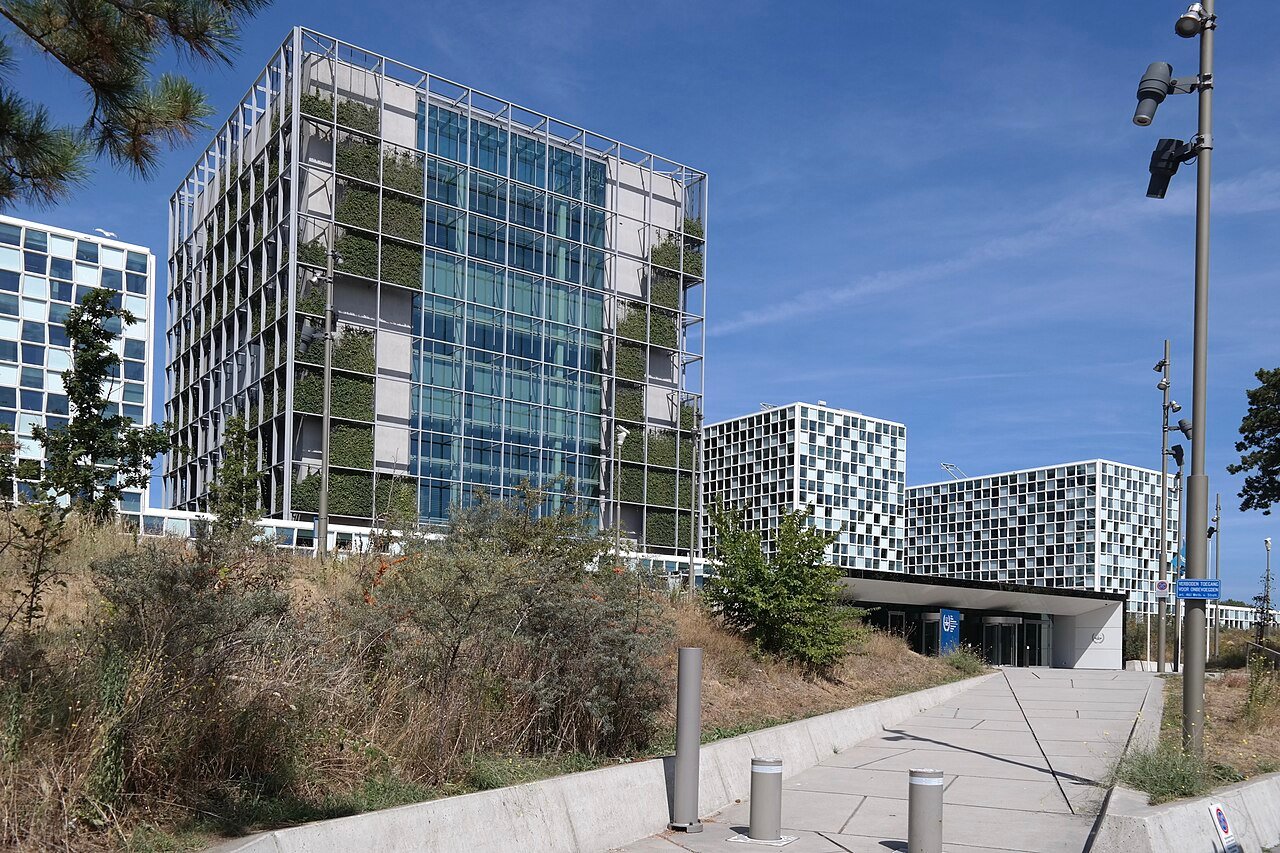
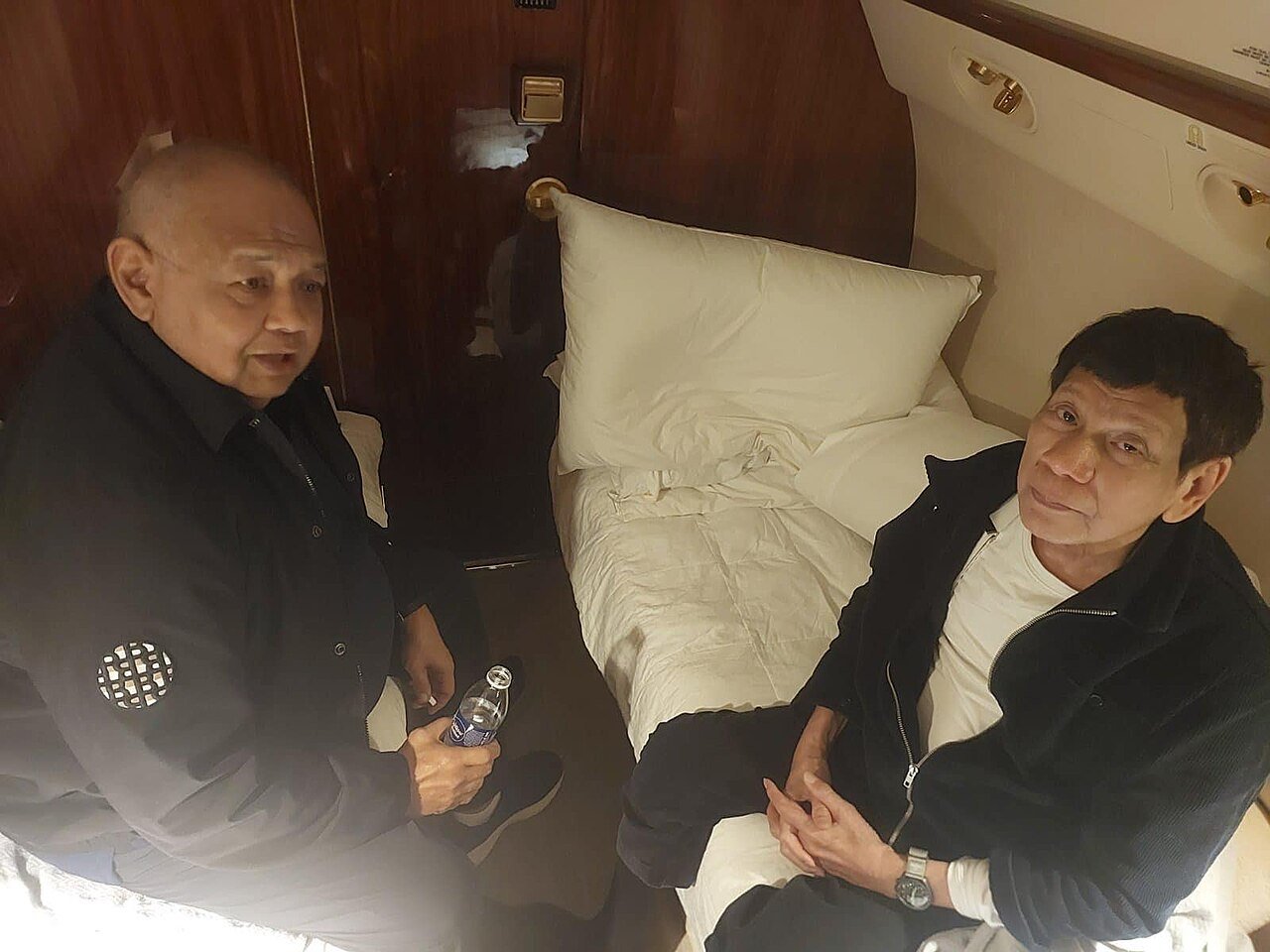
Duterte’s path to the dock began with a confidential arrest warrant issued by ICC judges on 7 March 2025. Four days later, Philippine officials executed the warrant and put him on a plane to the Netherlands — a dramatic reversal for a man who had spent years dismissing the court in profanity-laden speeches and who, as president, unilaterally withdrew the Philippines from the ICC’s founding treaty in 2019 in response to the court’s investigation.
The Philippines formally left the ICC on 16 March 2019, but the court retains jurisdiction over alleged crimes committed while the country was still a party to the Rome Statute — which is why the charges run to that date.
His detention also marked a sharp break with the political alliance that had brought President Ferdinand Marcos Jr to office in the 2022 election. Duterte’s daughter Sara is now the country’s vice president and faces possible removal from office through impeachment proceedings in the Philippine Senate. She has described the ICC trial as politically motivated.
He was arrested by his own country’s officials — and flown to The Hague within hours.
Fit to Stand Trial
Duterte’s lawyers told the court that he suffers from cognitive decline and is not well enough to stand trial, and warned that their client’s frail health prevents him from fully participating. After he missed early hearings, which he attended virtually from a detention cell, judges ordered him to appear in person.
Following medical examinations, an independent panel of experts concluded unanimously that Duterte was fit to stand trial. Judges ruled in October that he has the ability to understand the charges, follow the proceedings, understand the evidence and instruct his lawyers. Presiding Judge Korner has said the 81-year-old accused is required to be physically present during the proceedings.
The court has, however, ordered prosecutors to limit the number of witnesses and the amount of evidence, and sessions will be shorter than usual. Prosecutors expect to call fewer than 100 witnesses and will need 150 hours to present their core evidence.
The court found him fit to stand trial — but it has shortened the sessions and limited the evidence to account for his age and health.
What the Defence Says
Duterte’s defence lawyers argue that the dozens of alleged murders he is accused of orchestrating do not amount to crimes against humanity. In a submission to the Chamber on 25 November, his lawyer Peter Haynes said the defence was not disputing the existence of unlawful killings by police during anti-drug operations, or that murders occurred in the Philippines during the period covered by the charges. He also acknowledged that some victims or perpetrators were drug users or pushers.
“Killings undoubtedly occurred, but they were not crimes against humanity,” Haynes said.
His legal team has already said he rejects the allegations, and he is expected to plead not guilty when the judges ask him on the first day whether he admits guilt. Before becoming president in 2016, Duterte had already earned the nickname “The Punisher” for his tough anti-drug policies while serving as mayor of his hometown, Davao, for more than two decades. In advocating his “war on drugs”, he vowed to set aside human rights, “kill” criminals and dump their bodies in Manila Bay — words prosecutors say he then acted on.
The defence does not deny that killings happened. It denies that they were crimes against humanity.
What Happens Next
On the first day, the judges will establish whether Duterte understands the charges and ask him to enter a plea. The Chamber will then hear opening statements — two hours and 15 minutes for the prosecution, one hour and 30 minutes for the victims’ legal representatives, and one hour for the defence — before moving immediately to the testimony of the first prosecution witness.
Witnesses will begin testifying from Tuesday, 1 December, many of them with protective measures to shield their identities. Hearings are scheduled from Monday to Friday until 18 December and will resume on 12 January. The proceedings will be livestreamed on the ICC website, as well as on the court’s Facebook and YouTube accounts, with a 30-minute transmission delay.
The trial is expected to continue well into 2027, with a verdict unlikely before 2028. If convicted, Duterte faces a maximum sentence of life imprisonment. The ICC does not have the death penalty, and a single conviction on a charge of crimes against humanity could bring a life sentence.
Analysts say the trial’s effects will reach well beyond the courtroom. Because it is projected to run into the 2028 election cycle, its political repercussions in the Philippines will be immediate and sustained — a test, they say, of the Duterte family’s political resilience.
A week of opening hearings begins on Monday. The verdict, if one comes, is years away — but for the families of the dead, the trial itself has already begun.
By The BNN Media
The Best News Network
News Beyond the Borders