By
European Union leaders have left Brussels without a deal on the bloc’s next seven-year budget, after more than 12 hours of talks, and a decision on a new €45 billion loan for Ukraine will now have to wait until December.
By The BNN Media
The Best News Network
News Beyond the Borders
Brussels, Belgium — After a marathon session that stretched through Thursday night and into the early hours of Friday, the leaders of the European Union’s 27 member states failed to agree on the bloc’s 2028–2034 long-term budget, and they also left a proposed €45 billion loan for Ukraine undecided, despite backing from 24 of the 27 governments.
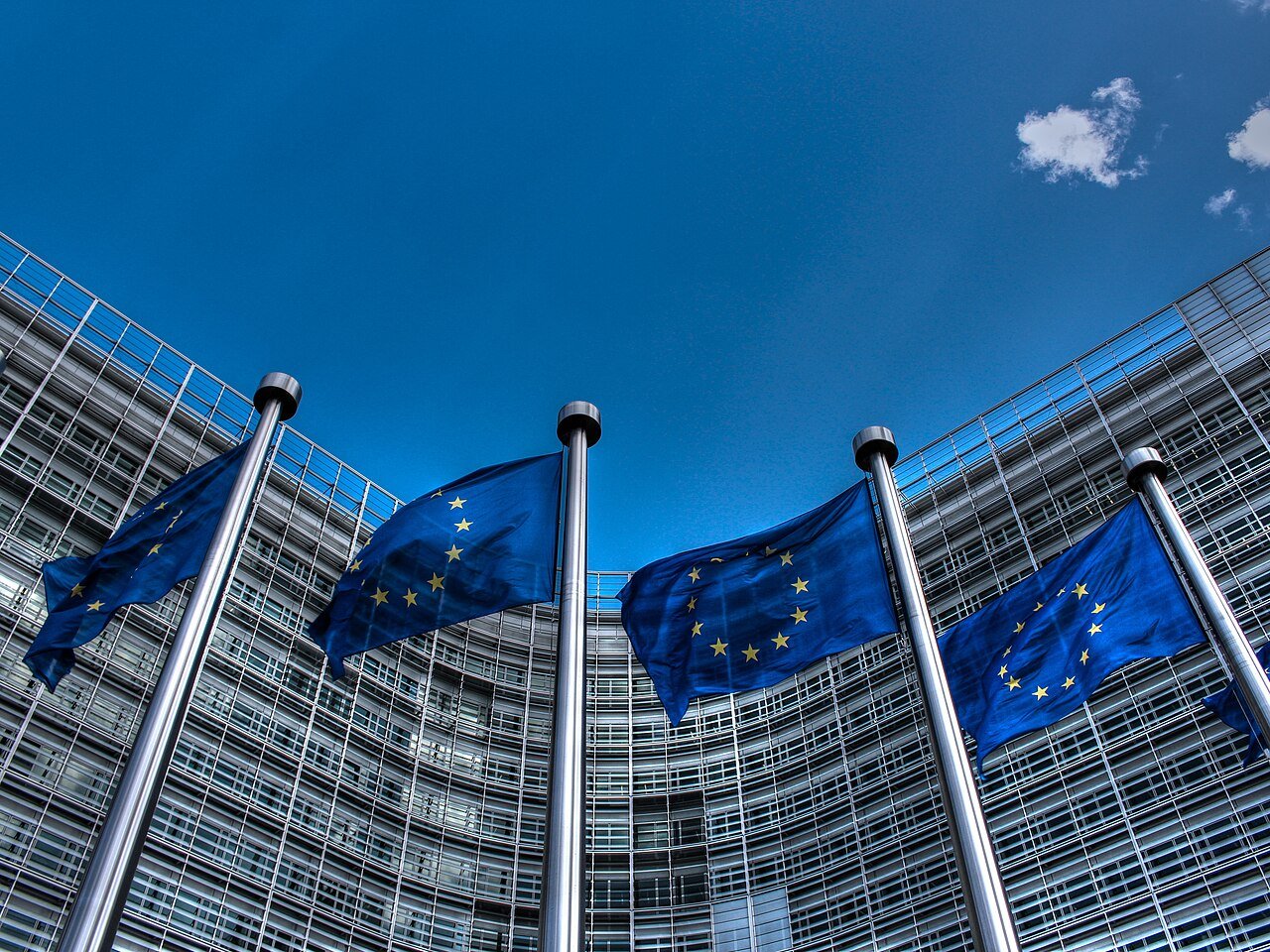
European Council President António Costa, who chaired the extraordinary summit, faced reporters early on Friday with a blunt assessment. We didn’t reach an agreement, he said, according to the Associated Press. The leaders will try again when they meet on 17–18 December, but several leaders warned openly that the window for a deal is closing fast.
A night that ended without a deal
The summit in Brussels on Thursday, 26 November, was called specifically to break the deadlock over the EU’s next long-term spending plan, known as the multiannual financial framework. Instead, after two plenary sessions, a series of smaller group meetings and the corridor conversations that typify EU budget negotiations, the gaps between governments remained wide.
Costa said some member states had asked for further reductions in what they would have to pay into the budget, while most were opposed to further cuts and some even proposed reversing cuts already made. It was, by several accounts, a day of brinksmanship, with leaders playing to audiences back home as much as to each other.
German Chancellor Friedrich Merz announced late on Thursday that the leaders would not reconvene on Friday morning. The planned second day of the summit was cut short, and the search for an agreement was pushed into December.
The takeaway: a summit called to settle the budget ended with the same disagreements it started with — only the deadline is now shorter.
The Ukraine loan: broad backing, no signature
The most striking outcome of the night was a split result on Ukraine. Costa told reporters that 24 member states had supported the European Commission’s proposal for an additional loan of up to €45 billion for Ukraine in 2027. One of them, Bulgaria, will take part only in the non-military part of the package, with a particular focus on regions where the Bulgarian national minority lives.
But support is not the same as a decision. The financing arrangements have yet to be finalised, and the leaders will return to the issue in December. Hungary, Slovakia and the Czech Republic declined to take part in funding the additional assistance, although all 27 countries broadly support further aid to Ukraine.
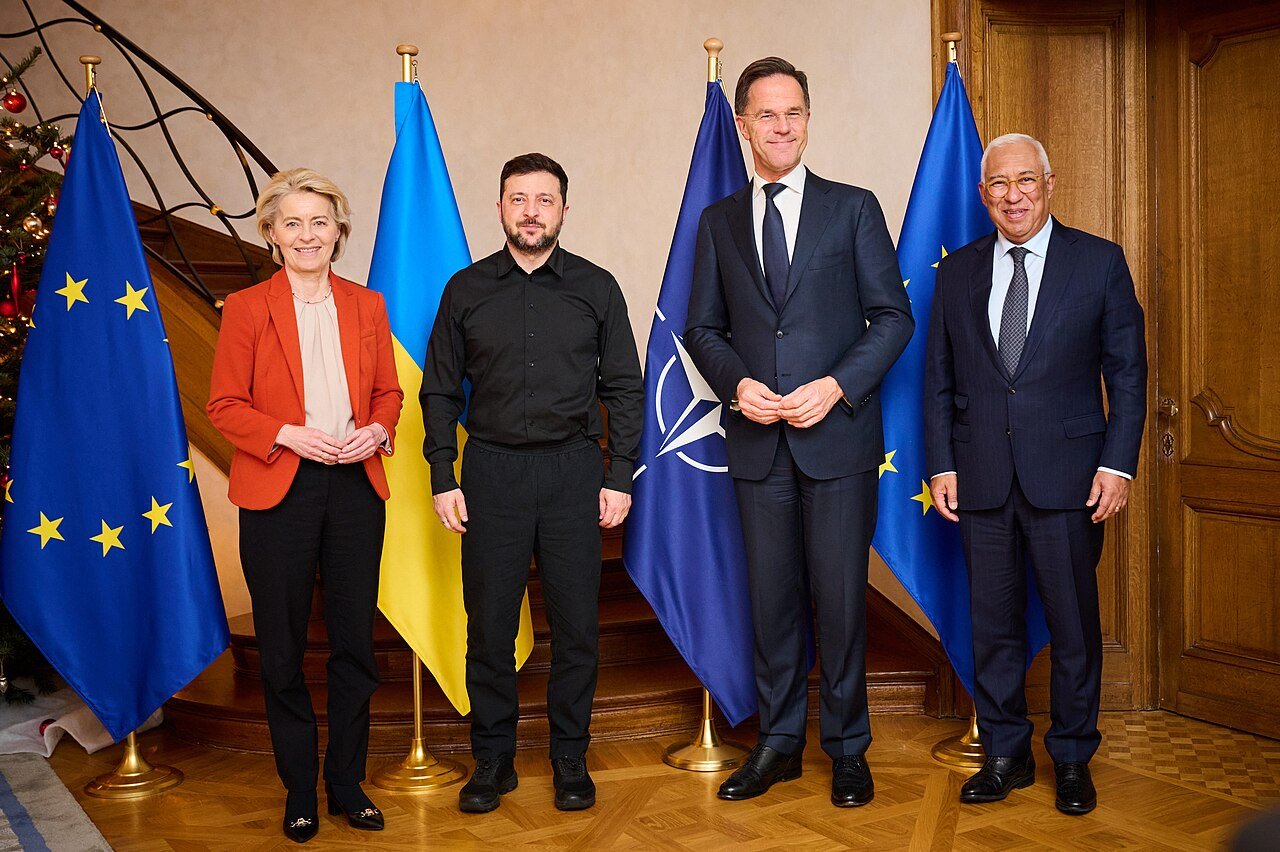
European Commission President Ursula von der Leyen said the EU’s priority was to give Kyiv the resources it needs to negotiate from a position of strength, with predictable financial and military support. The Commission put forward the proposal, called the Instrument for Coordinated Support to Ukraine, on 18 November.
Where the money would go
The proposed loan is designed to cover a large part of Ukraine’s financing needs next year. Kyiv faces an estimated funding gap of about €70 billion in 2027, and the €45 billion would cover roughly two-thirds of it.
Under the Commission’s plan, up to €25 billion would go to military support and up to €20 billion to financing government spending. The money would be raised by the Commission on capital markets, with the EU budget providing the guarantee, and it would sit on top of the €90 billion Ukraine support loan already agreed for 2026 and 2027.
Reports of the proposal say Kyiv would repay the principal only after Russia pays reparations. The wider spending package also foresees a €100 billion envelope for the Ukrainian government over the seven years of the next budget — a measure of how central Ukraine has become to the EU’s financial planning, almost five years into the war.
- €45 billion: the additional loan proposed for Ukraine in 2027
- €25 billion: the share earmarked for military support
- €20 billion: the share earmarked for government spending
- €70 billion: Ukraine’s estimated total financing gap for 2027
- €90 billion: the loan already agreed for 2026 and 2027
The takeaway: the money for Ukraine is largely mapped out — but until the financing mechanism is agreed, none of it can flow.
Why the budget itself is stuck
The long-term budget is small compared with national budgets — around 1 to 1.2 per cent of the bloc’s gross national income — but it is a statement of what the EU wants to be, and that is why it is so hard to agree. The Commission proposed a budget of almost €2 trillion in July. Costa’s latest compromise proposal cut that figure substantially, putting commitments at about €1.58 trillion, according to reports of his proposal — yet even that was too much for some governments and too little for others.
Some leaders called for belts to be tightened and for traditional spending, above all on farming and regional development, to be trimmed. Others defended those same policies, which consume large parts of the budget, and argued that new priorities — defence, competitiveness and support for Ukraine — need extra money rather than money taken from elsewhere.
Money is also needed to pay down the debt on the €850 billion loan agreed after the last budget round to pull Europe out of its worst-ever recession, caused by the COVID-19 pandemic. Costa has proposed an EU-wide tax on digital services as one way of raising new revenue, but that idea itself is contested. The budget argument also sits alongside the bloc’s wider break with Russian energy, including a permanent ban on Russian gas that is moving towards final approval.
The budget requires the unanimous agreement of all 27 member states and the consent of the European Parliament, so a single government can block a deal. That rule gives every capital a veto — and an incentive to hold out for a better offer.
The clock: December, or much harder
Costa insisted that a new budget must be in place by 1 January 2028. In order to do this, we need to reach a final agreement by the end of this year, he said. In the coming days he will draw his conclusions from the summit talks and consult again with national capitals before the December meeting.
The December summit, on 17–18 December, is now the target for an agreement on Costa’s revised proposal. But several leaders doubted even that timetable. Hungary’s Prime Minister Péter Magyar, a newcomer to EU budget haggling, said he had seen zero results and that a deal by Christmas looked unlikely. Italy’s Prime Minister Giorgia Meloni said Italy would sign only a budget it considers fair, adding that the leaders were still light-years away from a solution.
French President Emmanuel Macron set the starkest deadline of all. With presidential elections due in France in April, in which the hard right is expected to perform strongly, he said he would not be in a position to relaunch the discussion after 31 December. He said he was willing to sign up to a good agreement on 17–18 December — but not to start the argument again in 2027.
Elections in several other countries next year, including Italy, Poland, Greece, Estonia, Finland and Slovakia, could complicate the talks further if no deal is reached by the end of this year.
The voices in the room
The summit exposed the familiar fault lines of EU budget talks. Dutch Prime Minister Rob Jetten, speaking as he arrived, said the budget needed to be modernised and downsized if a deal was to be struck. I’m ready for this marathon, if it ends today, tomorrow or somewhere in December, he said.
Merz had gone into the summit with a threat: he said he would hold up a budget agreement unless all member states made a collective commitment to Ukraine, without exception. That linkage — the budget and the Ukraine loan decided together — deepened the divisions, because the countries most reluctant to fund Ukraine are also among those demanding the deepest budget cuts.
According to Euronews, several members of the so-called frugal group of budget-conscious states decided not to take part in a late-night session in the format proposed by Costa, adding to the sense of a summit drifting apart rather than coming together.
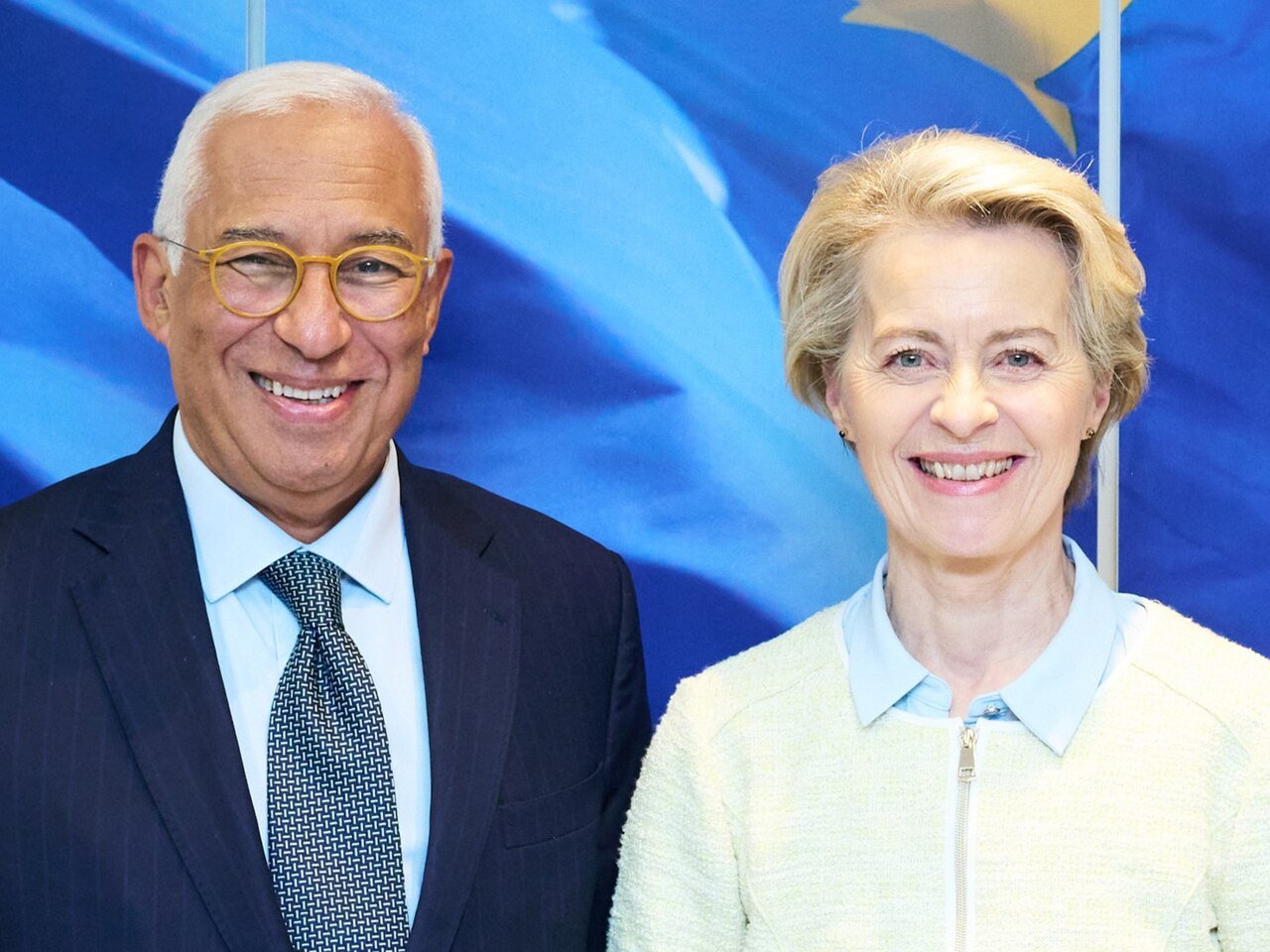
Von der Leyen, for her part, expressed satisfaction at the wide support for the Ukraine proposal, while Costa struck a calmer note than the outcome might have suggested. This is a negotiation process, he said. It’s normal that the member states try to defend their own national interests. He added that the talks had been very useful to figure out the parameters of a possible landing zone in December.
What happens next
The failure in Brussels is not, on its own, a disaster. EU budget negotiations have run late before, and the current budget runs until the end of 2027. But the combination of a hard end-of-year deadline, a war on the EU’s border and elections across the continent gives the December summit unusual weight.
Three questions will decide whether December succeeds where November failed. First, can the 24 governments that back the Ukraine loan agree on how it is financed, and can the three holdouts be accommodated without breaking the package? Second, can Costa find a budget figure that the budget-conscious north can accept and the farming and cohesion countries can live with? And third, can the leaders settle both questions together, as Merz insists, or will they have to be separated?
The answers will shape not only how much money the EU spends between 2028 and 2034, but what it spends it on — and how much support Ukraine can count on while the war continues. For now, the leaders head home with the same disagreements they arrived with, and a December date circled in every diary in Brussels.
The takeaway: December is now the deadline that matters. If the leaders cannot agree then, the budget — and the loan for Ukraine — will enter an election year unresolved.
By The BNN Media
The Best News Network
News Beyond the Borders