By
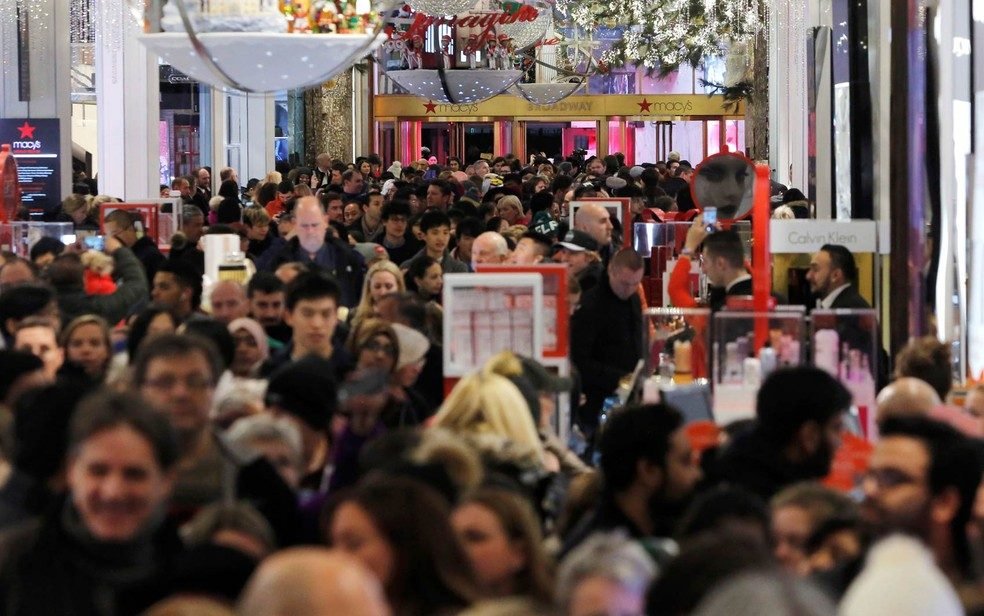
American shoppers are expected to spend a record $12.9 billion online on Black Friday alone, as the National Retail Federation forecasts holiday sales of more than $1 trillion for the first time — even as fewer people plan to shop than last year.
By The BNN Media
The Best News Network
News Beyond the Borders
New York, United States — Online spending on Black Friday is forecast to reach a record $12.9 billion, up 9.2 per cent on last year, and total US holiday retail sales are expected to pass $1 trillion for the first time, according to forecasts from Adobe Analytics and the National Retail Federation (NRF) published ahead of the Thanksgiving weekend.
A record day inside a record season
Black Friday, on 27 November this year, is forecast to be the second-biggest online shopping day of the American holiday season, behind only Cyber Monday. Adobe Analytics, which tracks transactions on US retail websites, expects shoppers to spend $15.1 billion online on Cyber Monday, 30 November, up 6.2 per cent — the first time a single day of online shopping in the United States is expected to pass $15 billion.
For the season as a whole, from 1 November to 31 December, Adobe expects online sales of $275.1 billion, up 6.7 per cent on last year. The NRF, which counts spending in shops as well as online, forecasts total November and December retail sales of $1.013 trillion, up 4.2 per cent — the first time the holiday season has been expected to cross the trillion-dollar mark.
The forecasts land at a moment when American consumers have already been spending heavily. Adobe data reported on 25 November showed online spending of $82.5 billion between 1 and 22 November, up 9.1 per cent on the same stretch of 2025. The NRF’s chief economist, Mark Mathews, said when the forecast was released on 15 October: ‘We head into the holiday season with strong spending momentum, as consumers remain the bright spot in the economy.’
The headline is simple: shoppers are spending more money than ever, even while the crowds are slightly thinner than a year ago.
The numbers behind the forecast
The main figures behind this year’s holiday season, as forecast by Adobe and the NRF:
- Black Friday online sales: $12.9 billion, up 9.2 per cent on 2025, when Adobe counted $11.8 billion.
- Cyber Monday online sales: $15.1 billion, up 6.2 per cent on 2025, when Adobe counted $14.25 billion.
- Thanksgiving Day online sales: $6.9 billion, up 8.5 per cent.
- Cyber Week online sales (Thanksgiving to Cyber Monday): $47.5 billion, up 7.4 per cent, or 17.3 per cent of the season’s online spending.
- Whole-season online sales: $275.1 billion, up 6.7 per cent.
- Whole-season retail sales (shops and online): $1.013 trillion, up 4.2 per cent, excluding car dealers, petrol stations and restaurants.
- Buy Now, Pay Later: $807 million expected on Black Friday alone, and $21.3 billion across November and December, up 6.6 per cent.
Who is shopping — and how
The NRF’s survey, carried out with Prosper Insights & Analytics among 7,956 adults between 30 October and 9 November, found that 182.7 million people plan to shop over the five-day Thanksgiving weekend, down slightly from the 186.9 million who said they planned to do so before last year’s weekend.
Black Friday remains the most popular day of the weekend. About 126 million people, or 69 per cent of holiday-weekend shoppers, plan to shop on Black Friday — 67 per cent of them in stores and 89 per cent online, with many doing both. About 66.1 million people plan to shop on Cyber Monday.
The picture is not the same in every survey. Deloitte, the professional services firm, estimates that 87 per cent of consumers plan to shop between Thanksgiving Day and Cyber Monday, up from 82 per cent last year — which it describes as a 10-year high. Deloitte’s own holiday forecast puts spending at $1.7 trillion to $1.71 trillion for November through January, against $1.63 trillion last season.
Retailers are hiring to match the demand. The NRF expects stores to take on between 325,000 and 375,000 seasonal workers for the holiday period. US consumer confidence jumped to its highest since January 2025, according to The Conference Board, which helps explain why retailers expect tills to keep ringing despite higher prices.

What is on sale, and where the best deals are
Adobe expects Black Friday to offer the biggest discounts of the season on televisions, apparel and appliances, which is one reason its online sales are growing faster than Cyber Monday’s. Black Friday is also expected to be strong for toys and furniture. Cyber Monday, by contrast, is expected to offer the deeper discounts on electronics and computers, according to Lauren Murphy, managing director of Wells Fargo retail finance.
The season has also stretched well beyond a single day. Amazon began its Black Friday deals on 19 November, and other retailers ran Black Friday sales throughout Thanksgiving week. A survey for the Simon-Kucher 2026 Holiday Shopping Report found that 52 per cent of shoppers expect to get good deals on Black Friday, against 15 per cent on Cyber Monday.
There is a practical side to this year’s shopping that goes beyond gifts. According to Adobe, shoppers are using Cyber Week to stock up on everyday necessities, from personal care and clothing basics to baby and household products. Murphy said that told retailers shoppers ‘aren’t just looking for a deal on a holiday gift — they’re using these promotions to stretch their household budgets.’
The deepest discounts are on Black Friday itself, but the best day to shop depends on what is being bought.
From dawn queues to the checkout page
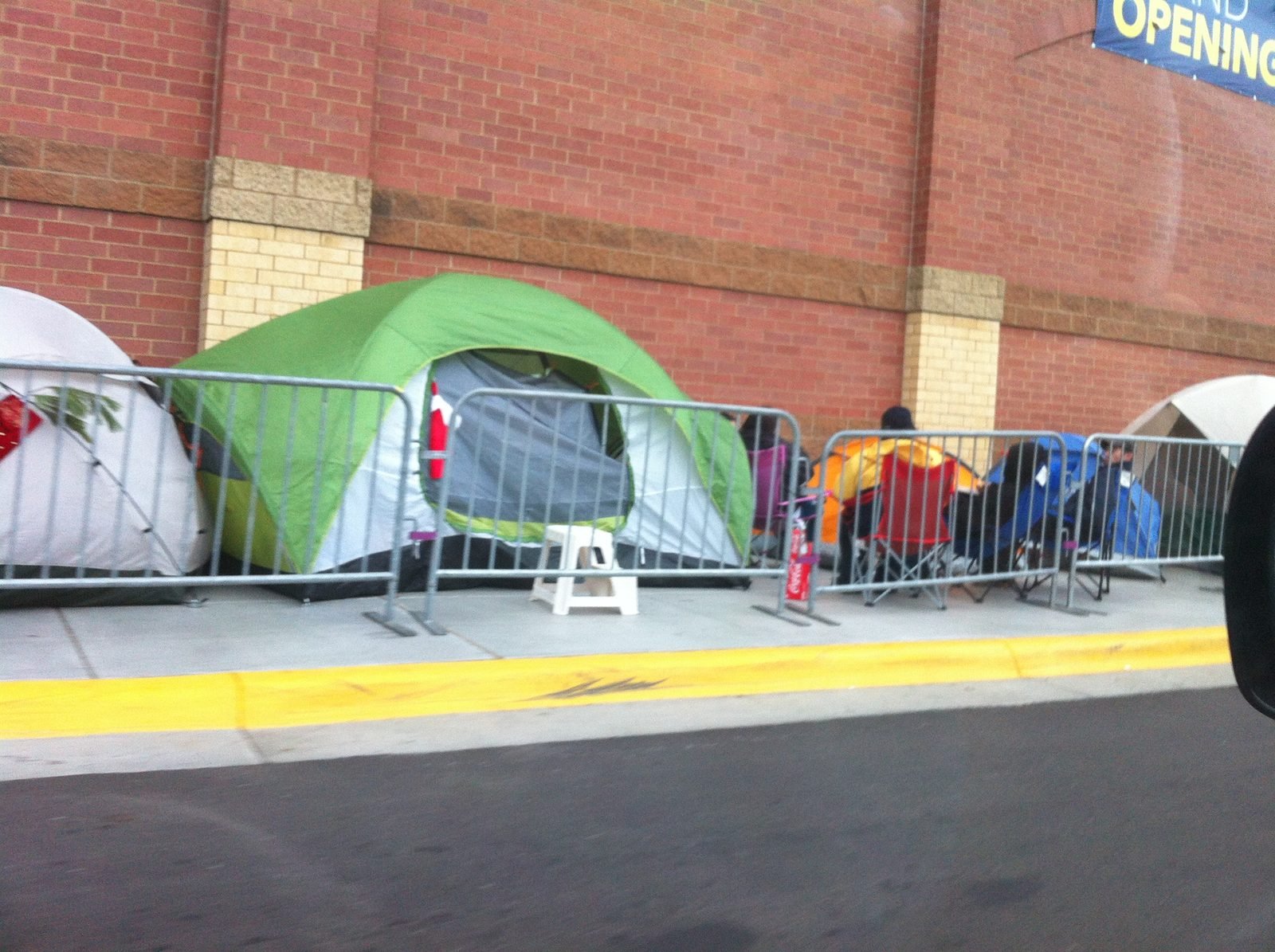
Black Friday no longer looks the way it once did. Shoppers used to camp outside stores overnight and wait in long lines for the doors to open. Today, most of the spending happens on a phone or a laptop, and special shopping events through October and November have pulled much of the season forward.
Deborah Weinswig, chief executive of Coresight Research, thinks this year marks a partial return to the older model, with bigger discounts on the day itself, because sales this autumn were not as strong as retailers had hoped and higher prices weighed on shoppers. She also believes shoppers who can afford to wait may find better prices as Christmas approaches. ‘If the consumer can wait, they’re going to get a much better deal on many products as we get closer and closer to December 25th — and we’ve never seen that before,’ she said.
Not every ‘deal’ is a deal
Shoppers are being warned to check prices before they buy. Consumer watchdog group Groundwork Collaborative reported that one in three of Amazon’s Black Friday deals in 2024 and 2025 did not offer savings — prices for 29 per cent of items were the same or lower in the month leading up to Black Friday or Cyber Monday, and more than half had the same or lower prices in the 90 days before the sales event. Amazon pushed back against the report, publishing a statement questioning its findings and its data.
Experts say many retailers routinely raise prices before a big sale and then lower them again, creating the impression of a bargain. Price trackers, which record what an item cost over weeks and months, can show whether a ‘deal’ is real. Murphy’s advice is simple: if you know the normal price and you see a meaningful discount, take it — do not wait.
A discount is only a bargain if the price was genuinely higher before the sale began.
What retailers are watching next
The real test comes after the weekend. Retailers will be watching whether the strong early spending — up 9.1 per cent online in the first three weeks of November — holds through December, and whether shoppers keep using instalment plans such as Buy Now, Pay Later to spread the cost. They will also be watching whether the thinner crowds the NRF survey predicts turn into thinner baskets, or whether fewer shoppers simply spend more each.
For now, the forecasts point in one direction. A record $12.9 billion online on Black Friday, a first $15 billion Cyber Monday, and a first $1 trillion holiday season would make 2026 the biggest American shopping season on record — measured in money, if not in people.
By The BNN Media
The Best News Network
News Beyond the Borders
Sources: Adobe Analytics holiday forecast (28 September 2026) and Adobe data via Digital Commerce 360 (25 November 2026); National Retail Federation holiday forecast (15 October 2026) and NRF/Prosper Insights & Analytics survey (30 October–9 November 2026); USA Today (23 November 2026); Deloitte holiday forecast via The Center Square; Walnut Invest holiday spending statistics (November 2026).