
 By
Europe will never go back to Russian energy — not even if the war in Ukraine ends in a peace deal. That is the vow from the European Union’s energy chief, who says the bloc has replaced sanctions with a permanent ban that no negotiation can undo.
By Faseeh Ur Rehman
Senior Journalist | The BNN Media – The Best News Network
News Beyond the Borders
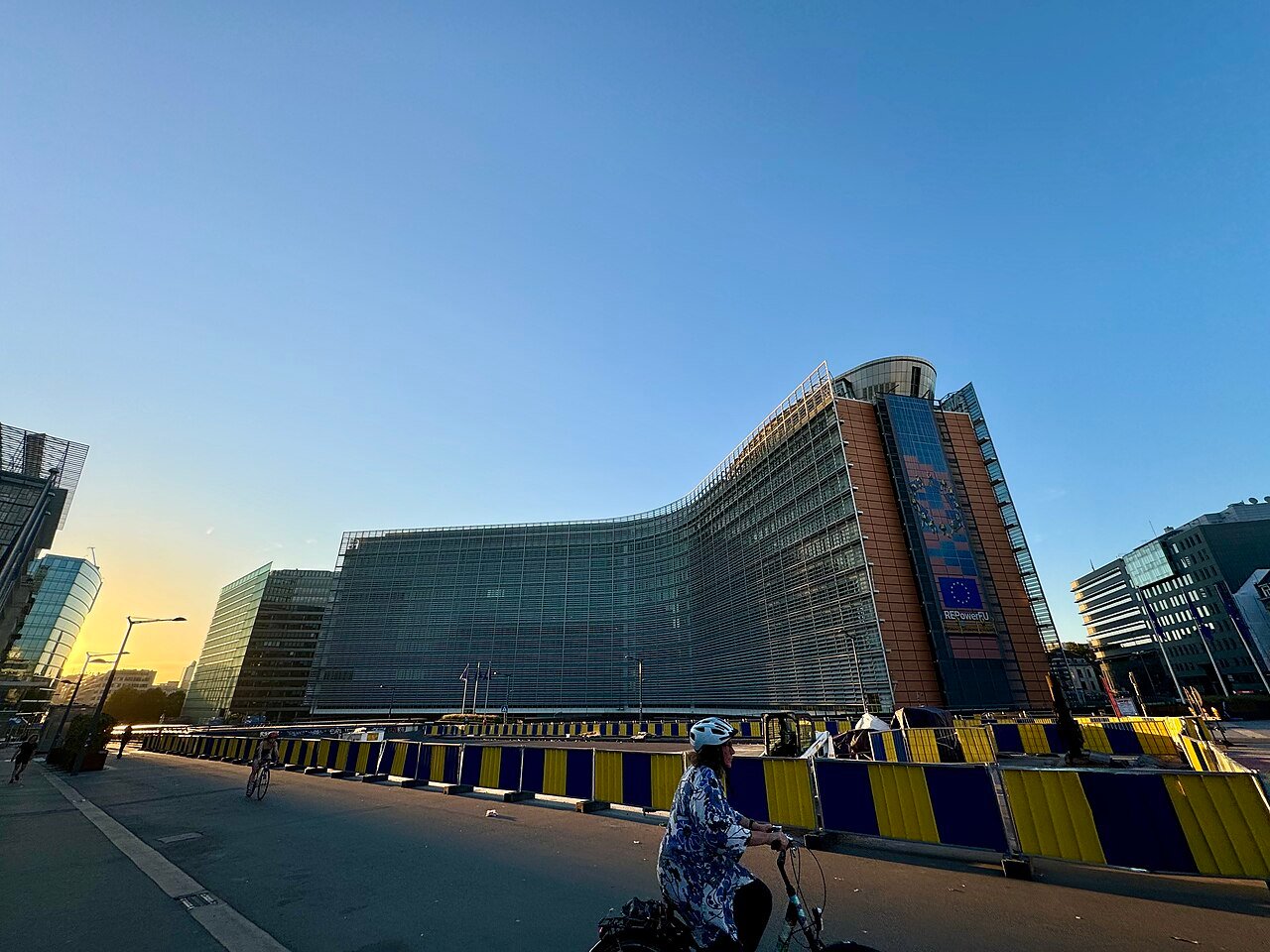
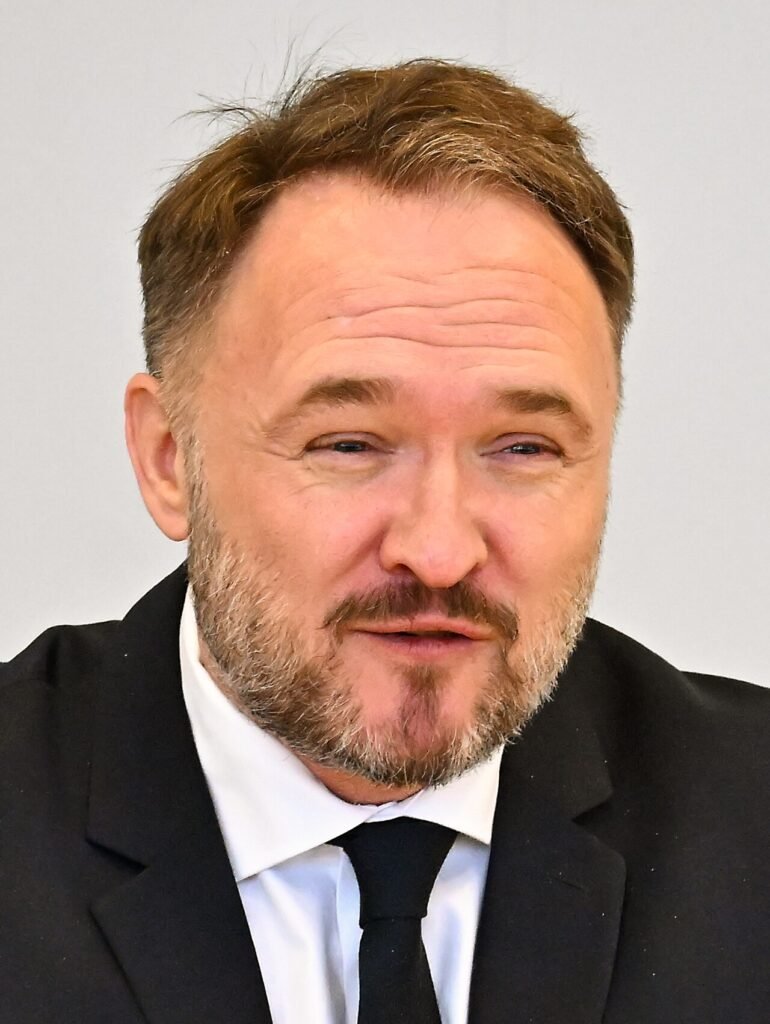
Brussels, Belgium — The European Union will never again import Russian energy, EU Energy Commissioner Dan Jørgensen has said, declaring that the bloc has gone beyond sanctions to a permanent legislative ban on Russian gas and oil. “We will never again, if it’s up to me, import as much as one molecule from Russia. We do not trust Russia,” Jørgensen told Euronews in an interview broadcast on Tuesday, 24 November 2026.
“Not One Molecule”
Jørgensen spoke to Euronews’ On the Record programme, hosted by Maria Tadeo, against the background of US–Russia peace talks over Ukraine and a growing gap between Brussels and Washington on Russian energy.
The interview was prompted by the US president’s decision to remove sanctions on Russian diesel, a move he said would have a meaningful impact on global markets. The head of the International Energy Agency, Fatih Birol, had already warned that lifting sanctions was “simply not the solution” and that Europeans should not remove any sanctions on Russian energy.
Jørgensen went further. He described Russia as an enemy of Europe and said the bloc would press ahead with ending Russian energy imports whatever Washington and Moscow agreed between themselves.
“No matter what happens in these negotiations, European legislation is made in Brussels,” he said — and no deal struck elsewhere can override it.
A Ban, Not Just Sanctions
The heart of Jørgensen’s argument is a legal distinction that matters. Sanctions are temporary: they must be renewed every six months, and they would probably fall away if there were peace. The EU’s phase-out of Russian energy, he said, is legislation — and legislation stays.
“We’ve actually banned [it], which is stronger than sanctions,” Jørgensen told Euronews, “because sanctions have to be renewed every six months,” and if there is a peace deal, “then probably the sanctions will fall away” — but the ban will remain in place.
That is why the commissioner could speak in such absolute terms. The ban is designed so that the end of the war does not mean the return of Russian gas. Europe, in his words, does not want to repeat the mistakes of the past, when dependence on Moscow left it exposed.
The message to Moscow — and to Washington — is that the door is closed for good, not just while the war lasts.
The Phase-Out Timetable
The legislation Jørgensen was defending was agreed in principle almost a year ago. On 3 December 2025, the European Parliament and the Council — the EU’s member states — reached a provisional political agreement to permanently stop Russian gas imports and move towards phasing out Russian oil.
Under that agreement, the phase-out runs to a fixed timetable:
- Liquefied natural gas (LNG) imports from Russia are phased out by 31 December 2026, with long-term contracts banned from 1 January 2027
- Pipeline gas imports end by 30 September 2027, with member states allowed to extend the deadline to 31 October 2027 only if their storage levels are below the required level
- Short-term supply contracts concluded before 17 June 2025 were caught earlier — LNG from 25 April 2026 and pipeline gas from 17 June 2026
- Oil imports from Russia are to be phased out by the end of 2027
The Commission said at the time that the text of the agreement had to be translated into all EU languages and then formally approved by the Parliament and the Council before publication. European Commission President Ursula von der Leyen welcomed the deal as the start of “the era of Europe’s full energy independence from Russia”, saying: “Today, we are stopping these imports permanently.”
From 45 Per Cent to Almost Nothing
The ban caps a transformation that has already happened. Before Russia’s full-scale invasion of Ukraine, Russian gas supplied about 45 per cent of the EU’s gas imports. That share has now fallen to around 10 per cent, and Jørgensen said the bloc expects to end imports altogether next year.
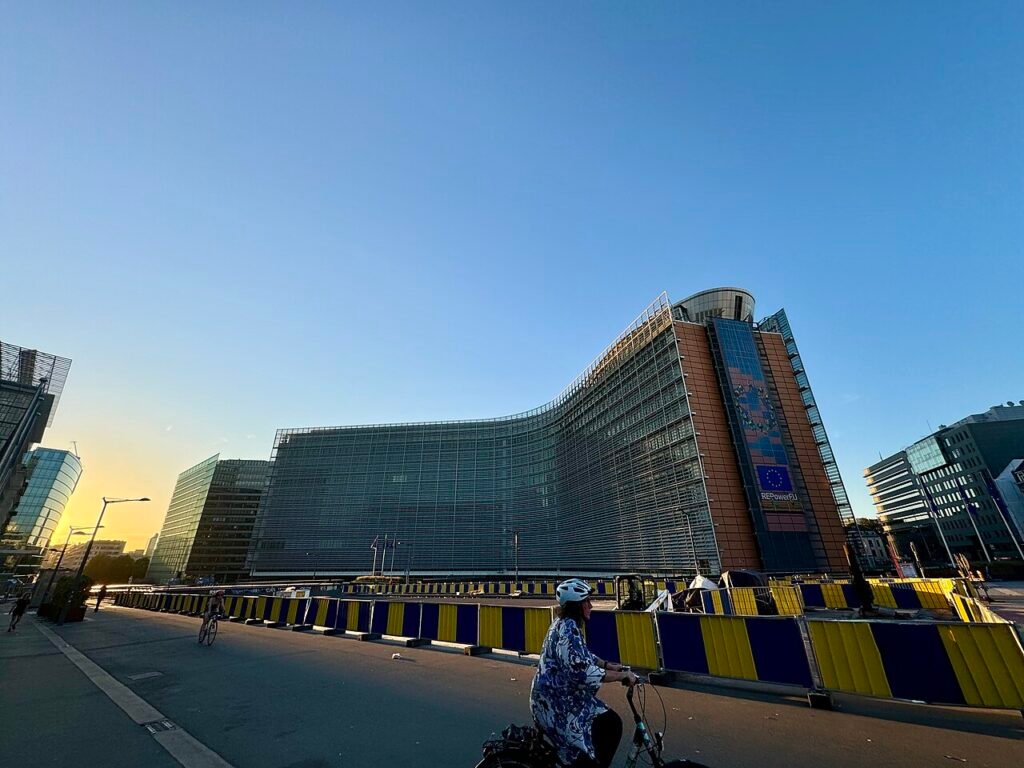
The phase-out is part of REPowerEU, the EU’s plan to end its dependence on Russian fossil fuels, which the Commission says has already protected Europe through its worst energy crisis in decades and helped it move away from Russian supplies at record speed.
Member states have also been required to submit national plans for diversifying their gas and oil supplies, and the Commission, together with the EU energy regulator ACER, the European Public Prosecutor’s Office and the anti-fraud office OLAF, is monitoring progress and guarding against circumvention — including through shadow fleets carrying Russian oil.
In four years, Europe has gone from relying on Russia for nearly half its gas to planning for zero — and the law now makes that zero permanent.
The Split With Washington
Jørgensen’s remarks also exposed a widening difference between Brussels and Washington. While the US administration has eased restrictions on Russian diesel, the EU is locking its ban into law.
The commissioner was blunt about the reason: trust. “We do not trust Russia,” he said — not even if there is peace. Europe, he argued, had learnt the cost of dependence when Moscow weaponised energy supplies against the continent, and it would not rebuild that dependence once the fighting stopped.
He also gave Europeans a warning to go with the vow: consumers should brace for higher fuel and gas prices this winter, despite the recent fall in oil prices, as the bloc completes its break from Russian supplies.
What Happens Next
The immediate milestone is only weeks away: the permanent ban on Russian LNG imports under long-term contracts takes effect on 1 January 2027. Pipeline gas follows by the end of September 2027, and oil by the end of that year.
The test of Jørgensen’s vow will come if and when a peace deal is signed. Sanctions could fall away, energy traders could press for a return to cheap Russian gas, and some member states could ask for more time. The commissioner’s answer, given on Euronews, is that the legislation will still be there — and that, as far as he is concerned, Europe will never again import as much as one molecule from Russia.
By Faseeh Ur Rehman
Senior Journalist | The BNN Media – The Best News Network
News Beyond the Borders
Sources: Euronews (“On the Record with Maria Tadeo”, interview broadcast 24 Nov 2026); European Commission press release (3 Dec 2025); European Parliament press release (Oct 2025).




One thought on “EU Will Never Import Russian Energy Again, Commissioner Vows as Permanent Ban on Russian Gas Nears”