 By
Four of China’s biggest banks sounded the alarm on precious metals trading on the same day, as gold tumbled to its lowest level in 14 months and rattled millions of retail investors.
By The BNN Media
The Best News Network
News Beyond the Borders
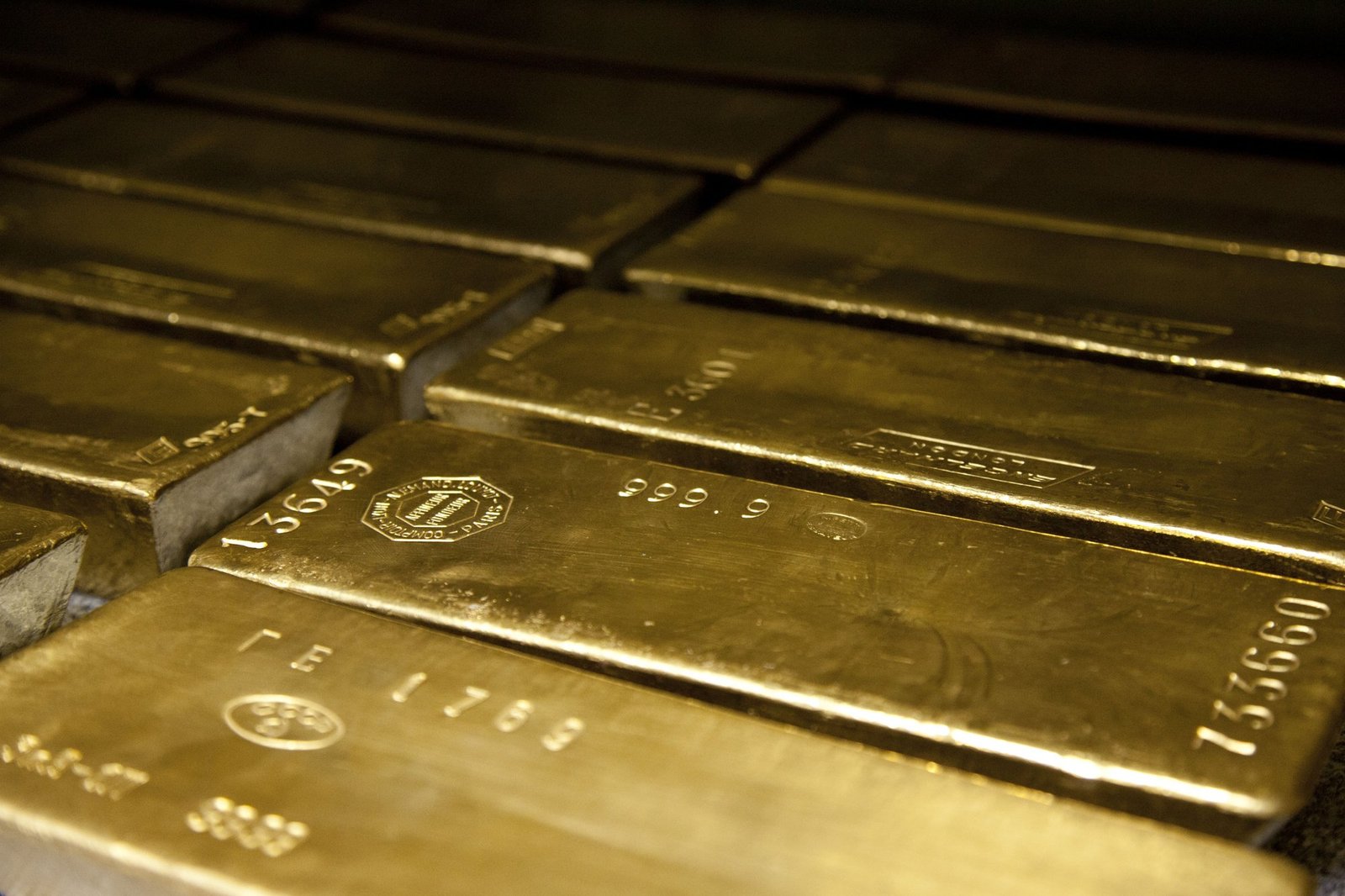
Beijing, China — Four major Chinese banks issued rare same-day risk warnings on precious metals trading on Friday, 20 November, as spot gold fell below US$3,600 an ounce to a 14-month low, extending a brutal sell-off that has wiped about a third off the price of bullion since its January peak.
A Rare Coordinated Warning
The Industrial and Commercial Bank of China (ICBC), China Construction Bank, China Merchants Bank and Bank of Ningbo all published market risk warnings on their precious metals businesses on the same day — an unusual show of coordination that underlines how seriously lenders view the current volatility.
ICBC advised investors to stick to the principle of moderate balance and to make rational investment allocations from a medium- and long-term perspective. China Merchants Bank reminded clients to reasonably control the scale of their precious metals holdings and to avoid short-term speculation or herd trading.
The warnings came as the market rout deepened. Within eight trading sessions, London spot gold broke through five round-number thresholds, from US$4,000 down to US$3,600 an ounce, posting a weekly decline of nearly 9%.
The message from the banks was unmistakable: the gold rush has turned dangerous for ordinary investors.
Gold’s Brutal Week
Spot gold fell 1.3% to US$3,576.09 an ounce by 0913 GMT on Friday, after touching US$3,513.54 earlier in the session — its lowest level since 4 September 2025, according to Reuters.
The metal is now down about 36% from its record high of US$5,589.38 an ounce reached in January this year, and is heading for its steepest weekly decline in eight months, losing roughly 8% in a single week.
The slide is part of a broader market shake-out. As global markets slide, gold — usually seen as a safe haven — has fallen alongside stocks this week, as investors sold holdings to cover losses elsewhere.

Why Gold Is Falling: The Fed Turns Hawkish
The trigger for the sell-off was a sharp shift in expectations about United States interest rates. Minutes from the Federal Reserve’s October meeting, released on Wednesday, showed that almost all participants judged further rate increases would likely be appropriate.
Federal Reserve Governor Christopher Waller then raised the possibility of a half-point rate rise in December, and other Fed officials signalled that rate hikes remain firmly on the table while inflation stays persistent.
- Markets now price a 99.3% chance of a quarter-point Fed rate hike in December, according to CME Group’s FedWatch tool
- The US dollar has climbed to a 19-month high, making gold more expensive for buyers in other currencies
- US Treasury yields have risen above 5%, raising the cost of holding a metal that pays no income
Higher rates and a stronger dollar are a double blow for gold. When yields rise, investors can earn more from bonds, so a non-yielding asset like gold looks less attractive. When the dollar strengthens, gold becomes dearer for buyers using other currencies, including China’s yuan.
In short, the fuel that drove gold to record highs earlier this year — expectations of rate cuts — has gone into reverse.
Silver and Platinum Join the Slide
Gold was not alone in the sell-off. Spot silver fell 0.8% to US$42.41 an ounce on Friday and is down about 13% on the week, after retreating from an all-time high. Platinum dropped 2.3% to US$1,313.20 an ounce, while palladium slid 1.5% to US$896.
COMEX gold futures fell 3.03% and silver futures 5.34%, while on China’s domestic commodity futures market, continuous silver futures fell 7.11% and continuous gold futures fell 4.89%. All three metals are heading for a second consecutive weekly decline.
Silver has been hit particularly hard because its price tends to amplify broader swings in precious metals sentiment — falling faster than gold when the market turns, just as it rose faster on the way up.
Jewellery Prices Tumble — and Shoppers Return
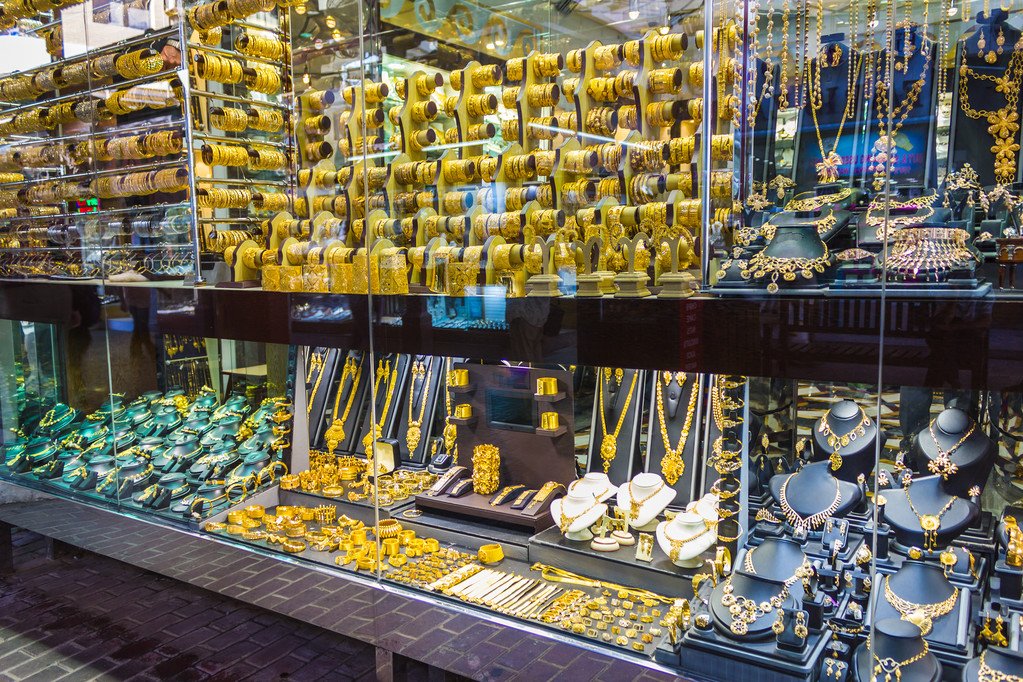
For ordinary Chinese consumers, the most visible effect of the crash is in the jewellery shop. The per-gram price of gold jewellery from multiple brands has fallen by more than 600 yuan this year, with some brands’ pure gold jewellery quotes dropping below 1,100 yuan per gram.
Gold stores in several Shanghai shopping districts have launched promotions — and are seeing a consumption boom, as bargain hunters move in to buy at prices far below those of a few months ago.
A Wider Retreat From Retail Gold Trading
Friday’s warnings are the latest step in a broader pullback by Chinese banks from retail precious metals trading. Reports earlier this year said at least 13 banks had issued adjustment notices for their agency personal precious metals businesses linked to the Shanghai Gold Exchange since late 2025.
Rather than reacting after significant losses occur, the banks have been proactively reducing customer exposure to highly volatile products, redirecting investors towards lower-risk alternatives such as physical gold, exchange-traded funds and accumulation plans, according to The Asian Banker.
Some lenders have gone further, phasing out leveraged trading services for retail clients altogether. The trend reflects a wider effort by regulators and banks to shield ordinary savers from products whose risks many do not fully understand.
The banks are not banning gold — they are trying to move small investors away from the riskiest ways of trading it.
What Investors Should Watch
The immediate question is whether gold’s slide has further to run. Much depends on the Federal Reserve: if officials keep signalling rate rises, the dollar is likely to stay strong and gold under pressure. Any softening in that message could bring buyers back quickly.
For Chinese retail investors, the banks’ advice is consistent — keep positions modest, think long term, and do not chase the market up or panic-sell on the way down. After a week in which gold lost nearly a tenth of its value, that caution looks well timed.
By The BNN Media
The Best News Network
News Beyond the Borders
Sources: GMT8Press; Reuters; The Asian Banker; China Biz Buzz. Gold prices as reported on 20 November 2026; market pricing from CME FedWatch.