By
Denmark’s parliament has voted 109-0 to ratify a security agreement with the United States covering Greenland, closing the parliamentary chapter on a deal meant to end months of tension over the Arctic island’s future — while giving Washington a wider military role, including permission to build a missile defence system on the territory.
By The BNN Media
The Best News Network
News Beyond the Borders
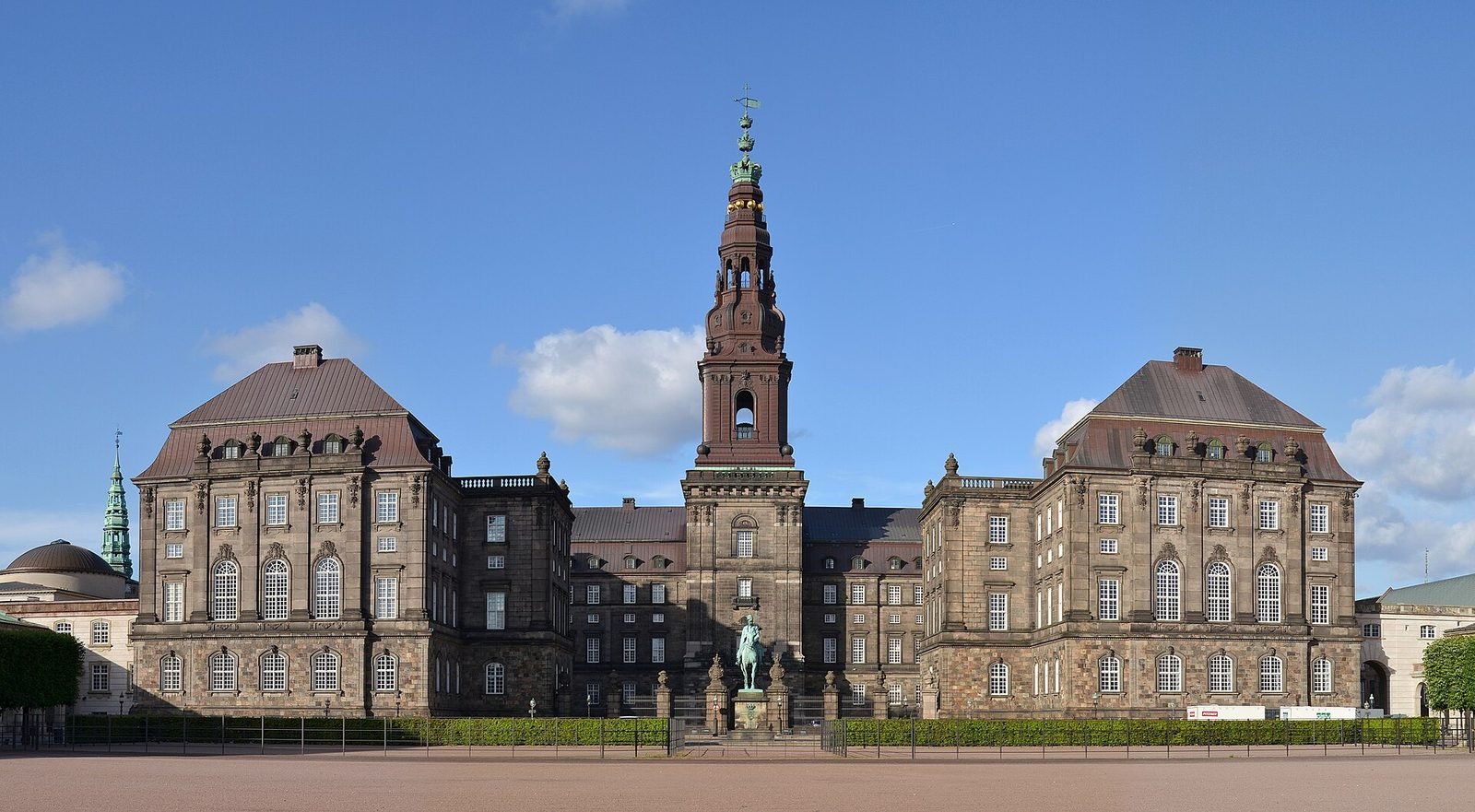
COPENHAGEN, Denmark — Denmark’s parliament, the Folketing, on Thursday unanimously ratified a security agreement with the United States covering Greenland, with all 109 lawmakers present voting in favour and none against, in a vote taken without debate after the text’s second reading. The deal, signed in New York on 22 September by US President Donald Trump, Danish Prime Minister Mette Frederiksen and Greenland’s Prime Minister Jens-Frederik Nielsen, expands the American military role in Greenland — including permission to establish a “Golden Dome” missile defence system — while reaffirming Danish sovereignty and the right of Greenlanders to self-determination.
A Vote Without a Single Dissent
The result was never really in doubt, but its unanimity still carried weight. In the 179-seat Folketing, the 109 members present backed the agreement, with no votes against and no abstentions. The vote followed the text’s second reading and went through without any debate or opposition — a striking show of unity on an issue that, less than a year ago, had thrown Denmark’s alliance with Washington into its deepest crisis in decades.
Greenland’s own parliament had already approved the agreement earlier in November, by 16 votes in favour, none against and seven abstentions. Thursday’s vote in Copenhagen completed the Kingdom of Denmark’s side of the ratification process.
Because the arrangement is an executive agreement rather than a formal treaty, it does not require a vote in the US Senate. It will enter into force once Denmark’s foreign ministry informs Washington through a diplomatic note that the necessary procedures are complete.
Danish lawmakers expressed relief as much as satisfaction. The US ambassador to Denmark, Kenneth Howery, welcomed the result, calling the agreement “a tremendous accomplishment” that bolsters the security of all sides, including NATO.
A parliament that spent the year fearing it might lose Greenland to its closest ally has now voted, without a single dissent, to anchor the island’s future in a new security bargain with Washington.
What the Pact Actually Does
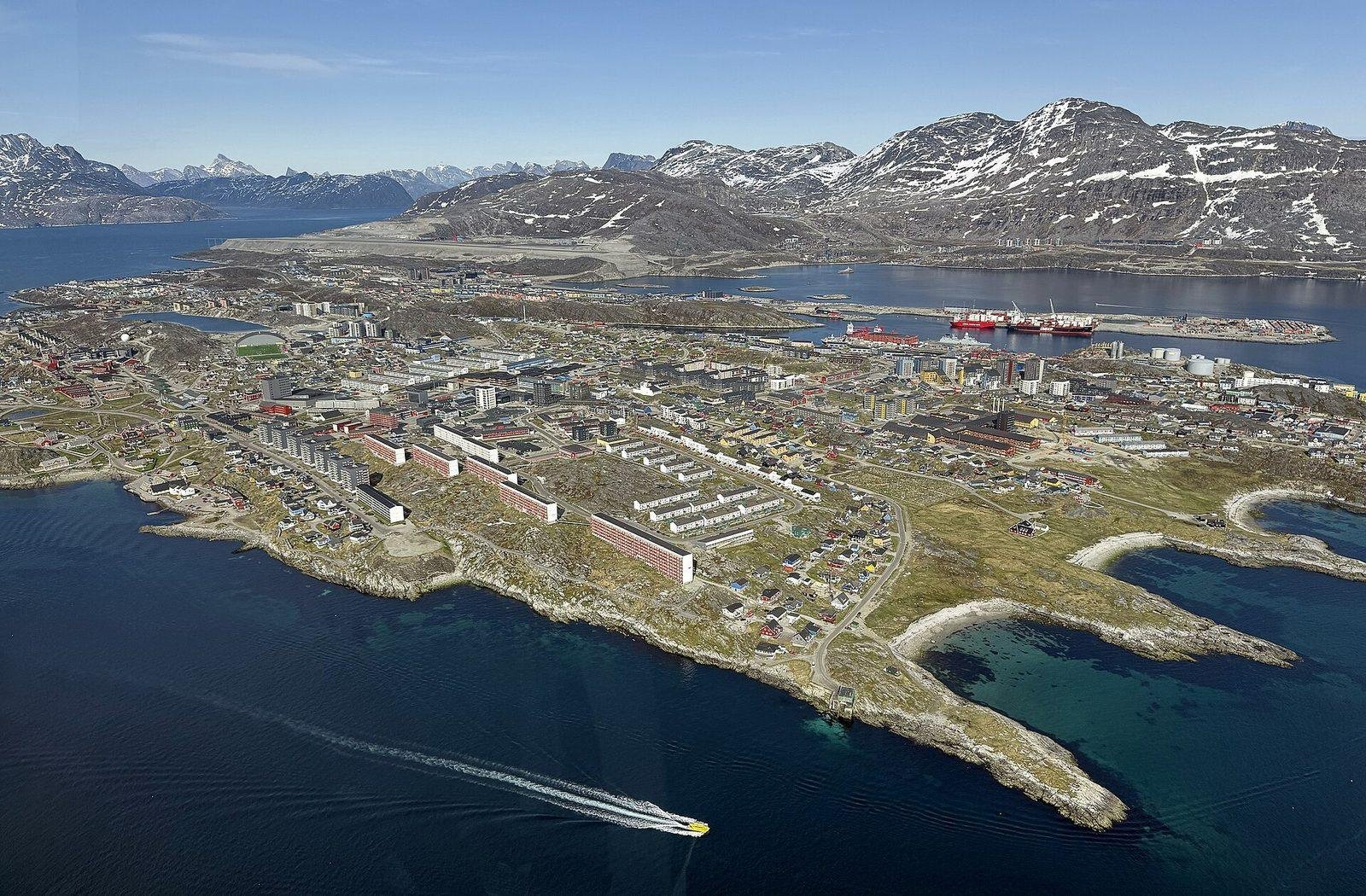
The agreement updates and supplements a defence accord dating back to 1951, which has governed the American military presence in Greenland since the early years of the Cold War. Its core is a wider American military footprint on the island, which sits on the shortest route between Europe and North America and hosts the northernmost US base, Pituffik Space Base in the north-west.
Under the deal, the United States will be allowed to expand and modernise its activities at Pituffik, and to establish defence areas at other sites — including Narsarsuaq in the south and Mestersvig on the east coast — subject to mutually agreed technical arrangements. Denmark’s Defence Minister Jeppe Bruus told Reuters that the signatories would now start work on plans for two new US military bases, as outlined in the agreement, and on a new Greenland law to screen outside investors on security grounds.
The text also gives the United States underwater access to Greenland and specific permission to construct a missile defence system on the territory — the “Golden Dome” system championed by President Trump. At the same time, it explicitly recognises Greenland as an equal partner in the arrangement, a point that mattered deeply in Nuuk, and, according to secondary summaries of the deal, it bars countries outside the European Union and NATO from strategic sectors in Greenland.
The pact trades access for reassurance: Washington gets a bigger military role in the Arctic, while Copenhagen and Nuuk get written guarantees that Greenland stays Danish and Greenlanders keep the right to decide their own future.
From Threats to a Signature
The agreement exists because, for most of 2026, the alternative looked like a rupture. President Trump repeatedly threatened to take control of the mineral-rich island, and his refusal in January to rule out military or economic force to acquire it triggered a diplomatic crisis within NATO and months of intensive negotiations.
For Greenlanders, the pressure was personal as well as political. Naaja Nathanielsen, a Greenlandic member of the Danish parliament, told Reuters that Mr Trump’s pressure had bred distrust towards the US administration. “It’s been really difficult for Greenlanders these past two years. It’s been seeping into every aspect of our lives,” she said. She hoped the agreement would open a path to dialogue after hurtful rhetoric within the Western alliance.
The deal signed in September was the product of those negotiations — a compromise that gave Washington much of what it said it wanted on security, without giving it the island itself. Thursday’s unanimous vote was, in effect, Denmark’s answer to the question that has hung over the Arctic all year: whether the crisis would end in a break, or in a bargain.
What Greenland Gets — and What It Fears
For Greenland, the pact is a double-edged outcome. On one side, it locks in recognition as an equal partner, reaffirms self-determination, and brings the promise of investment screening to keep hostile outside influence out of strategic sectors. On the other, it invites a larger American presence onto an island whose people have spent two years watching their homeland discussed in Washington as a piece of real estate.
That tension was the subtext of the expert reaction in Copenhagen. Mikkel Vedby Rasmussen, a political science professor at the University of Copenhagen, said the deal was more likely a beginning than an end. “With the treaty in hand, the US will be able to demand greater influence on decisions that have security policy implications and on part of the extraction of strategic resources,” he said.
Other experts cautioned that the new agreement does not add as much American military access as the headlines suggest, pointing out that the northernmost US base is already in Greenland. The argument, in other words, is not settled: whether the pact is a modest update of a 1951 arrangement or the start of a much deeper American entanglement will only become clear as the bases, the investment law and the missile defence plans take shape.
The Bases, the Minerals and the Money
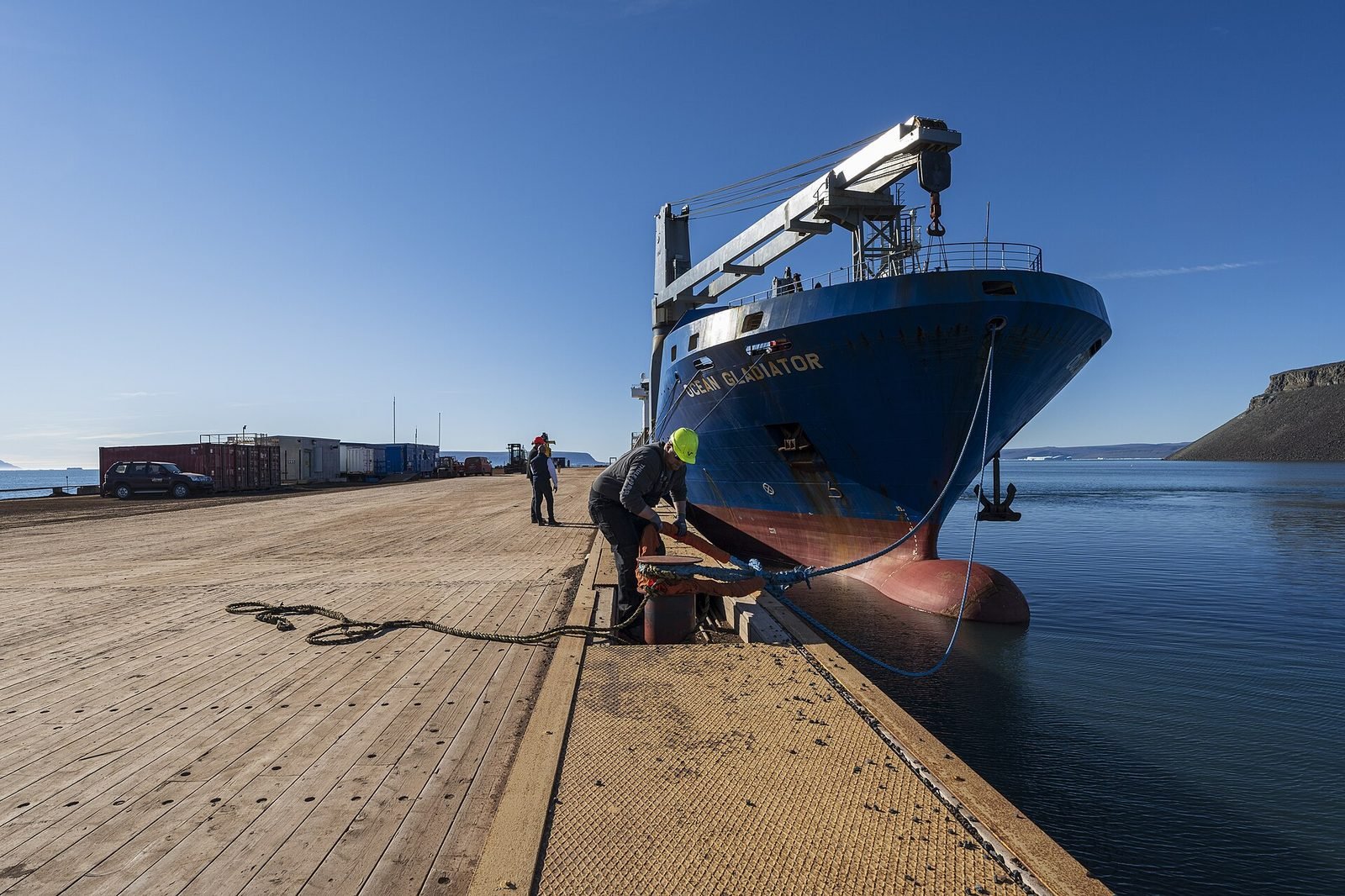
The most contentious questions now move from parliament to the ground. Mr Trump said last month that “massive oil, gas and mineral exploration” was set to begin on Greenland — a statement that sits uneasily with the territory’s ban on new drilling for crude oil. Denmark has said any resource extraction must respect local law.
The defence minister’s expectation that Washington will now “start to be more concrete on the purposes and the arrangement” around the two new areas signals that the hardest negotiations may still lie ahead: exactly what the United States will build, where, and under whose rules.
- Pituffik Space Base: the existing US base in north-west Greenland, to be expanded and modernised.
- Narsarsuaq: a site in southern Greenland identified for a new US defence area.
- Mestersvig: a site on the east coast identified for a new US defence area.
- Investment screening: a new Greenland law, now to be drafted, to vet outside investors in strategic sectors on security grounds.
- Golden Dome: US permission to establish a missile defence system on Greenlandic territory.
The vote settled who decides Greenland’s security future. It did not settle what that future will look like on the ground — and the arguments over bases and minerals are only just beginning.
A Wider Arctic Contest
Greenland matters because the Arctic matters more than it has in decades. Melting sea ice is opening shipping routes, great powers are competing for minerals and strategic position, and the island sits directly on the shortest route between Europe and North America. The security pact is, at its heart, an answer to that competition — an attempt to settle, inside the Western alliance, a question that Russia and China have been watching closely.
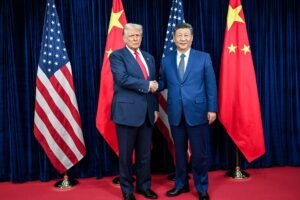
The vote also came in a week of intense great-power diplomacy. Donald Trump, Xi Jinping and Vladimir Putin met in Shenzhen for the first-ever trilateral summit, a meeting that underlined how much of today’s geopolitics is now negotiated leader-to-leader, in person — and how quickly the understandings reached in those rooms can reshape the map.
What Happens Next
The immediate step is procedural: Denmark’s foreign ministry must formally notify Washington that the parliamentary process is complete, at which point the agreement enters into force. Then the practical work begins — the technical arrangements for the new defence areas, the drafting of Greenland’s investment-screening law, and the first concrete American plans for the two new bases and the missile defence system.
For Denmark, the hope is that the vote normalises a relationship that has been anything but normal this year. For Greenland, the hope is narrower and more human: that an agreement signed about its future, in a city thousands of miles away, turns out to be one its people can live with.
By The BNN Media
The Best News Network
News Beyond the Borders