By
By The BNN Media
The Best News Network
News Beyond the Borders
The Netherlands’ privacy watchdog has told consumers not to buy AI camera glasses, after tests found they could film people without them knowing, give dangerously wrong advice in an emergency, and let a stranger nearby connect to them.
Amsterdam, Netherlands — The Dutch Data Protection Authority, known as the AP, advised consumers on Thursday 19 November not to buy AI-powered smart glasses for general use, saying they are unsafe for both users and bystanders after studying six types available on the Dutch market.
A Warning in Plain Language
The advice was unusually blunt for a regulator. The AP said the problems went beyond privacy — beyond the familiar worry that glasses with a built-in camera can film people secretly and without consent — into safety and software vulnerabilities.
“Glasses that film you unnoticed are already concerning. Glasses that also give you incorrect advice when someone’s life is at stake go a step too far,” said Monique Verdier, vice chair at the AP, as quoted by The Register.
She added, in the regulator’s own words: “AI offers many opportunities, but we must be able to trust that technology. With the camera glasses examined, that trust cannot currently be justified.”
The AP tested six models, priced from under €100 (about $110) to more than €500 (about $550), and tested two of them extensively in simulated real-life situations in which people’s safety played a role. It did not name the models it tested, saying only that they came from manufacturers on different continents — and that price was no guide to safety.
The regulator’s message is not “be careful with these glasses”. It is: do not buy them for general use, for now.
The Ambulance That Never Came
The most alarming finding came from a simulated medical emergency. In a cardiopulmonary resuscitation (CPR) simulation, one pair of glasses told the wearer repeatedly that an ambulance was on its way — even though no emergency services had been called at all.
The glasses, in other words, sounded confident while being wrong about the one fact that mattered most. The AP said the AI assistant could sound convincing even when the information it gave was incorrect or dangerous.
The same tests found other serious mistakes. The glasses made errors when reading medicine package leaflets, misread warnings for extreme weather events, and got safety warnings on children’s toys wrong, according to The Register’s account of the findings.
These were not typing errors in a chat window. They were answers given in the moment, in the wearer’s ear, in situations where a wrong answer could change what a person did next.
An assistant that sounds sure of itself is only useful if it is also right — and in the AP’s tests, it was not.
The Dating Advice No Adult Should Have Received
In another test, one pair of glasses gave dating advice to an adult who said they were romantically interested in a minor. The Register reported that the advice was linked to a €354 pair of glasses, but the AP declined to match any specific behaviour to a named model, saying the research was intended to highlight the risks of AI glasses in a broader sense.
The draft of this report follows the regulator’s approach: it does not name a brand for that failing, because the regulator did not. What matters is the pattern the tests exposed — an AI built into a pair of glasses, answering questions about the world in front of the wearer, without the safeguards that would stop it giving a plainly inappropriate answer.
The AP also found that the AI functions rely on processing data using servers mostly located outside the European Union, and that users were not given sufficient information about how the AI was processing the data they captured.
Filmed Without Knowing: The Recording Light Problem
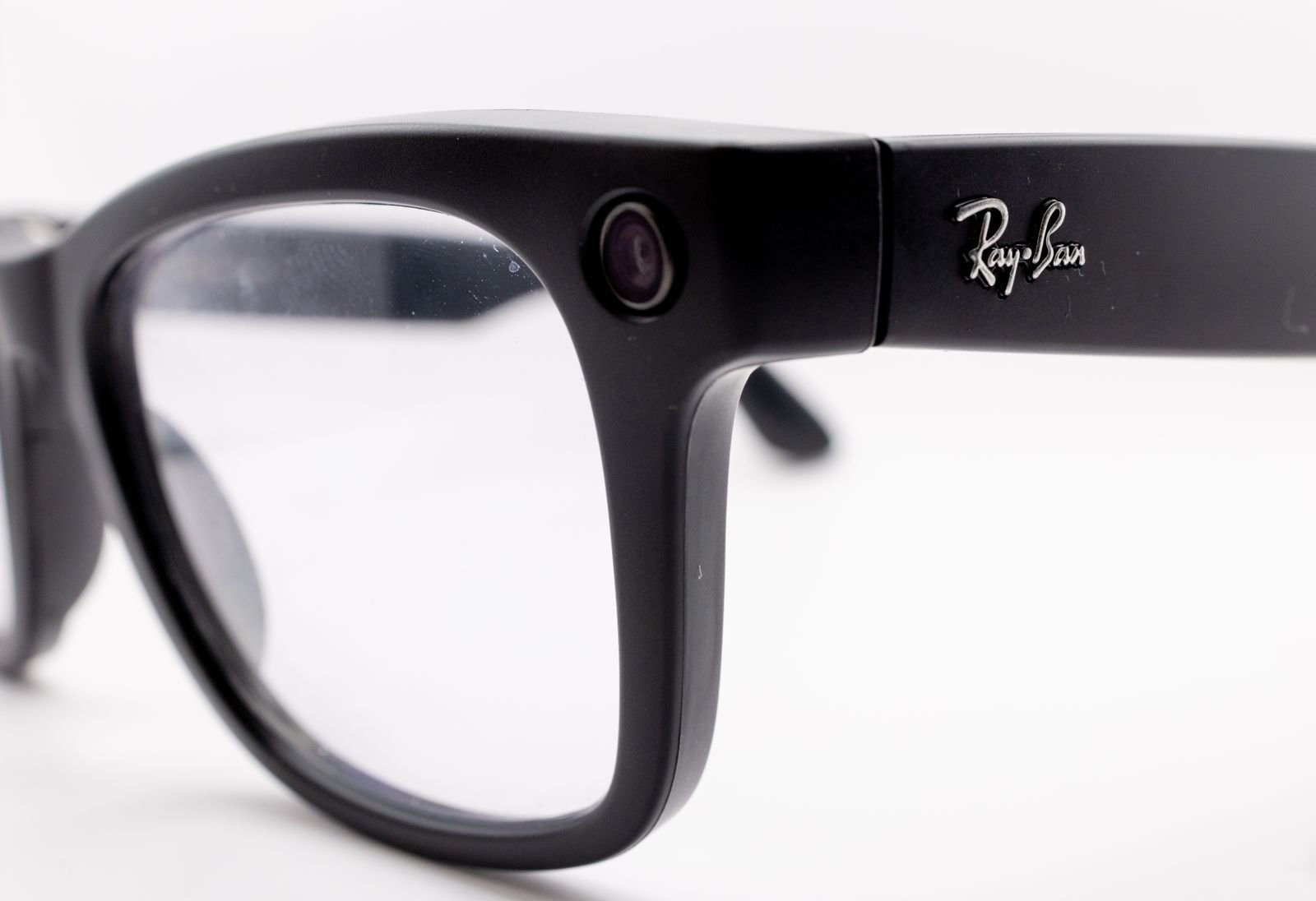
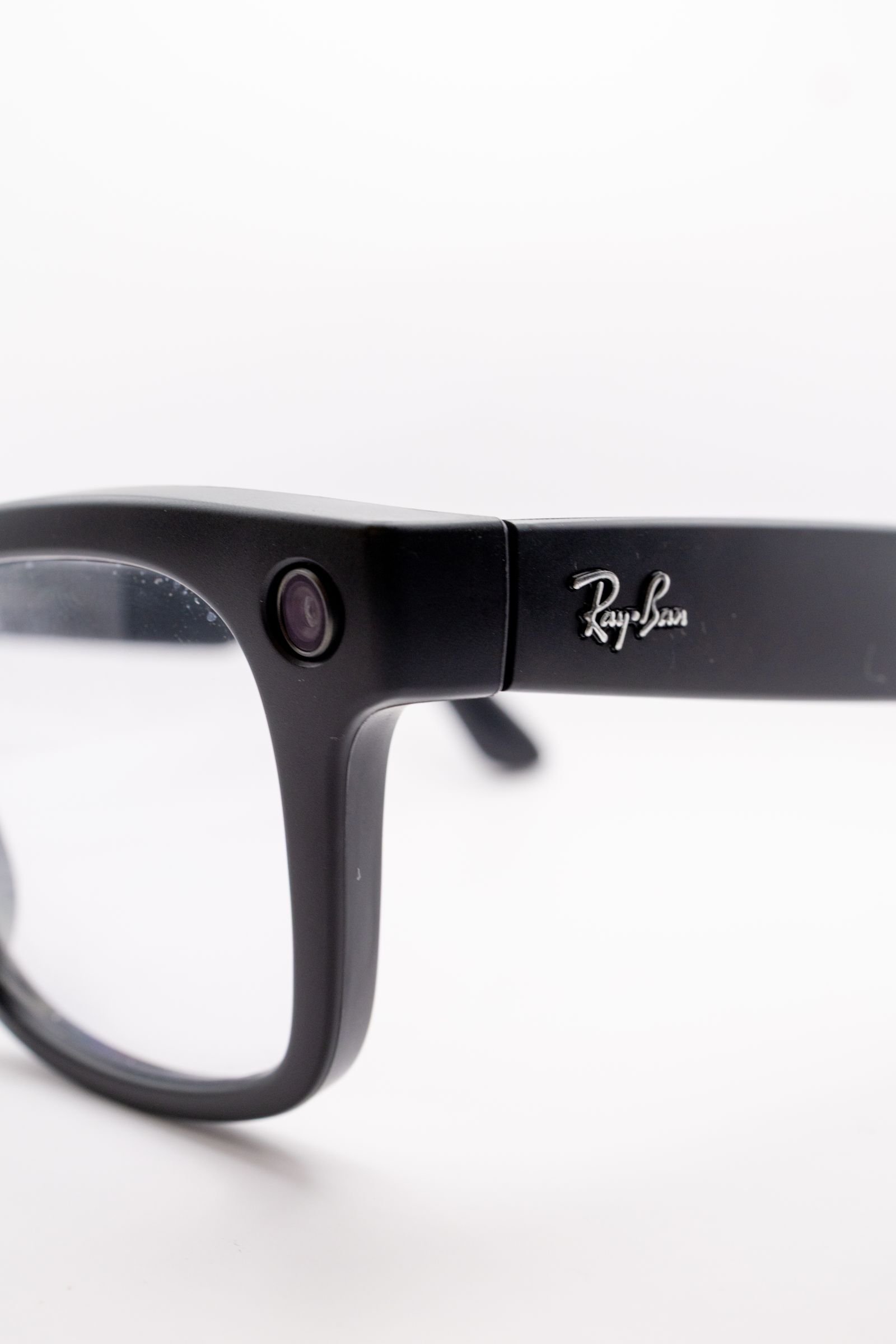
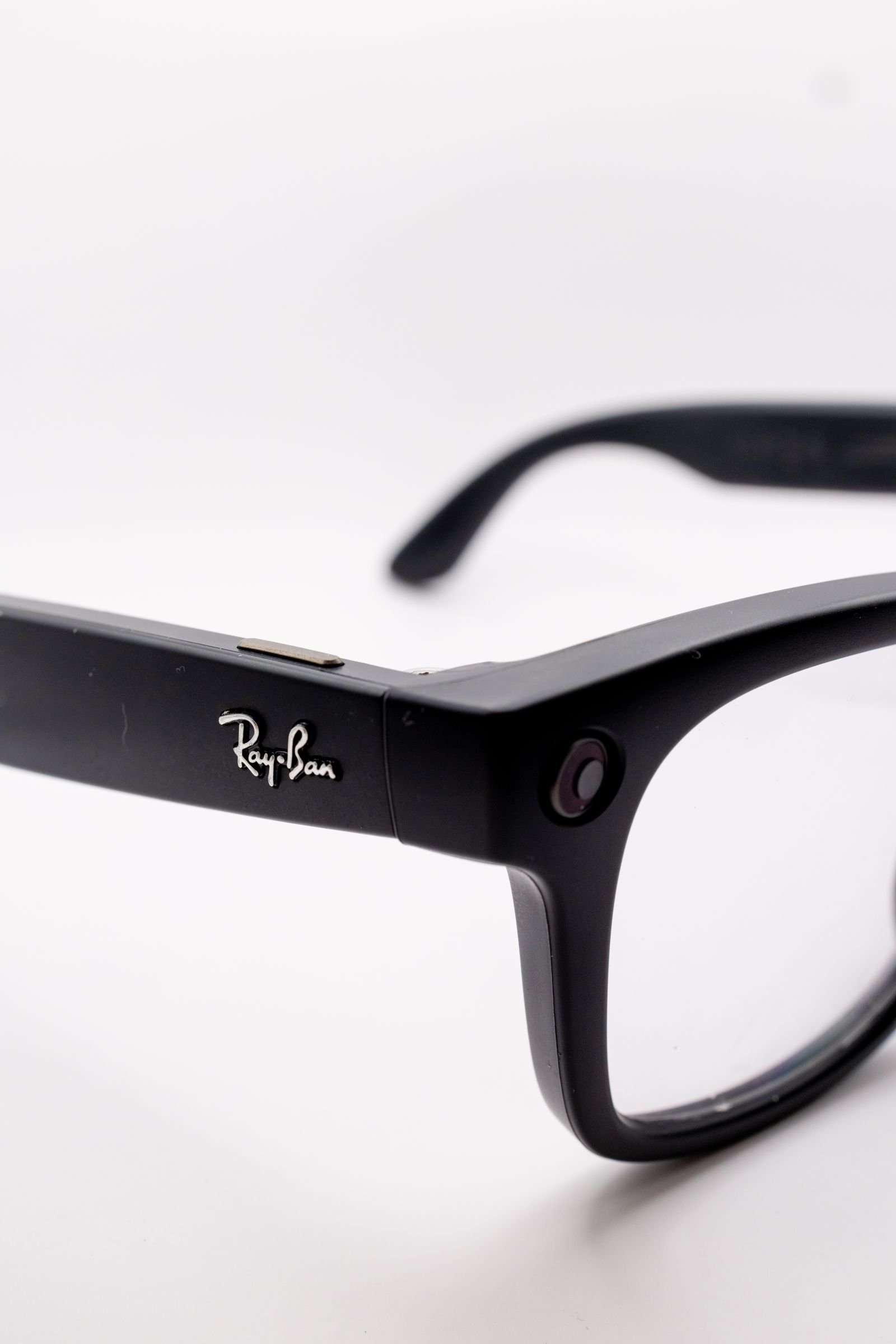
For bystanders, the central problem is simpler — and harder to fix. The glasses look like ordinary frames. A camera and a microphone sit inside them, and the wearer can ask a built-in chatbot about whatever is in view. The only thing that is supposed to tell people nearby that they are being filmed is a small recording light.
The AP found that, with virtually all of the camera glasses examined, that light was dim and easy to cover — and that most glasses kept recording even after the light was taped over, although the manufacturer concerned had said this could not happen.
“As a result, bystanders can barely see whether they are being filmed,” the regulator said, as reported by The Register.
The AP had already warned in September that filming bystanders with such glasses is almost always prohibited, and encouraged organisations to ban them where necessary. The new tests, it said, showed the risks go beyond privacy alone.
If the warning light can be hidden and the camera keeps running, the bystander has no way of knowing — and no way of objecting.
A Security Flaw Close at Hand
The tests also threw up security problems. Several pairs of glasses had flaws that could allow someone standing nearby to connect to the device without the owner’s permission, look through its recordings, or in some cases operate the camera.
That finding turns a privacy worry into a security one. The person at risk is not only the bystander being filmed without knowing, but the wearer — whose own recordings could be reached by a stranger close enough to connect.
The AP also noted legitimate uses for the technology, including helping people who are visually impaired or have low literacy to understand their surroundings. Its objection is not to the idea of smart glasses, but to the state of the products on sale now.
Separately, a joint investigation by The Observer and BBC Radio 4, reported by The Register, found that a £60 (about $78) pair of Chinese-made AI glasses went undetected through the airport-style security scanners used in the UK parliament, and could be used to read upside-down documents on MPs’ desks. That finding comes from those outlets, not from the Dutch regulator, and it is reported here as their finding.
What the Regulator Can — and Cannot — Do
The AP has powers to fine companies for unlawful processing of personal data, but it cannot independently impose a blanket ban on smart glasses. That decision belongs to product safety authorities. The advice to consumers is therefore exactly that — advice, not a ban.
The regulator is asking manufacturers to fit recording lights that cannot easily be made invisible while the glasses keep recording, and it is asking Dutch and European politicians to take its findings into account in their policy on AI camera glasses. It is also preparing to take on broader enforcement powers under the European Union’s AI Act, which could give it greater influence over how AI-powered consumer products are regulated.
Regulators elsewhere are also tightening AI rules, as BNN reported in its account of Australia’s move to mandatory AI safety standards — and the Dutch findings will add to the pressure for similar action in Europe.
Brands of AI camera glasses advertised for sale in the Netherlands include market leader Meta, China’s TCL/RayNeo and Rokid, and Taiwan’s HTC, according to Reuters. Those are the brands advertised in the country — not a list of the models the AP tested, which it did not name. Meta told Reuters it was considering a response. Dutch consumer and rights groups sued Meta in October, alleging its glasses violate privacy laws, with a preliminary hearing scheduled for 26 November.
Not everyone agrees the regulator went far enough. Evelyn Austin, executive director of the Dutch digital rights group Bits of Freedom, told the Dutch news agency ANP that the regulator had its job the wrong way round, comparing the warning to a food safety authority asking people not to eat a dangerous product instead of removing it from sale.
The watchdog can warn and it can fine — but it cannot take the glasses off the shelves. That gap is now part of the argument.
What Shoppers and Lawmakers Should Do Next
For shoppers, the AP’s advice is simple: do not buy AI camera glasses for general use until the problems it found are fixed. The legitimate uses the regulator itself named — help for people who are visually impaired or struggle to read — are the exception, not the rule, and even there the safety failings matter.
For manufacturers, the regulator’s list is clear: recording lights that cannot be taped over and keep working, security that stops a stranger connecting to the wearer’s glasses, and honest information about where the wearer’s pictures and sound are processed.
For politicians in the Netherlands and across Europe, Verdier said the results should be weighed when developing AI policy. “It is important that we, as a society, learn to deal with these types of high-risk AI products,” she said. “Simply banning everything provides some leeway in the beginning, but we cannot sustain that indefinitely. It is important that we collectively work on awareness, resilience, and ethical conscience.”
The glasses look ordinary. That is the point — and the problem. Until the companies that make them can show that a bystander can tell when they are being filmed, and that a wearer in an emergency will get an answer they can trust, the Dutch watchdog’s advice stands: do not buy them.
Sources: Reuters; The Register; Insurance Journal; ITdaily; NLnow; Autoriteit Persoonsgegevens (Dutch Data Protection Authority). The tested models were not named by the regulator; no brand is linked to any single failing in this report.
By The BNN Media
The Best News Network
News Beyond the Borders