By
By The BNN Media
The Best News Network
News Beyond the Borders
All three patients worked on dairy farms in Yakima County, and the death is the first reported anywhere in the world after exposure to infected dairy cattle — but health officials say the risk to the general public remains low.
Geneva, Switzerland — The World Health Organization (WHO) said on Tuesday that the United States had notified it of three laboratory-confirmed human infections with bird flu in Washington State, including one death — the first reported death anywhere in the world following exposure to infected dairy cattle or a related contaminated environment.
Three workers, one county, one fatal case
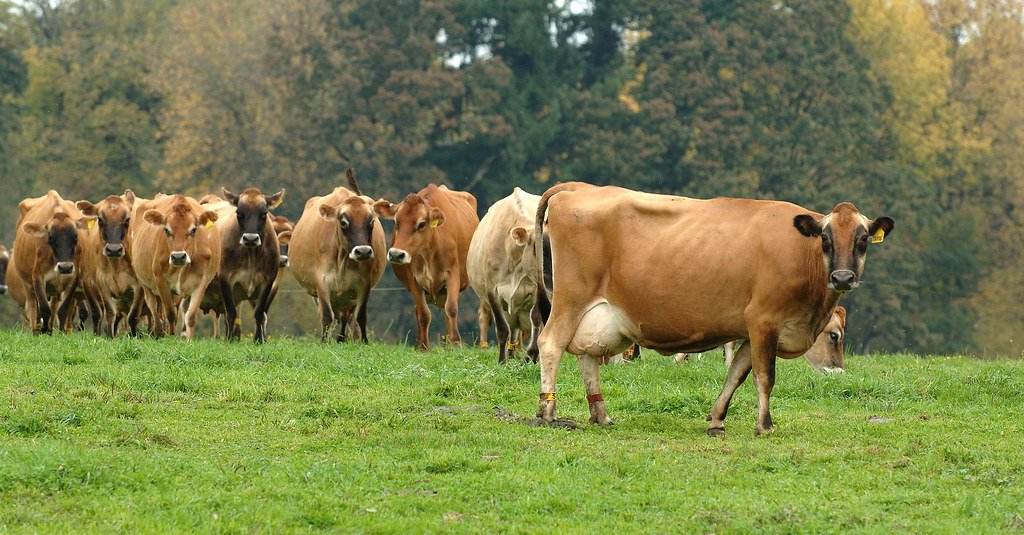
All three cases were adults who worked on dairy cattle farms in Yakima County, Washington State, a major agricultural and dairy-producing area where the highly pathogenic avian influenza A(H5N1) virus had recently been detected in dairy cattle. The United States notified WHO of the cases between 16 October and 4 November 2026.
The first case developed symptoms on 5 October — eye irritation, a runny nose, muscle aches and a headache — and sought medical care on 12 October. The patient was not hospitalised and was offered treatment with the antiviral oseltamivir.
The second case, who had underlying medical conditions, developed respiratory symptoms during the week ending 24 October, was taken to an emergency department the following week, was hospitalised with severe illness, and died on 1 November.
The third case developed conjunctivitis, sought medical care, and recovered without hospitalisation.
Genetic sequencing confirmed that all three infections were caused by the H5N1 virus, with sequences highly similar to those of viruses detected in dairy cattle in Washington State. The viruses belonged to H5 haemagglutinin clade 2.3.4.4b, genotype B3.13. According to the US Department of Agriculture, genetic analysis indicated that the virus was introduced from the neighbouring state of Idaho, likely through cattle movement.
Two of the three patients had mild illness and recovered at home. The third, who had underlying health conditions, became severely ill and died — a reminder that the same virus can behave very differently from one person to the next.
A first of its kind
The WHO report states plainly that the fatal case is the first death reported globally following exposure to infected dairy cattle. The death is also the first known person in the United States to die from bird flu in 2026, and the third in the country to die from bird flu since February 2024, when the virus first jumped into dairy cattle, according to CNN.
As of 20 November 2026, a total of 75 human cases of influenza A(H5) virus infection, including the three in Washington, had been reported in the United States since 2024, the WHO said. The US Centers for Disease Control and Prevention (CDC) reports the same total of 75 human H5 infections since February 2024, and says seven were detected through national flu surveillance and 68 through monitoring of exposed people.
The outbreak in Washington’s cattle began suddenly. Until 8 October this year, no dairy herd in Washington had ever tested positive for highly pathogenic avian influenza. That day, the state confirmed the virus in two herds in Yakima County. By 2 November, 33 dairy herds infected with H5N1 had been reported in the state, according to CNN, after the virus was found through milk testing by the Washington State Department of Agriculture and the US Department of Agriculture.
No sign of spread between people
Based on the information available to date, the WHO said there is no evidence of human-to-human transmission associated with these cases. It assesses the risk to the general population posed by A(H5N1) viruses as low, while the risk for people with occupational exposure to the virus is considered low to moderate.
That assessment matters because it is the question health officials are asked first whenever a new human case appears. Human infections with avian influenza viruses are unusual — the viruses primarily circulate in animals — but sporadic human infections can occur after direct contact with infected animals or exposure to contaminated environments. The WHO notes that human infection can range from mild conjunctivitis or upper respiratory symptoms to severe, life-threatening illness.
Public health investigations are continuing. Federal, state and local authorities are monitoring the close contacts of the confirmed cases, testing symptomatic exposed people, and monitoring others exposed to infected dairy cattle or contaminated environments. The WHO said additional information on the number and type of contacts being followed was not available at the time of publication.
No human-to-human transmission has been identified in the United States, and none of the three Washington cases is known to have passed the virus to anyone else.
Oregon reports its first human case of the year
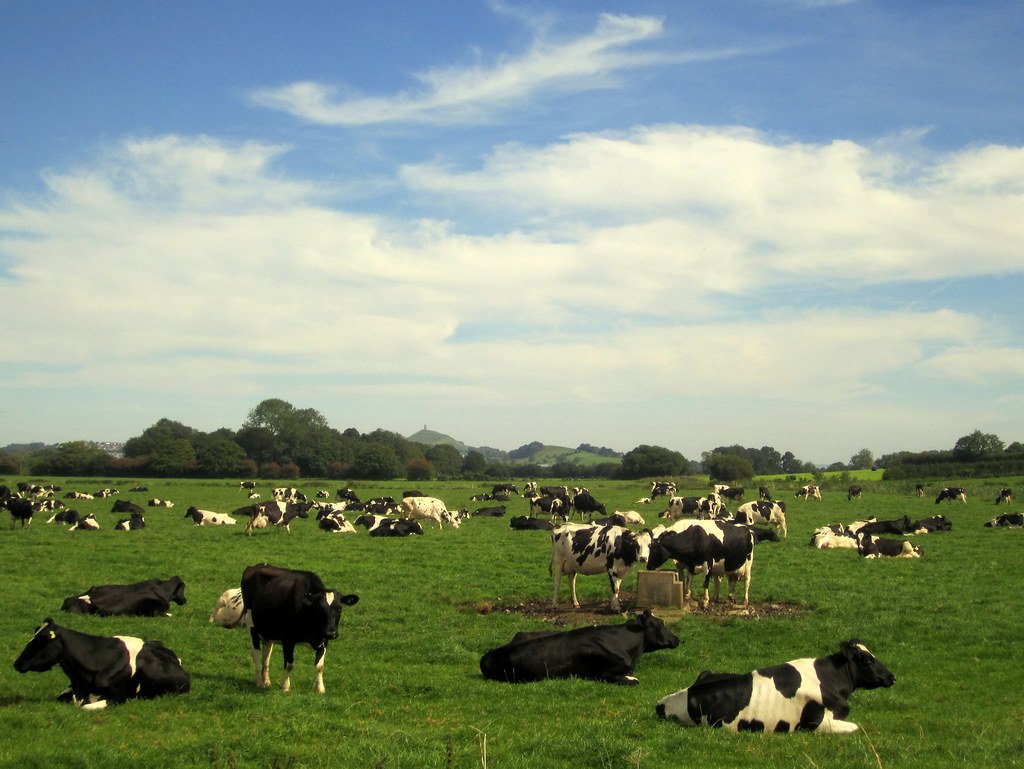
The Washington cases are not the only ones in the Pacific Northwest. On 19 November, the Oregon Health Authority confirmed the state’s first human case of highly pathogenic avian influenza of 2026, in a person linked to an outbreak among cattle at a Morrow County dairy farm.
The person developed mild symptoms — conjunctivitis and upper respiratory issues — was treated promptly with the antiviral oseltamivir, and did not require hospitalisation. The Oregon State Public Health Laboratory confirmed the infection on 18 November. Genetic sequencing indicates the Morrow County outbreak is connected to the ongoing outbreak in Washington’s Yakima Valley, according to the farming publication Dairy Herd.
Oregon’s health officials said they were able to detect the case quickly and offer preventive treatment to the person’s household members out of an abundance of caution. It was the first known transmission in Oregon from a cow to a person; the state’s only previous human case of bird flu, in 2024, was linked to a commercial poultry outbreak.
How workers are being protected
In Yakima County, public health workers reached out to affected farms after the first cattle detections and enrolled dairy workers in a text-based health screening tool that checks daily for symptoms including cough, fever and red eyes. Workers who report symptoms are followed up, tested, and given antiviral medication.
“We’re throwing a large net so that we capture everybody that potentially could be getting exposed, and then we’re able to focus our attention on those individuals that are exposed, and then we get them treated,” Dr Dave Atteberry, the public health officer for the Yakima Health District, told CNN last month.
Workers who test positive are given antiviral medication with the aim of treating their symptoms and lowering their viral load, to reduce any chance of passing the virus on. “Even though we haven’t seen that biologically be possible yet,” Atteberry said. “We’re doing it out of an abundance of caution.”
The WHO’s advice to exposed workers is consistent: use appropriate personal protective equipment, follow recommended infection prevention measures, and seek testing promptly if respiratory symptoms or conjunctivitis develop after exposure. The US CDC recommends monitoring people exposed to infected birds or animals for symptoms for up to 10 days after their last exposure.
There is a counterpoint, however. The United Farm Workers union said on 10 November that it had spoken with Yakima Valley dairy workers who reported symptoms consistent with avian influenza but had not been tested, and that many more workers were infected than the three people officials count. That claim has not been verified by health officials, and the union says it has no reports of human-to-human spread among the workers it contacted. It is a reminder that confirmed case counts depend on testing — and testing depends on workers coming forward.
Bird flu is not seasonal flu
It is important not to confuse this outbreak with ordinary winter flu. H5N1 is a subtype of influenza A that primarily infects wild and domestic birds and only occasionally spreads to mammals, including humans. Seasonal flu, by contrast, spreads easily from person to person every winter — and seasonal flu activity in the United States has itself been running unusually high for November this year.
The WHO’s advice on food safety is clear: consumption of raw or unpasteurised milk and raw milk products should be avoided, because the virus has been detected in dairy cattle. Pasteurised milk and milk products can be consumed safely, and where pasteurised milk is not available, heating raw milk until it boils makes it safer. Eggs, poultry meat and other poultry products should be properly cooked and handled.
Experts are also watching a wider risk. Dr Jennifer Nuzzo, who directs the Pandemic Center at Brown University’s School of Public Health, told CNN that the bird flu uptick at dairies, coinciding with the very early circulation of seasonal influenza on the Pacific Coast, sets the table for the H5N1 virus to swap pieces of its genome with seasonal flu viruses. “That is the bad scenario,” she said. “When you have an uptick in bird flu activity corresponding with human flu season, that just increases my worry even more that we could have a mix that we don’t want to have.”
There are currently no readily available vaccines against influenza A(H5) virus for humans, the WHO said, and existing seasonal influenza vaccines are unlikely to provide protection against avian influenza A(H5) viruses. Candidate vaccine viruses for pandemic preparedness have been selected against several H5 clades.
What happens next
The WHO says the situation may change as more information becomes available, and it continues to monitor the virus and the global epidemiological situation closely. It has not advised special screening at points of entry in relation to this event, and it does not currently recommend any travel or trade restrictions.
For the general public, the message from health officials is steady: the risk remains low, pasteurised milk is safe, and there is no evidence the virus is spreading between people. For dairy workers in Washington and Oregon, the message is different and more urgent — wear protective equipment, report symptoms early, and get tested, because early antiviral treatment is the best protection available.
The death in Yakima County is a first, and that is why the WHO reported it to the world. Whether it remains an isolated tragedy or the start of a wider pattern will depend on what happens in the herds, in the milking sheds, and in the weeks of monitoring still to come.
One death, three cases, and a virus that has now reached dairy cattle in 22 US states: the risk to the public is low, but for the workers closest to the animals, vigilance is the only defence.
By The BNN Media
The Best News Network
News Beyond the Borders