 By
An experimental cancer vaccine has extended survival by more than nine months for patients with relapsed acute myeloid leukaemia who cannot have a stem-cell transplant, meeting its main goal in a landmark Phase 3 trial — though the results are still early and the treatment is not yet approved.
By The BNN Media
The Best News Network
News Beyond the Borders
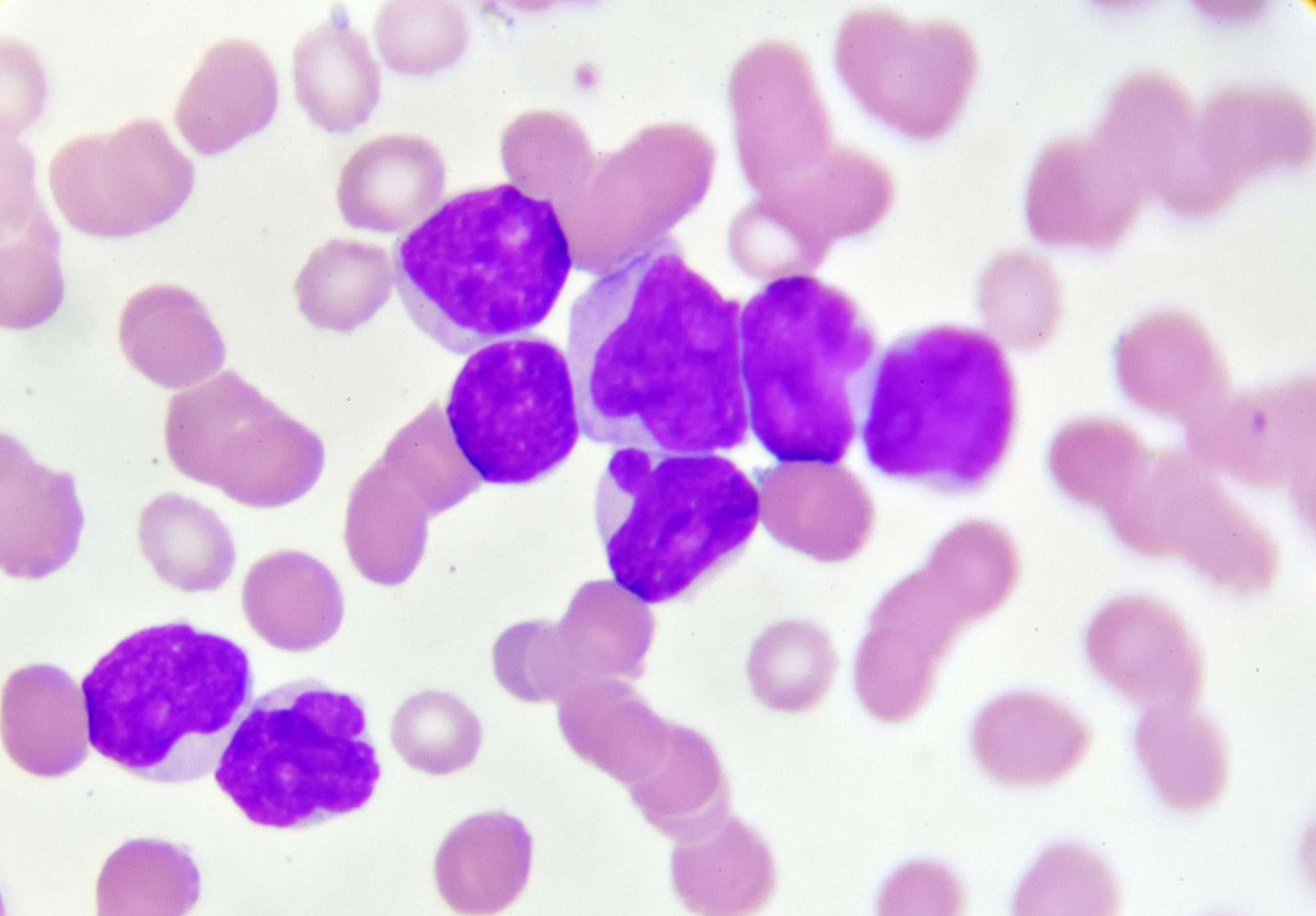
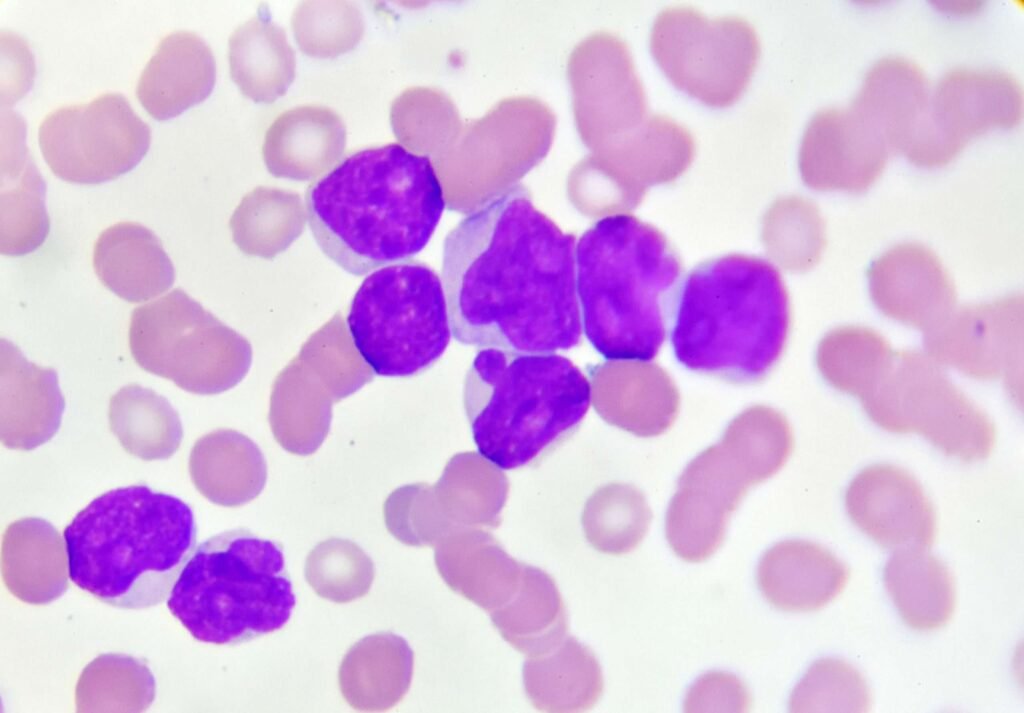
New York, United States — An investigational cancer vaccine has cut the risk of death by 41 per cent for patients with relapsed acute myeloid leukaemia (AML), its developer SELLAS Life Sciences announced on Tuesday, 17 November, after the treatment met the main goal of its pivotal Phase 3 REGAL trial. Patients given the vaccine, galinpepimut-S (GPS), lived for a median of 24.0 months, compared with 14.7 months for patients who received the best available treatment chosen by their doctors.
The Result in Brief
The REGAL trial was a global, randomised, open-label study of 126 patients. Half received GPS as maintenance therapy and half received investigator’s choice of best available treatment. The trial’s primary analysis was carried out after a pre-specified 80 deaths had occurred.
The headline figures, as reported by SELLAS and confirmed in independent medical coverage, were:
- Median overall survival: 24.0 months with GPS, against 14.7 months with best available treatment — a gap of 9.3 months.
- Risk of death: 41 per cent lower in the GPS group, a hazard ratio of 0.59.
- Statistical significance: two-sided p-value of 0.035, meeting the trial’s primary endpoint.
- Patients enrolled: 126, randomly assigned 1:1 between the two arms.
“REGAL has delivered on its primary objective, demonstrating a statistically significant and clinically meaningful improvement in overall survival for patients with AML who have very limited options after achieving a second remission,” said Angelos Stergiou, president and chief executive officer of SELLAS Life Sciences, in the company’s announcement.
The size of the survival gap is what makes this result stand out: nine extra months is a large gain in a disease where, for these patients, time is usually measured in months, not years.
Who Took Part in the Trial
REGAL focused on a group of patients with very few options. All of them had AML that had come back after earlier treatment. They had then achieved a second or later complete remission — or a complete remission with insufficient platelet recovery — after second- or later-line salvage therapy.
Crucially, every patient in the trial was ineligible for, or unable to undergo, an allogeneic stem-cell transplant — the intensive procedure that offers the best chance of a cure for many leukaemia patients but which many cannot have because of age, other illnesses or the lack of a suitable donor. For this group, there are few maintenance treatments designed to keep the leukaemia away once remission is reached.
Patients in the control arm received investigator’s choice of best available treatment, which could include observation alone or treatment with a hypomethylating agent, venetoclax, low-dose cytarabine, or combinations of those drugs. The trial excluded patients with acute promyelocytic leukaemia, active disease in the central nervous system, or a planned near-term transplant.
How the Vaccine Works
Galinpepimut-S is not a preventive vaccine like the ones given against infections. It is a therapeutic vaccine — a treatment designed to train the patient’s own immune system to attack leukaemia cells that remain in the body after chemotherapy.
The vaccine targets WT1, a protein that is expressed by AML cells. It is made of four WT1-derived peptides designed to stimulate CD4-positive and CD8-positive T-cell responses against WT1-expressing cancer cells. It was developed at Memorial Sloan Kettering Cancer Center, which also issued its own announcement of the results on 17 November, and is licensed to SELLAS.
Because GPS uses a standardised formulation, each dose can be produced without having to design a vaccine from an individual patient’s own tumour sample — a practical advantage over personalised cancer vaccines, which must be made afresh for every patient.
An earlier Phase 2 study tested the vaccine in adults in first complete remission. REGAL moved the investigation into a later-remission population — patients who had already relapsed once — and used a randomised comparison to test whether the vaccine could extend survival.
The idea is simple to state and hard to achieve: teach the immune system to recognise and destroy the last leukaemia cells before they can grow back.
Safety: Mostly Mild Side Effects
According to SELLAS, treatment-related side effects with GPS were predominantly mild to moderate — grade 1 or 2 — with local reactions at the injection site occurring most often. The company said it identified no new safety signals, and the safety profile was consistent with earlier clinical experience of the vaccine.
Few patients in the trial went on to receive a transplant during the study, and those who did were evenly distributed between the two groups, according to SELLAS. The topline announcement did not include detailed rates of more severe side effects or of patients stopping treatment, and those figures will matter when doctors weigh the vaccine against other options.
What the Numbers Do Not Yet Show
The results, while encouraging, come with important limits that SELLAS itself and independent experts have flagged. The announcement reported topline results only: the full data have not yet been presented at a medical meeting or published in a peer-reviewed journal.
Among the gaps:
- The company has not yet reported leukaemia-free survival — how long patients lived without the disease returning — or detailed findings on measurable residual disease, the tiny traces of leukaemia that tests can detect after treatment.
- The announcement did not report a confidence interval for the hazard ratio, so the precision of the 41 per cent figure cannot yet be judged.
- No breakdown was given of how many control-arm patients received each treatment — observation, a hypomethylating agent, venetoclax or low-dose cytarabine — so it is not yet clear whether the benefit held up against active treatment as well as against observation alone.
- The trial was open-label, meaning patients and doctors knew who was receiving the vaccine, and the control arm combined several different options, which makes comparison with any single therapy difficult.
“The phase 3 REGAL results are encouraging, particularly given the limited maintenance options available for patients with AML who achieve a second or subsequent remission but are unable to undergo allogeneic stem cell transplantation,” Sanja Zepcan, a haematology and oncology clinical pharmacy specialist at Loyola University Medical Center, told Pharmacy Times. She added that understanding outcomes by control treatment, measurable residual disease status and immune response would be essential to judging how broadly the findings can be applied.
Until the full results are published, the survival benefit is a promising topline finding, not a settled fact.
What Happens Next: The Road to Approval
SELLAS said it plans to meet with the US Food and Drug Administration (FDA) to discuss an accelerated filing strategy, and it is preparing a biologics license application — the formal request for approval of a biological medicine — for submission in the first half of 2027. The company also said it plans to present the full results at a future medical meeting and submit them for peer-reviewed publication.
GPS remains investigational. It is not approved for use anywhere, and no patient can receive it outside a clinical trial. Even if the FDA accepts the application, approval is not guaranteed: the agency will examine the full data, including the secondary endpoints that have not yet been disclosed.
The regulatory path is a familiar one for new cancer medicines. The FDA has moved quickly on several new treatments in recent weeks, including approving Welgemda, the first ever treatment for a rare form of muscular dystrophy, and the agency’s view of the REGAL data will shape how fast GPS can reach patients, if it reaches them at all.
Why This Matters for Relapsed Leukaemia
AML is a fast-growing cancer of the blood and bone marrow. It progresses quickly, and while many patients achieve a first remission with intensive chemotherapy, the disease often returns. Once it has relapsed, the outlook is poor — especially for patients who cannot undergo a stem-cell transplant.
That is why maintenance treatments, given during remission to delay or prevent relapse, are so important — and why there are so few of them for this group. Oral azacitidine, for example, is approved as continued treatment after a first remission in adults who cannot complete intensive curative therapy, but it addresses a different, earlier setting than REGAL.
The REGAL result is also part of a wider run of positive early cancer-trial news. A pancreatic cancer pill combined with chemotherapy made tumours vanish in one in 12 patients in an early trial, as reported earlier this month — a reminder that oncology is producing a steady flow of results that still need larger trials before they change practice.
For patients and families living with relapsed AML, the GPS result offers something that has been in short supply: a new approach, tested in a randomised trial, that extended life by months rather than weeks. But the honest message from the data so far is a careful one. The trial was small — 126 patients — the full results are unpublished, and the key questions about who benefits most have not yet been answered.
If the full data hold up, galinpepimut-S could become the first maintenance vaccine for relapsed AML. For now, it is a strong signal — and a reason to watch the FDA meeting and the full results with close attention.
By The BNN Media
The Best News Network
News Beyond the Borders