 By
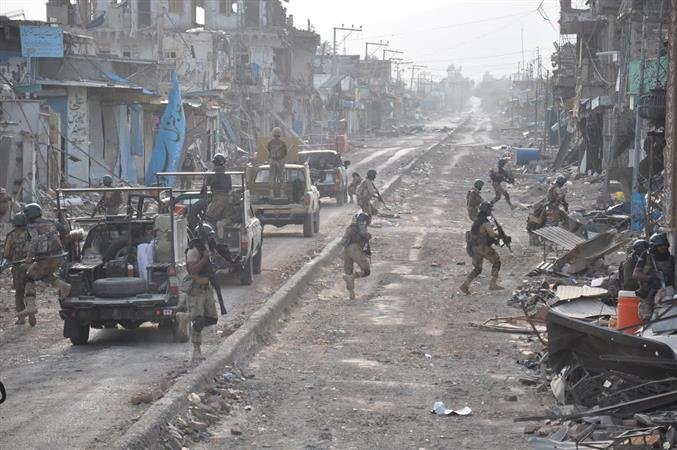
Pakistani security forces killed 22 militants in intelligence-based raids across three districts of Khyber Pakhtunkhwa over two days, the military said on Thursday, in the latest round of a counterterrorism campaign that has intensified sharply across the country’s northwest.
By The BNN Media
The Best News Network
News Beyond the Borders
ISLAMABAD, Pakistan — Pakistani security forces killed 22 militants during intelligence-based raids on hideouts in the country’s northwest near the Afghan border, triggering gunfights, the military said on Thursday. The operations were carried out over the past 48 hours in South Waziristan, Bannu and Tank districts of Khyber Pakhtunkhwa province, according to a military statement, and troops were still searching the areas for any remaining militants.
Where the Operations Took Place
The military’s media wing, the Inter-Services Public Relations (ISPR), said the operations were conducted on 16 and 17 November. The largest engagement took place in South Waziristan district, where troops launched an intelligence-based operation after receiving reports about the presence of militants. An intense exchange of fire followed, and 15 militants were killed there, the ISPR said.
In Bannu district, security forces engaged militant hideouts in two separate encounters, killing six more militants. A further militant was killed in an encounter in Tank district, bringing the total to 22.
The ISPR described those killed as members of what it calls the Indian-sponsored Fitna al-Khawarij — the military’s term for the banned Tehreek-e-Taliban Pakistan (TTP). The military alleged that the militants were backed by neighbouring India. New Delhi did not immediately comment on the claim.
The breakdown — 15 in South Waziristan, six in Bannu and one in Tank — comes from the military’s own statement and has not been independently verified.
The Allegation Against India
Pakistan has frequently accused Afghanistan and India of supporting the Pakistani Taliban and other militant groups, and both countries have denied the allegations. Thursday’s statement repeated that charge, with the ISPR describing the dead as belonging to an Indian-sponsored network.
President Asif Ali Zardari and Prime Minister Shehbaz Sharif separately praised the security forces for eliminating what they called “Indian-supported” militants and vowed to maintain the fight against militancy. Sharif said militants and their supporters would not be allowed to spread unrest in Pakistan, adding that the nation stood behind the forces fighting them.
India has consistently rejected Pakistan’s accusations of backing militancy, and no evidence supporting the claim was included in the material released with Thursday’s statement. The allegation therefore remains exactly that — the military’s claim, reported as such, not an established fact.
Readers should treat the foreign-backing claim with the same caution as the casualty figures: both come from one side, and neither has been independently confirmed.
A Campaign That Has Intensified
The raids form part of a counterterrorism campaign under the Azm-e-Istehkam vision, approved by the Federal Apex Committee on the National Action Plan. Only last week, the military reported that security forces had killed 74 militants over several days during operations against hideouts in the northwest and the southwestern province of Balochistan — including 35 in Mir Ali and eight in Orakzai, according to reports of that announcement.
Militant attacks targeting Pakistan’s police and security forces have increased sharply in recent years. Authorities have blamed most of the violence on the Pakistani Taliban, also known as Tehrik-e-Taliban Pakistan (TTP), and its allied groups.
The Pakistani Taliban is separate from, but allied with, Afghanistan’s Taliban, which took power in Kabul in 2021. Many TTP leaders and fighters are believed to be operating from sanctuaries across the Afghan border, putting further strain on relations between Islamabad and Kabul.
The pattern of the past two weeks — 74 killed last week, 22 more this week — shows a campaign operating at a tempo not seen for some time in the northwest, even as the underlying insurgency shows no sign of ending.
Why Khyber Pakhtunkhwa Bears the Brunt
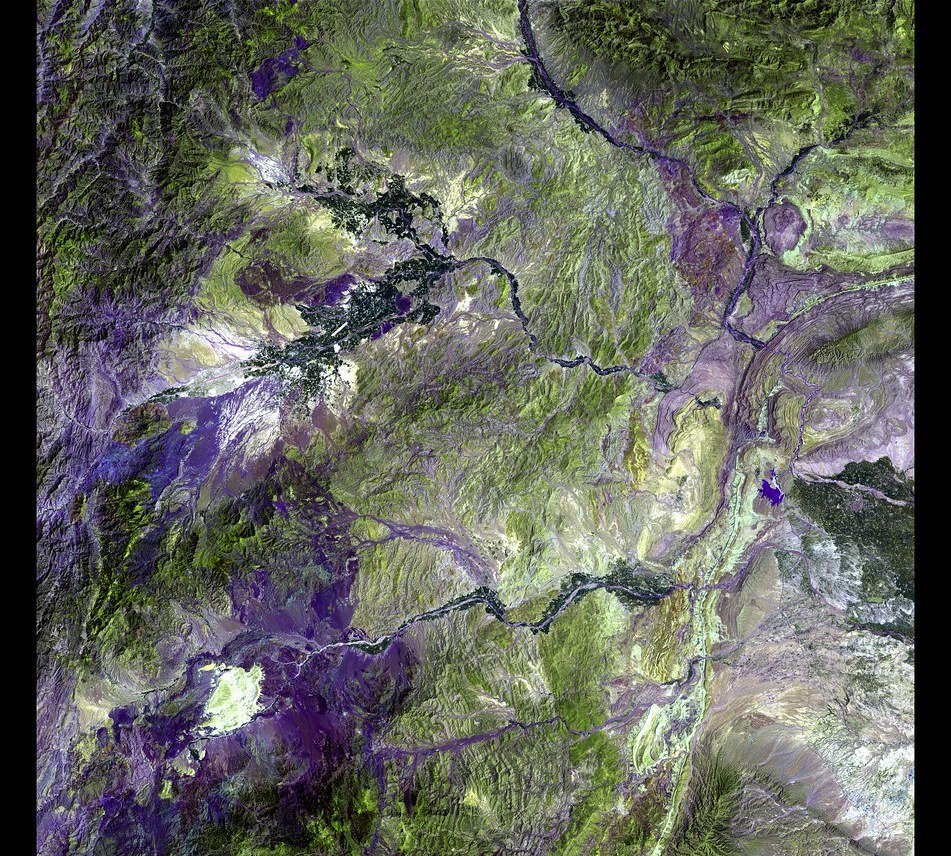
The three districts named on Thursday sit along or near the border with Afghanistan, in terrain that has sheltered militant networks for two decades. South Waziristan, the largest of the three operations, is a former tribal district of rugged hills and narrow valleys where state authority has always been contested and where militant hideouts are hardest to find.
According to a report by the Centre for Research and Security Studies (CRSS), cited in Pakistani press coverage of Thursday’s operations, Khyber Pakhtunkhwa and Balochistan remained the country’s main hotspots for violence during the second quarter of 2026, with Khyber Pakhtunkhwa emerging as the worst-affected region.
The geography matters because it shapes the fighting. Intelligence-based operations — raids launched on specific tip-offs rather than large sweeps — depend on information about individual hideouts, and they produce the kind of short, sharp gunfights described in Thursday’s statement. They also leave the wider question unanswered: whether the networks that replace the dead can be dismantled, or whether new fighters simply take their place.
What Happens Next
The military said sanitisation, or clearance, operations were continuing in the affected areas to find any remaining militants, and pledged to continue operations against what it described as foreign-backed terrorism.
No names of the dead were released, no group claimed responsibility for any recent attack in the three districts, and no independent account of the fighting has emerged. The ISPR statement is, for now, the only public record of what happened on 16 and 17 November.
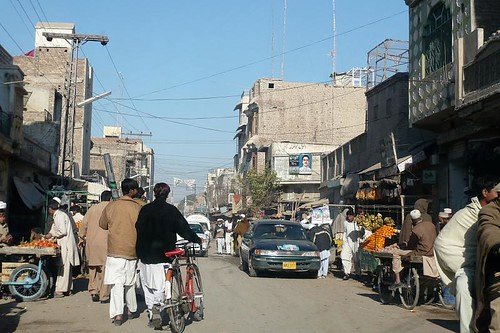
For the people of South Waziristan, Bannu and Tank, the announcement changes little on the ground. The operations will continue, the military says, at full pace — and the border districts remain, as they have for years, the front line of Pakistan’s longest-running internal conflict.
Until independent reporting from the three districts is possible, the public record of this week’s raids will rest on the military’s word alone — and the casualty figures, the affiliations and the foreign-backing allegation should all be read in that light.
Sources: TBS News (UNB/AP); The News; Khabr.pk; The True Post; Associated Press of Pakistan.
By The BNN Media
The Best News Network
News Beyond the Borders