By
Boxes labelled as cheeseburger bao buns may contain a different filling with sesame and soy that the label does not declare, and food safety officials are urging shoppers to check their freezers.
By The BNN Media
The Best News Network
News Beyond the Borders
Washington, United States — Brett Anthony Foods of Elk Grove Village, Illinois, is recalling approximately 1,935 pounds of frozen Wow Bao cheeseburger bao buns after a labelling mix-up left two known allergens — sesame and soy — undeclared on the packaging, the US Department of Agriculture’s Food Safety and Inspection Service (FSIS) announced on 22 November 2026.
What has been recalled
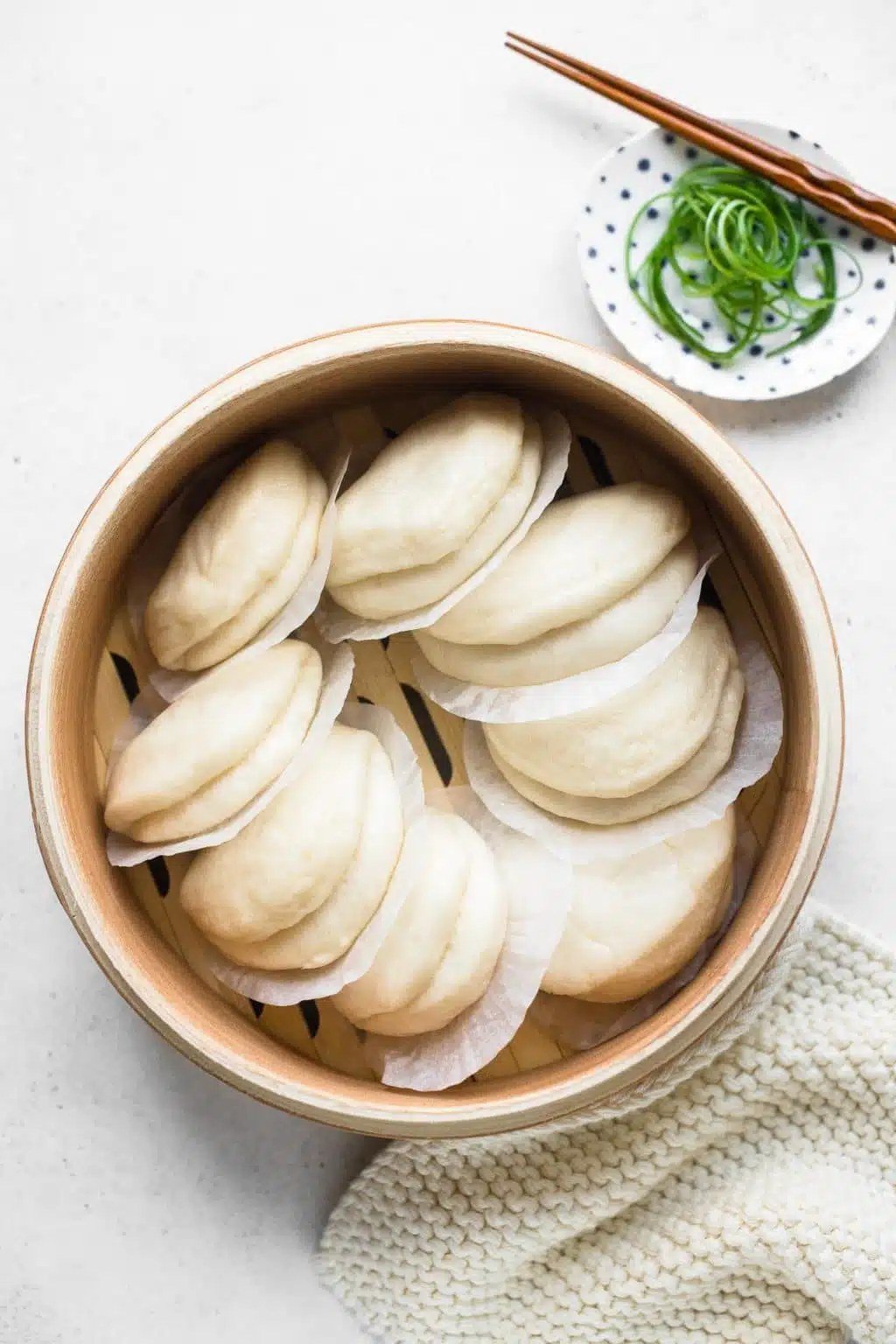
The recall covers frozen boxes of “WOW BAO CHEESEBURGER BAO BUNS PACKED WITH ALL-NATURAL BEEF”. According to the FSIS announcement, the product labelled as cheeseburger bao buns may actually contain Chinese-style barbecue pork product, which contains sesame and soy, two known allergens that are not declared on the cheeseburger packaging.
The affected product was produced on 10 September 2026. FSIS said the recall was issued because of misbranding and undeclared allergens, and that the product should not be eaten by anyone who has bought it.
For most shoppers, a wrong filling is a disappointing meal. For someone with a sesame or soy allergy, it can be a serious health risk — and that is why this recall exists.
How to identify the affected boxes
Shoppers should check the side of the box for the exact details published by FSIS. Only one product, one production date and one lot are covered by the recall:
- Product: 10-ounce cardboard boxes containing four “WOW BAO CHEESEBURGER BAO BUNS PACKED WITH ALL-NATURAL BEEF”
- Use-by date: 10.01.27 (1 October 2027)
- Lot number: 26243
- Establishment number: 40001, printed on the side of the box
The long use-by date matters: because the buns are frozen, boxes bought weeks ago could still be sitting in home freezers today, long after they have disappeared from shop shelves.
If the lot number and use-by date on the box do not match, the box is not part of this recall — but when in doubt, check the label again rather than guessing.
Where the product went
The recalled buns were shipped to distributors in eight states — Alabama, Colorado, Connecticut, Georgia, Iowa, Maine, Massachusetts and Michigan — for further distribution to retail stores. FSIS said that when retail distribution lists become available, they will be posted on the FSIS website.
Trade publication Meatingplace reported that the recall amounts to more than 3,000 boxes, based on the 1,935-pound total and the 10-ounce box size.
The recall is modest in size by national standards, but its reach across eight states means shoppers well beyond Illinois should check their freezers.
How the problem was found
The problem came to light after a consumer complained to Brett Anthony Foods, the company then notified FSIS, and the recall followed. No confirmed reports of adverse reactions linked to the product had been received at the time of the announcement, FSIS said.
That sequence — a shopper noticing something wrong, the company acting on the complaint, and the regulator publishing a public warning — is how many food recalls begin. It also explains why the official advice is aimed squarely at households: the product is already in people’s homes, not just in warehouses.
No illnesses have been confirmed, but officials are acting before that changes, not after.
Why undeclared sesame and soy matter
Sesame and soy are two of the nine major food allergens recognised in the United States. People with these allergies rely entirely on the label to know whether a food is safe for them, and a label that omits an allergen removes that protection altogether.
For someone with a severe allergy, eating an undeclared allergen can cause symptoms ranging from hives and swelling to difficulty breathing, and in the most serious cases a life-threatening reaction. Anyone who has eaten the recalled product and develops trouble breathing, throat tightness or widespread hives should seek emergency care immediately.
This is not about a minor labelling error. When the missing words are allergens, the label is the safety warning — and here it was wrong.
What shoppers should do
FSIS has been clear about what to do with the affected boxes, and its advice is aimed at everyone who bought them, whether or not they have an allergy:
- Do not eat the recalled buns.
- Throw them away, or return them to the place of purchase.
- Check the freezer, not just the fridge — FSIS said it was concerned that some of the product may still be in consumers’ freezers.
- Anyone concerned about a reaction should contact a healthcare provider.
For questions about the recall, consumers can contact Brett Anthony Foods General Manager Harry Litberg on 847-361-8090 or at h.litberg@brettanthonyfoods.com, or Wow Bao Quality Manager Jacob Howard-Robinson on 828-260-6204 or at quality@wowbao.com. Food safety questions can go to the USDA Meat and Poultry Hotline on 888-674-6854 or MPHotline@usda.gov.
The safest step takes a minute: check the lot number, and if it matches, throw the box away or take it back.

A confusing correction in the official notice
There is one point in this story that readers should know about, because the official notice itself is not entirely clear. FSIS added an editor’s note to its announcement saying that the details had been updated to reflect that the subject of the release is “a frozen fully cooked cheeseburger product, not a Chinese-style BBQ pork product”.
Yet the body of the same notice still says the company is recalling a frozen barbecue pork product labelled as a cheeseburger bao bun, and that the labelled cheeseburger buns may contain Chinese-style barbecue pork. Food Safety News, reporting the updated details on 24 November 2026, carried the same correction.
What that means in practice is that the exact contents of the mislabelled boxes remain unclear from the notice as published. What is not in doubt is the part that matters for shoppers: the boxes are labelled as cheeseburger buns, the label does not declare sesame and soy, and FSIS says the product should not be eaten.
We are reporting the notice as FSIS published it, including its contradiction, rather than smoothing it over — because shoppers deserve to know exactly what the regulator did and did not make clear.
What happens next
FSIS said it routinely carries out recall effectiveness checks to verify that recalling firms notify their customers and that steps are taken to make sure the product is no longer available to consumers. Retail distribution lists will be posted on the FSIS website when they become available.
For now, the advice stands as published: check the freezer, match the lot number, and do not eat the recalled buns. If further information emerges — including a corrected product description from FSIS or a list of the shops that sold the buns — this report will need updating.
Recalls like this one are a reminder that food safety depends on small details done right: the right filling, in the right box, with the right label. When any of those fail, the fix starts at home, in the freezer.
By The BNN Media
The Best News Network
News Beyond the Borders