 By
A Missouri judge has given final approval to Bayer’s $7.25 billion settlement of lawsuits alleging its weedkiller Roundup causes cancer, opening a long-term compensation programme for farmworkers, landscapers and homeowners diagnosed with non-Hodgkin lymphoma.
By The BNN Media
The Best News Network
News Beyond the Borders
St. Louis, United States — A Missouri judge on Friday approved Bayer’s $7.25 billion settlement of lawsuits alleging that its weedkiller Roundup causes cancer, a decision that could finally bring to a close litigation that has weighed on the company for close to a decade. The nationwide settlement covers people who already have non-Hodgkin lymphoma and those who are diagnosed with the disease in future years.
What the judge decided
St. Louis Circuit Judge Timothy Boyer found the settlement “fair, reasonable, and adequate” and in the best interests of the people it covers. In his written judgment, he said the average individual payouts were “fair and adequate” and described the total sum as “among the largest in the history of mass tort personal-injury class action settlements.”
The ruling is a final approval, but it is subject to appeal. If the decision is appealed, further payments from Monsanto — the Bayer subsidiary behind Roundup — would pause until the appeals are exhausted. Bayer has said it believes the judge’s order provides a very strong foundation for defending any challenge, and that it will work with the claimants’ lawyers to defend it.
The approval does not mean Bayer accepts that Roundup causes cancer. The settlement contains no admission of liability or wrongdoing, and Bayer continues to deny that the weedkiller causes cancer.
Who is covered — and who is not
The settlement is designed to resolve current and future Roundup claims through a long-term claims programme, rather than through individual trials. It covers people who allege they were exposed to Roundup before 17 February 2026 and who:
- have a medical diagnosis of non-Hodgkin lymphoma now; or
- receive a medical diagnosis of non-Hodgkin lymphoma before the end of a 16-year period following the effective date of the agreement.
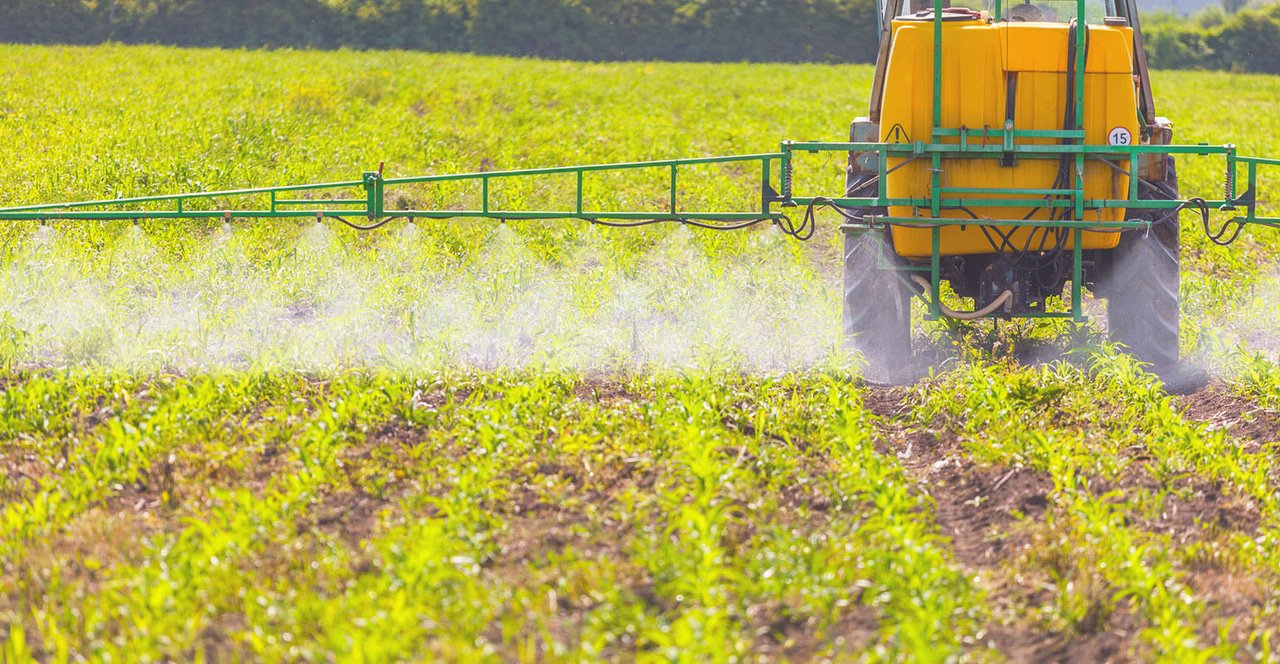
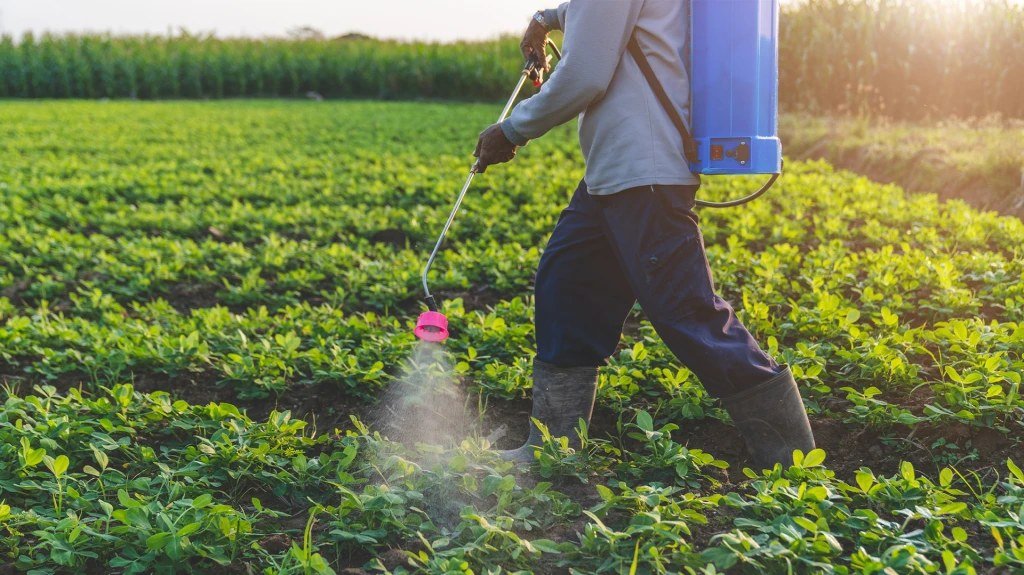
That reach matters because the people affected are not only farmers. Roundup has been used for more than 50 years on farms, but it is also commonly applied on lawns and gardens, and many of the claims against Bayer have come from people who used it on residential lawns and gardens. Farmworkers, landscapers, groundskeepers and homeowners are all among those who could qualify, provided they meet the exposure and diagnosis conditions.
People who choose not to take part can opt out of the class settlement and pursue their claims in court instead. Bayer has said it expects the number of opt-outs to be manageable and to amount to a very low percentage of current and potential future claims — though anyone who litigates will now face the difficult task of proving a case after the US Supreme Court’s ruling earlier this year (see below).
The bottom line for claimants: if you were exposed to Roundup before 17 February 2026 and have been diagnosed with non-Hodgkin lymphoma, or are diagnosed within the 16-year window, this programme — not a new lawsuit — is now the main route to compensation.
How much claimants could receive
Participants could receive average payouts of between $10,000 and $165,000, depending on how they used the product, how old they were when diagnosed and the severity of their illness. The approved settlement also includes $600 million for attorneys’ fees.
The money will not arrive as a single lump sum. Monsanto will make declining, capped annual payments for up to 21 years, totalling up to $7.25 billion, including payments already made. Bayer says the long-term payment stream gives it greater certainty and control over its litigation costs, while giving current claimants and future claimants a funded programme to draw on.
The scale of the litigation behind the deal is enormous:
- About 200,000 Roundup-related claims have been made against Bayer, according to the Associated Press.
- Roughly 65,000 claims remained pending in US courts in early November 2026, according to lawyers tracking the litigation.
- An earlier settlement in June 2020, worth about $10.9 billion, resolved roughly 125,000 claims — but tens of thousands of claimants were not covered, and new cases kept being filed.
Some lawyers for cancer patients have argued the new payouts are too small. Others say the deal is better than getting nothing — a risk that grew sharply after the Supreme Court’s ruling in June. “Today’s final approval order delivers guaranteed compensation to Roundup cancer victims who have waited more than a decade for justice,” said Christopher A. Seeger, a court-appointed lawyer for cancer patients in the case.
Why the deal was struck now
Two developments in 2026 changed the balance of the litigation for both sides.
First, in June the US Supreme Court ruled 7–2 in Monsanto Co. v. Durnell that Bayer cannot be sued in state courts on claims that it failed to warn about cancer, because federal regulations do not require a cancer warning label and states are forbidden from imposing additional labelling requirements. The ruling undercut one of the central arguments in the Roundup lawsuits. The court had overturned a $1.25 million jury award for a Missouri man, John Durnell, who blamed years of exposure to glyphosate in Roundup for his non-Hodgkin lymphoma.
Second, in October a Missouri jury sided with Bayer in the first Roundup verdict since that Supreme Court ruling — a unanimous defence verdict in the Aretino case, in which plaintiffs failed to prove design-defect, fraud and negligence claims after their failure-to-warn claims were ruled pre-empted. Bayer’s US general counsel, Bill Dodero, said the verdict “should send a strong signal” that plaintiffs “will face significant challenges” pursuing Roundup-related cancer claims in future.
The judge himself noted the risk on the other side of the scales: he said there was a risk Bayer would have filed for bankruptcy protection if the settlement had been rejected. For claimants, that raised the real possibility of long delays and smaller recoveries; for Bayer, the deal caps two decades of unpredictable jury verdicts.
The settlement and the Supreme Court ruling now work together: the ruling should foreclose failure-to-warn claims, while the settlement programme resolves present and future non-Hodgkin lymphoma claims regardless of the legal theory behind them.
A decade of litigation: how Roundup got here
Roundup was introduced by the Missouri-based company Monsanto in 1974, with the chemical glyphosate as its active ingredient. It quickly became one of the most widely used herbicides in agriculture, designed to be used with genetically modified seeds that can resist the weedkiller, allowing farmers to produce more while tilling the soil less.
Bayer added Roundup to its portfolio when it acquired Monsanto in 2018 — and with it came a growing wave of lawsuits alleging glyphosate causes non-Hodgkin lymphoma. Whether it does remains in dispute:
- The World Health Organization’s International Agency for Research on Cancer classified glyphosate as “probably carcinogenic” in 2015.
- The US Environmental Protection Agency has determined it is not likely to cause cancer in humans when used as directed.
Only a couple of dozen cases have actually gone to juries, with mixed results — some siding with Bayer and others with plaintiffs. In one case, a Georgia jury awarded plaintiffs $2.1 billion. The mounting litigation costs led Bayer to contemplate pulling the product from US agricultural markets, and the company has already removed glyphosate from new versions of Roundup sold for residential markets.
After a decade of verdicts, appeals and settlements totalling more than $10 billion, this is the first deal designed to cover not just today’s claimants but people who fall ill in the years ahead.
What Bayer says — and what happens next
Bayer’s chief executive, Bill Anderson, said in a statement that the court-approved settlement is “a decisive milestone in the company’s strategy to mitigate the risks of both pending and future Roundup litigation.”
For the company, the deal provides financial certainty against mounting litigation costs. For claimants, it provides a guaranteed — if capped — route to payment without the cost, delay and uncertainty of a trial. But the programme is not yet paying out: any appeal would pause further payments until the appeals are exhausted, and the detailed mechanics of the claims programme, including filing deadlines and the administrator claimants must contact, were not set out in the court and company statements reviewed for this report.
Claimants who believe they may qualify should therefore watch for official notice from the settlement’s claims administrator and, where they already have a lawyer, speak to that lawyer before taking any step — and should not rely on unofficial websites or callers promising quick payouts.
What claimants should do now
- Check the two conditions: exposure to Roundup before 17 February 2026, and a diagnosis of non-Hodgkin lymphoma now or within the 16-year window.
- Keep records: medical records of the diagnosis and any evidence of how and where Roundup was used — farm work, landscaping, groundskeeping or home garden use.
- Wait for official notice: the claims programme will be administered under the court’s supervision; claimants should follow instructions from the official administrator, not from unsolicited contacts.
- Get advice before opting out: leaving the settlement to sue alone is still possible, but after the Supreme Court’s Durnell ruling, failure-to-warn claims face a steep legal barrier in court.
For the thousands of farmworkers, landscapers and homeowners who have waited years for an answer, the judge’s approval finally gives them one — a capped, court-supervised programme that pays out over two decades, rather than the lottery of individual trials. Whether it proves fair in practice will depend on how the claims programme treats the people who come forward now.
By The BNN Media
The Best News Network
News Beyond the Borders
Sources: Associated Press (via The Reflector / LA Post, 20 Nov 2026); Bayer/Monsanto statement via BusinessWire (21 Nov 2026); Reuters (20 Nov 2026); Wisner Baum Roundup settlement update (2020 settlement figures and ~67,000 pending claims in early 2026); LawFold (65,000 claims pending, early Nov 2026).