By
Two days of meetings in Islamabad ended with Pakistan holding the ECO chair, a new declaration and a cooperation plan running to 2035 — and with a blunt message to Kabul that regional trade cannot move forward while Afghanistan’s neighbours feel unsafe.
By Salar Khan
Reporter | The BNN Media – The Best News Network
News Beyond the Borders
ISLAMABAD — Pakistan took over the chairmanship of the Economic Cooperation Organization (ECO) for 2026–27 on Monday, 16 November, as foreign ministers of the ten-member bloc concluded their two-day meeting in Islamabad by adopting the Islamabad Declaration and the Strategic Goals of Economic Cooperation 2035, a framework meant to guide the organisation’s trade, transport and connectivity work for the next decade.
A Chairmanship Taken, Two Documents Adopted
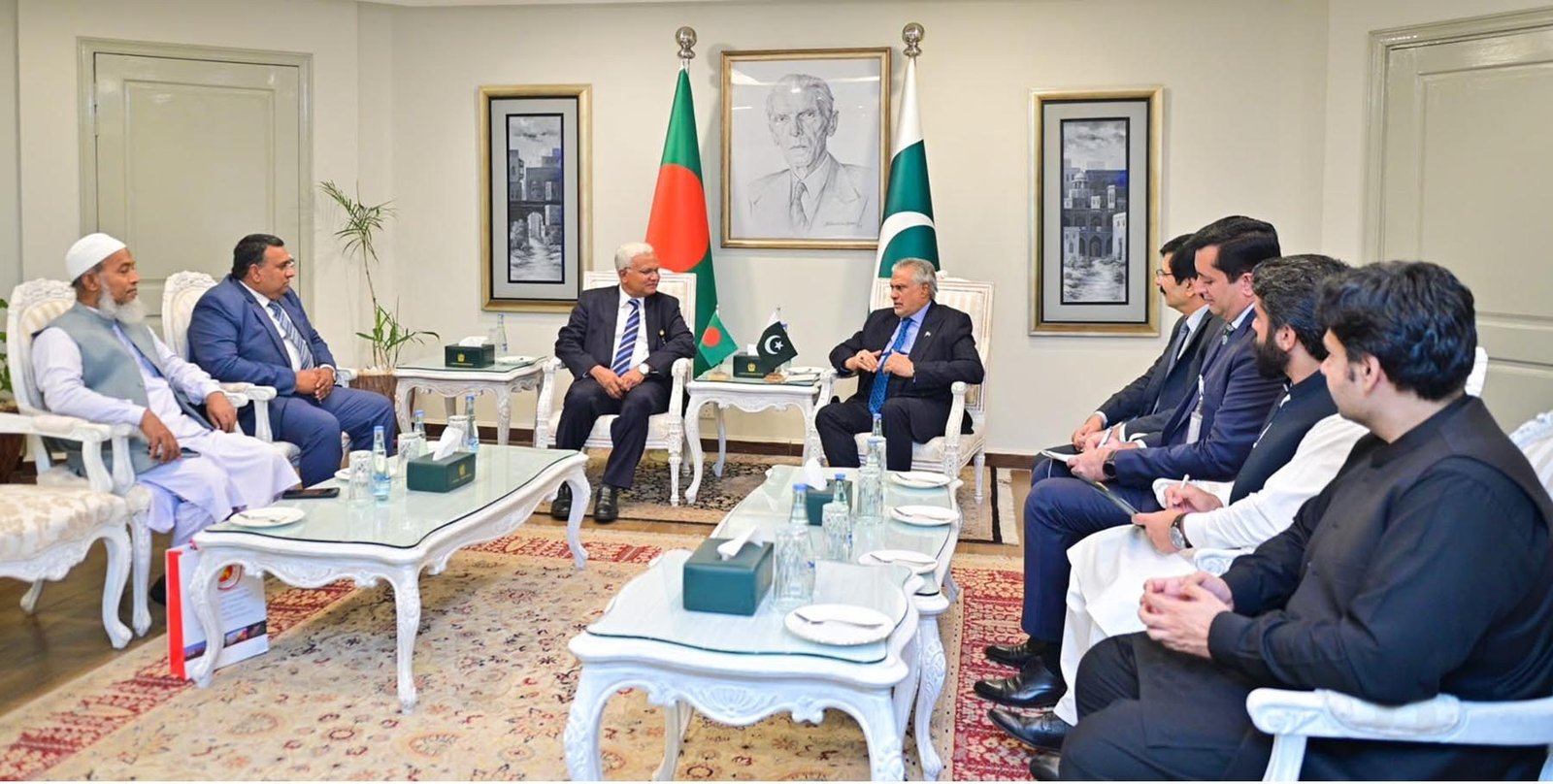
The 30th meeting of the ECO Council of Ministers was held in Islamabad on 15–16 November 2026 and was chaired by Deputy Prime Minister and Foreign Minister Ishaq Dar, according to the Foreign Office. Foreign ministers and heads of delegation from the member states attended, along with representatives of the ECO Secretariat and its subsidiary bodies. A meeting of senior officials had preceded the ministerial session, finalising the agenda and the draft outcome documents.
Pakistan is chairing the organisation under the theme “Reviving Regionalism for a Resilient ECO”. The Foreign Office said the chairmanship would focus on strengthening regional connectivity and deepening regional integration, and on positioning Pakistan as a regional connectivity hub, a facilitator of logistic supply chains and an agenda setter for regional trade.
The meeting adopted two documents. The first was the Islamabad Declaration, issued as the Islamabad Communiqué, which records the ministers’ decisions and positions. The second was the Strategic Goals of Economic Cooperation 2035, which the communiqué describes as a comprehensive framework building on ECO Vision 2025 — the plan adopted at the 22nd meeting of the Council of Ministers in Islamabad in 2017 — to advance regional integration, connectivity, resilience and sustainable prosperity. Pakistan assumes the chair under a newly established two-year chairmanship formula.
The chairmanship is now Pakistan’s to run — and the test will be whether the declaration and the 2035 framework turn into working trade and transit arrangements.
The Five Priorities
Dar set out five priorities for Pakistan’s chairmanship, aimed at turning the region’s geography into practical cooperation:
- Expanding market access — opening more trade and investment between member states.
- Strengthening transport links to Pakistan’s ports — connecting landlocked Central Asian members to global markets through Pakistani ports.
- Revising the ECO Trade Agreement — updating the bloc’s trade rules so they work better in practice.
- Boosting climate and disaster cooperation — building collective resilience against floods, earthquakes and other disasters.
- Investing in human capital — people-centred development across the region.
Dar told the meeting that economic cooperation builds a shared interest in stability, while insecurity can derail even the most promising development projects. As chair, he said, Pakistan would emphasise turning geographical proximity into practical cooperation through stronger trade linkages, modernised transit corridors and people-centred development.
The agenda reflects the bloc’s long-standing ambition: to link Central Asia to global markets and to unlock the economic potential of a region that sits between South Asia, Central Asia and the Middle East. The ECO, founded in 1964, groups Afghanistan, Azerbaijan, Iran, Kazakhstan, Kyrgyzstan, Pakistan, Tajikistan, Türkiye, Turkmenistan and Uzbekistan.
Afghanistan: No Seat, No Membership
The sharpest message of the meeting concerned Afghanistan. Pakistan told fellow members that Afghanistan had no diplomat at the ministerial session and that Kabul’s ECO membership was suspended, linking full Afghan participation to verifiable action against terrorist groups operating from its territory.
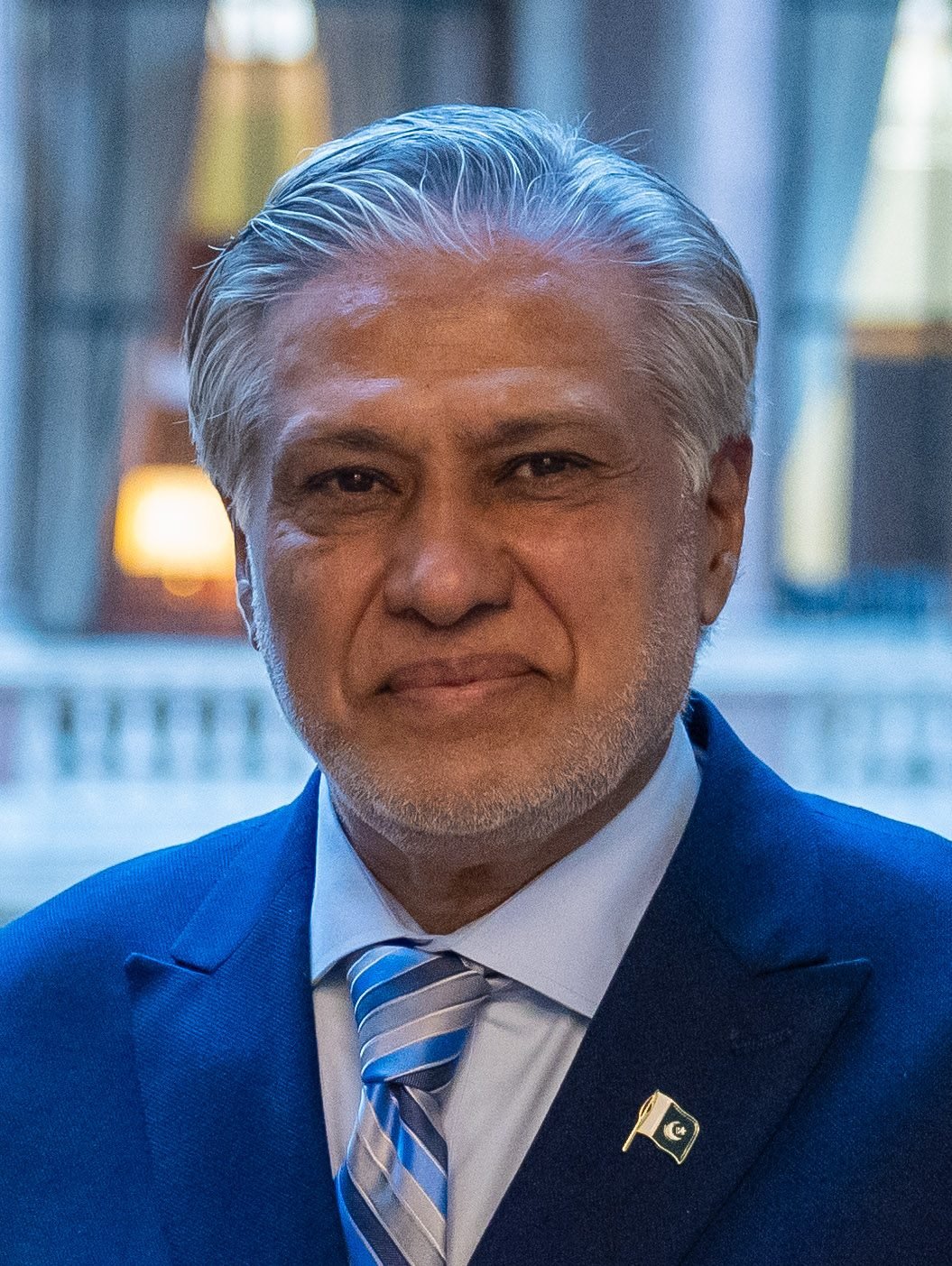
Dar made the point directly at the meeting on Monday: action by the Afghan Taliban regime against terrorism, and the creation of a stable and secure environment, were “absolutely essential” for sustained regional economic cooperation. The message, as reported, was that the bloc’s plans for deeper trade and connectivity depend on Afghanistan addressing its neighbours’ security concerns.
The position was presented as Pakistan’s statement to the meeting, and the reporting does not present the suspension as a decision recorded in the communiqué’s published text. What is clear from the coverage is that Afghanistan was not represented at the ministerial session, and that Pakistan conditioned any return to full participation on verifiable counter-terrorism steps.
Trade was the agenda — but security set the terms, and Afghanistan’s empty chair was the most visible fact of the meeting.
Shehbaz Welcomes the Outcome
On Monday, the foreign ministers and heads of delegations met Prime Minister Shehbaz Sharif, who welcomed the adoption of the Islamabad Declaration and the strategic goals for economic cooperation, describing them as important steps towards strengthening the organisation and advancing shared regional priorities.
The prime minister urged the ministers to take collective action on threats to regional security, and used the meeting to set out what Islamabad wants from its two years in the chair: trade and ports open to the region’s landlocked members, and a bloc that delivers practical results rather than declarations alone.
The Region Beyond Trade
The communiqué reached beyond economics. It expressed support for the mediation efforts undertaken by Pakistan and Qatar, as well as for the recent initiative put forward by Iran, aimed at achieving a dignified resolution of the conflict and ensuring the complete and permanent termination of the current war.
It also expressed concern over the humanitarian situation in the Gaza Strip, following flooding in the Deir al-Balah area on 6 November 2026 and with winter approaching — calling for the urgent delivery of food, medicines, fuel, heating equipment, tents, shelters, blankets and winter clothing, an immediate end to policies of forced displacement and the deliberate deprivation of food, and the full implementation of the Gaza ceasefire agreement of October 2025.
Iran’s foreign minister used the forum to press for diplomatic solutions and to propose a regional mechanism to protect energy flows, and confirmed that Tehran will host the next ECO summit.
What Happens Next
- The 18th ECO Summit will be held in Tehran on 3–4 December 2026, where leaders will give strategic guidance for implementing the Strategic Goals of Economic Cooperation 2035.
- Pakistan will chair the organisation through 2027, with the Council of Ministers meeting again under its chairmanship.
- The test of the Islamabad meeting will be practical: whether landlocked members start using Pakistani ports, whether the ECO Trade Agreement is actually revised, and whether the declaration’s words on trade become transit corridors and tariff decisions.
Pakistan leaves Islamabad holding the ECO chair, a declaration and a ten-year plan. The region will judge the chairmanship not by the documents adopted, but by whether goods, trucks and trade start moving across borders that have been closed to them for too long.
By Salar Khan
Reporter | The BNN Media – The Best News Network
News Beyond the Borders