By
Sirens sounded across Manama before dawn on Sunday as Bahrain told residents to seek shelter — the second Iranian attack on the Gulf kingdom in three days, and the latest strike in a war that is now nearly nine months old.
By Faseeh Ur Rehman
Senior Journalist | The BNN Media – The Best News Network
News Beyond the Borders
MANAMA, Bahrain — Bahrain intercepted and destroyed several Iranian aerial attacks on Sunday, 15 November, before they reached their targets, the Bahraini military said — while Tehran said it had struck a US military base in the Gulf kingdom, in the second Iranian attack on Bahrain in three days.
Sirens Before Dawn
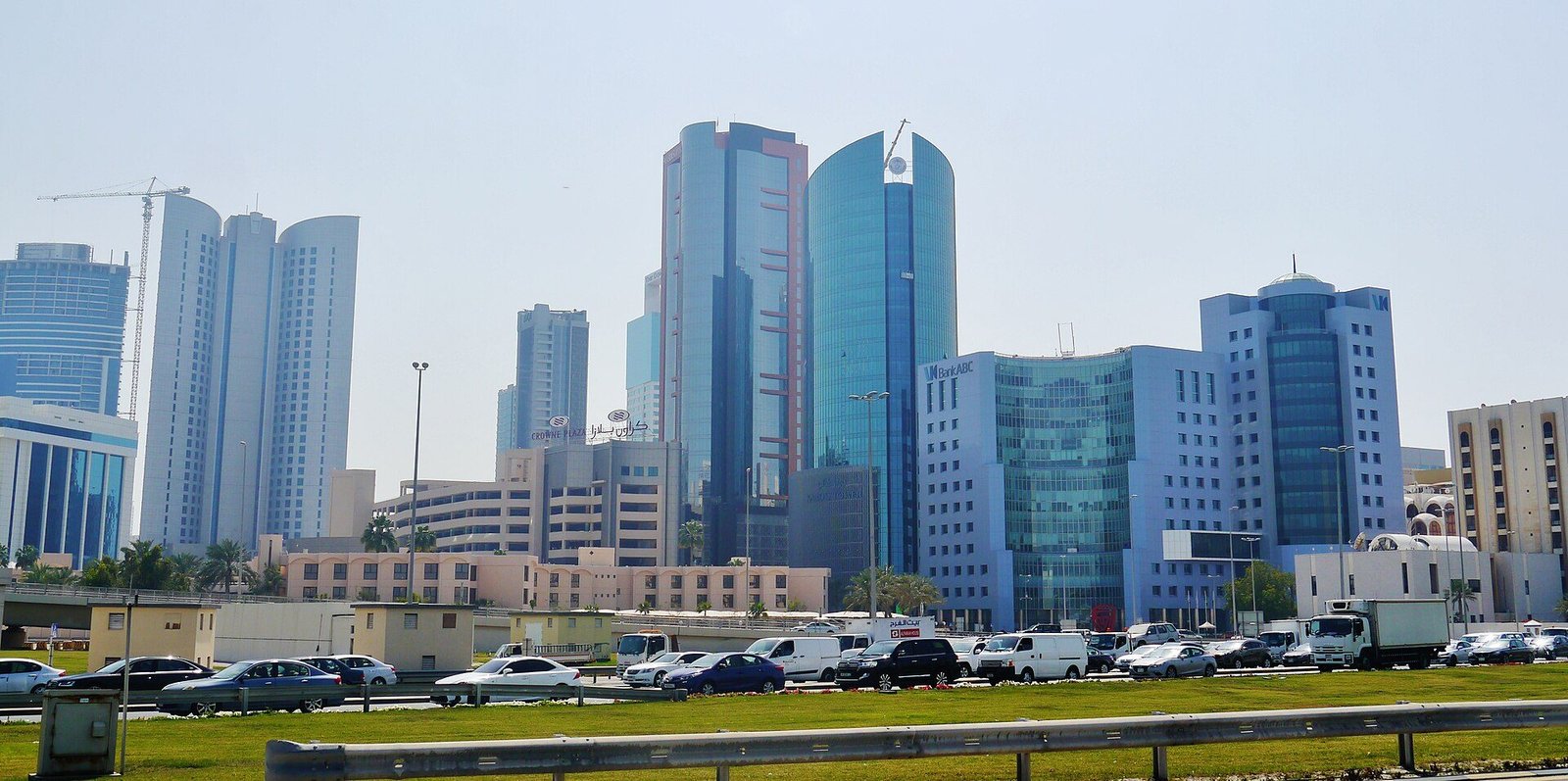
The attack came in the early hours of Sunday. Bahrain’s interior ministry issued two warnings of potential threats — the first such warnings since September — urging citizens and residents to remain calm and proceed to the nearest safe location as sirens sounded across the capital, Manama. Bahrain television reported that air defences had shot down an Iranian drone.
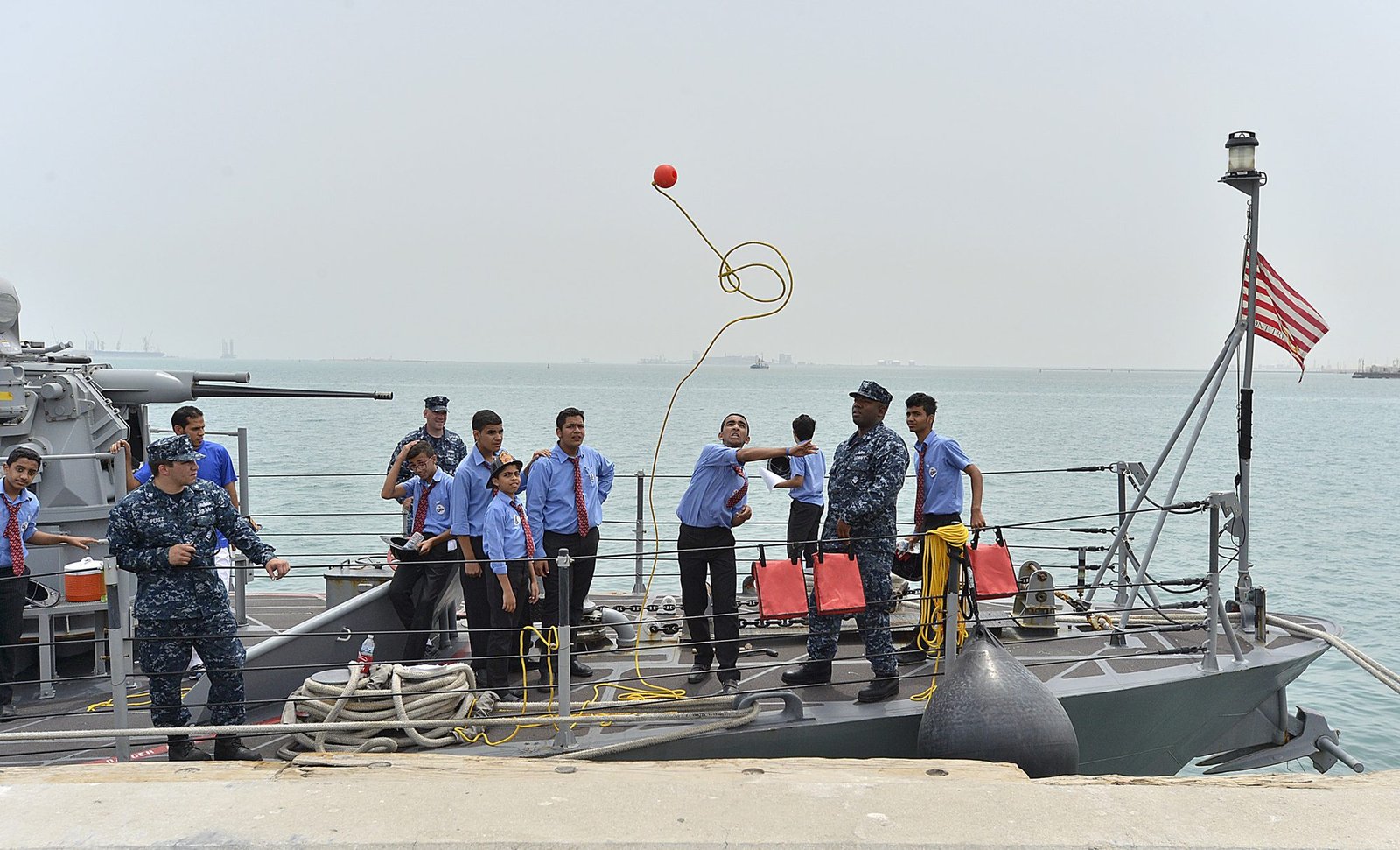
The interceptions were the first by Bahraini air defences since September, when an earlier wave of strikes hit the region. Bahrain, home to the US Navy’s Fifth Fleet and the headquarters of US Naval Forces Central Command, has been drawn repeatedly into a war that began far from its shores.
Two Accounts of the Same Attack
Bahrain and Iran describe the same morning in opposite terms. The Bahraini military said its air defences had intercepted several Iranian aerial attacks before they reached their targets, accusing Tehran of continuing its “systematic hostile approach” towards the kingdom. The foreign ministry went further, expressing the kingdom’s “strongest condemnation of the continued Iranian aggression against its territory” and saying the drones were intercepted and destroyed in Bahraini airspace.
Iran’s Islamic Revolutionary Guard Corps said it had launched six drones targeting a US air-defence radar at the Al-Rifaa helicopter base in Bahrain, in retaliation for “hostile US actions”, according to Iran’s Fars news agency and the state-run Press TV. The Guards described the attack as the second phase of what it called a “decisive and crushing response” to American military actions.
There was no immediate confirmation from US or Bahraini authorities that the radar had been hit, and no damage or casualties were reported when Reuters filed its report. Later on Sunday, the US ambassador to Bahrain, Stephanie Hallett, said the Guards’ claims were false and that all the drones had been intercepted with no damage or injuries, according to the News of Bahrain. No separate statement from US Central Command about Sunday’s attack had appeared at that point.
Bahrain says the drones were destroyed before they reached their targets; Iran says its drones struck the radar. Nothing published so far independently settles the question.
The Second Attack in Three Days
Sunday’s attack was the second of its kind in three days. Two days earlier, on Friday, 13 November, the Revolutionary Guards said they had attacked a US early-warning radar facility in Bahrain. The US military denied that claim, saying it had intercepted two Iranian drones without any damage.
The pattern is now familiar: Iran announces a strike on an American radar in Bahrain, and the United States and Bahrain say the drones were shot down before they could do any damage. What changed on Sunday is that Bahrain itself confirmed an attack and blamed Iran, rather than the claim resting on the Guards’ broadcasts alone.
A War in Its Ninth Month
The attacks come amid uncertainty over a deal to end the nearly nine-month-old US–Israeli war on Iran. Diplomatic efforts to end the conflict have yet to produce a breakthrough, with sporadic attacks continuing despite a broader lull in fighting between the US and Iran.
The war began with US and Israeli strikes on Iran on 28 February and subsequently spread across the region, with Tehran launching missile and drone attacks on US military bases in Gulf countries. President Donald Trump has said in recent days that he might hold off from attacking Iran if the US faces no new provocations from Tehran or the Iran-backed Houthis in Yemen — but that he would maintain a US naval blockade.
On another front on Sunday, the Houthis and the Saudi-led coalition fighting them continued to exchange attacks: the coalition said it had intercepted two Houthi ballistic missiles launched towards the Saudi capital, Riyadh, and three drones in the kingdom’s oil-rich Eastern Province.
Oil Barely Moves
For all the escalation, the oil market barely reacted. Brent crude held below $96 a barrel after the weekend break, having fallen more than 2 per cent the previous week, with Brent settling on Friday at $95.84 a barrel. The International Energy Agency’s November report, released on Friday, said global oil supply exceeded demand in October — the first surplus since the war began — which has kept prices in check even as attacks on Gulf shipping continue.
The calm in the market is its own message: traders have learned to discount attacks that do not interrupt the flow of oil, even when the targets are American bases in the Gulf.
A strike on a US base that leaves the oil price unmoved is still a strike on a US base — and Bahrain, which hosts the Fifth Fleet, is now firmly inside the war’s map.
What Happens Next
- The question of what, if anything, the six drones hit remains unresolved: Bahrain and the US ambassador say they were all intercepted; Iran says the radar was struck. No independent assessment has been published.
- Diplomatic efforts to end the war have produced no breakthrough, and both sides are still trading attacks while talking about a deal.
- Any further Iranian strike on Bahrain would test the kingdom’s air defences a third time — and test whether the US naval blockade and the threat of American retaliation deter Tehran or provoke it.
Bahrain woke on Sunday to sirens, shelter warnings and two irreconcilable accounts of what happened in its own sky. Until independent evidence appears, the kingdom’s word and Tehran’s word stand against each other — and the war they describe goes on.
By Faseeh Ur Rehman
Senior Journalist | The BNN Media – The Best News Network
News Beyond the Borders