By
A classified memo from the US defence secretary has imposed new limits on military cooperation with Canada, according to officials who have seen it — but Ottawa says it has seen no change at all, and the two countries’ armed forces are carrying on as normal.
By Tariq Jamal
Freelance Journalist | The BNN Media – The Best News Network
News Beyond the Borders
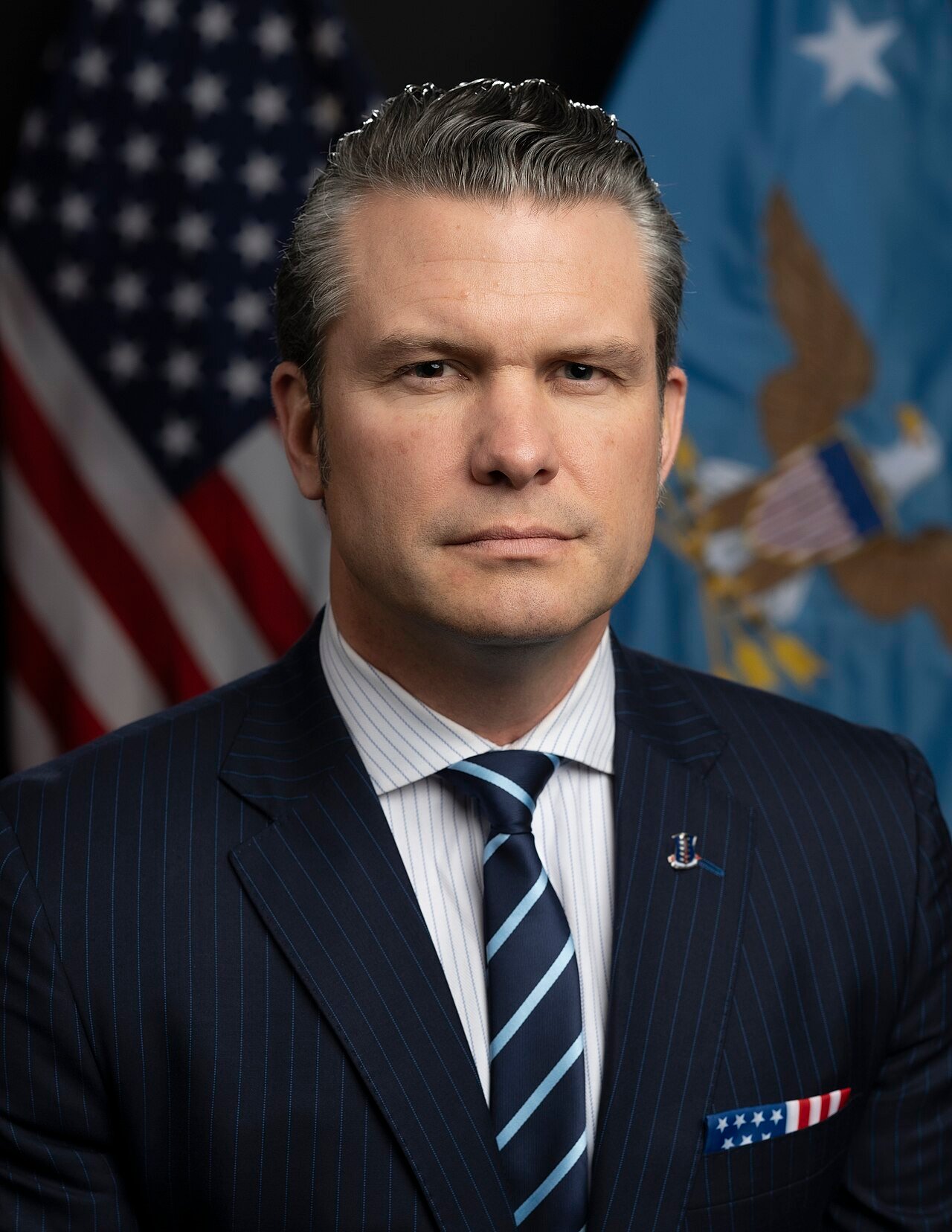
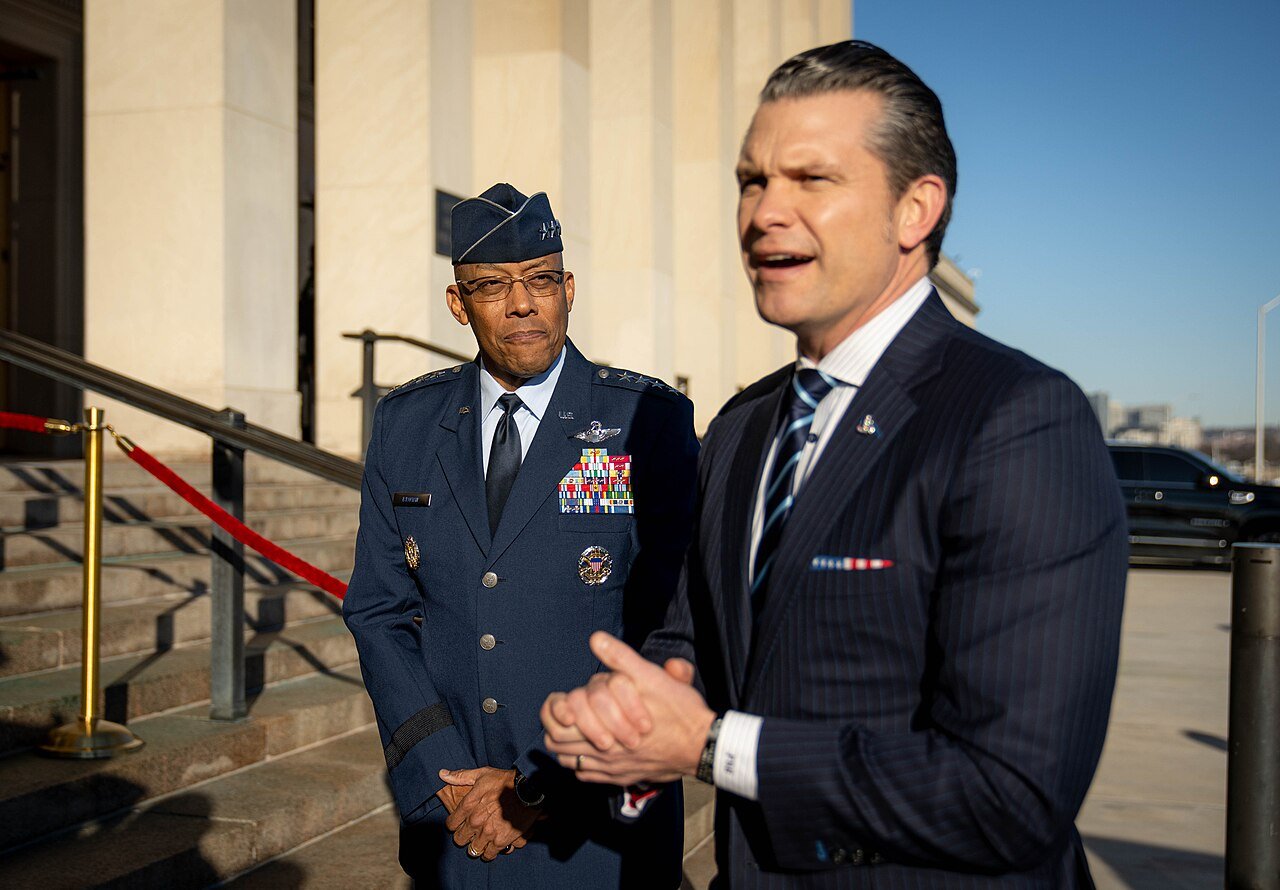
Halifax, Canada — US Defence Secretary Pete Hegseth circulated a classified memo last week imposing new restrictions on the US–Canada defence relationship, officials familiar with the directive have told The Washington Post, in the latest strain on an alliance already tested by President Donald Trump’s repeated threats to annex Canada.
The exact contents of the memo are not public — The Washington Post has not reviewed the document itself — and the officials spoke on condition of anonymity because of the sensitivity of the issue. One official said the restrictions were sure to be seen as a “slap in the face” to the Canadians. But Canada’s Defence Minister, David McGuinty, said on Saturday that he had not seen the memo and that, as far as Ottawa is concerned, “it’s business as usual”.
What the Memo Is Said to Do
According to the officials who described it, Hegseth’s guidance sets new limits on how the American and Canadian militaries work together, and requires that engagements with Canada advance tangible US defence objectives. A Pentagon spokesman, Sean Parnell, said the department was “taking steps to ensure its engagements with Canada advance tangible US defense objectives and ultimately support a reinvigorated defense relationship”.
Parnell also said the Pentagon was “prioritizing opportunities for bilateral cooperation that strengthens the defense of our Homelands and shared hemisphere, while supporting Canada’s ability to meet NATO obligations”.
Crucially, Parnell said the directive will not affect defence intelligence sharing, and will not change how the two militaries work together through the NATO alliance or through NORAD, the joint North American Aerospace Defense Command that has guarded the continent’s skies for 70 years.
What remains unclear is how far the restrictions reach beyond that. The officials who spoke to The Washington Post did not describe the memo’s full scope, and the Pentagon has not published it.
The memo exists, its contents are secret, and even the officials describing it disagree about how much it matters — that uncertainty is the story.
Ottawa: “Business as Usual”
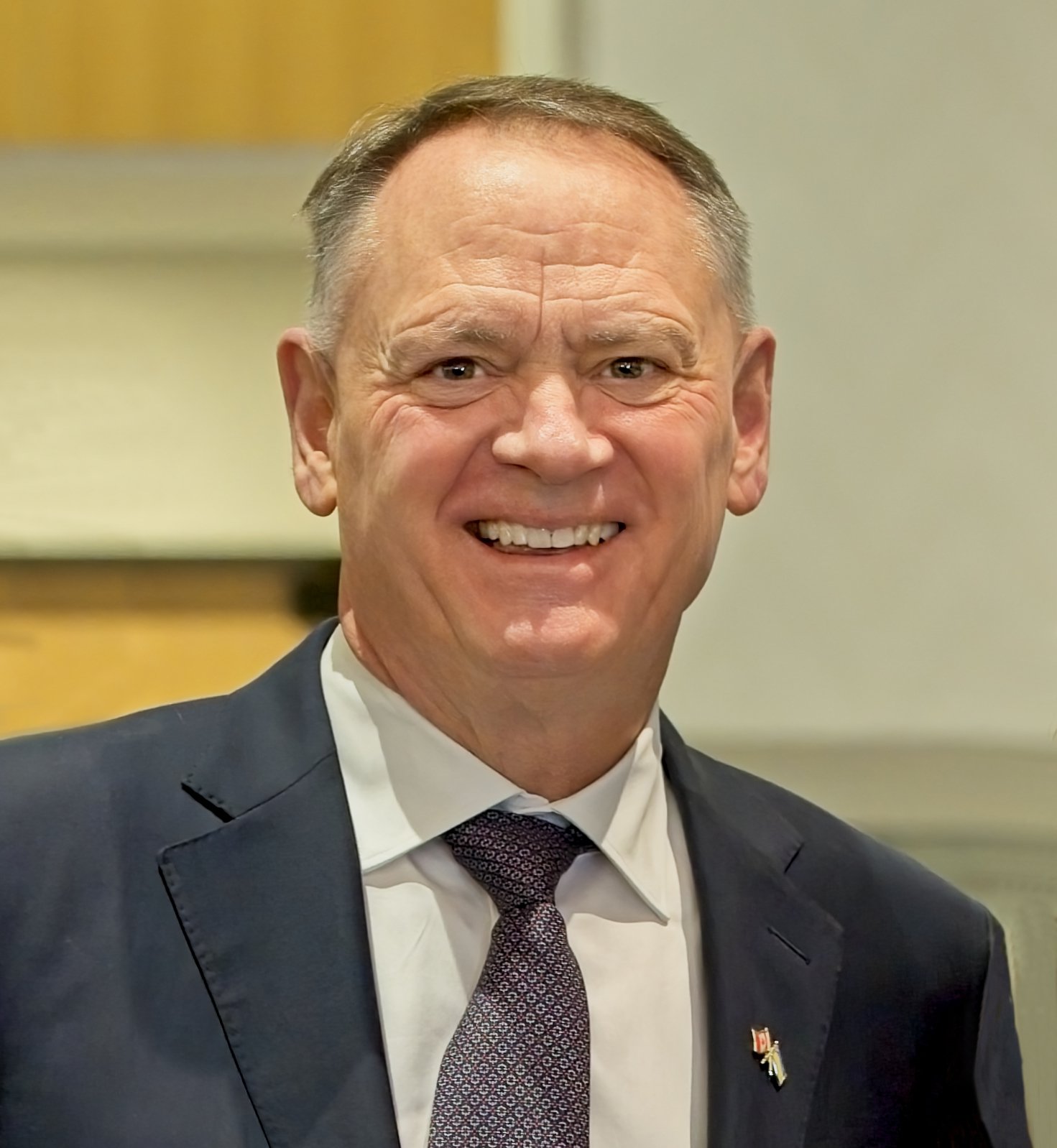
Speaking to reporters on Saturday on the sidelines of a security conference in Halifax, McGuinty was blunt: he had not seen the memo, and he had only learned of it that weekend.
“I still see no daylight between what we’re doing, military to military, and otherwise,” McGuinty told Reuters, adding that the Canadian and American militaries continue to work “hand in glove” — on ships working together in the Caribbean to stop the trafficking of cocaine, fentanyl and other illegal drugs, on integrated missile systems, and when fighter jets are scrambled across North America.
He pointed to the seven-decade record of NORAD, calling it “a frankly, extremely effective continental defense system and one that we want to continue to invest in and cooperate with”. Despite Trump’s repeated threats to annex Canada, McGuinty said he had seen no change in how the two countries’ militaries work together.
The View From the Senate: Social Events, Not Operations
Visiting members of the US Senate, also in Halifax for the security forum, offered a narrower reading of the memo — and tried to reassure their Canadian counterparts.
Senator Mike Rounds, a Republican from South Dakota, said the memo was aimed mainly at social engagements between American and Canadian service members, such as attending conferences or academic events, and that senior officers would now need permission for such contact.
“It basically makes no changes in anything of formal activity, but it is suggesting in a roundabout way that there be less informal activity or social activities without permission,” Rounds said.
Rounds added that the memo had been drafted months ago but signed only recently, and that its timing was unclear — as was its exact scope. “We’re trying to decipher it as well,” he said. He and other lawmakers told Canadian officials the memo would have a “negligible impact” on cooperation with the Pentagon, and suggested it appeared motivated by pushing Canada to spend more on its own defence.
An official from one of the Five Eyes intelligence-sharing countries — the US, Britain, Canada, Australia and New Zealand — said there had been no formal indication from Washington that information sharing would change, although US officials had shared less over the past year “across a number of platforms”.
A Relationship Already Under Strain
The memo lands in a relationship that has been under pressure since Trump’s return to the White House. The president has repeatedly suggested Canada should become the 51st US state, a suggestion Canadian officials first took as a joke before Trump doubled down on it. Prime Minister Mark Carney told Trump during an Oval Office meeting in May 2025 that Canada is “not for sale” and “won’t be for sale, ever”.
Trump has also launched a trade war with Canada, imposing tariffs on Canadian steel, aluminium and other goods, to which Ottawa responded with retaliatory tariffs. Canada has sought to reduce its reliance on American weapons, and Carney said in March that Canada had boosted its defence spending to 2 percent of its gross domestic product, the long-standing NATO goal, with NATO allies now aiming for 5 percent by 2035.
McGuinty acknowledged that some of Canada’s recent defence changes were prompted by Trump’s threats, and said Canada needed to take more responsibility for its own security — including in its vast Arctic region — and was working to build its own competitor to the Starlink satellite network to protect its sovereignty in communications.
Hegseth himself has mocked Canada’s military on several occasions, and in August he reposted a photograph of a teenage female Canadian military cadet and her instructor with the comment “This is real”, a post Canadian officials condemned as mean-spirited and below the dignity of his office. He has also said that only “one or two” US allies in Afghanistan took part in active fighting — a claim that stung in Canada, where at least 158 Canadian troops were killed and 2,000 more wounded in that war.
The two countries share a 5,525-mile border, the longest undefended border in the world, and Canadian forces have deployed alongside US troops in combat for decades.
What Happens Next
The White House referred questions about the memo to the Pentagon, and the Pentagon did not respond to a request for comment from Reuters. The Canadian Embassy in Washington did not respond to a request for comment.
For now, the two sides are telling different stories about the same document. Washington’s officials describe a deliberate tightening of the rules; Ottawa says nothing has changed on the ground; and the US senators in Halifax say the effect is negligible. Until the memo itself is seen — or its effects show up in day-to-day cooperation — the dispute is likely to run on, in a relationship where trust has already worn thin.
- A classified memo from Pete Hegseth imposes new restrictions on US–Canada military cooperation, according to officials who have seen it.
- The Washington Post has not reviewed the memo, and its exact scope is unclear — even to US senators briefed on it.
- Canada’s Defence Minister David McGuinty says he has not seen it and calls the relationship “business as usual”.
- Intelligence sharing, NORAD and NATO cooperation are not affected, according to the Pentagon.
- Senator Mike Rounds says the limits target social engagements and conferences, not formal military activity.
A secret memo, two different accounts, and a 70-year alliance caught in the middle — the question now is whether the restrictions stay on paper or start to show up in practice.
Reporting based on The Washington Post, 20 November 2026; Reuters, 21 November 2026; Associated Press.
By Tariq Jamal
Freelance Journalist | The BNN Media – The Best News Network
News Beyond the Borders