By
Asian markets opened the week on alert after Taiwan’s stock market suffered its worst week in 35 years, forcing regulators in Taipei to ban most short selling from Monday, while South Korea prepared emergency measures of its own after its market also tumbled.
By Muhammad Noman
Journalist | The BNN Media – The Best News Network
News Beyond the Borders
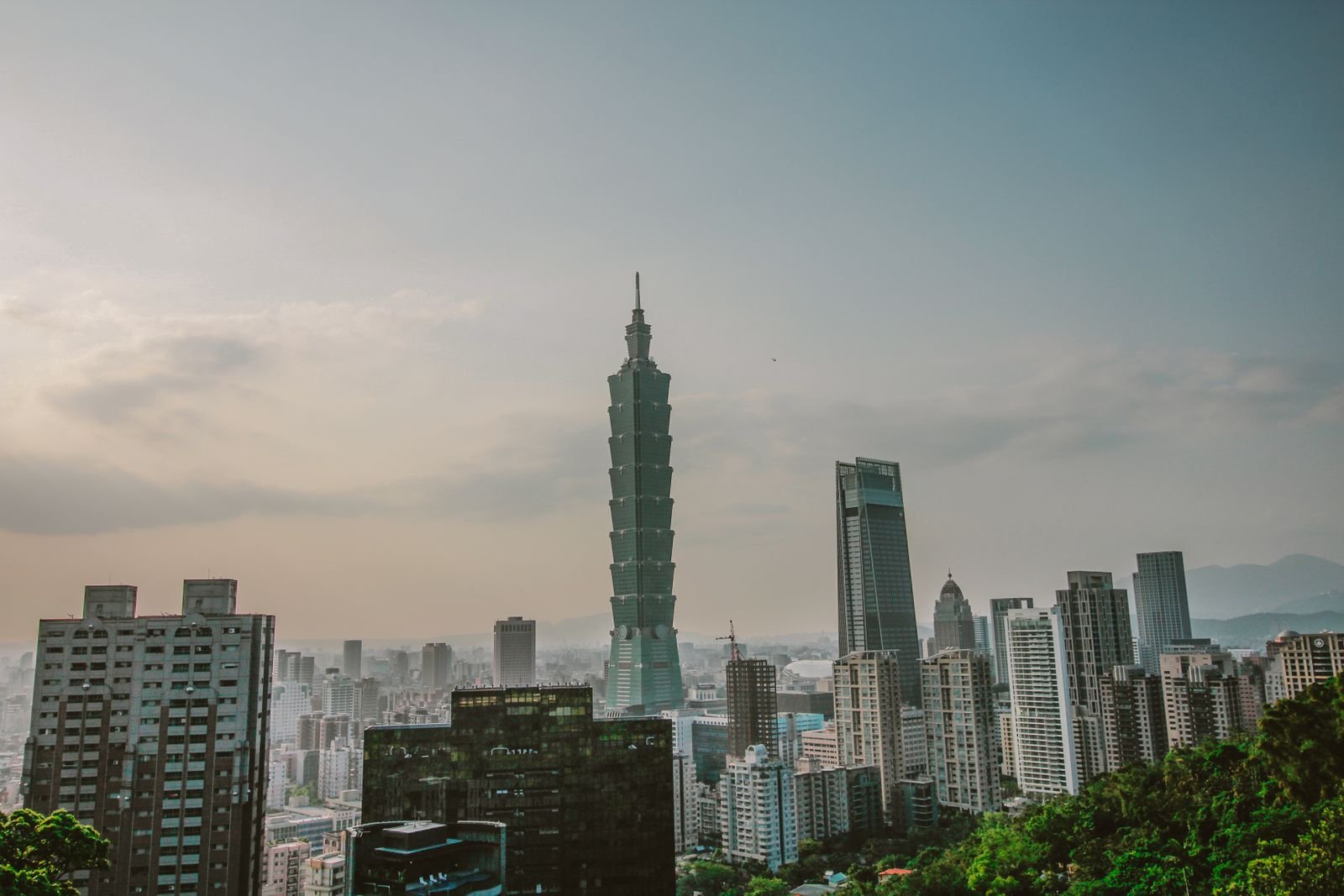
Taipei, Taiwan — Taiwan’s benchmark Taiex index fell 17.5 per cent in a single week, losing 7,641.83 points to close on Friday at 36,033.29, its worst weekly performance since 1991. On Friday alone the index dropped 2,393.60 points, or 6.23 per cent, its third-largest one-day points fall on record.
In response, Taiwan’s Financial Supervisory Commission (FSC) announced on Saturday, 21 November, a package of five emergency measures that take effect on Monday, 23 November — the first broad short-selling ban in Taiwan since 2015.
The Week in Numbers
- Taiex: down 17.5 per cent for the week — worst since 1991 and the largest weekly points drop on record; closed Friday at 36,033.29, down 6.23 per cent on the day.
- Friday’s fall: 2,393.60 points, the third-biggest daily points loss in the index’s history — the two bigger drops also came this year.
- From the peak: the Taiex stood at an intraday record of 49,968.92 on 6 October; Friday’s close is almost 28 per cent below that record.
- South Korea’s Kospi: down 5.21 per cent on Friday to 4,869.96, its lowest close since January; the Kosdaq fell 5.71 per cent.
- China: the Shanghai Composite fell nearly 3 per cent last week to a 16-month low; the Shenzhen Component fell 3.1 per cent on Friday.
- Wall Street: the Nasdaq fell 10 per cent for the week, its worst week since 2020, while the S&P 500 fell 8.6 per cent and entered correction territory.
A 17.5 per cent weekly fall is the kind of number that forces regulators to act — and in Taipei, they did.
Five Measures From Monday
The centrepiece of the FSC’s package is a near-total ban on short selling at falling prices. From Monday, short sales — including sales of borrowed shares — of listed and over-the-counter stocks and Taiwan Depositary Receipts may not be executed below the previous trading day’s closing price. The rule covers all 1,986 listed and over-the-counter stocks, and it removes the limit the regulator had set only two days earlier, on Thursday, which applied only to stocks that had already fallen 3.5 per cent or more in a session.
The other four measures are:
- Higher margin: the minimum margin a short seller must put up rises from 130 per cent to 150 per cent of the sale, making bearish bets more expensive to hold.
- Put warrants halted: the regulator has temporarily stopped accepting applications from brokers to list new put warrants, which gain in value when a stock falls.
- Buybacks encouraged: listed companies are urged to buy back their own shares, and buybacks completed between October 2026 and March 2027 will count towards their 2026 ESG ratings.
- Share lending curbed: banks and other lenders are asked to pause lending out shares and, where their contracts allow, to recall shares already on loan or not renew them.
Securities and futures firms that short shares to hedge their own business are exempt from the ban. The commission said its aim was “maintaining orderly trading and market stability”, and it gave no end date for the measures, saying they would be adjusted as conditions warrant.
A Ladder Built in Fifteen Days
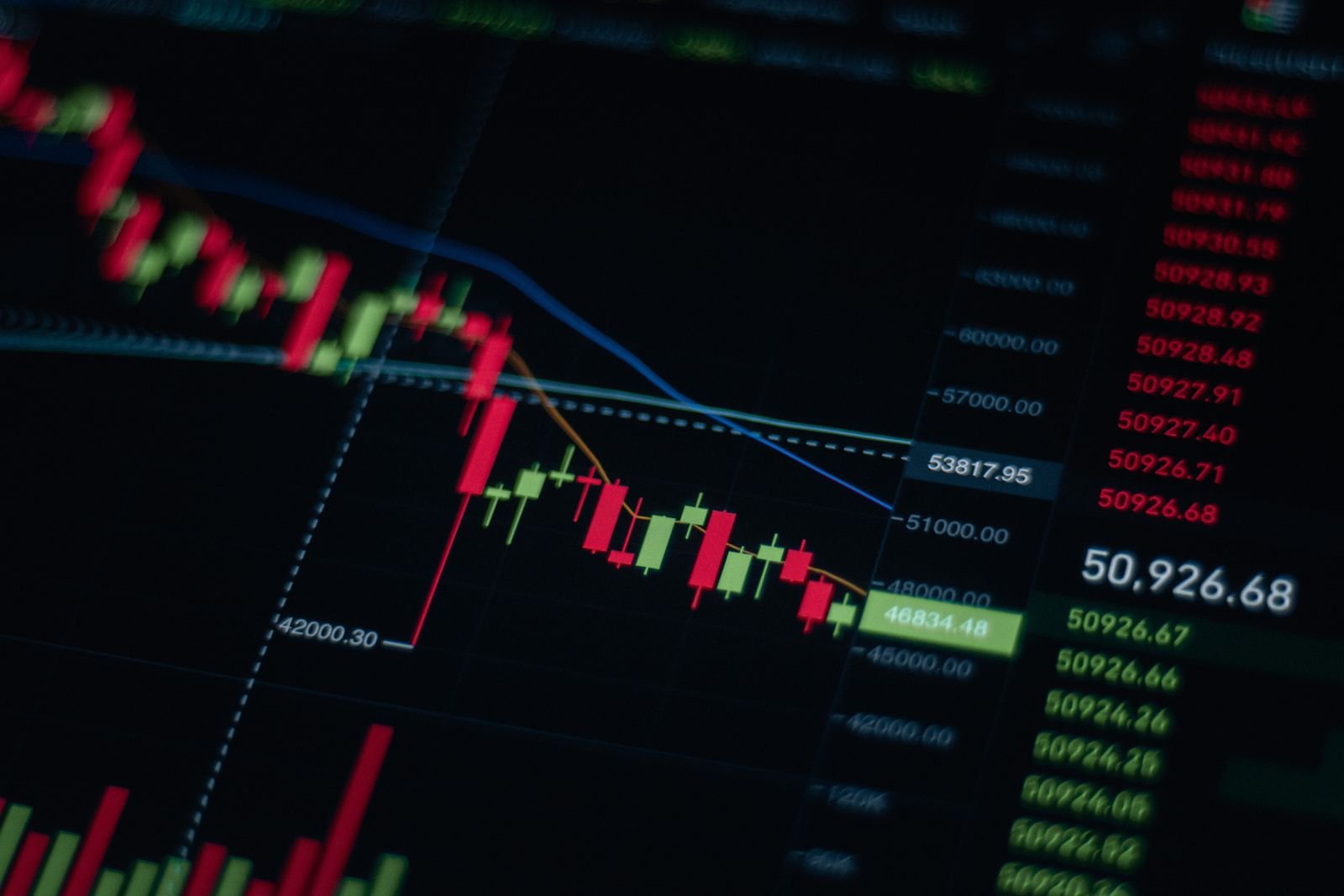
Saturday’s announcement was the third round of stabilisation measures in fifteen days, and each round has been tougher than the last. After the market broke into a bear market in early November, the FSC cut the share of stock that could be borrowed for short sales from 30 per cent of average daily volume to 3 per cent on 9 November, then tightened it again to 1 per cent on 19 November. On Thursday it barred shorting below the previous close in stocks down 3.5 per cent or more. Friday’s package removes that threshold altogether.
Taiwan’s NT$500 billion (about $15 billion) National Financial Stabilisation Fund has also entered the market to buy shares, after being authorised to intervene on 6 November. According to Bloomberg, the Taiwan Stock Exchange met ten brokers on Sunday to discuss cutting the margin maintenance ratio — the level at which investors who bought with borrowed money must add cash or have their shares sold — from 130 per cent to 120 per cent.
Premier Cho Jung-tai convened an emergency meeting with the heads of the major economic and financial agencies on Saturday to coordinate the response, according to reports from Taipei.
Three rulebooks in fifteen days tell their own story: each round of curbs has been overtaken by the next wave of selling.
Seoul Moves Too
South Korea moved on the same weekend. Deputy Prime Minister and Finance Minister Lee Hyoung-il chaired an emergency market meeting at the Government Complex in Seoul on Sunday, 22 November, with Bank of Korea Governor Shin Hyun-song, Financial Services Commission Chairman Lee Eog-weon and Financial Supervisory Service Governor Lee Chan-jin in attendance.
The government said it would prepare a stock market stabilisation fund so it can be activated immediately if conditions warrant — a fund last deployed during the 2008 global financial crisis. It also agreed to ease the daily limits on listed companies’ share buyback orders for three months starting on Tuesday, 24 November, and to strengthen surveillance of illegal short selling for three months.
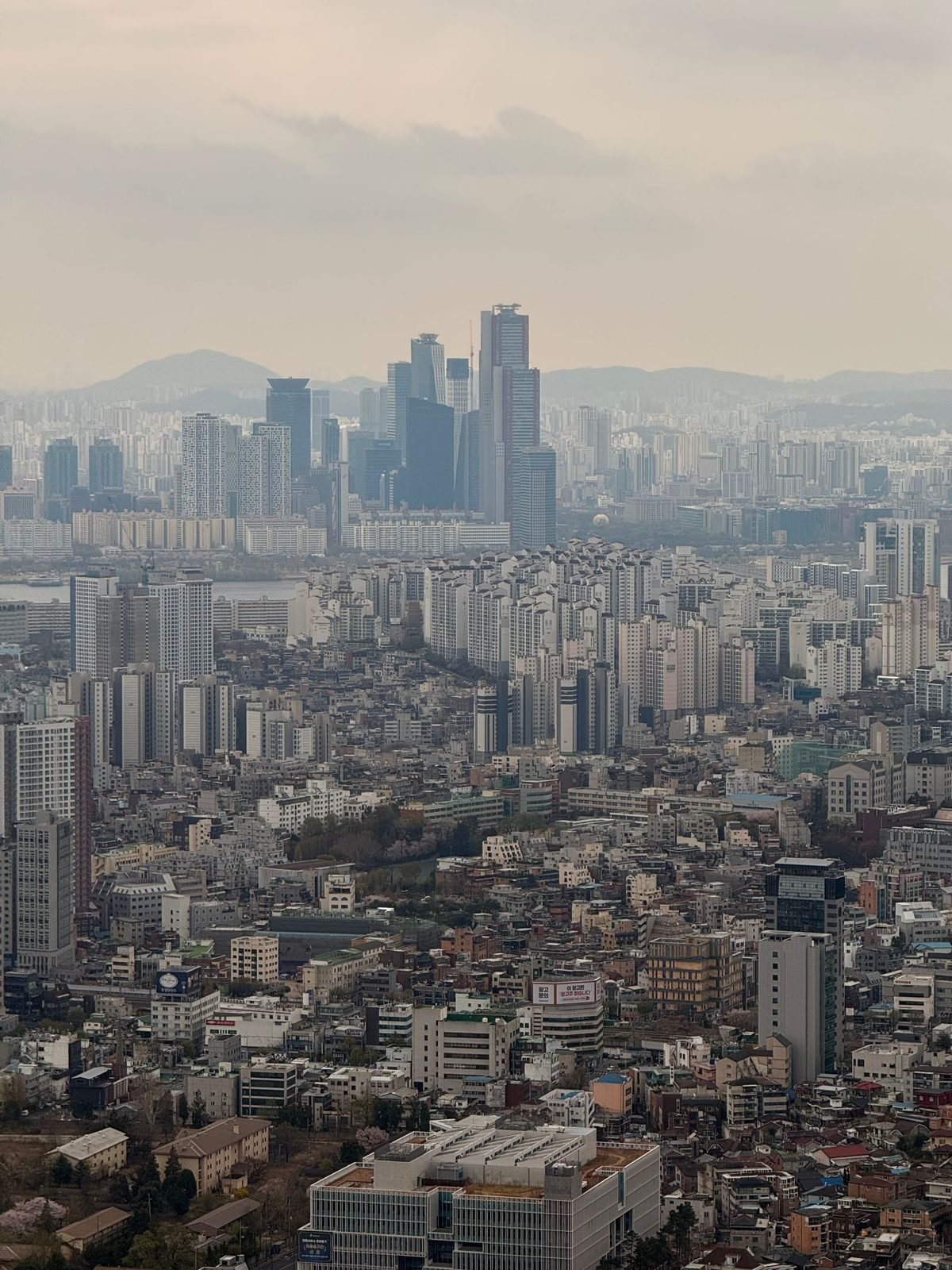
The selling did not wait for Monday’s open to test those promises. By 11:30 a.m. in Seoul on Monday, the Kospi had fallen to 4,633.22, down 4.86 per cent from Friday’s close, after opening 2.77 per cent lower. Officials attributed the volatility to uncertainty over the profitability and financing of the artificial intelligence industry, US regulations on data centres, and tighter semiconductor export controls.
China Eases Margin Rules
China joined the weekend’s rescue efforts in the opposite direction — making it easier, not harder, to borrow to buy shares. The Shanghai, Shenzhen and Beijing stock exchanges cut the minimum margin ratio for stock purchases from 100 per cent to 80 per cent, starting on 30 November, reversing an increase made in January. The exchanges said margin financing activity “has weakened significantly recently, while overall leverage is low”, with outstanding margin loans now totalling about 2.2 trillion yuan, down from roughly 3 trillion yuan in late June. The Shanghai and Shenzhen exchanges also cut trading fees.
The pressure on the region’s chipmakers was plain on Wall Street on Friday: the US-listed shares of SK Hynix fell 13.1 per cent, Taiwan Semiconductor Manufacturing fell 9.5 per cent, the iShares MSCI Taiwan ETF fell 11.0 per cent and the iShares MSCI South Korea ETF fell 8.4 per cent. All four rose between 1.7 per cent and 3.1 per cent in after-hours trading.
Why the Selling Started
The rout began with a worldwide reassessment of artificial intelligence. Investors are questioning whether the enormous spending on AI data centres will ever pay off, and whether the debt being raised to fund the buildout is sustainable. That doubt has hit hardest exactly where the boom was strongest — the chipmakers and infrastructure firms of Taiwan, South Korea and the United States, whose shares had led markets to record highs as recently as 6 October.
The selling has also been fed by forced selling at home. In Taiwan, analysts cited a wave of retail margin liquidations and stop-loss selling, while in South Korea officials said they were watching leveraged positions and margin calls closely to prevent cascading sell-offs.
What Comes Next
The first test comes at Monday’s open in Taipei — the first session to trade under the short-selling ban. If the ban steadies the market, regulators will claim a rare win against panic; if selling continues, the Stabilisation Fund and the possible margin-maintenance cut are the next tools in line.
For now, Asia’s policymakers have made their position clear: they will not stand by while the AI trade unwinds. But bans and funds can slow a fall — they cannot answer the question that started it, whether the trillions poured into artificial intelligence will ever earn their return.
Taiwan has banned the trade that profits from falling prices. On Monday, the market will decide whether that is enough.
Reporting based on Bloomberg, 22 November 2026, via StockAnalysis; Focus Taiwan (Central News Agency), 21 November 2026; the Financial Supervisory Commission, Taiwan, 21 November 2026; the Korea JoongAng Daily, 22–23 November 2026; Reuters, 22 November 2026; and BNN’s earlier report on the worst week for US tech stocks since 2020
By Muhammad Noman
Journalist | The BNN Media – The Best News Network
News Beyond the Borders